Xelivor Xelivor

Why Choose the Best Optical Transceiver Supplier for Your Needs?

Time:2026-08-28 Author:Sophia
0%

In today's digital landscape, optical transceivers are crucial for high-speed data transmission. According to a report by MarketsandMarkets, the optical transceiver market is projected to reach $10 billion by 2025, growing at a CAGR of 15%. This growth underlines the importance of selecting a reliable optical transceiver supplier. Their product quality significantly impacts network performance and overall efficiency.

Choosing the right supplier means more than just cost—it demands an understanding of technology and reliability. Suppliers with a track record in the industry provide products that adhere to strict standards. A recent survey indicated that 85% of companies experienced downtime due to inferior transceiver choices. Such statistics emphasize the dire need for careful supplier selection.

Moreover, many buyers overlook post-purchase support services. A quality optical transceiver supplier offers not only technical guidance but also extended warranties. These features ensure longevity and performance stability in an ever-evolving market. Reflecting on past decisions helps highlight the importance of choosing wisely to avoid future pitfalls.
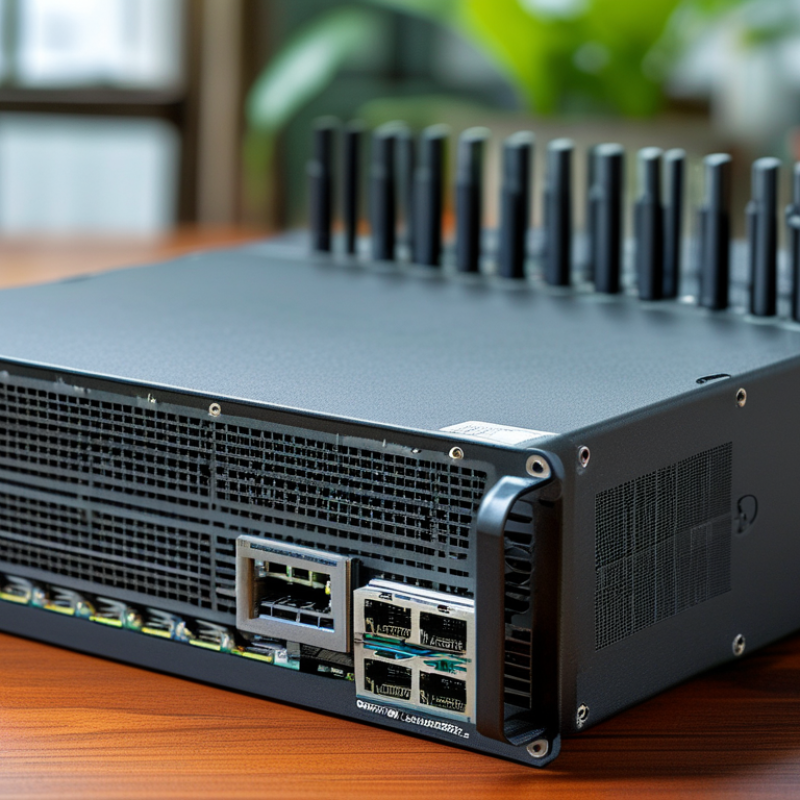
Why Choose the Best Optical Transceiver Supplier for Your Needs?

Factors to Consider When Choosing an Optical Transceiver Supplier

Choosing the right optical transceiver supplier is crucial for optimizing network performance. Factors such as reliability, product range, and customer support play a significant role. Suppliers should have a track record of delivering high-quality products consistently. It's important to evaluate their experience in the industry because this reflects their ability to meet your specific needs.

Another important consideration is the supplier’s certifications. Certifications ensure that products meet industry standards. An experienced supplier will also provide clear information on compatibility with various systems. Quality control processes should be transparent, allowing customers to gain confidence in their products. Customer reviews and case studies can provide insights into the supplier's reputation and dependability.

Price often influences decisions, but it should not be the only factor. A lower price can sometimes indicate compromised quality. It's wise to weigh cost against performance and longevity. Beware of suppliers who make lofty promises without backing them up with substantial evidence. Ultimately, aligning your requirements with a supplier's strengths will enhance your network's overall reliability and efficiency.

Understanding the Importance of Quality in Optical Transceivers

Optical transceivers play a crucial role in modern communication networks. Their quality directly impacts data transmission speeds and reliability. According to industry reports, transceiver performance can vary significantly based on design and manufacturing processes. For example, a 2022 study revealed that using high-quality optical transceivers improved network efficiency by 25%. Even minor variations in quality can lead to a 10% increase in error rates.

Choosing a reputable supplier ensures strict adherence to industry standards. Quality transceivers undergo rigorous testing, which can reduce long-term costs associated with network maintenance. A reliable optical transceiver can last up to five years longer than lower-quality options. However, some decisions in procurement may be influenced by pricing rather than performance. This can hinder potential improvements in network speeds and stability.

An emphasis on quality is vital. Not all suppliers maintain the same level of oversight in production. Small discrepancies in manufacturing can lead to substantial performance issues. End-users must prioritize reliability, as the consequences of poor-quality equipment can be lasting. Investigating suppliers' reputations and certifications is crucial for informed decisions. These insights will ultimately impact the efficiency and longevity of your network infrastructure.

Evaluating the Range of Products Offered by Suppliers

When selecting an optical transceiver supplier, the range of products offered is crucial. A broad selection can ensure compatibility with various network requirements. According to industry reports, demand for high-speed optical transceivers is predicted to grow at a CAGR of 15% through 2025. This growth reflects diverse applications in data centers and telecommunications.

Evaluating suppliers should include analyzing their product lines. Quality, durability, and performance specifications matter. Many suppliers offer products ranging from standard SFP modules to advanced coherent optics. Each product needs rigorous testing to meet industry standards, like Telcordia GR-468 and IEC 61754. Not every supplier meets these standards adequately, raising questions about reliability.

Customers often report issues when suppliers lack a comprehensive inventory. Missing critical components can delay project timelines. Suppliers with limited offerings may struggle to address unique needs. It’s essential to choose a supplier whose product range aligns well with emerging technologies, such as 400G and beyond. This will help ensure future-proofing for your network infrastructure.

Assessing Customer Support and Technical Assistance Availability

When choosing an optical transceiver supplier, customer support is crucial. A responsive support team can resolve issues quickly. Delays in communication can lead to operational setbacks. You want a supplier that values your time and understands your needs.


Assessing technical assistance availability is also important. Look for suppliers that offer comprehensive resources, such as documentation and troubleshooting guides. Support should not be a one-time event but an ongoing relationship. This kind of care fosters reliability and trust.


Tips: Check the supplier’s response time during initial inquiries. Reach out to their support team to gauge their knowledge. Evaluate if they provide training sessions or webinars to enhance your understanding. A proactive approach to assistance can save you from future complications. Being informed makes all the difference.

Comparing Pricing and Value for Money in Optical Transceiver Solutions

When selecting an optical transceiver supplier, pricing can be a significant factor. However, lower prices do not always equate to better value for money. Many products on the market are cheap but lack the quality and reliability that businesses need. A low-cost transceiver might save money upfront but could lead to higher costs down the line due to failures or performance issues. Evaluating the cost relative to performance is crucial.

Value comes from understanding both quality and the support provided. Many suppliers claim to offer excellent service, but the reality can be different. Check customer reviews and ask about after-sales support. If the product fails, will they assist you promptly? Reliability should never be compromised for just price. Remember, an optical transceiver is a critical component of your networking strategy. Investing in a trusted supplier could prevent costly downtime.

Additionally, consider the technological advancements in transceiver solutions. Sometimes, a slightly higher price reflects better technology, ensuring longer lifespan and optimal performance. It’s essential to weigh these factors carefully. Assessing a supplier’s experience and reputability can guide you toward making a more informed decision. Remember, quality and reliable support can ultimately deliver better returns on your investment.

Why Choose the Best Optical Transceiver Supplier for Your Needs? - Comparing Pricing and Value for Money in Optical Transceiver Solutions

Supplier Type Pricing ($) Transmission Distance (km) Data Rate (Gbps) Warranty (Years) Customer Rating (out of 5)
OEM Manufacturer 120 80 100 3 4.7
Distributors 150 40 25 2 4.5
Local Providers 95 50 10 1 4.2
International Brands 200 120 400 5 4.9

FAQS

: Why is quality important in optical transceivers?

: Quality affects data transmission speeds and reliability significantly. High-quality transceivers can enhance network efficiency.

How does the choice of supplier impact network performance?

A reputable supplier ensures adherence to industry standards, leading to better performance and reduced maintenance costs.

What happens if I prioritize price over quality in transceivers?

Focusing on price may lead to inferior performance and long-term inefficiencies in the network.

How does the range of products from a supplier matter?

A diverse range ensures compatibility and addresses various network needs. Limited options can delay projects.

What industry standards should optical transceivers meet?

Standards like Telcordia GR-468 and IEC 61754 are crucial for establishing reliability and performance.

Why is customer support critical when choosing a supplier?

Good customer support helps resolve issues quickly. Delays can cause operational disruptions for your network.

How can I assess a supplier's technical assistance?

Evaluate response times, availability of resources, and whether they offer ongoing training or webinars.

What should I consider about a supplier’s testing processes?

Suppliers should perform rigorous testing to meet industry specifications. Any lapses can compromise product quality.

How can I ensure that the transceivers are future-proof?

Choose suppliers that align with emerging technologies, ensuring compatibility with advancements like 400G.

Is it important to review supplier reputations?

Yes, investigating a supplier’s reputation informs your choices and can impact overall network efficiency.

Conclusion

When selecting an optical transceiver supplier, several key factors must be taken into account to ensure optimal performance and reliability. Quality is paramount; high-grade optical transceivers can significantly impact network efficiency and longevity. Potential customers should also evaluate the variety of products available, as suppliers offering a broader range may better suit diverse needs and future upgrades.

Moreover, effective customer support and technical assistance are crucial components of a supplier's value proposition. Suppliers that provide prompt and knowledgeable support can help resolve issues quickly and minimize downtime. Lastly, comparing pricing against the value offered is essential to ensure that you receive the best deal without compromising on quality or service. Overall, choosing the right optical transceiver supplier can greatly influence the success of your networking solutions.

Sophia

Sophia

Sophia is a dedicated marketing professional with an exceptional depth of knowledge about her company's products and services. With a keen understanding of market trends and customer needs, she crafts insightful blog posts that not only inform but also engage readers, enriching the company’s online......