Xelivor
Xelivor
Xelivor
Explore our top industrial-grade, multi-vendor compatible optical modules engineered for mission-critical networking applications.
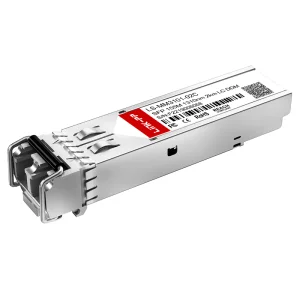
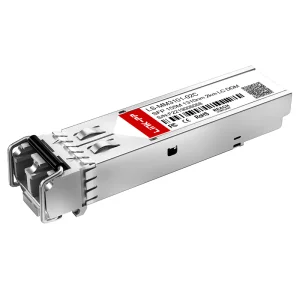
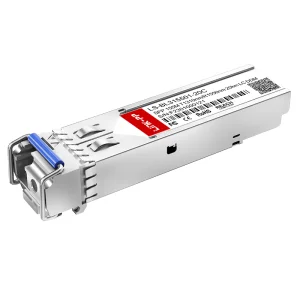
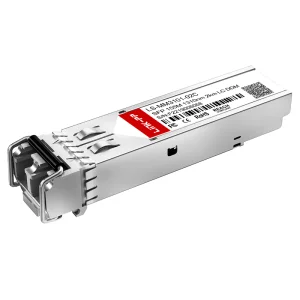
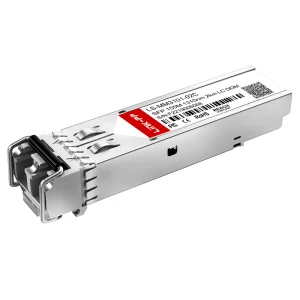
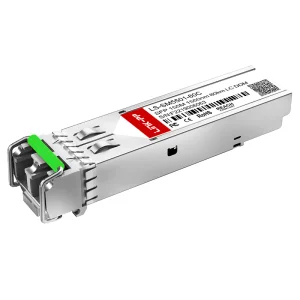
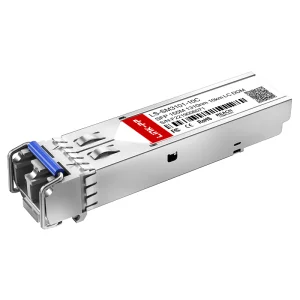
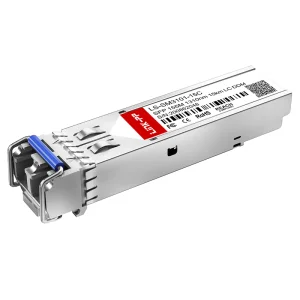
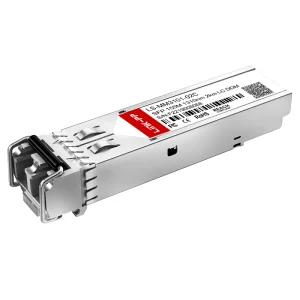
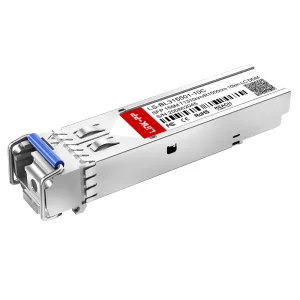
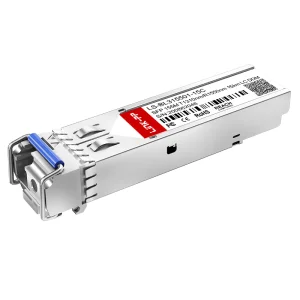
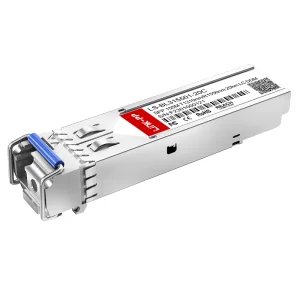
In modern industrial and telecommunication architectures, high-speed interfaces like 100G, 400G, and even 800G command public attention. However, for legacy networks, utility infrastructure, and deterministic real-time communication networks, 155 Mbps (STM-1/OC-3) and 622 Mbps (STM-4/OC-12) SFP (Small Form-factor Pluggable) optical transceivers remain the indispensable workhorses. These specific rates align natively with SDH (Synchronous Digital Hierarchy) and SONET (Synchronous Optical Network) protocol requirements, serving as the foundational transport layer for power grids, transportation, and industrial automation.
A primary driver for the sustained utilization of 155M/622M optical modules is their deterministic performance. Unlike packet-switched Ethernet interfaces, which introduce varying latency distributions based on network congestion, SDH/SONET structures rely on time-division multiplexing (TDM). This design ensures static latencies crucial for synchronization grids, critical power relays, and substation automation systems complying with the IEC 61850 standard.
Additionally, modern optical transceivers operating at lower transmission rates are significantly less power-hungry. A typical 155M or 622M SFP module consumes under 0.8W, reducing the thermal footprint of fanless outdoor enclosures in remote industrial fields. Operating at these standard configurations decreases mechanical fatigue and increases the Mean Time Between Failures (MTBF) to over 5,000,000 hours.
Our compatible optical modules, including models matching major vendors such as Hirschmann, Moxa, Cisco, and Allied Telesis, support multi-source agreements (MSA). By ensuring compliance with SFF-8472 standards, they provide real-time reporting via DDM (Digital Diagnostics Monitoring). Network operations centers can trace laser temperature, bias current, optical receive/transmit power, and supply voltage in real-time, preempting optical link failures before they trigger grid interruptions.
From a transmission distance perspective, our portfolio covers 2km over Multi-Mode Fiber (MMF) using a 1310nm FP laser up to long-haul 80km links over Single-Mode Fiber (SMF) leveraging highly stable 1550nm DFB lasers. This ensures structural integration across municipal traffic systems, industrial pipeline operations, and offshore energy farms.
| Optical Standard | Nominal Data Rate | Fiber Type | Wavelength (nm) | Max Link Distance | Typical Application |
|---|---|---|---|---|---|
| 100BASE-FX / STM-1 | 155 Mbps | Multi-Mode (MMF) | 1310nm | 2km | Substation Control, Wind Turbine Comms |
| 100BASE-LX / STM-1 | 155 Mbps | Single-Mode (SMF) | 1310nm | 10km / 15km / 20km | Railway Signaling, Pipeline Monitoring |
| 100BASE-ZX / STM-1 | 155 Mbps | Single-Mode (SMF) | 1550nm | 80km / 120km | Long-Haul Utility Transmission Grid |
| STM-4 / OC-12 | 622 Mbps | Single-Mode (SMF) | 1310nm / 1550nm | 15km / 40km / 80km | Metro Access Rings, SDH Backbone Nodes |
Discover how modern manufacturing hubs leverage supply chains, precise engineering, and custom programming to deliver global networking solutions.
China's optical communications corridors (particularly Shenzhen and Wuhan) provide unmatched localized supply chains. From silicon photonics subassemblies (TOSA/ROSA) to PCB assembly (PCBA) and high-precision injection-molded casings, all raw materials are sourced within a 50-mile radius. This geographical clustering cuts down turnaround times and secures component access even in fluctuating market cycles.
Operating under ISO9001 and CE/FCC/RoHS guidelines, Chinese manufacturing sites deploy automatic optical inspections (AOI) alongside rigorous temperature-cycling cabinets. Reliability tests ensure that every 155M/622M transceiver functions flawlessly from commercial temperature ranges (0°C to 70°C) to extended industrial ranges (-40°C to 85°C).
Compatibility is the core bottleneck of global SFP sourcing. Professional China manufacturers write customized firmware to the transceiver EEPROM to emulate original vendor IDs. This ensures immediate system handshake upon installation, bypassing brand blockages and preventing command-line errors in switches from Cisco, Hirschmann, Allied Telesis, Moxa, and others.
Discover how high-reliability 155M/622M optical modules keep infrastructure systems worldwide synchronized and resilient.
Power substations operate in extreme electromagnetic interference (EMI) zones. Standard copper cabling suffers from induced voltages and data corruption. By deploying 155M Fast Ethernet SFP modules over fiber, operators create complete galvanic isolation. These transceivers link merging units, protection relays, and RTUs inside IEC 61850 architectures, operating without signal degradation under severe noise levels.
Communication-Based Train Control (CBTC) systems require steady, drop-free packet transport. 155M Single-Mode 10km/20km modules connect interlocking controllers and trackside radio blocks. Low latency and long-term durability are critical to maintaining signaling sync and ensuring commuter safety across dense municipal rail networks.
Metropolitan fiber networks built on SDH/SONET rely heavily on STM-1 (155M) and STM-4 (622M) access interfaces to transmit voice services and legacy data loops. Using our cost-efficient, MSA-compliant SFP modules, telecom service providers can run long-distance links up to 80km without replacing legacy systems, optimizing capital expenditure (CAPEX).
In oil fields, chemical processing units, and offshore platforms, Ethernet-over-fiber links run long spans across hazardous zones. Industrial-hardened SFP modules operate in extreme hot and cold climates, ensuring continuous telemetry reporting from SCADA remote units back to central SCADA systems.
Take a look inside our modern manufacturing facilities. From advanced R&D labs to certified cleanrooms, we build reliability into every transceiver.
Established in 2016, Xelivor Optoelectronics Co., Ltd. is a dedicated manufacturer of optical transceivers and fiber connectivity products serving the global telecom, data center, and enterprise sectors. Operating out of a highly optimized 386 m² dust-free facility alongside collaborative partner factories, our engineering team manages production lines with high efficiency. With an annual export volume of over USD 12 million and 8+ years of expertise, our R&D team of 68 engineers keeps Xelivor at the forefront of network innovations, delivering 85+ new products last year alone.



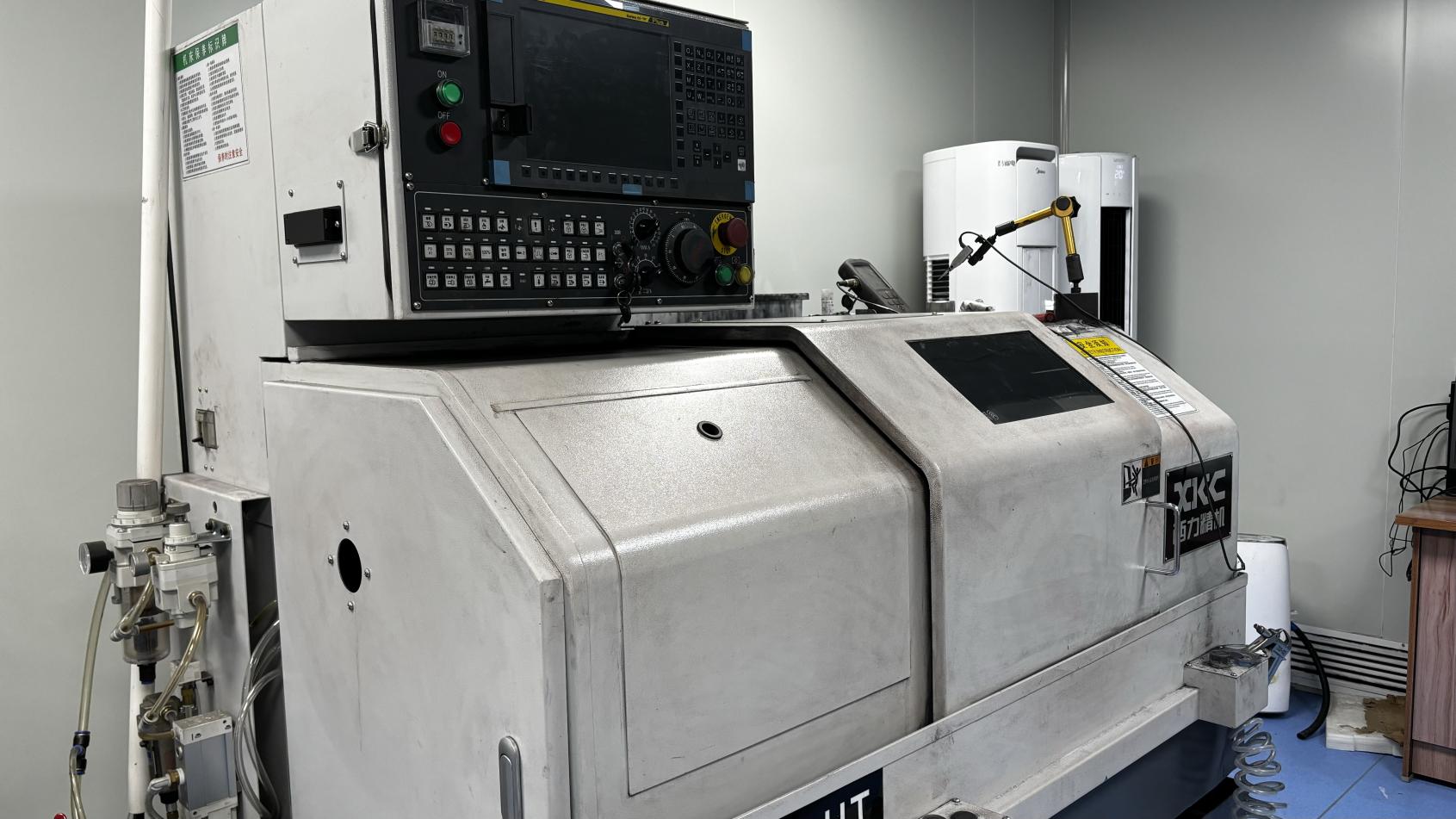
Quality remains the primary focus at Xelivor. Our 32 quality control inspectors manage incoming raw materials, trace assembly processes, oversee high-temperature aging chambers, and run final verification checks. We work alongside more than 850 supply chain partners to secure stable sourcing, offering clients flexible options for OEM, ODM, custom packaging, and tailormade firmware modifications.
Get expert insights into the compatibility, specifications, and deployment of 155M and 622M SFP optical transceivers.
While both modules operate at a physical line rate of 155.52 Mbps, Fast Ethernet SFPs are configured for packet-switched Ethernet networks (typically mapping to the 100BASE-FX or 100BASE-LX standard), whereas STM-1/OC-3 SFPs conform to SDH/SONET framing protocols. Most industrial switches are protocol-specific; however, some multi-rate transceivers can dynamically handle both standards depending on the host port settings.
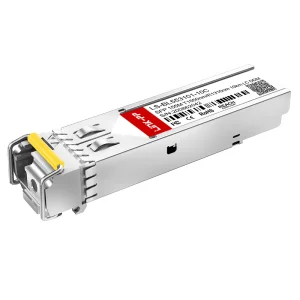
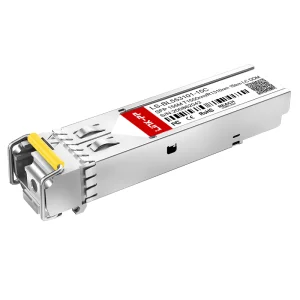
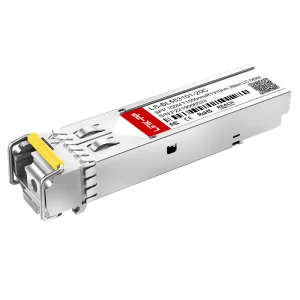
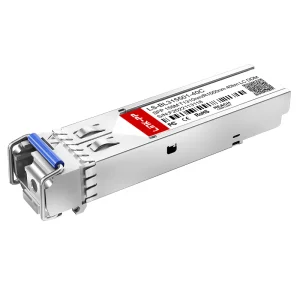
BiDi optical modules use Wavelength Division Multiplexing (WDM) to transmit and receive signals over a single strand of fiber (simplex). By utilizing two distinct wavelengths (for example, Tx1310nm/Rx1550nm and vice-versa), BiDi SFPs cut the requirement for physical fiber cabling in half, making them ideal for fiber-constrained installations over distances up to 40km.
Commercial-grade optical modules are rated for temperatures between 0°C and 70°C. In outdoor locations, such as roadside traffic control cabinets, wind farm towers, or substations, internal temperatures can exceed these ranges. Industrial-grade modules feature rugged components, hardened casings, and wider thermal operating thresholds to prevent optical output power drift.
DDM (also known as DOM - Digital Optical Monitoring) allows real-time tracking of parameters including optical output power, receiver sensitivity, operating temperature, and laser bias current. This feedback is critical for diagnostic processes, enabling network administrators to monitor link health and identify degradation before a fiber connection fails.
Explore our complete range of specialized simplex and duplex transceivers designed for long-range and industrial networks.