Xelivor
Xelivor
Xelivor
Establishing Next-Generation Benchmarks in Optical and Copper Data Transmission Hardware
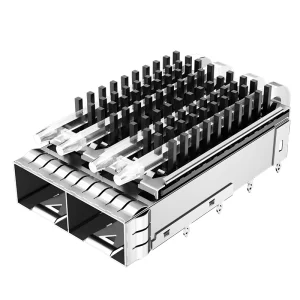
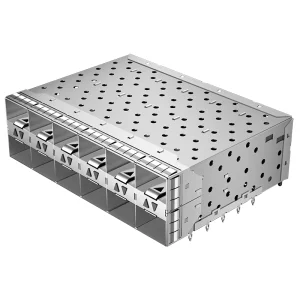
As the backbone of high-density switching systems, optical transceiver cages require microscopic dimensional stability and advanced EMI (Electromagnetic Interference) containment. Xelivor Optoelectronics Co., Ltd. stands as a premier SFP cage manufacturer and factory, delivering comprehensive interconnect architectures to the global market. Established in 2016, our enterprise has dedicated itself to resolving signal integrity and thermal management challenges for optical transceivers and fiber connectivity configurations across telecommunications, cloud computing platforms, and enterprise data center frameworks.
Operational within a highly specialized, cleanroom-equipped engineering headquarters spanning 386 m², Xelivor leverages automated manufacturing parameters to produce tight-tolerance components. Supported by over 8 years of industrial manufacturing experience and 6 years of international trade operations, our global export network generates an annual export turnover exceeding USD 12 million. Today, network architects across North America, Europe, South America, the Middle East, and Southeast Asia rely on Xelivor hardware to sustain hyperscale workflows.
Annual Export Value
R&D Engineers
New Products Annually
Supply Chain Partners
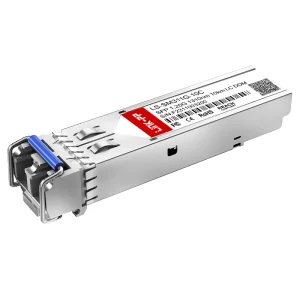
SFP (Small Form-Factor Pluggable) cages function as mechanical housings and electromagnetic shields for hot-pluggable optical modules. As data rates climb from 10Gbps (SFP+) and 25Gbps (SFP28) to 56Gbps (SFP56) and 112Gbps (SFP112) per channel, high-speed routing is susceptible to radiative noise and thermal degradation. Understanding these mechanics is essential for system reliability:
Deploying Optimized High-Speed Interconnects Across Harsh and High-Density Environments
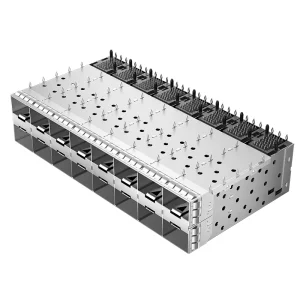
In modern cloud facilities, stacked 2xN (e.g., 2x4, 2x6, 2x8) SFP28/QSFP28 cages enable maximum port density on top-of-rack (ToR) switches, saving rack space while maintaining optimal airflow and thermal margins.
Designed for cellular backhauls and distributed antenna systems (DAS), our cages resist mechanical vibration and corrosion, ensuring continuous 5G network performance in outdoor remote radio units (RRUs).
Substation switches and industrial PLC architectures face extreme electromagnetic interference. Our nickel silver alloy SFP housings offer superior shielding effectiveness, preventing bit error rate (BER) spikes in industrial settings.
Empowering the Transition from 10G/25G to 56G PAM4 and 112G Architectures
As networks face rising demand from artificial intelligence (AI) models, high-performance computing (HPC), and low-latency storage access, the optical interface must evolve. The roadmap below highlights Xelivor's commitment to advancing structural and electrical performance standards:
Optimized for 25Gbps NRZ transmission. Focuses on minimizing the resonance of critical spring components and refining surface flatness. This ensures a clean ground connection during quick-plug cycles.
Operating at 50Gbps using 4-level Pulse Amplitude Modulation. At this frequency, signal attenuation is critical. Xelivor integrates tighter impedance matched contacts to decrease return loss at the physical receptacle interface.
Moving toward 112Gbps per channel. This stage integrates ultra-flat mounting plates and hybrid thermal heatsinks. These designs manage modules that operate at high temperatures without compromising EMI integrity.
The global electronic components landscape requires manufacturing flexibility, cost optimization, and rapid engineering iteration. Our production facility in China provides key structural advantages for your supply chain:
By integrating automated assembly techniques and optical testing processes, we deliver Tier-1 quality at a competitive total cost of ownership (TCO).
Securing Seamless Compatibility and Regulatory Compliance Across International Borders
Our cages are designed to meet the Multi-Source Agreement (MSA) mechanical standards. This ensures compatibility with transceivers from any global manufacturer, including SFP, SFP+, SFP28, and QSFP formats.
A professional team of 32 QA inspectors uses automated optical inspection (AOI), mechanical pull testers, and salt-spray corrosion chambers to test every product before shipment.
All raw materials and plating processes comply with RoHS 2.0, REACH, and CE directives, ensuring environmentally safe operation and easy customs clearance globally.
Technical Answers to Common Questions in High-Speed I/O System Design
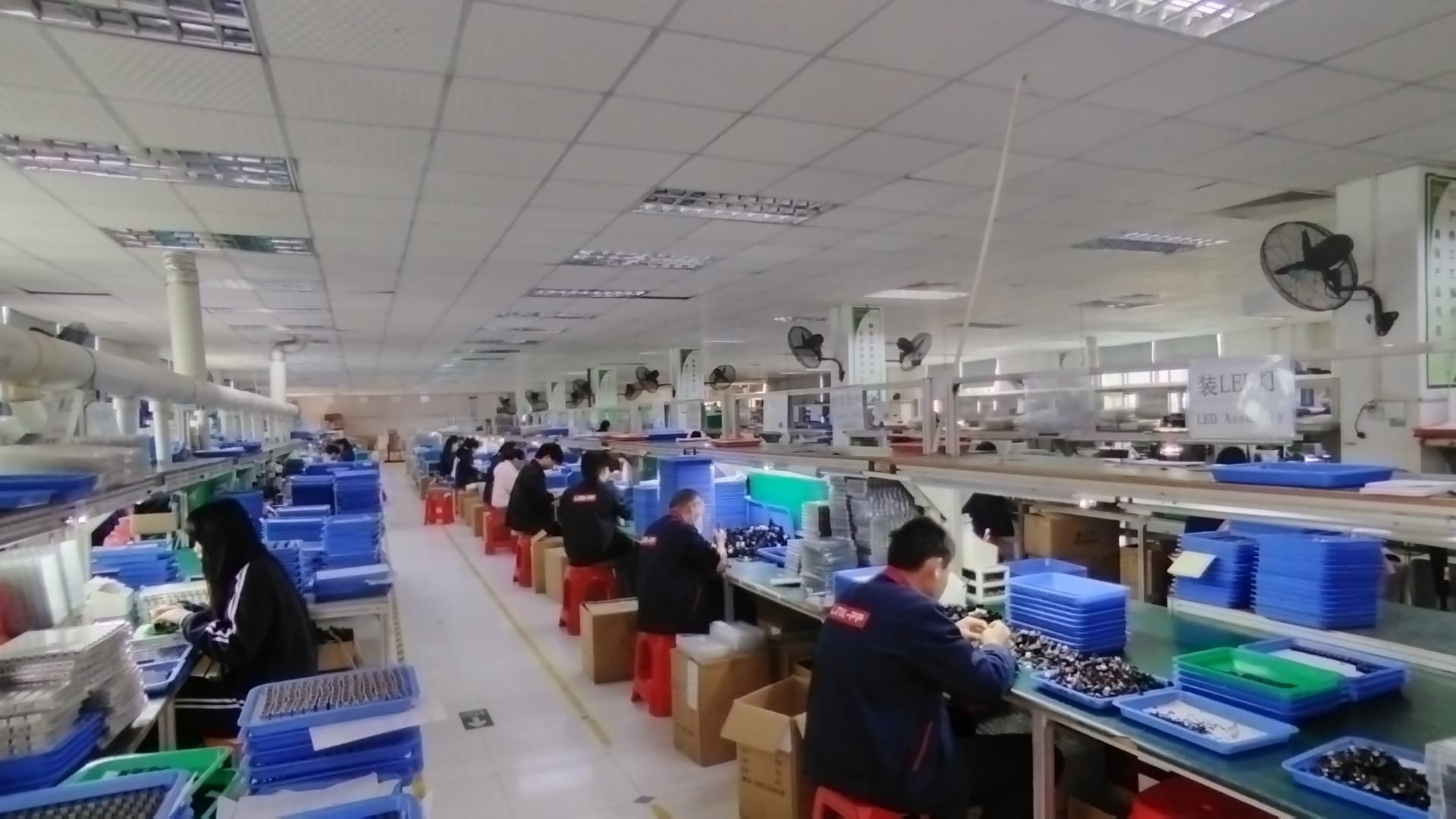
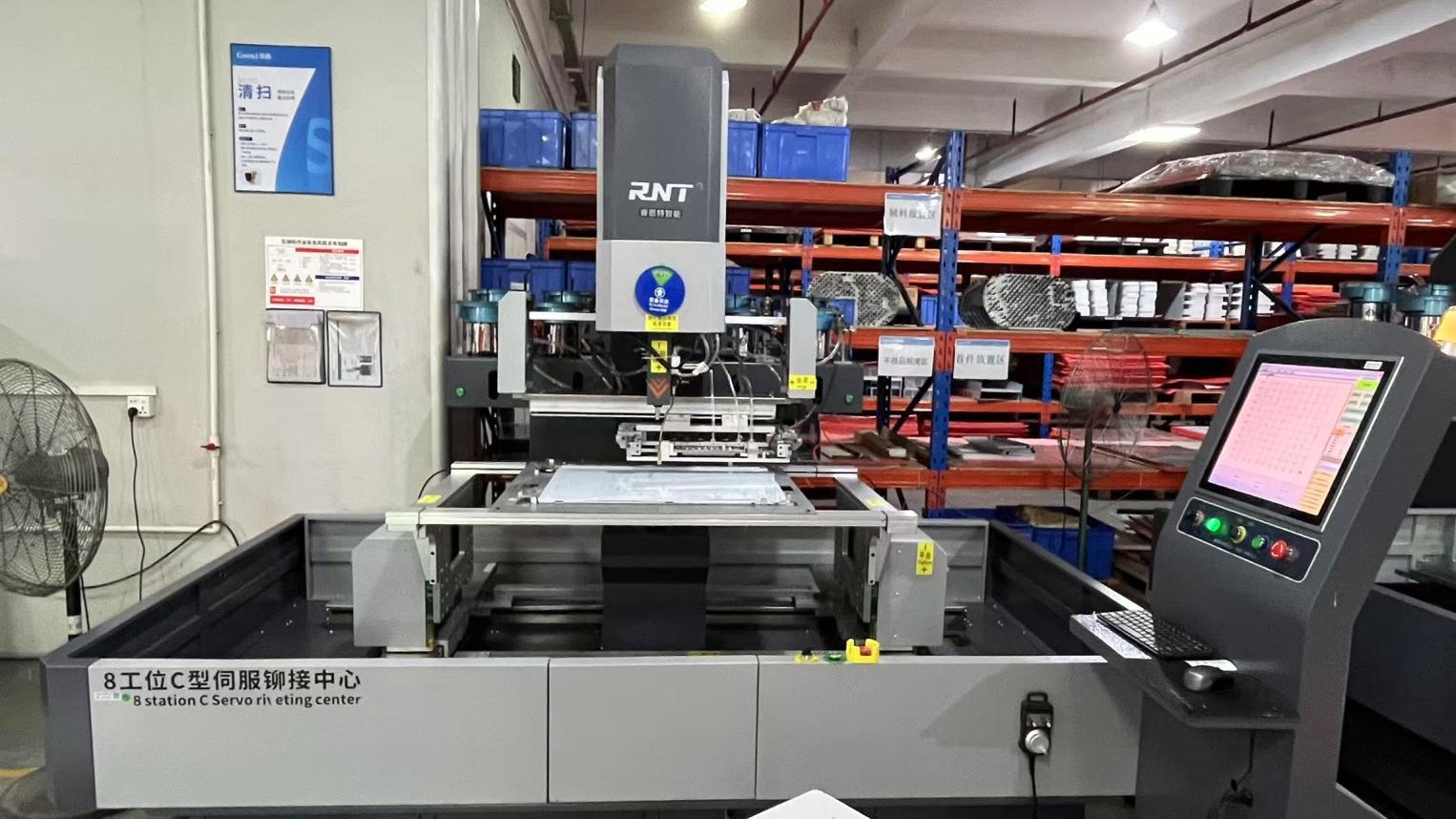
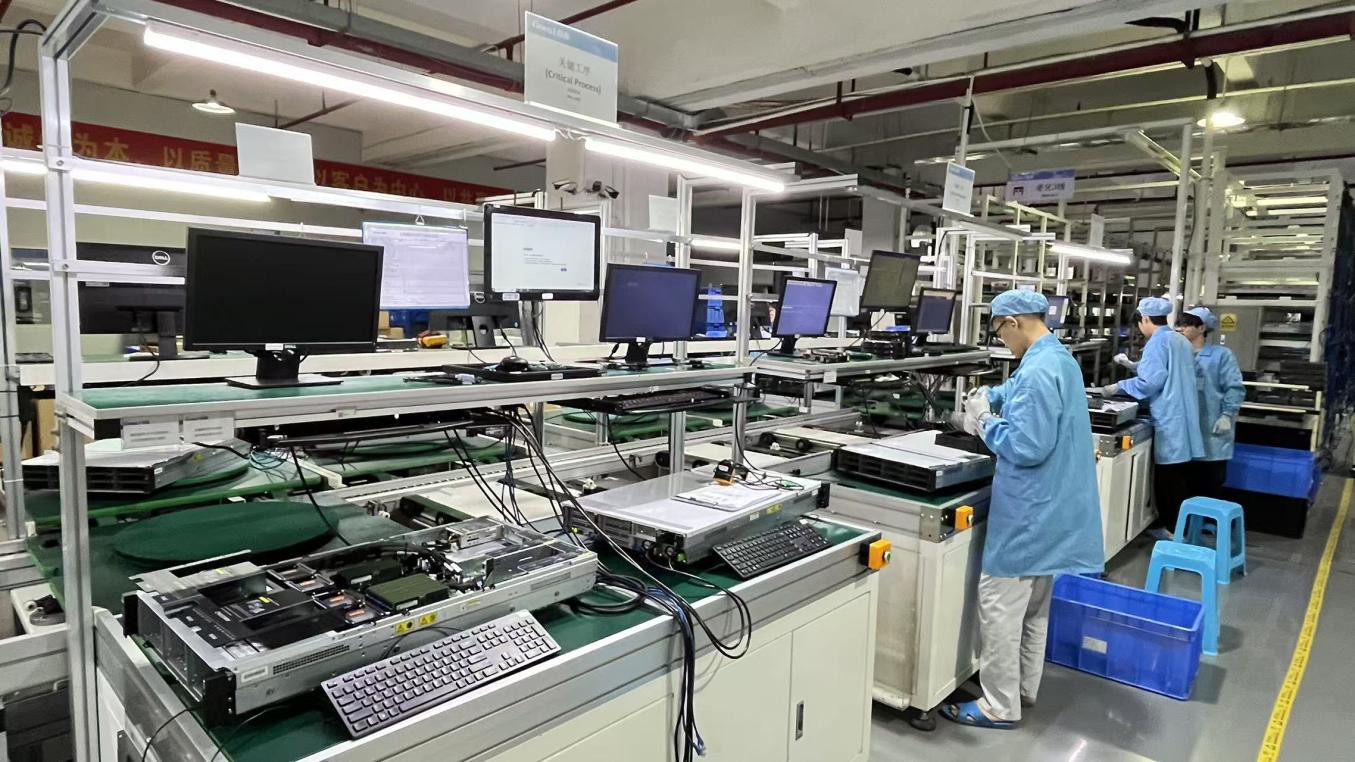
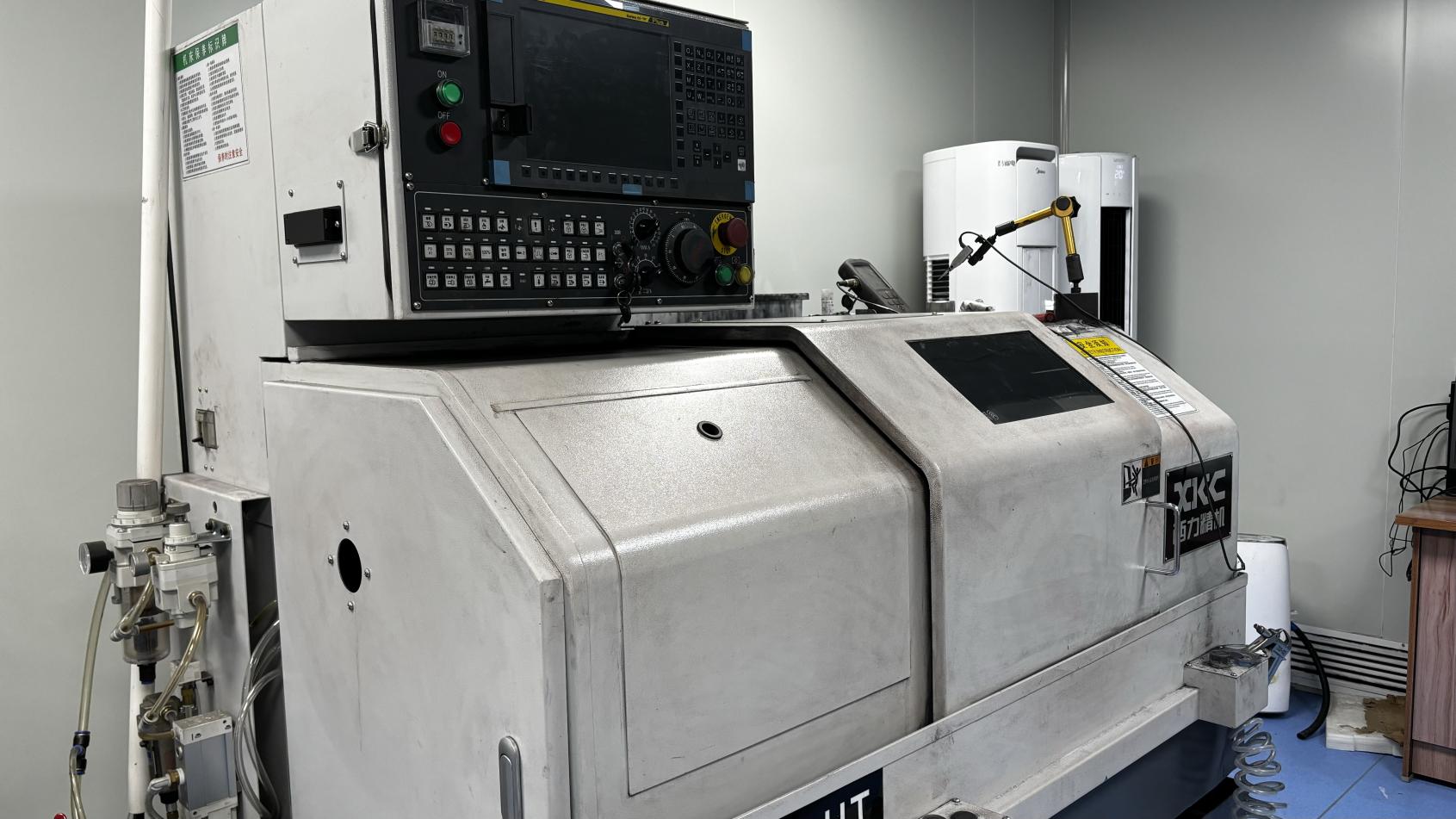
Examine Our Production Standardizations, Advanced Quality Check Systems, and Assembly Lines
Quality is at the core of our operations. Our comprehensive quality management system incorporates incoming material inspection (IQC), in-process quality control (IPQC), thermal aging tests, mechanical endurance verification, optical parameter checks, and final packaging inspection. With advanced machinery and structured assembly protocols, we ensure our global partners receive reliable, zero-defect hardware.