Xelivor
Xelivor
Xelivor
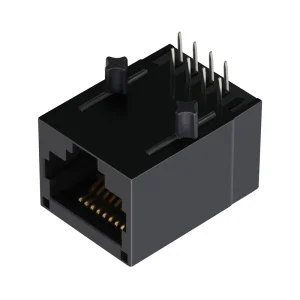
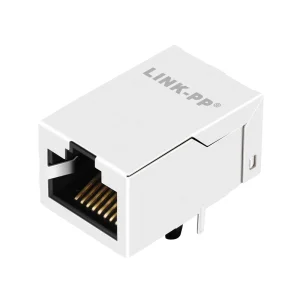
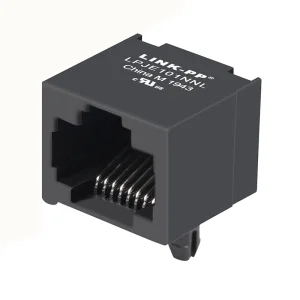
Explore our engineering-grade RJ45 female connectors engineered without internal transformer magnetics to allow maximum flexibility in physical board designs.
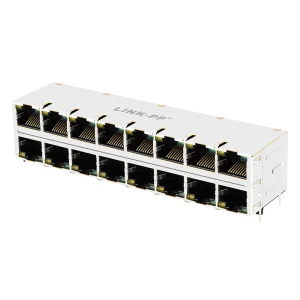
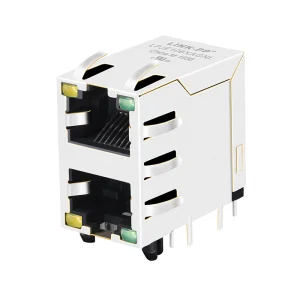
In modern networking hardware architectures, the separation of physical mating interfaces and electromagnetic components is a crucial design strategy. Historically, RJ45 connectors with integrated magnetics (commonly known as MagJacks) were widely adopted to save PCB real estate. However, as high-frequency processing demands escalate, system designers are shifting back to RJ45 female connectors without magnetics.
This architectural shift is primarily driven by the deployment of advanced Physical Layer (PHY) chips that integrate magnetics internally, or by the demand for customized external magnetic circuits optimized for specific electrostatic discharge (ESD) and common-mode rejection properties.
For custom industrial control boards, telecommunications infrastructure, and high-security defense networks, the standard integrated magnetic configuration of a MagJack is often inadequate. Custom ESD circuitry, specific line-isolation transformers, and advanced EMI-filtering topologies must be laid out directly on the host PCB. This necessitates utilizing top-tier, precision-molded RJ45 female connectors without magnetics to bridge the physical gap between the cable and the PCB trace without interfering with specialized signal paths.
Understanding the micro and macro-economic factors steering the global deployment of ethernet connectivity hardware.
Silicon developers like Broadcom, Marvell, and Realtek are continually launching ethernet transceiver ICs that integrate line drivers and physical filtering mechanisms, driving down the need for heavy internal connector magnetics.
Smart factories require ultra-compact PLC and gateway interfaces. Removing internal magnetics allows low-profile multi-port gang jacks to sit perfectly within constrained DIN-rail enclosures.
Global procurement teams prioritize structural modularity. In standardizing on non-magnetic RJ45 connectors, they bypass the specific chip-matching logic requirements associated with integrated MagJacks, streamlining inventory management.
B2B procurement agents and hardware engineering managers in the US, Europe, and Asia look closely at component durability and footprint compatibility. When sourcing an RJ45 without magnetics manufacturer, they look for ISO-certified partners that guarantee high coplanarity for Surface Mount (SMT) configurations, precise solder-pin plating (minimum 15u" gold-plating up to 50u" for telecommunication grade), and robust housings conforming to UL 94 V-0 flammability standards. Standardizing these non-isolated connector nodes reduces direct material costs by up to 30% compared to integrated magnetic alternatives, while offering massive design agility.
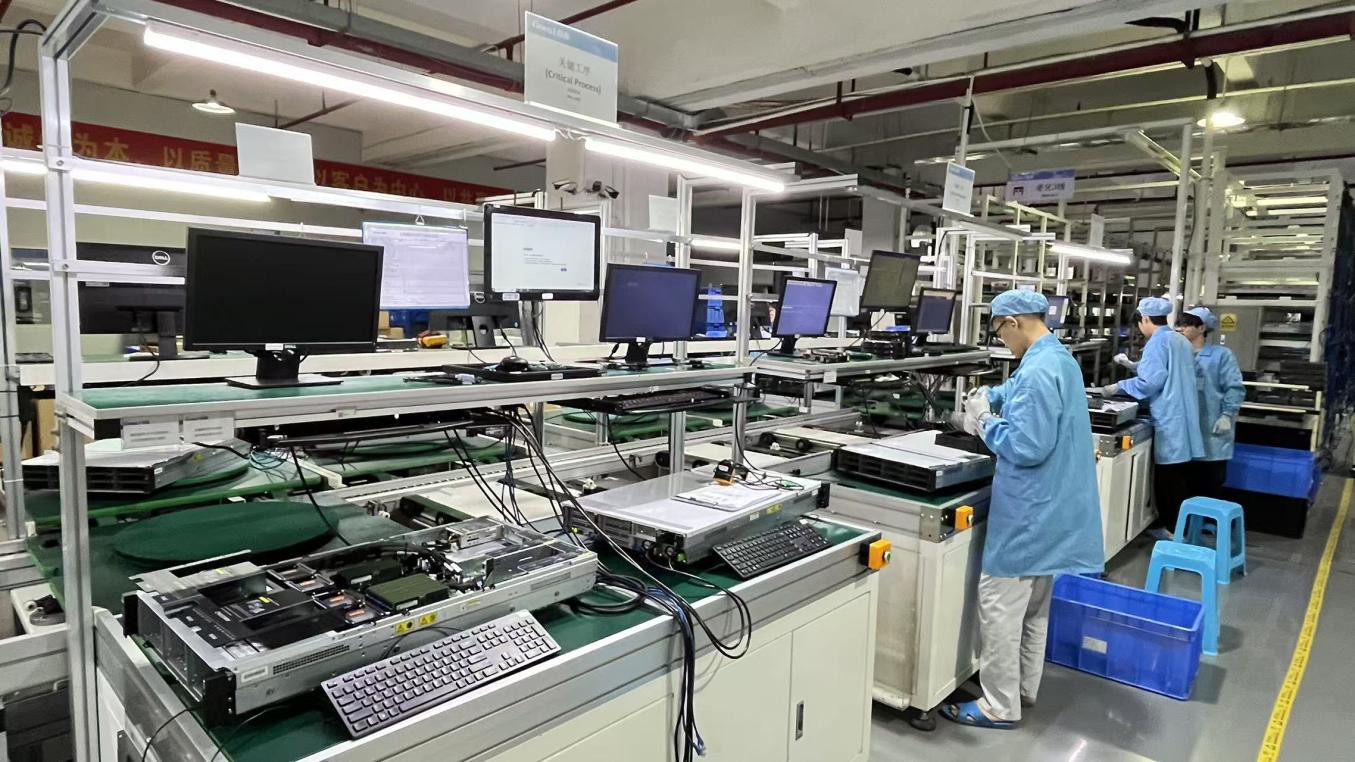
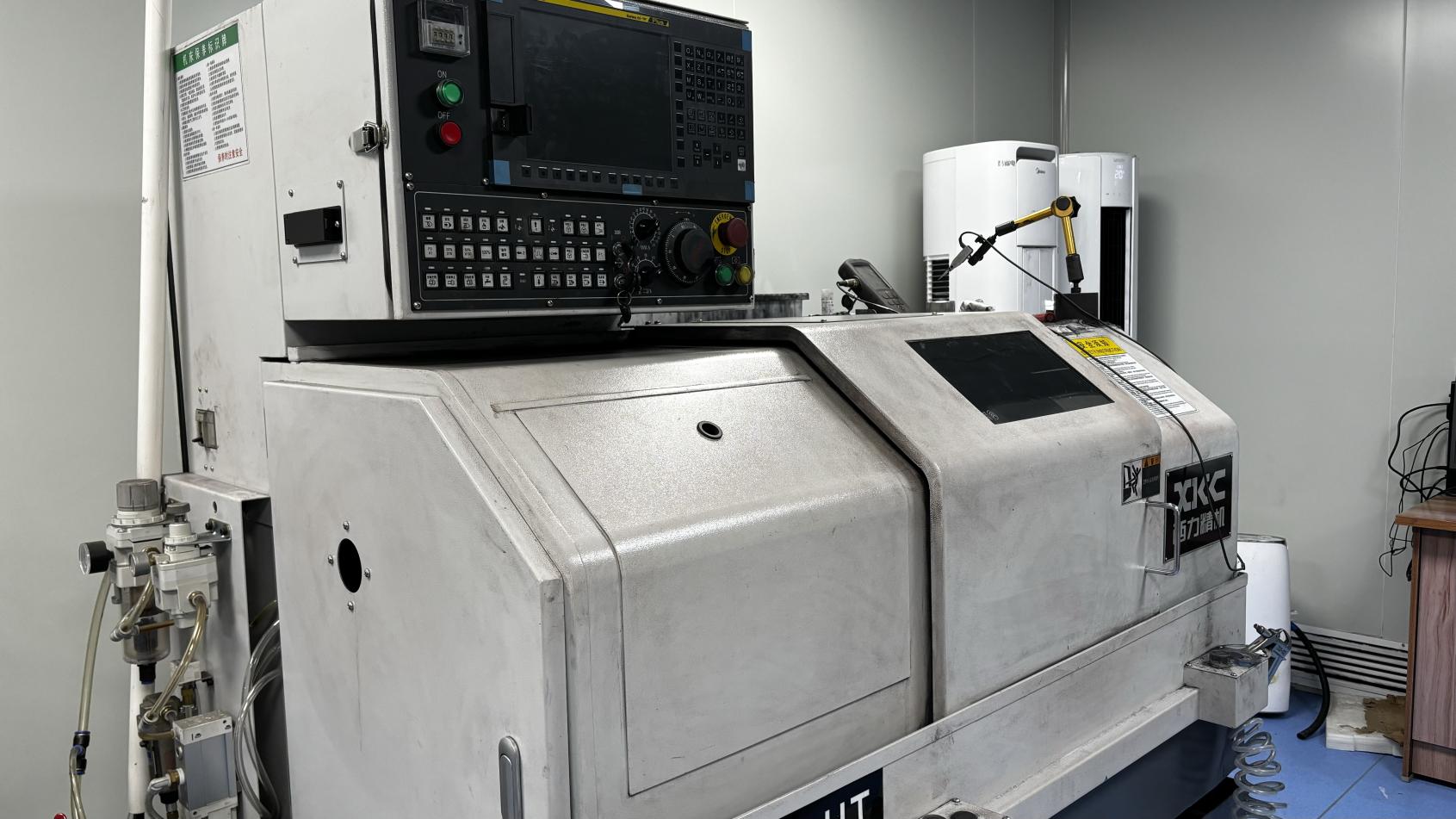
As global hardware demands migrate toward high-mix, low-volume (HMLV) agility alongside massive scale-up readiness, the role of modern Chinese assembly plants has undergone a total digital transformation. Xelivor Optoelectronics Co., Ltd. stands at the forefront of this industrial revolution, merging advanced automated stamping and precision plastic injection molding with strict quality-control protocols.
Established in 2016, Xelivor operates a specialized manufacturing hub spanning 386 m² optimized for ultra-precise high-speed optical transceivers and advanced networking connectors. Through an agile ecosystem, Xelivor coordinates with more than 850 supply chain partners, assuring component supply resilience even under unpredictable market fluctuations.
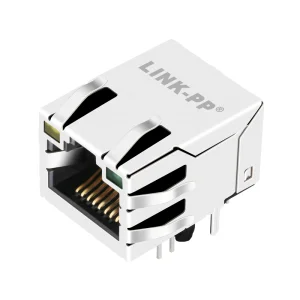
Our dedicated R&D team of 68 engineers works directly with international procurement divisions to configure customized housing modifications, tailored LED colors (Green/Yellow, Green/Green, or custom pin assignments), shielding options (tabs-up, tabs-down, or multi-port ganged packages), and modified solder tail pins for specific PCB thicknesses.
Our production pipeline seamlessly integrates: Incoming Material Inspection (IQC), In-Process Quality Control (IPQC), high-temperature aging tests, mechanical mating cycle tests (guaranteeing minimum 750 insertions), compatibility verification, optical and electrical parameter testing, and thorough outgoing inspection. Whether you require customized firmware, custom-labeled housings, private packaging, or unique shielded grounding layouts, Xelivor delivers engineered reliability.
Where are non-magnetic RJ45 female connectors deployed in today's high-tech industrial ecosystem?
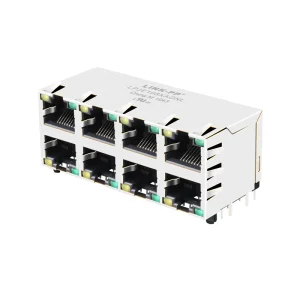
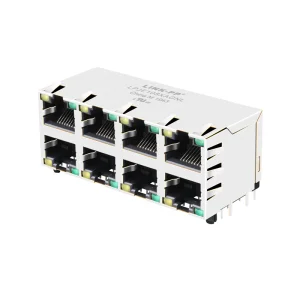
Modern data centers utilize multi-port 2x4, 2x6, and 2x8 RJ45 gang connectors without magnetics. Isolating electromagnetic components from physical modular interfaces simplifies PCB thermal cooling paths, permitting dense network configuration arrays.
Factory programmable logic controllers (PLCs), human-machine interfaces (HMIs), and fieldbus modules rely on isolated magnetic units built directly into their mainboards. Utilizing modular RJ45 female connectors without magnetics provides pure mechanical interface coupling, minimizing component footprint height.
Access gateways, wireless backhauls, and fiber termination networks require high signal-to-noise ratios. Removing standard integrated magnetics prevents magnetic field saturation and common-mode signal leakage over longer communication spans.
Engineers face critical challenges when choosing between integrated magnetics (MagJacks) and raw mechanical RJ45 modular jacks. Understanding the electro-mechanical compromises is imperative for maximizing reliability in industrial networking environments.
| Feature Comparison | RJ45 With Magnetics (MagJack) | RJ45 Without Magnetics |
|---|---|---|
| Layout Flexibility | Fixed interior configuration; limited layout options. | High; allows tailored external filter placement on board. |
| Thermal Profile | Poor dissipation in dense 2x8 port multi-row designs. | Excellent; thermal loads are spread out over the mainboard. |
| Procurement Simplicity | Requires strict matching with specific transceiver chip models. | Universal footprint; independent of PHY chip specifications. |
| Component Unit Cost | Higher initial cost due to internal hand-wound coils. | Highly economical; optimized for automated high-volume production. |
Additionally, crosstalk isolation is significantly easier to control when decoupling the PHY and magnetics from the physical port. In multi-channel Ethernet setups, electromagnetic field leakage between internal channels inside a MagJack housing can lead to high bit-error rates. Using isolated discrete magnetic elements positioned systematically on the PCB, combined with robustly shielded non-magnetic RJ45 jacks, provides the maximum line shielding and crosstalk mitigation required for high-performance networks.
When selecting a non-magnetic RJ45 female connector for high-speed Ethernet (1Gbps or higher), prioritize connectors with full-surround nickel-plated copper alloy shielding. This configuration prevents high-frequency electromagnetic interference (EMI) radiating from neighboring components, ensuring superior signal integrity.
We address the critical technical concerns of hardware designers and procurement agents.
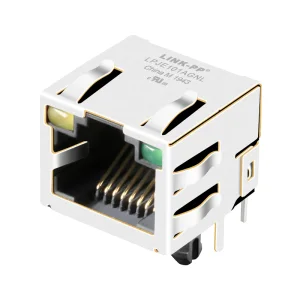
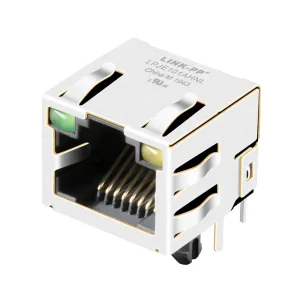
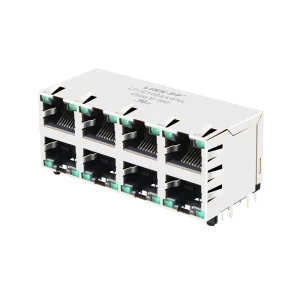
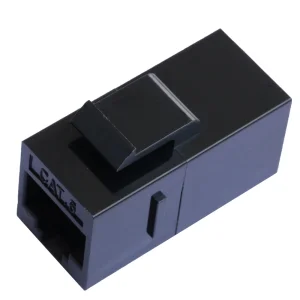
Select from our widely deployed range of multi-port, single-port, and keystone-integrated non-magnetic modular connectors.
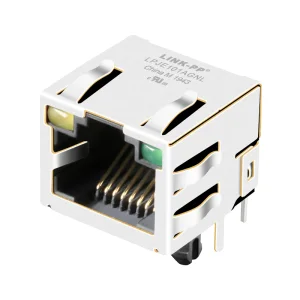
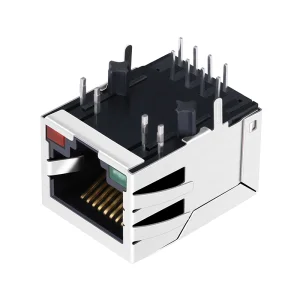
A glimpse inside our production facility and quality control laboratory verifying optical transceivers and modular connectivity hardware.