 Xelivor
Xelivor
Xelivor
In the evolving landscape of networking technology, the QSFP28 transceiver plays a pivotal role in enhancing data transmission efficiency. Leading industry expert Dr. Emily Chen emphasizes, "The QSFP28 transceiver is more than just a tool; it transforms how we manage bandwidth." With the demand for high-speed networks increasing, this transceiver stands out due to its capacity to support data rates up to 100 Gbps, making it essential for modern data centers and enterprise environments.
As businesses strive for seamless connectivity, understanding the implications of adopting QSFP28 technology is crucial. The transceiver not only propels speed but also ensures reliability in data transmission. However, despite its advantages, some organizations may overlook the specific requirements for integration. It's important to consider compatibility with existing infrastructure. Without proper assessment, buyers might face challenges that could impact performance and investment.
Moreover, the QSFP28 transceiver's design is focused on high-density applications. Buyers must reflect on their actual needs versus potential over-specification. It's tempting to go for the latest technology, but practical applicability should drive decisions. Choosing wisely can lead to a robust network setup that meets future demands while remaining cost-effective. Thus, recognizing the true value of the QSFP28 transceiver is essential for informed purchasing decisions in today's dynamic market.
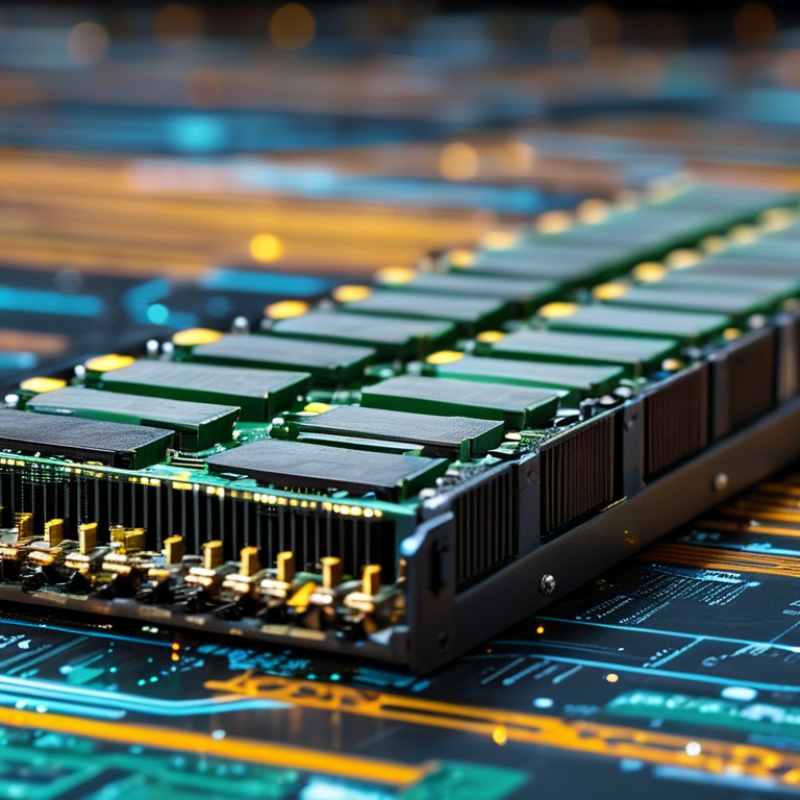
The QSFP28 transceiver is a pivotal component in modern networking, enabling high-speed data transfer. Operating at 100 Gbps, it supports various standards such as Ethernet and InfiniBand. This capability aligns with the growing demand for bandwidth in data centers, which, according to a report by Dell’Oro Group, is expected to surpass 30% annually until 2026. The QSFP28’s compact design allows up to four channels in a single unit, making it ideal for space-constrained settings.
Moreover, the role of QSFP28 is crucial as organizations shift towards cloud computing and virtualization. The International Data Corporation (IDC) forecasts that cloud IT infrastructure spending will reach nearly $100 billion by 2023. This growth indicates a rising reliance on robust network solutions. However, transitioning to high-speed connections is not without challenges. Buyers must consider factors like compatibility and heat management. Ensuring these transceivers fit seamlessly into existing systems requires careful planning. The shift to 100G technology could also strain legacy equipment, leading to potential inefficiencies.
Investing in a QSFP28 transceiver represents a significant commitment. While the benefits are clear, the transition could reveal obstacles that require thoughtful reflection. As networks evolve, buyers must weigh the immediate performance gains against the long-term adaptability of their infrastructure. Overall, the QSFP28 is essential for businesses aiming to stay competitive in an increasingly data-driven world.
| Feature | Description | Importance |
|---|---|---|
| Data Rate | Supports data rates of 100 Gbps | High speed for modern data centers |
| Form Factor | Compact, hot-swappable module | Space-saving and easy to replace |
| Application | Used in high-performance networking | Essential for backbone connections |
| Compatibility | Works with various networking equipment | Ensures versatility in deployments |
| Power Consumption | Typically consumes around 3.5W | Efficient energy use for large networks |
| Distance | Can support distances up to 100m | Ideal for short to medium-range applications |
| Connector Type | MTP/MPO connectors, LC options available | Flexibility in installation |
: QSFP28 transceivers support data rates of up to 100 Gbps.
They typically operate over distances up to 100 meters using multimode fiber.
Their operating wavelengths are generally 850 nm or 1310 nm, depending on the model.
Power consumption usually ranges from 2 to 4 watts, affecting energy efficiency.
Yes, compatibility is crucial. Different brands may not work seamlessly together.
Buyers should reflect on long-term performance and compatibility, not just the upfront cost.
Incorrect module selection causes approximately 30% of network failures, highlighting the need for care.
Yes, the technology is rapidly evolving, and staying informed can help make better choices.
Yes, prioritizing short-term savings may lead to long-term reliability issues down the road.
A lack of research before purchasing can lead to mismatched performance and compatibility issues.
The QSFP28 transceiver is a crucial component in modern networking, providing high-speed connectivity essential for data centers and network operators. It supports 100 Gbps data rates, making it suitable for bandwidth-intensive applications. The technical specifications of QSFP28 transceivers reveal important metrics, including reach, power consumption, and form factors, which are vital for optimizing network performance.
Comparatively, the QSFP28 outperforms several older transceiver models, demonstrating superior efficiency and capability, which is reflected in the growing market demand for this technology. Buyers must consider key factors when selecting a QSFP28 module, such as compatibility, placement in network architecture, and future scalability. Understanding these elements ensures that investments in QSFP28 transceivers meet both current needs and future demands in an increasingly data-driven world.
