In today's fast-paced digital landscape, the demand for high-speed connectivity has never been greater. The QSFP56 transceiver, known for its advanced data transmission capabilities, is essential for meeting these challenges. As tech expert Dr. Emily Chen notes, “The QSFP56 transceiver bridges the gap in bandwidth, ensuring that modern networks operate seamlessly.”
These transceivers support high-speed data rates of up to 400 Gbps, making them crucial for data centers and network infrastructures. Their compact design allows for greater density, which is vital as data traffic continues to expand. However, not all organizations fully leverage their potential. Many still rely on older models, missing out on enhanced performance and reliability.
The importance of the QSFP56 transceiver cannot be overlooked. As industries push toward greater efficiency, this technology plays a pivotal role in facilitating communication. Understanding its capabilities and investing in this transceiver can lead to significant advancements in overall network performance. Yet, some challenges remain in implementation and integration, necessitating ongoing evaluation and education in this rapidly evolving field.
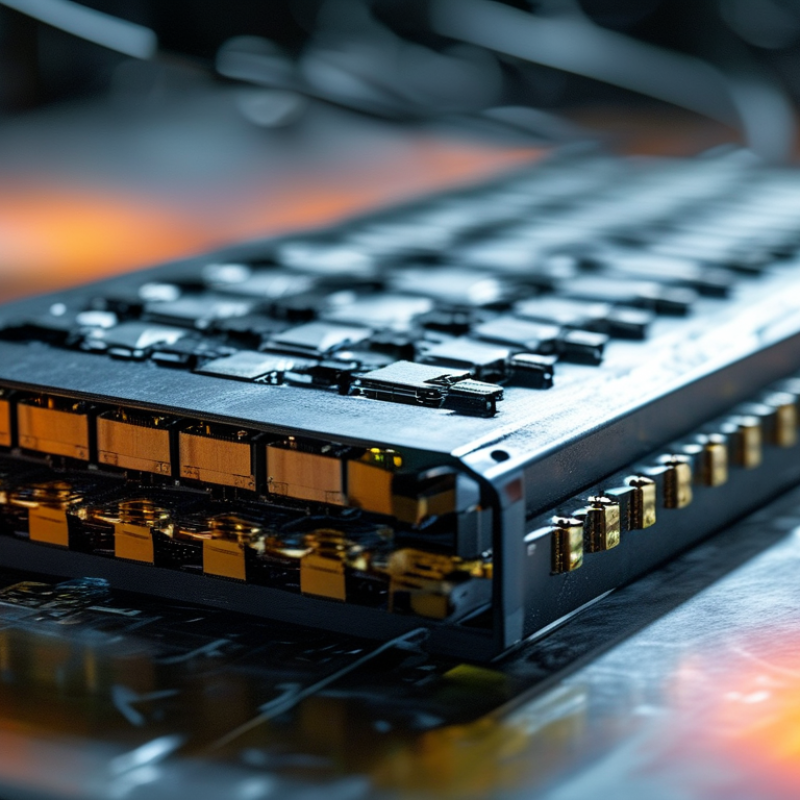
Understanding QSFP56 Transceiver: An Overview of Its Functionality
The QSFP56 transceiver is a vital component in modern data communication. It supports 200G data rates and is essential for achieving high bandwidth in data centers. This device enhances data transmission through its advanced optical technology, which ensures minimal signal loss. According to industry reports, the market for high-speed transceivers is expected to grow by over 20% annually, showcasing the demand for efficient data transfer.
Understanding its functionality is crucial. QSFP56 utilizes a compact design that allows for more ports in a limited space. It connects switches and routers directly to servers, improving overall network efficiency. Additionally, its ability to support both single-mode and multi-mode fiber greatly increases adaptability. However, deploying QSFP56 requires compatibility checks with existing hardware infrastructure.
Tips: Always review your network layout before investing in new transceivers. Choose models that match your specific needs. Not every solution is suitable for all environments, so careful planning is essential. Investing in training for your network team can also yield substantial benefits. Understanding technology deeply reduces operational risks associated with new deployments.
Key Features of QSFP56 Transceiver: Why It Stands Out in Connectivity
The QSFP56 transceiver is a crucial component in modern high-speed data networks.
It supports a data rate of up to 400 Gbps. This allows for efficient data transfer in data centers.
As organizations increasingly rely on cloud computing and big data, the demand for faster connectivity is rising.
According to recent industry reports, the global demand for high-speed transceivers is expected to grow by over 15% annually.
Key features of the QSFP56 include its compact design and versatility.
With four lanes of 100 Gbps each, it maximizes bandwidth while minimizing space.
This compactness allows for more efficient use of rack space. Moreover, the QSFP56 supports various applications, from data center interconnections to telecommunications.
Its ability to handle high data rates has made it a popular choice among network architects.
However, using QSFP56 technology is not without its challenges.
Compatibility issues can arise when integrating older infrastructure with newer technology.
Additionally, ensuring optimal heat dissipation is essential to maintain performance.
These factors require careful planning and execution during deployment.
Network operators must stay updated on the evolving standards to fully leverage the benefits of QSFP56 transceivers.
Applications of QSFP56 Transceiver in Modern Network Infrastructure
The QSFP56 transceiver is a key component in modern networking. It supports 200G Ethernet, boosting data transfer rates in data centers. With the rise of cloud computing and big data, efficient data transmission is crucial. QSFP56 plays a significant role in these advancements.
Applications of QSFP56 are evident in high-performance computing and enterprise networks. A recent report from the International Data Corporation (IDC) stated that the demand for high-speed networks is projected to grow by 30% annually. This surge pushes the need for QSFP56 transceivers, which handle heavy workloads seamlessly.
Tips: Ensure your infrastructure can accommodate the increased bandwidth. Consider network architecture and switch compatibility when integrating QSFP56. Open standards play a vital role in interoperability.
Data centers require energy efficiency. QSFP56 transceivers minimize power consumption while delivering higher speeds. However, the transition may involve challenges. Retrofitting existing systems can lead to unexpected costs. It's essential to weigh potential benefits against these risks.
Bandwidth Utilization of Different Transceivers
Comparative Analysis: QSFP56 versus Other Transceiver Technologies
The QSFP56 transceiver represents a significant leap in optical communication technology. Supporting Ethernet speeds of up to 400 Gbps, it stands out against traditional transceivers like QSFP28, which only offer 100 Gbps. According to a report from the International Data Corporation (IDC), the demand for higher bandwidth is growing, with projections indicating a compound annual growth rate of 30% in data center traffic over the next five years. As networks evolve, the efficiency of data transmission becomes crucial.
When comparing QSFP56 to other technologies, one notices distinct advantages. For instance, while SFP28 supports 25 Gbps, the QSFP56 enables multiple channels. This allows for better scalability. A study from the Optical Internetworking Forum (OIF) indicates that transceivers like QSFP56 can effectively reduce power consumption per bit transmitted, making them more sustainable. Network architects face challenges in optimizing performance and energy efficiency. This underscores the necessity of embracing advanced transceivers.
However, implementing QSFP56 isn't without hurdles. Cable management and compatibility with existing infrastructure can present issues. It's essential for organizations to assess their current setups and future needs. As the landscape of optical technology changes, understanding these aspects boosts decision-making. The QSFP56 transceiver, with its impressive capabilities, plays a vital role in shaping the future of data communication.
Future Trends: The Role of QSFP56 in Next-Gen Networking Solutions
The QSFP56 transceiver has emerged as a key component in next-generation networking solutions. Supporting 200G data rates, it paves the way for more efficient data transfer. This high-performance module significantly reduces latency, a critical factor in cloud computing and data centers. As demand for bandwidth rises, the role of QSFP56 becomes increasingly vital.
Looking toward the future, QSFP56 technology is likely to enable innovations in various industries. From AI workloads to 5G infrastructures, the need for high-speed interconnects is paramount. However, the rapid advancement also poses challenges. Not all existing systems can support these new transceivers. Organizations must evaluate infrastructure and consider upgrading.
Moreover, the implementation of QSFP56 creates complexities. Network engineers face the task of integrating new equipment without disrupting existing services. While the advantages are compelling, a thoughtful approach is essential. Balancing speed with reliability will define the next wave of networking advancements.
FAQS
: The QSFP56 transceiver supports high-speed data transfer, achieving rates of 200G to enhance communication efficiency.
Unlike older models like QSFP28, QSFP56 can support up to 400 Gbps, allowing for greater scalability.
QSFP56 is compatible with both single-mode and multi-mode fiber, enhancing versatility in network design.
Organizations should ensure compatibility with existing hardware and assess their network layout before making investments.
A deeper understanding reduces operational risks and enhances decision-making for new technology deployments.
Cable management and integration with current systems can pose significant challenges during deployment.
QSFP56 technology can lower power consumption per transmitted bit, contributing to more sustainable network solutions.
Industries like AI and 5G infrastructure will likely utilize QSFP56 for its high-speed interconnect capabilities.
QSFP56 significantly reduces latency, which is crucial for efficient cloud computing and data center operations.
A thoughtful approach is essential, balancing speed and reliability to avoid disrupting existing services during integration.
Conclusion
The QSFP56 transceiver is a cutting-edge solution designed for high-speed data transmission in modern network infrastructures. This transceiver supports up to 400Gbps bandwidth, enabling efficient connectivity for a range of applications, including data centers and enterprise networks. Key features that distinguish the QSFP56 transceiver include its compact form factor, compatibility with existing equipment, and support for various protocols, making it an essential component in advancing network performance.
In a comparative analysis, the QSFP56 transceiver shows significant advantages over other transceiver technologies in terms of speed, efficiency, and scalability. As we look toward the future, the role of the QSFP56 transceiver will likely expand, paving the way for next-gen networking solutions that cater to increasing data demands and evolving technological landscapes. Its relevance in driving high-capacity networking makes it an integral part of the infrastructure that supports today's digital ecosystem.
 Xelivor
