Xelivor
In the rapidly evolving world of telecommunications, the demand for faster and more efficient data transmission is paramount. As experts in the industry reveal, "The future of networking lies in high-capacity optical solutions." Renowned expert Dr. Alex Thompson emphasizes the importance of 200G optical transceivers in meeting this challenge.
200G optical transceivers deliver unmatched speed and bandwidth. They are crucial for supporting the growing needs of global data centers and service providers. These devices facilitate seamless communication over long distances, enhancing performance in various applications. Their ability to transmit data at high rates makes them indispensable in today's digital landscape.
However, buyers face challenges when selecting from the myriad of options available. It's essential to consider factors like compatibility, reliability, and brand reputation. Understanding these elements can help buyers make informed decisions. Ultimately, the right choice can significantly impact network efficiency and operational costs.
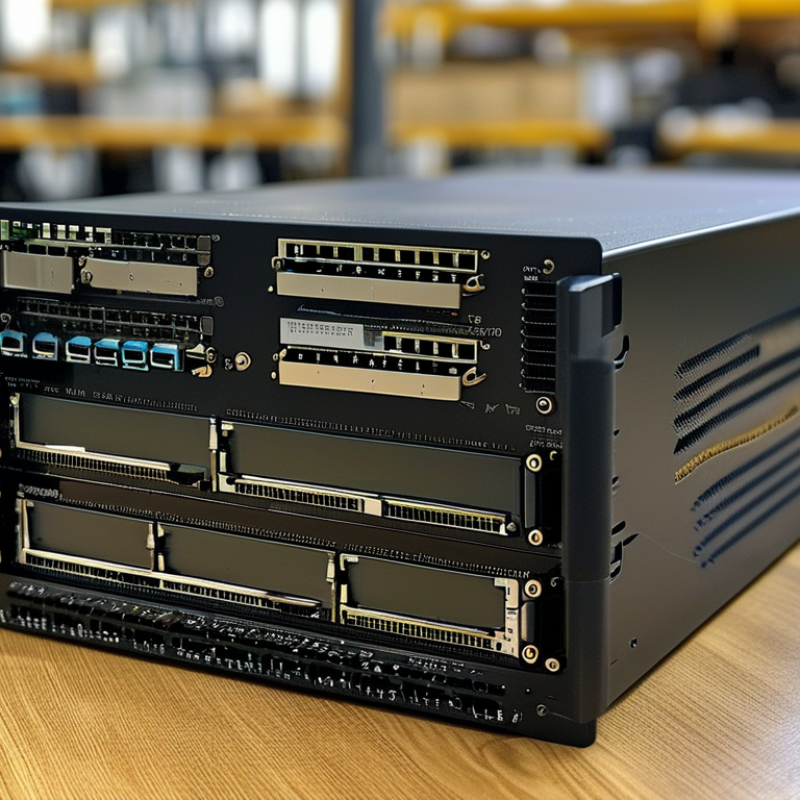
200G optical transceivers play a critical role in modern networking. These devices enable high-speed data transfer across various distances. Understanding their construction can help buyers make informed choices. Typically, the transceivers integrate components like lasers, photodetectors, and optical fibers. The design often varies based on application needs.
In terms of performance, key factors include distance and data rate. Some transceivers excel in long-range applications, while others focus on short connections. Reliability and cooling solutions are also crucial. The market has numerous options, yet not all meet stringent industry standards. Buyers should weigh the pros and cons carefully.
A sound understanding of specifications is essential. Potential complexities can arise during integration. For instance, compatibility issues may surface between different network setups. Regular updates in technology make it hard for users to stay informed. It’s advisable to invest time in research. Being aware of the evolving landscape can significantly impact long-term network efficiency.
This chart illustrates the performance capabilities of the top 10 200G optical transceivers, showcasing their respective data rates measured in Gbps.
When selecting 200G optical transceivers, understanding key features and specifications becomes essential. These components play a crucial role in high-speed data transmission. A leading feature includes the modulation format, which affects the performance and efficiency of data transfer. Common formats like 200G PAM4 are widely adopted for their high data rates.
Another vital specification is the range capability. Transceivers can vary significantly, with some supporting distances exceeding 80 kilometers. This is especially important for data centers needing extensive connectivity. Additionally, compatibility with existing infrastructure is a consideration. Transceivers must seamlessly integrate with current systems to be truly effective.
Temperature tolerance is also a factor to ponder. Most transceivers operate well in standard environments. However, extreme temperatures can reduce performance. Users should recognize potential limitations. They may face issues like signal degradation in less than ideal conditions. Choosing a product that meets specific environmental requirements ensures optimal performance.
The market for 200G optical transceivers has evolved significantly. This growth stems from increasing data consumption and the need for faster communication networks. As the demand escalates, several companies have emerged as leaders in this technology. They have mastered the innovation in optical connectivity. Innovative approaches enhance data transfer rates and reliability.
Key players focus on developing transceivers that ensure high performance and low power consumption. Features like compact size and advanced heat management are crucial. However, even top brands face challenges. Variability in manufacturing quality can affect reliability. Some solutions may not perform optimally in extreme environments. Users need to weigh these factors when choosing a transceiver.
The ongoing evolution in optical technology presents both opportunities and obstacles. The transition to 200G solutions can be daunting for network planners. Cost-effectiveness remains a concern. Establishing a balance between performance and budget is critical. Companies continue to refine their products, yet no solution is perfect. The quest for the ideal 200G transceiver is a continuous journey.
In recent years, the demand for high-speed optical networking has surged. According to a recent report by the International Data Corporation (IDC), the global optical transceiver market is expected to reach $8 billion by 2025. Among these, 200G optical transceivers are gaining traction due to their ability to support data-intensive applications. Evaluating their performance metrics is crucial for buyers navigating this growing market.
Latency is a key metric in assessing 200G optical transceivers. Studies reveal that advanced models can achieve latencies as low as 9 microseconds, which is critical in high-frequency trading environments. Power consumption is another significant factor, with leading transceivers consuming around 5-10W per optical channel. Buyers should also consider transmission distance. Some transceivers can efficiently work over distances of up to 100 kilometers without losing signal integrity. The need for reliability is evident, as failures can lead to costly downtimes.
However, some aspects remain vulnerable. Buyers often struggle with varying specifications and compatibility issues. The rapid advancement in technology makes it challenging to select a suitable transceiver. Failing to keep up with evolving standards can lead to suboptimal performance. Understanding these metrics not only enhances informed decision-making but also supports infrastructure longevity.
When selecting a 200G optical transceiver, understanding your needs is crucial. Consider factors like transmission distance, power consumption, and compatibility with existing network infrastructure. According to industry reports, over 60% of data centers anticipate increased demand for higher bandwidth solutions. This growth reflects the need for efficient data transmission as services expand globally.
Look for transceivers that support the latest protocols. The Optical Internetworking Forum (OIF) states that transceivers compliant with the latest standards offer improved interoperability and enhanced performance. Testing your system with various vendors is essential. Not all equipment performs equally, which can lead to connectivity issues or underutilized bandwidth.
Pricing also varies significantly in this market. Some options may seem appealing due to lower costs. However, evaluating the long-term reliability and support options is key. Is it worth sacrificing quality for price? Many buyers report regret when they overlook this aspect. Data from recent market analysis reveals that over 30% of buyers faced unforeseen expenses due to inadequate system integration or compatibility challenges.
: They are devices that enable high-speed data transfer over various distances in modern networking.
They help buyers evaluate options, ensuring choices meet their network needs effectively.
Latency is crucial, especially in high-speed environments where lower latency benefits operations.
Some transceivers maintain integrity over up to 100 kilometers, which is vital for long-range applications.
Reliability is affected by cooling solutions and quality of components used in construction.
Compatibility issues and varying specifications can complicate selection in a rapidly changing market.
Investing time in research and following technology updates can improve decision-making for transceivers.
Overlooking evolving standards can lead to suboptimal performance and costly downtimes.
A sound understanding of specifications and performance metrics can significantly enhance long-term efficiency.
No, buyers must weigh pros and cons, as not all options meet strict industry standards.
The article "Top 10 200G Optical Transceivers for Global Buyers" provides a thorough overview of 200G optical transceivers, highlighting their essential features and specifications. It delves into the key aspects that define these high-speed devices, which are crucial for modern data centers and telecommunications. Market leaders are analyzed, showcasing the competitive landscape and performance metrics that distinguish the best 200G optical transceivers available today.
Furthermore, the article offers a comprehensive buying guide aimed at global buyers, assisting them in selecting the right 200G optical transceiver for their specific needs. By presenting a detailed comparison of the performance metrics of leading options, it equips readers with the necessary insights to make informed decisions in a rapidly evolving market. Whether for enterprises or service providers, understanding the functionalities and advantages of 200G optical transceivers is essential for optimizing network performance and efficiency.
