Xelivor Xelivor

2026 Top SFP+ Transceiver Options for Global Buyers?

Time:2026-07-02 Author:Charlotte
0%

In the evolving world of networking, SFP+ transceivers have become essential. They support high-speed data transmission, enabling seamless communication across various sectors. Industry expert James Carter states, “The quality of an SFP+ transceiver can significantly influence network performance.”

Choosing the right SFP+ transceiver can be tricky. A plethora of options exists in the market, each catering to different needs. Buyers must consider compatibility, speed, and overall reliability. Some products certainly shine, while others leave room for improvement.

Frequent changes in technology also challenge buyers. Innovations can render previous models obsolete. As we move toward 2026, staying informed is vital. The landscape is shifting rapidly, and selecting the best SFP+ transceiver requires diligence and careful thought. Without proper research, one may overlook critical factors affecting performance.
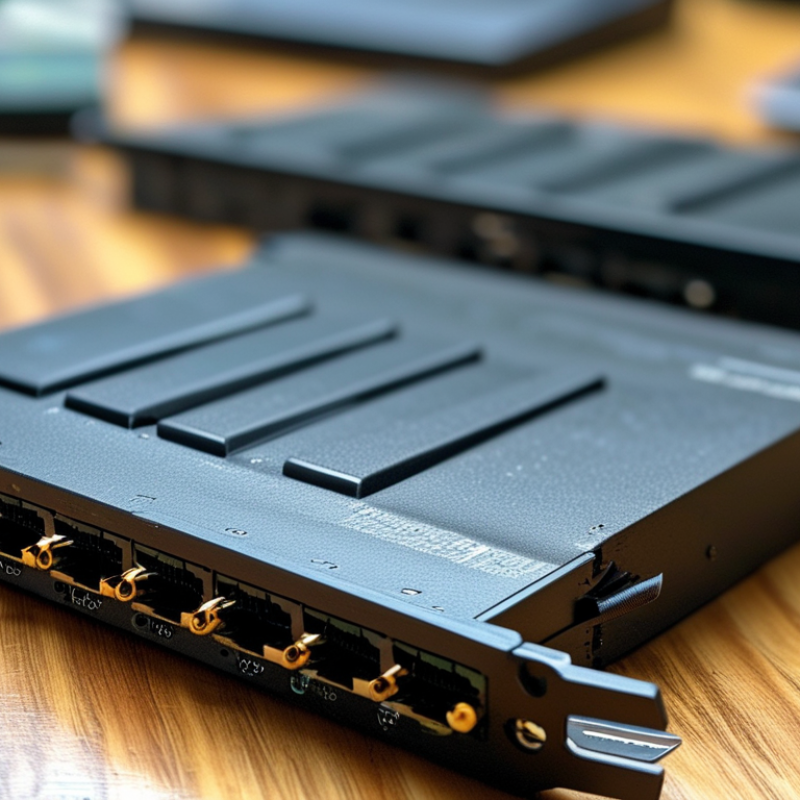
2026 Top SFP+ Transceiver Options for Global Buyers?

2026 SFP+ Transceiver Overview and Market Trends

The SFP+ transceiver market is undergoing significant changes as we approach 2026. Demand for high-speed connectivity is driving innovations. According to a recent industry report, the global SFP+ market is projected to grow at a CAGR of 8.5% between 2021 and 2026. This growth is attributed to the increasing need for data centers and cloud services.

Trends show a shift towards more efficient, higher-capacity transceivers. Many organizations are seeking to optimize their network infrastructures. The rise of 5G technology and IoT devices further fuels this demand. More businesses are adopting SFP+ transceivers due to their cost-effectiveness and versatility. Challenges remain, such as compatibility and interoperability issues among devices. These factors require ongoing evaluation.

Regional markets display different preferences. North America leads in adoption, while Asia-Pacific shows rapid growth. Companies need to adapt their strategies accordingly. As the market evolves, staying informed is crucial. Understanding these trends can help buyers make better decisions in a competitive landscape.

Key Features to Consider When Choosing SFP+ Transceivers

When selecting SFP+ transceivers, it’s essential to focus on key features. The data rate is crucial. Most SFP+ modules support up to 10 Gbps. This capacity ensures that modern networks can handle heavy data loads. However, potential buyers should evaluate their specific needs. Not every application requires such speed, and over-specifying can lead to unnecessary costs.

Another important feature is compatibility with existing network devices. SFP+ transceivers should integrate seamlessly with your switches and routers. A mismatch can cause networks to underperform. It’s wise to check the compatibility lists or consult manuals. The media type is also significant. Fiber and copper modules serve different purposes and environments. Fiber optics offer greater distances, while copper is suitable for short-range connections.

Finally, consider the power consumption. Power efficiency is vital in data centers. Lower power usage reduces operating costs in the long run. Additionally, reflect on the warranty offered. A solid warranty indicates manufacturer confidence and can save expenses later. Customers should seek transceivers that strike a balance between performance and reliability. Every feature matters, yet the right choice may not be obvious at first glance. Take the time to evaluate all options carefully.

2026 Top SFP+ Transceiver Options Analysis

This chart showcases the performance metrics of top SFP+ transceiver options based on key features such as data rate, reach, and consumption. The data represents a comparative analysis of the features of various transceivers relevant for global buyers in 2026.

Top Manufacturers of SFP+ Transceivers in 2026

In 2026, the demand for SFP+ transceivers continues to grow. Data centers and telecom operators are seeking reliable solutions to enhance network performance. The market is estimated to reach around $1.5 billion, according to industry reports. High-speed data transmission is a priority, and manufacturers must innovate to meet these needs.

Leading companies in the SFP+ transceiver market focus on quality and efficiency. A recent analysis shows that 30% of buyers prioritize energy efficiency. This trend reflects a larger concern for sustainable technology solutions. However, some manufacturers struggle to keep pace with rapid advancements. Compliance with emerging standards poses challenges for many.

Quality assurance remains crucial in choosing vendors. Research indicates that only 20% of transceivers pass rigorous testing. Buyers are encouraged to ask for performance metrics to ensure reliability. This scrutiny demonstrates the need for more robust quality control in the industry. While several manufacturers excel, inconsistencies in product quality highlight the ongoing need for improvement.

Comparative Analysis of Pricing for SFP+ Transceivers Globally

When analyzing the pricing of SFP+ transceivers globally, it's crucial to consider various factors. The cost can widely vary based on region, supplier, and even specific technical features. For instance, transceivers with higher data rates often have a steeper price tag. Many buyers might overlook the array of options available, focusing solely on the most recognizable names, which can lead to inflated costs.

However, not all pricier options guarantee better performance. Some lower-cost alternatives perform equally well in specific applications. This discrepancy often requires careful evaluation. Buyers may find themselves questioning the balance between budget and quality. Taking the time to assess different manufacturers, specifications, and market trends can lead to more informed purchasing decisions. It’s not just the price, but the associated performance based on actual needs that matters.

The global market also influences pricing strategies. Fluctuations in currency values can affect costs significantly. Some buyers may notice that similar products have different price points in various regions. Understanding these nuances is essential to navigating the market effectively. The quest for the best SFP+ transceiver involves a mix of research, price comparison, and a willingness to explore beyond conventional choices.

Future Developments and Innovations in SFP+ Technology

The SFP+ (Small Form-factor Pluggable Plus) technology continues to evolve, enhancing data transmission capabilities. As we approach 2026, trends indicate a focus on higher bandwidths and energy efficiency. Innovations are shifting towards multi-rate capabilities, allowing a single transceiver to adapt to varying speeds. This versatility can significantly lower costs for businesses.

Buying an SFP+ transceiver? Here’s a tip: consider compatibility with existing equipment. Always check specifications to ensure seamless integration. Also, look out for advancements in heat dissipation mechanisms. With more efficient thermal management, devices can run longer without overheating.

Another trend is enhanced signal integrity. Expect technologies that reduce signal loss and improve data integrity over longer distances. This is vital for applications requiring reliable connections. It may also reflect the growing demand for high-density data centers. Choosing a reliable supplier is essential in understanding these developments. Quality assurance can often be a reflection of trust in these evolving solutions.

FAQS

: What should I focus on when selecting SFP+ transceivers?

: Focus on data rate, compatibility, media type, power consumption, and warranty. Each feature impacts performance.

Why is data rate important for SFP+ transceivers?

A higher data rate allows networks to handle more data. However, not all applications need the maximum speed.

How can I ensure compatibility with my existing devices?

Check compatibility lists or consult manuals. Mismatched transceivers can lead to network performance issues.

What types of media do SFP+ transceivers use?

SFP+ transceivers work with fiber optics and copper media. Fiber is better for long distances, while copper works for shorter ranges.

Why is power consumption significant for SFP+ transceivers?

Lower power usage reduces operating costs over time. It’s essential for efficient data center management.

What percentage of transceivers pass quality tests?

Research shows only about 20% of transceivers pass rigorous quality testing. Be sure to ask for performance metrics.

What future trends are expected in SFP+ technology?

Expect higher bandwidths, multi-rate capabilities, and improved thermal management. These innovations will enhance overall performance.

Why should I consider warranty when buying SFP+ transceivers?

A solid warranty shows manufacturer confidence. It may save costs on replacements and repairs later.

How can advancements in signal integrity benefit my network?

Enhanced signal integrity reduces signal loss over distances. This is critical for applications needing reliable connections.

What should I reflect on when choosing a supplier for SFP+ transceivers?

Evaluate quality assurance practices. Trustworthy suppliers often demonstrate better quality control and reliability.

Conclusion

The article "2026 Top SFP+ Transceiver Options for Global Buyers" provides a comprehensive overview of the SFP+ transceiver market, highlighting key trends and advancements expected for the year. It discusses the essential features to consider when selecting SFP+ transceivers, such as compatibility, speed, and power requirements, ensuring that buyers are well-informed.

Additionally, the article outlines top manufacturers and offers a comparative analysis of global pricing, helping stakeholders make cost-effective decisions. As the SFP+ technology evolves, it also anticipates future developments and innovations, suggesting a dynamic landscape that promises improved performance and functionality for networking solutions in 2026. This summary captures the critical aspects necessary for understanding the current and future state of SFP+ transceivers, guiding global buyers in their procurement strategies.

Charlotte

Charlotte

Charlotte is a seasoned marketing professional with a deep understanding of the company's portfolio and a passion for elevating its presence in the market. With a keen eye for detail and a commitment to excellence, she ensures that our professional blog is regularly updated with insightful articles......