Xelivor
Xelivor
Xelivor
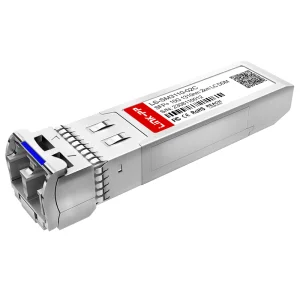
Explore our leading CE-certified optical communication products designed for carrier-grade stability and high signal fidelity.
An Architectural Guide to SFP Connector Interface Engineering, Signal Integrity, and Global Supply Optimization
In modern high-performance computing (HPC), 5G telecommunications infrastructure, and enterprise data center architectures, the hardware interface acts as the primary gatekeeper for data throughput. Small Form-Factor Pluggable (SFP) transceiver interfaces must bridge the gap between high-frequency optical signals and complex digital silicon. As speed requirements evolve from 1G and 10G up to 25G, 100G, and even 400G/800G form factors, ensuring mechanical tolerances, electrical continuity, and electromagnetic compatibility (EMC) is critical.
Xelivor Optoelectronics Co., Ltd. (established in 2016) has dedicated the last decade to refining these interconnect interfaces. Operating out of our specialized facility, we design, manufacture, and export premium SFP, SFP+, SFP28, QSFP28, QSFP-DD, and OSFP optical modules alongside their associated high-speed physical cages and connectors. Achieving over USD 12 million in annual export revenue, we actively support telecommunications operators, cloud service providers, and system integrators globally with CE-compliant and Multi-Source Agreement (MSA) standard hardware.
Under heavy mechanical strain, high thermal loads, and electrical noise, a subpar SFP cage or connector interface results in high Bit Error Rates (BER) and packet loss. Our CE-certified connector interfaces utilize specialized gold alloy plating (up to 50u") to guarantee low contact resistance and structural resilience over 1,000 insertion-extraction cycles.
Designing an SFP connector interface requires strict adherence to physical, electrical, and optical standards defined by SFF-8431, SFF-8472, and IEEE 802.3 rules. The key interfaces of a fiber connectivity solution include:
The global digital transformation demands high-volume, reliable hardware sourcing. Sourcing SFP connector interfaces from Xelivor's modern manufacturing facilities in China provides distinct strategic advantages:
We maintain long-term partnerships with over 850 raw material and component suppliers. This localized ecosystem guarantees immediate access to specialized plastics (LCP, PPS), precision metal stamping, and high-frequency optical chips, minimizing Lead times even during global shortages.
With an R&D force of 68 engineers, Xelivor behaves as a product incubator. We designed and introduced 85 new optical transceivers and connector variants last year alone, focusing on low power consumption, high-frequency signal transmission, and proprietary firmware customization.
Our quality assurance division relies on 32 full-time inspectors running automated testing. We perform eye-diagram analysis, bit-error rate testing (BERT), high-low temperature cycling tests, and live network switch interoperability verification across major switch brands (Cisco, Juniper, HPE, Huawei, Arista).
The networking ecosystem is undergoing a generational shift. As data centers migrate from 10G/40G architectures to 100G, 400G, and 800G infrastructures, several industry trends emerge:
Below is a comparative breakdown of the electrical and optical performance specs achieved across Xelivor's primary product ranges:
| Interface Form Factor | Standard Data Rate | Contact Plating Thickness | EMI Shielding Type | Typical Insertion Loss | Regulatory Certifications |
|---|---|---|---|---|---|
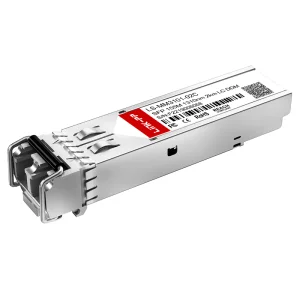
| SFP (Simplex/Duplex) | 1.25 Gbps / 2.5 Gbps | 30u" Gold over Nickel | Metal Shielding Fingers | < 0.25 dB | CE, RoHS, FCC, FDA class 1 |
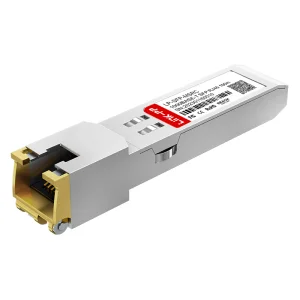
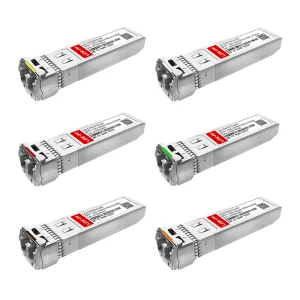
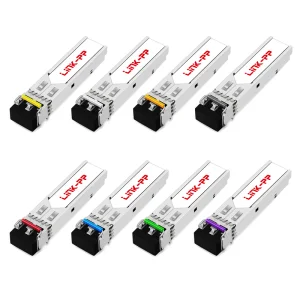
| SFP+ (10G Base-T / CWDM) | 10.3 Gbps - 11.3 Gbps | 50u" Gold over Nickel | Elastomeric Gasket / Metal Clip | < 0.35 dB | CE, RoHS, REACH |
| SFP28 / QSFP28 | 25 Gbps - 100 Gbps | 50u" Gold over Nickel | Conductive Elastomer | < 0.40 dB | CE, RoHS, FCC, MSA |
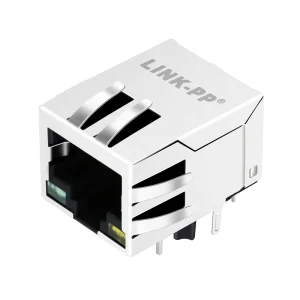
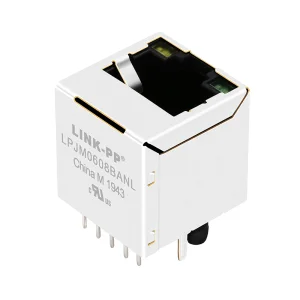
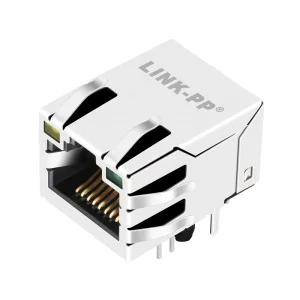
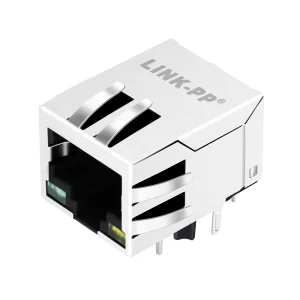
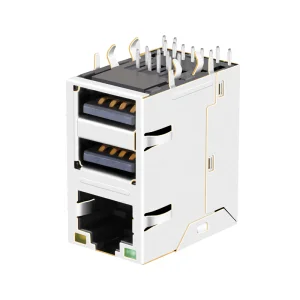
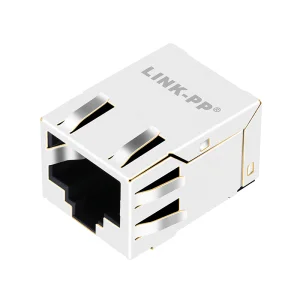
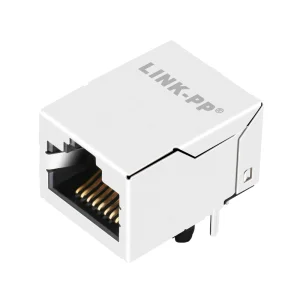
| RJ45 with LAN Transformer | 10/100/1000M & 2.5G | 15u" / 30u" Gold | Integrated Shielded Shell | < 1.0 dB (electrical) | CE, UL, RoHS |
Take a virtual look inside the Xelivor production facility, where precision engineering meets high-volume manufacturing capability.
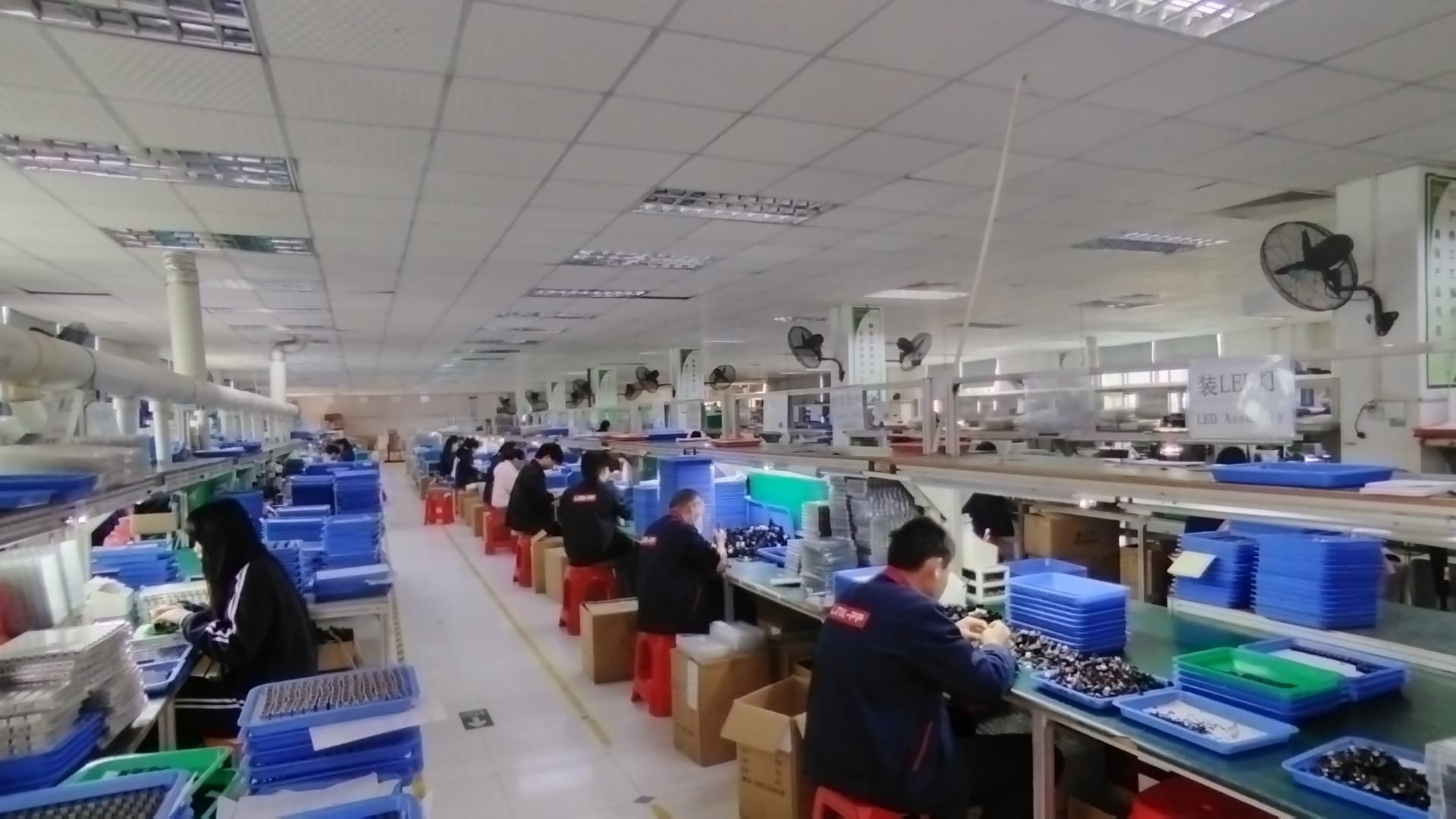

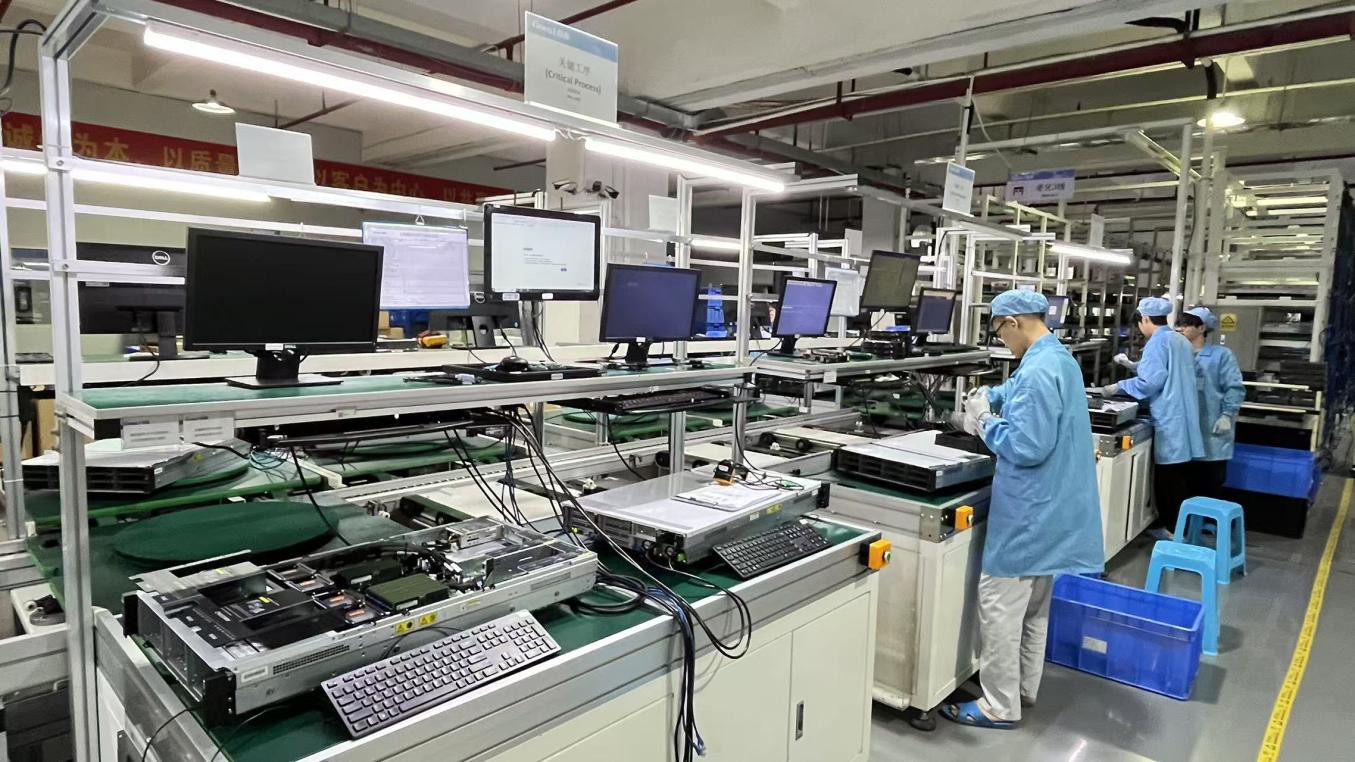
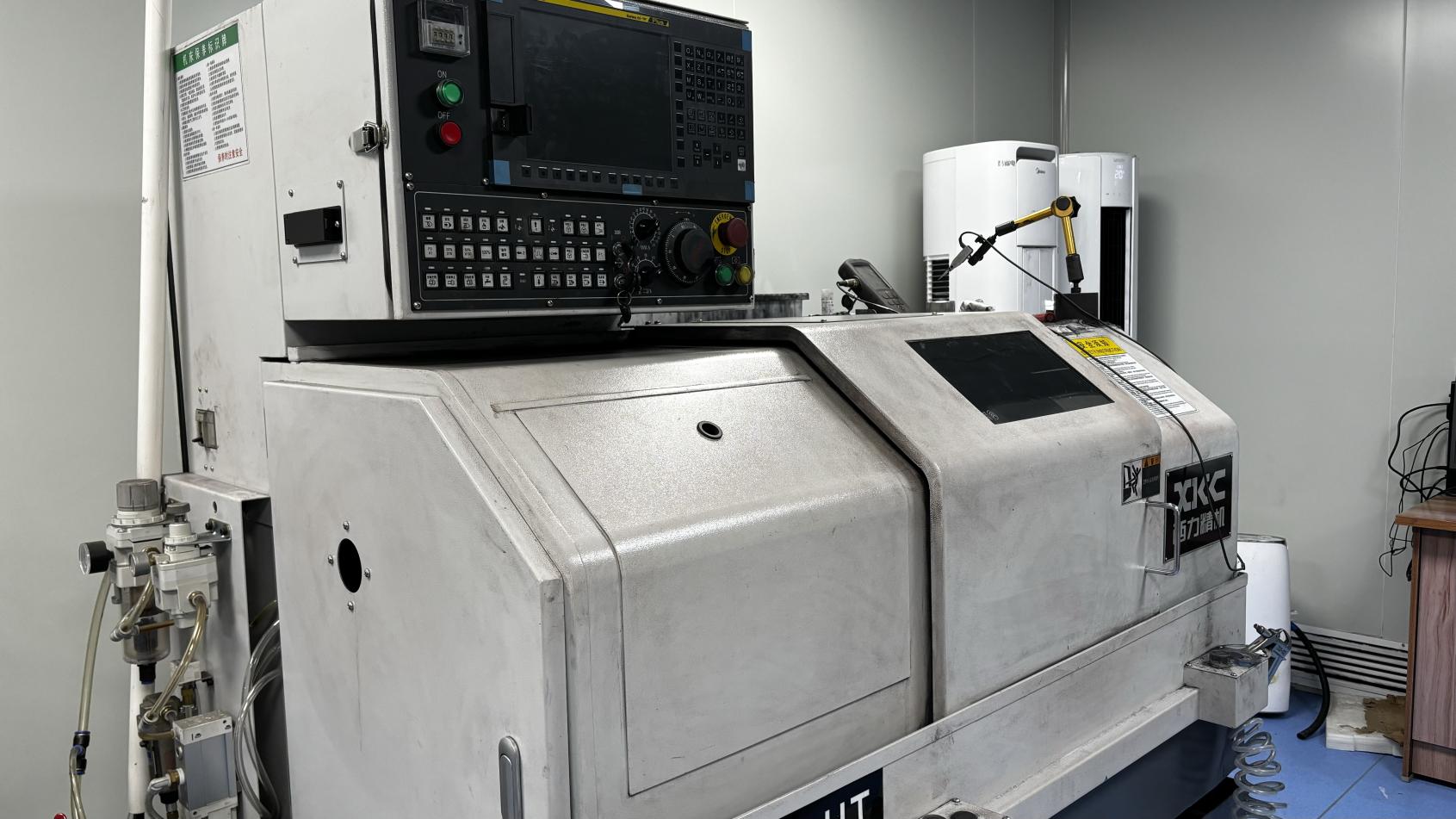
How Xelivor SFP interfaces solve physical connectivity challenges in complex, localized environments.
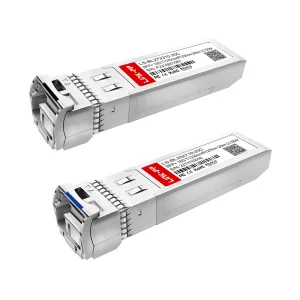
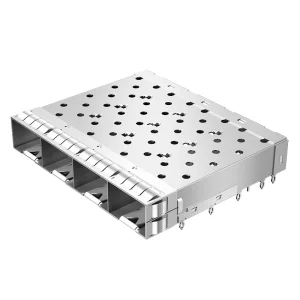
Modern data centers run thousands of optical links over high-speed networks. The reliability of SFP and QSFP interface cages directly dictates maintenance expenses and service downtime. Xelivor supplies high-density press-fit cages and ultra-low insertion loss CWDM/DWDM SFP+ modules that optimize rack layout, reduce power overhead, and support multi-vendor environments via custom firmware programming.
By complying with IEEE and MSA standards, our modules achieve 100% interoperability with switches from major network equipment manufacturers, lowering total cost of ownership (TCO).
Fronthaul optical networks operate in harsh environment scenarios, where remote radio heads (RRH) face extreme high-and-low temperature swings. Xelivor's industrial-grade SFP transceivers utilize hardened optical components and robust connector interfaces capable of operating in temperatures ranging from -40°C to +85°C.
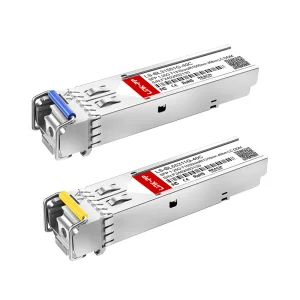
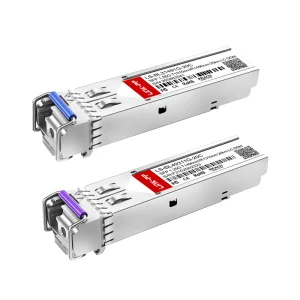
Additionally, our BiDi (Bidirectional) SFP solutions double fiber capacity by transmitting and receiving signals over a single strand of fiber, saving significant leasing and physical fiber infrastructure costs for mobile carriers.
Get answers to common technical, manufacturing, and procurement questions about SFP connector interfaces.
Explore our high-speed shielding cages, magnetic RJ45 connectors, and CWDM modules built for complex network installations.