Xelivor
Xelivor
Xelivor
Explore our high-performance optical interface modules, fiber connectors, and adapter systems designed for mission-critical network architectures.
Engineered performance metrics validating Xelivor’s market dominance and R&D commitment.
An in-depth analysis of high-density alignment sleeve engineering, insertion loss optimization, and global market demands.
An optical fiber adapter (sometimes referred to as a coupler) serves as a passive mechanical device engineered to align two fiber optic connectors with absolute precision. Within modern telecommunications structures, single-mode and multi-mode systems rely on these adapters to complete physical channels. Even minor alignment disparities can lead to critical signal degradation, which directly impacts network throughput and uptime.
As transmission speeds transition from 100G and 400G to 800G and 1.6T, optical loss tolerances have become significantly tighter. A standard LC or SC adapter must maintain a concentricity tolerance of less than 1 micron. In these environments, alignment sleeves made of high-grade zirconium dioxide (ceramic) are essential. They provide structural stability under varying temperatures and prevent wear over repeated connections, outperforming phosphor bronze alternatives in high-density applications.
The performance of an optical fiber adapter is characterized by two primary parameters: Insertion Loss (IL) and Return Loss (RL).
Optical networks must also withstand environmental changes. Connectors must operate reliably across a broad temperature range of -40°C to +85°C. Xelivor achieves this structural reliability by using Polyetherimide (PEI) and nickel-plated zinc alloys for adapter housings. These materials resist structural creeping and minimize deformation under mechanical tension.
The global demand for optical fiber adapters is driven by three main industries: hyperscale data centers, 5G/6G wireless networks, and FTTx (Fiber to the Home/Business) rollouts.
In hyperscale data centers, space optimization is a key concern. Traditional duplex LC adapters are increasingly being replaced by high-density options like CS, SN, and MDC adapters. These micro-optical interfaces allow for higher patch panel density, which supports the intensive cabling needs of AI cluster architectures (such as NVIDIA DGX and InfiniBand deployments).
For telecommunication providers, FTTx projects demand durability. In outside plant (OSP) cabinets, adapters are exposed to dust, moisture, and mechanical vibrations. Standard commercial adapters are prone to failure under these conditions. Xelivor addresses this by supplying hardened, IP67-rated adapters that protect the ceramic core from environmental hazards.
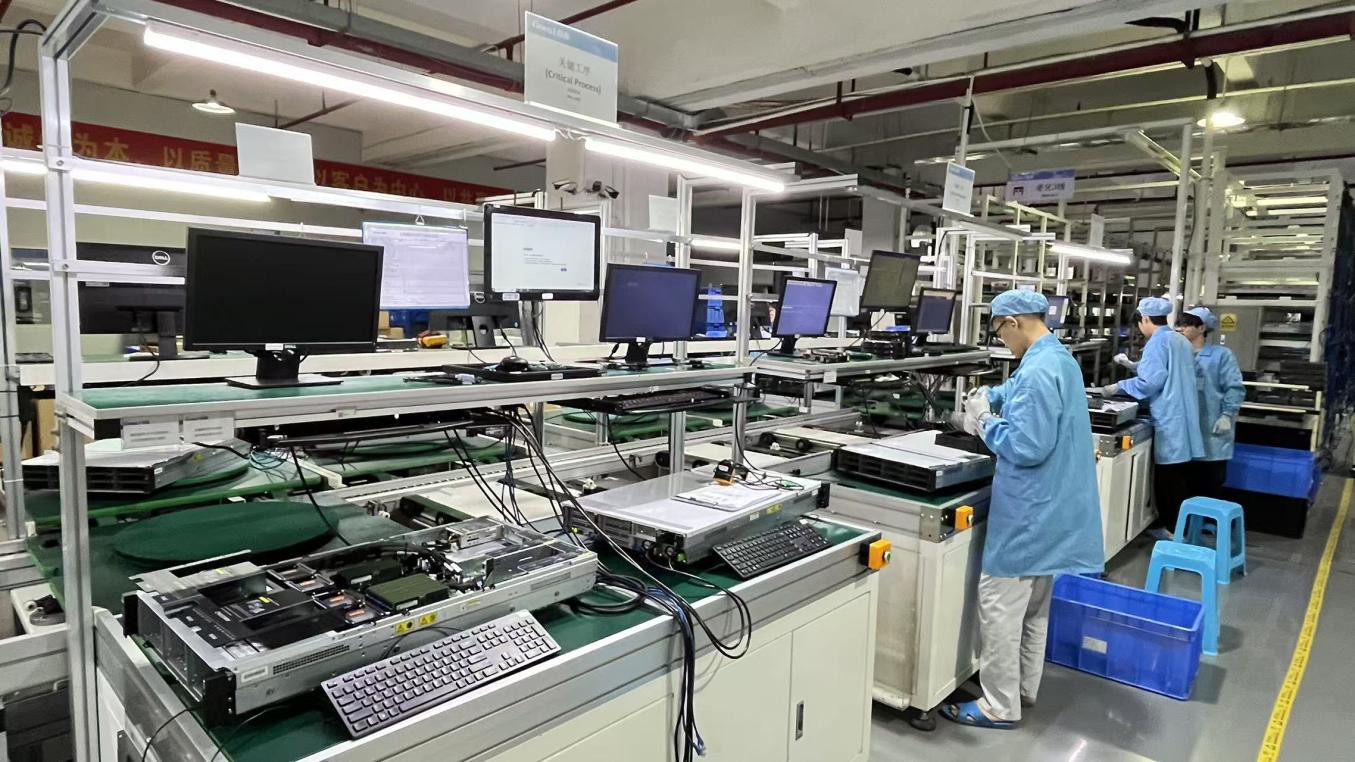
Xelivor Optoelectronics Co., Ltd. is a professional manufacturer of optical transceivers and fiber connectivity solutions, dedicated to serving global data center, telecom, enterprise network, and cloud computing industries. Established in 2016, the company operates from a modern manufacturing facility covering 386 m² and has built a strong reputation for delivering reliable, high-performance optical communication products worldwide.
With over 8 years of industry experience and 6 years of export experience, Xelivor has achieved annual export revenues exceeding USD 12 million. Our products are exported to customers across North America, Europe, Southeast Asia, the Middle East, and South America, supporting a wide range of networking applications from enterprise infrastructure to hyperscale data centers.
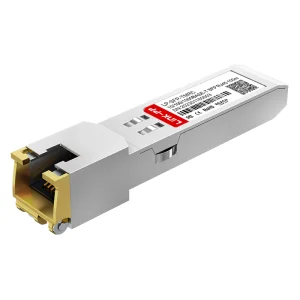
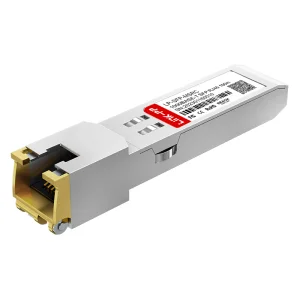
Xelivor specializes in the design, development, and production of optical transceivers, including SFP, SFP+, SFP28, QSFP28, QSFP-DD, OSFP, DAC, and AOC solutions. Backed by a dedicated R&D team of 68 engineers, the company continuously invests in innovation and launched more than 85 new products in the past year to meet the evolving demands of high-speed optical networks.
Quality is at the core of our operations. Our quality management system incorporates incoming material inspection, in-process quality control, aging tests, compatibility verification, optical parameter testing, and final product inspection. A professional quality assurance team of 32 inspectors ensures every product meets strict international standards before shipment.
The company maintains long-term cooperation with more than 850 supply chain partners, enabling stable sourcing, efficient production, and rapid delivery capabilities. Our flexible manufacturing system supports OEM, ODM, private label, customized firmware, customized labeling, and packaging services to satisfy diverse customer requirements.
The telecommunications industry is moving toward Co-Packaged Optics (CPO), which integrates silicon photonics engines directly with ASIC processors on a single substrate. This shift reduces trace lengths and minimizes electrical resistance, but it requires highly precise fiber connectivity interfaces.
Future optical adapters will need to support higher densities, transition from single-fiber to multi-core fibers (MCF), and feature automated alignment mechanisms. Additionally, high-density optical interfaces must include integrated shutters to protect technicians from high-power Class 4 lasers while keeping dust out of the optical path. Xelivor's engineering team is actively researching these auto-shutter technologies for SN and MPO systems, preparing for the upcoming generation of 1.6T networking hardware.
Why Tier-1 network integrators and telecom operators trust Xelivor for high-density deployments.
Zirconia alignment sleeves are polished using sub-micron diamond films, achieving concentricity tolerances < 0.8μm for minimum insertion loss.
Mechanically rated to withstand over 1,000 mating cycles without physical degradation or loss of alignment pressure.
All adapter systems and transceiver interfaces comply with RoHS, REACH, GR-326-CORE, and UL94 V-0 safety standards.
Technical guidance from our R&D engineers on selecting, maintaining, and deploying high-speed fiber interfaces.
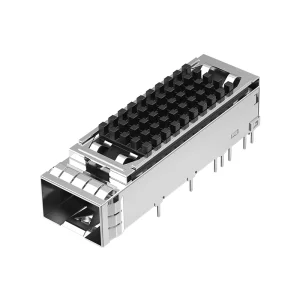
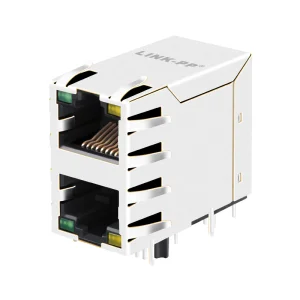
Reliable network adapters and transceiver interfaces designed for enterprise systems and outdoor installations.
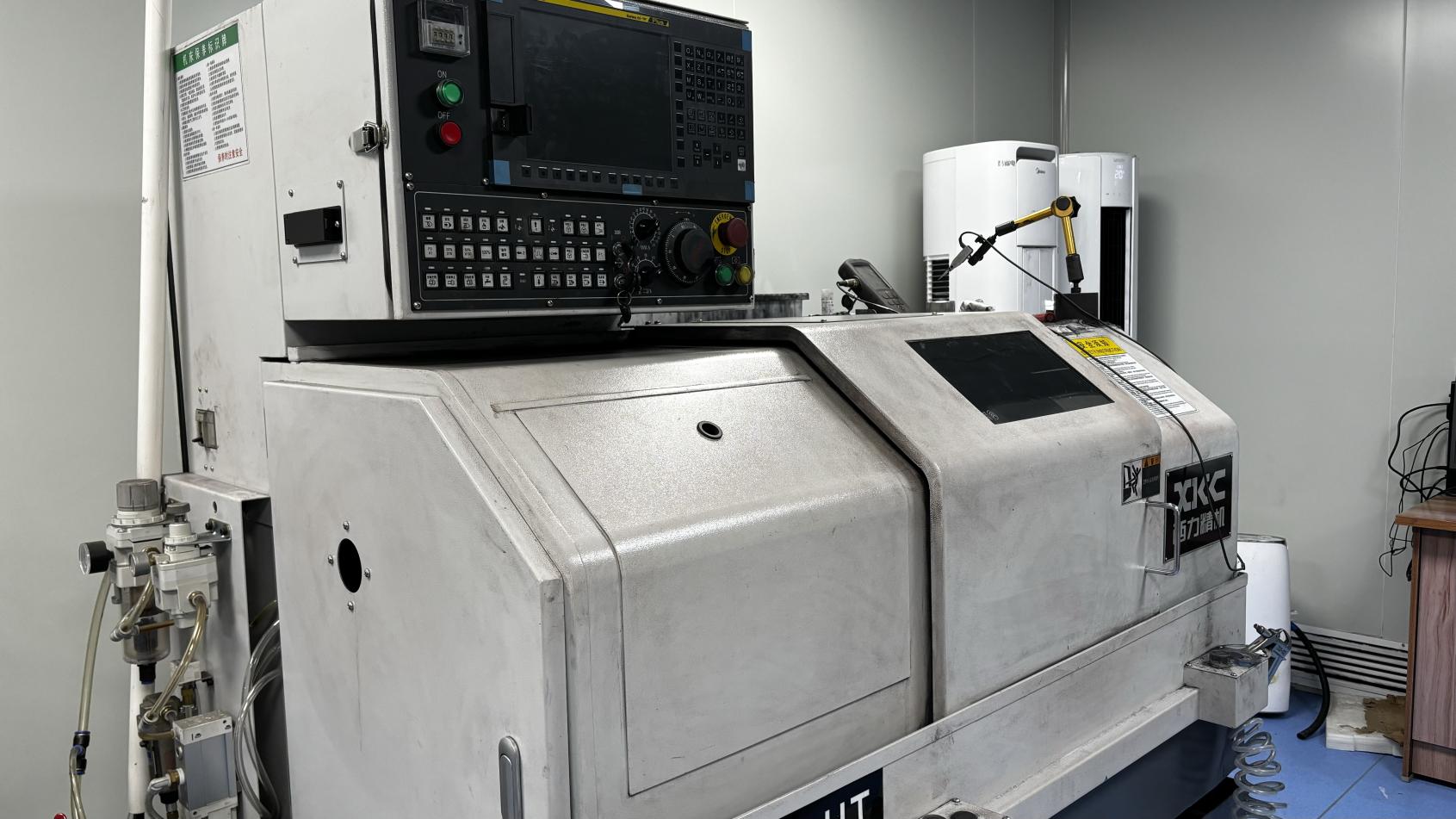
A look inside our ISO 9001 certified optical processing cleanroom facilities.