Xelivor
Xelivor
Xelivor
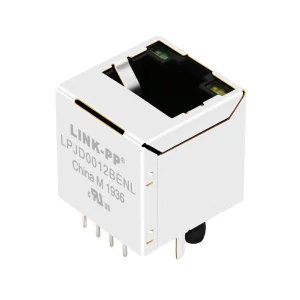
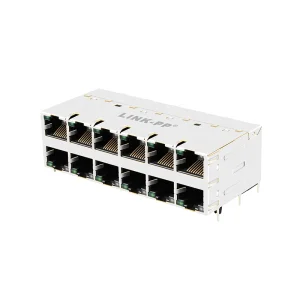
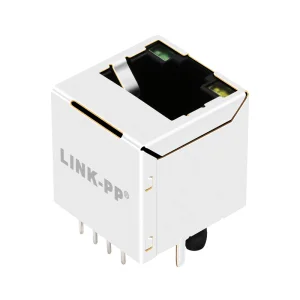
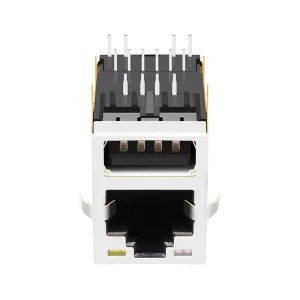
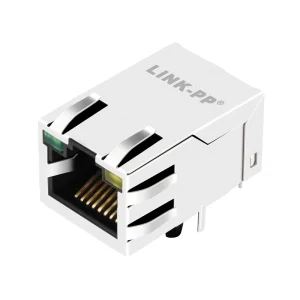
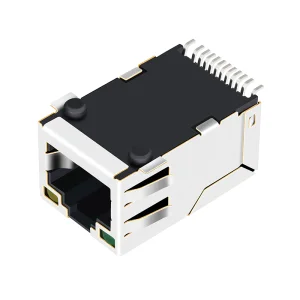
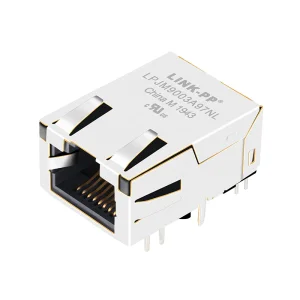
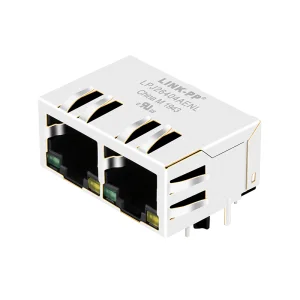
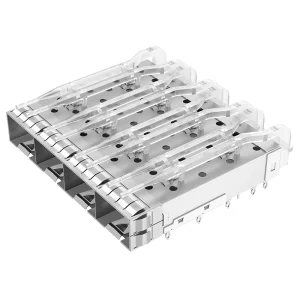
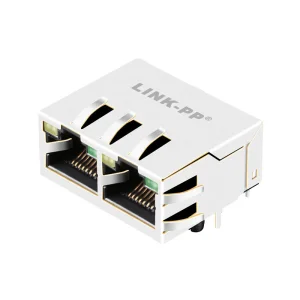
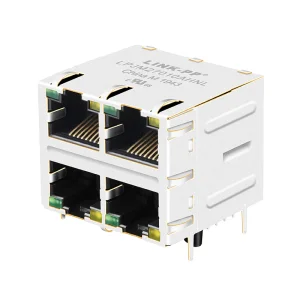
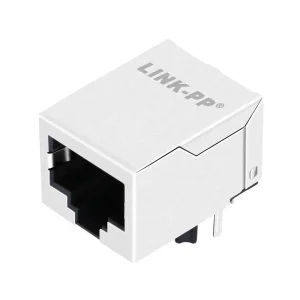
Explore our elite range of vertical RJ45 jacks, magnetic modular connectors, and high-speed electrical interfaces engineered to work in sync with SFP systems.
In the rapidly evolving landscape of telecommunications, high-performance optical communication technologies act as the bedrock of digital transformation. Xelivor Optoelectronics Co., Ltd. stands as a premier manufacturer of high-reliability optical transceivers and active fiber connectivity products. Since our incorporation in 2016, we have dedicated our technical expertise and advanced manufacturing infrastructure to satisfying the growing demands of modern data centers, global telecom operators, enterprise LAN networks, and cloud computing ecosystems.
Operating out of a highly specialized, cleanroom-controlled facility spanning 386 m² designed specifically for precision optical alignment, component housing, and multi-protocol hardware diagnostics, Xelivor combines engineering excellence with agile manufacturing. Over the course of 8 years of industrial design maturation and 6 years of direct global exporting, our annual export revenue has scaled beyond USD 12 million. Today, network engineers and procurement managers across North America, Europe, Southeast Asia, the Middle East, and South America rely on our products to sustain their mission-critical communications.
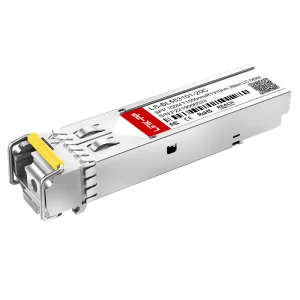
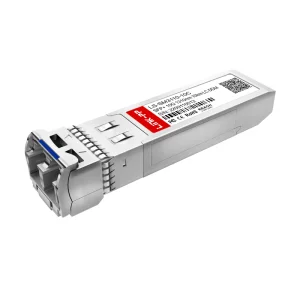
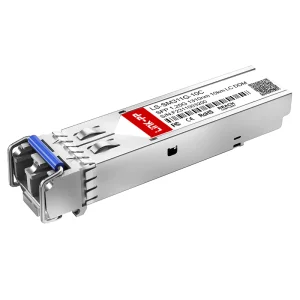
Small Form-factor Pluggable (SFP) modules represent the dynamic interfaces that convert electrical signals into optical pulses over single-mode (SMF) or multi-mode (MMF) fiber optics. As a leading manufacturer, Xelivor offers an exhaustive portfolio including SFP, SFP+, SFP28, QSFP28, QSFP-DD, OSFP, Direct Attach Copper (DAC) cables, and Active Optical Cables (AOC).
All Xelivor optical transceivers are engineered strictly under the Multi-Source Agreement (MSA) standards (such as SFF-8472 and SFF-8436). This ensures multi-vendor compatibility across platforms like Cisco, Juniper, Arista, and Huawei. Furthermore, our modules feature integrated Digital Diagnostic Monitoring (DDM / DOM), providing real-time telemetry on critical operational metrics: Tx optical output power, Rx received power levels, bias currents, laser temperature, and internal supply voltages. This enables proactive fault-detection and network downtime mitigation.
By utilizing top-tier Transmitters (TOSA) consisting of high-speed VCSELs, DFB (Distributed Feedback) lasers, or externally modulated lasers (EML), in tandem with highly sensitive Receivers (ROSA) utilizing PIN or APD photodiodes, we achieve low Bit Error Rate (BER) and optimized power budgets. Whether deploying short-range multi-mode fiber runs in data centers or long-haul 20km to 80km links over single-mode fiber (such as our 1550nm-TX/1310nm-RX BiDi SFP modules), our solutions deliver stable, deterministic physical layer performance.
Selecting China as your optical transceiver supply hub provides massive logistical, financial, and technical dividends. Xelivor leverages China's unmatched electronics industrial ecosystem to engineer cost-competitive yet uncompromisingly reliable networking hardware. Our core factory advantages include:
We collaborate with over 850 verified supply chain partners. This tight vertical integration guarantees stable, priority sourcing of critical raw optical sub-assemblies (TOSA/ROSA), laser diodes, transimpedance amplifiers, and multi-layer PCBs, shielding our clients from global component shortages.
With a dedicated team of 68 expert engineers, we run continuous product iterations. In the past fiscal year alone, we developed and launched over 85 new products, adapting rapidly to industry progressions such as PAM4 modulation schemes and multi-lane high-speed layouts.
By executing production, tuning, and coding under one roof, we minimize shipping bottlenecks. Our strategic proximity to major shipping terminals in Shenzhen and Shanghai ensures that express shipments arrive to global ports in record times.
For system integrators, telecom operators, and data center architects, standard off-the-shelf transceivers often fall short due to vendor locking mechanisms and custom software protocols. Xelivor addresses this paint point through a comprehensive suite of customized hardware and firmware services:
Our modules can be pre-coded with custom vendor IDs, serial numbers, and configuration parameters to ensure 100% plug-and-play interoperability with switches from major brands. This allows customers to bypass restrictive license keys and reduces total cost of ownership (TCO) by up to 70%.
Whether you require bespoke packaging, customized label prints, distinct mechanical housings for pull-tab extractors, or custom EMI-shielding cages, our production lines scale dynamically to support minor runs as well as high-volume rollouts.
Xelivor's products are optimized for a broad spectrum of optical transmission scenarios, providing maximum system stability across critical sectors:
In modern non-blocking spine-and-leaf network architectures, latency and heat dissipation are critical constraints. Xelivor’s QSFP28, AOCs, and high-density copper interconnects provide stable paths for East-West traffic, optimizing thermal signatures and power draw at 25G, 40G, and 100G configurations.
With the expansion of 5G infrastructure, outdoor remote radio units (RRUs) demand rugged components. Our industrial temperature (-40°C to +85°C) transceiver modules resist thermal shock, maintaining stable optical links over extended single-mode fibers under harsh weather conditions.
Industrial operations require robust physical-layer noise suppression. By combining SFP optical uplinks with our high-grade shielded RJ45 magnetic connectors, factory floor switches maintain high signal integrity, fully isolating sensitive processing units from electromagnetic interference (EMI).
At Xelivor, reliability is not a post-production check—it is integrated into our engineering DNA. Our quality control architecture is overseen by 32 certified QA inspectors, executing rigorous testing routines at every stage of the lifecycle:
Rigorous optical and electrical evaluation of laser wafers, internal ICs, microcontrollers, optical lenses, and gold-finger PCBs prior to line assembly.
Every single active module undergoes intensive burn-in testing under high thermal stress chambers to isolate and weed out early component failures.
Precise optical parameter analysis utilizing state-of-the-art oscilloscopes ensures that Jitter, Extinction Ratio, and Rise/Fall times comply with IEEE specifications.
We physically test our coded transceivers inside our extensive switch rack laboratory containing systems from leading manufacturers to verify 100% error-free operation.
The demand for network bandwidth, driven by Artificial Intelligence (AI) training clusters, machine learning, and high-performance computing, is accelerating the development of next-generation transceivers. As an innovative manufacturer, Xelivor is actively aligning its R&D roadmap with these upcoming market transitions:
As data rates climb, traditional NRZ signaling is replaced by PAM4 and coherent modulation. Our engineers are optimizing DSP architectures to enable reliable transmission paths for QSFP-DD and OSFP configurations.
CPO brings the optical engine closer to the host switch ASIC, minimizing signal path distance and electrical attenuation. Xelivor is researching silicon photonics integrations to deliver low-power optical interconnects.
SiPh consolidates discrete optical parts onto a silicon wafer, significantly reducing production costs while improving manufacturing yield and reliability for high-density, multi-lane fiber interfaces.
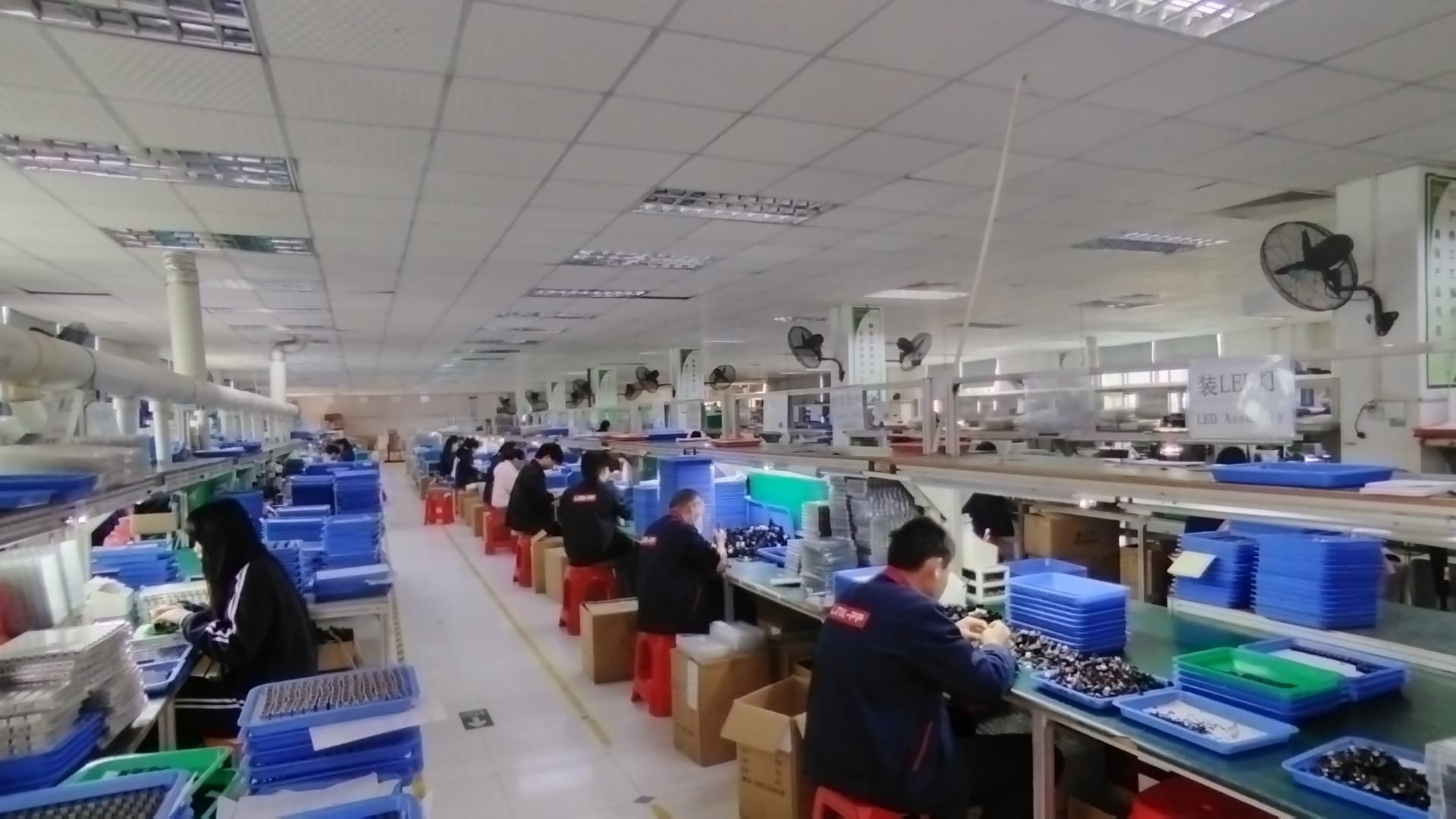
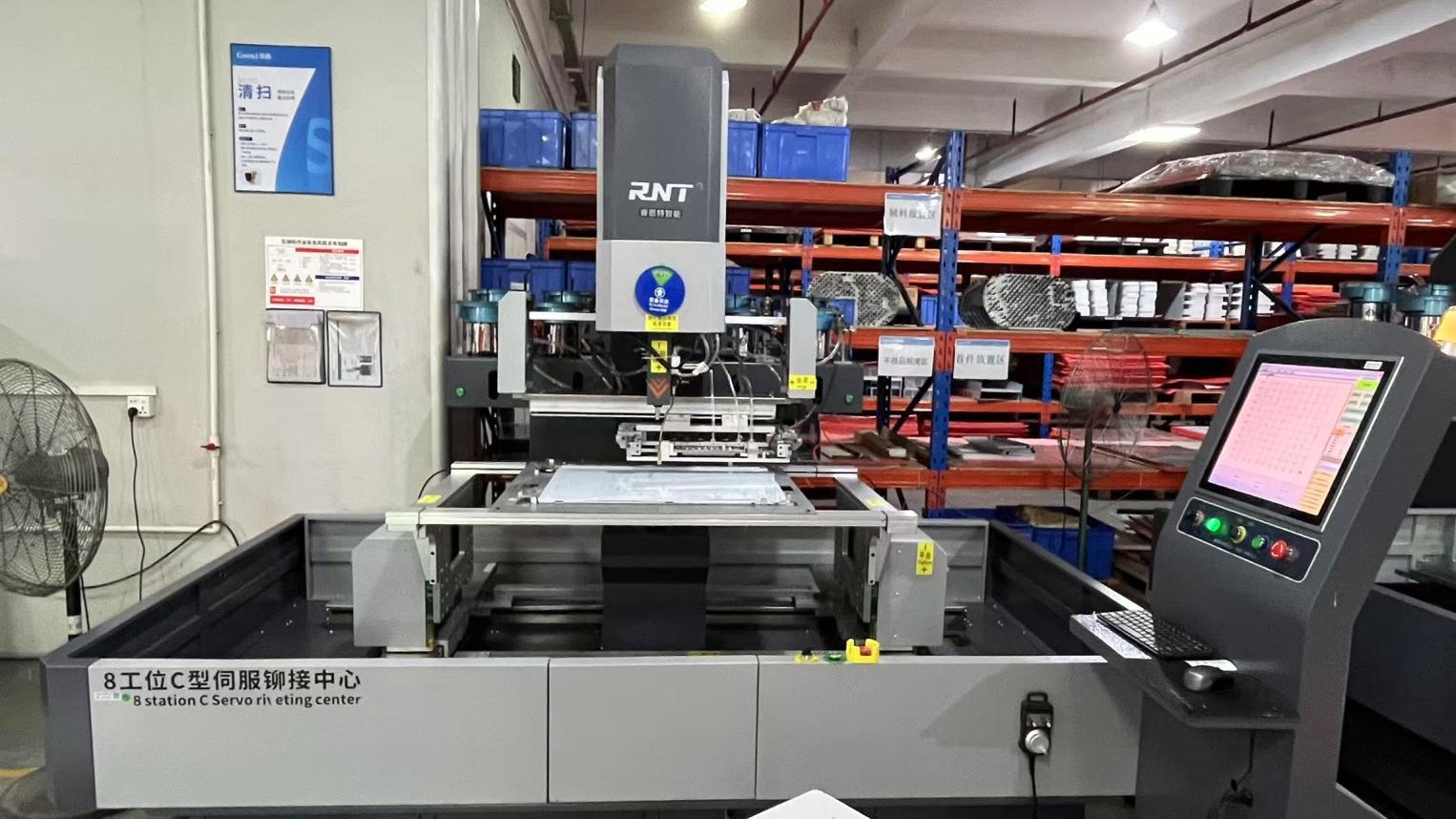
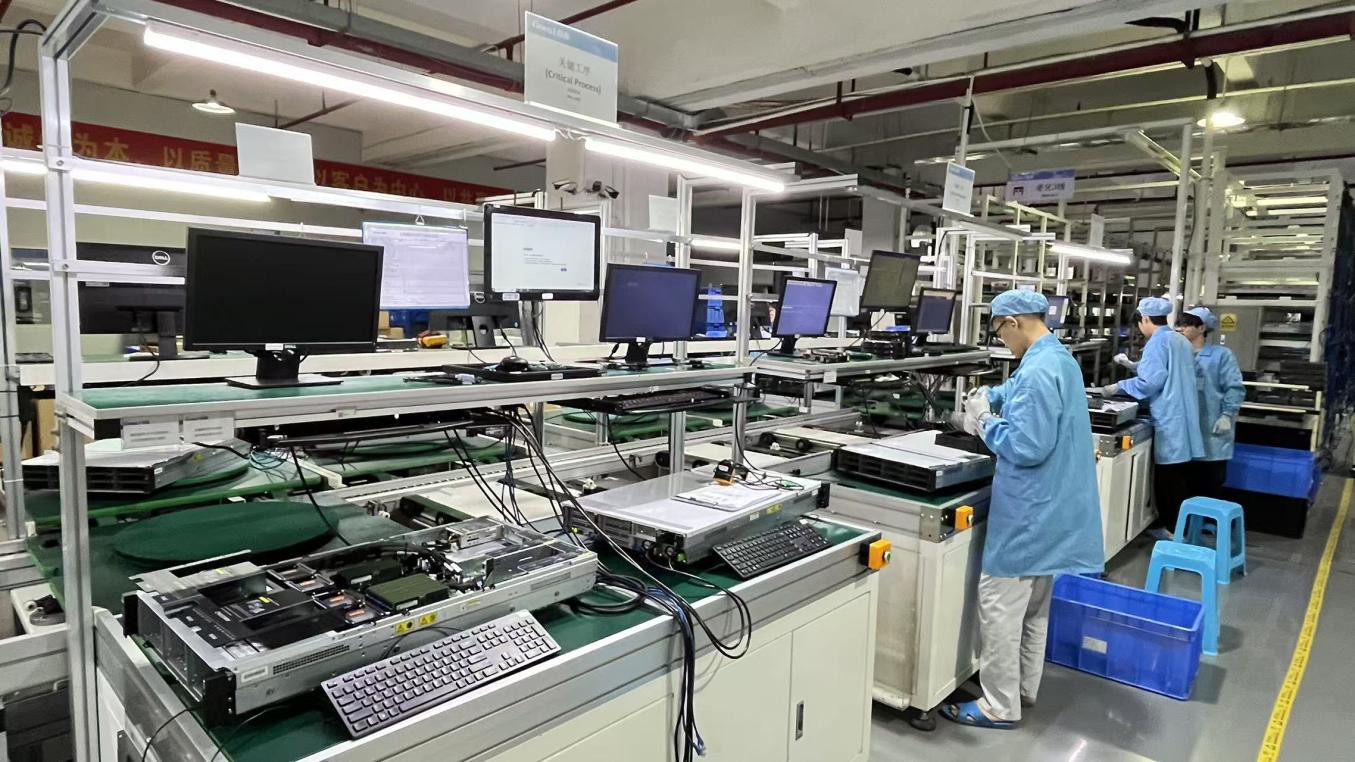
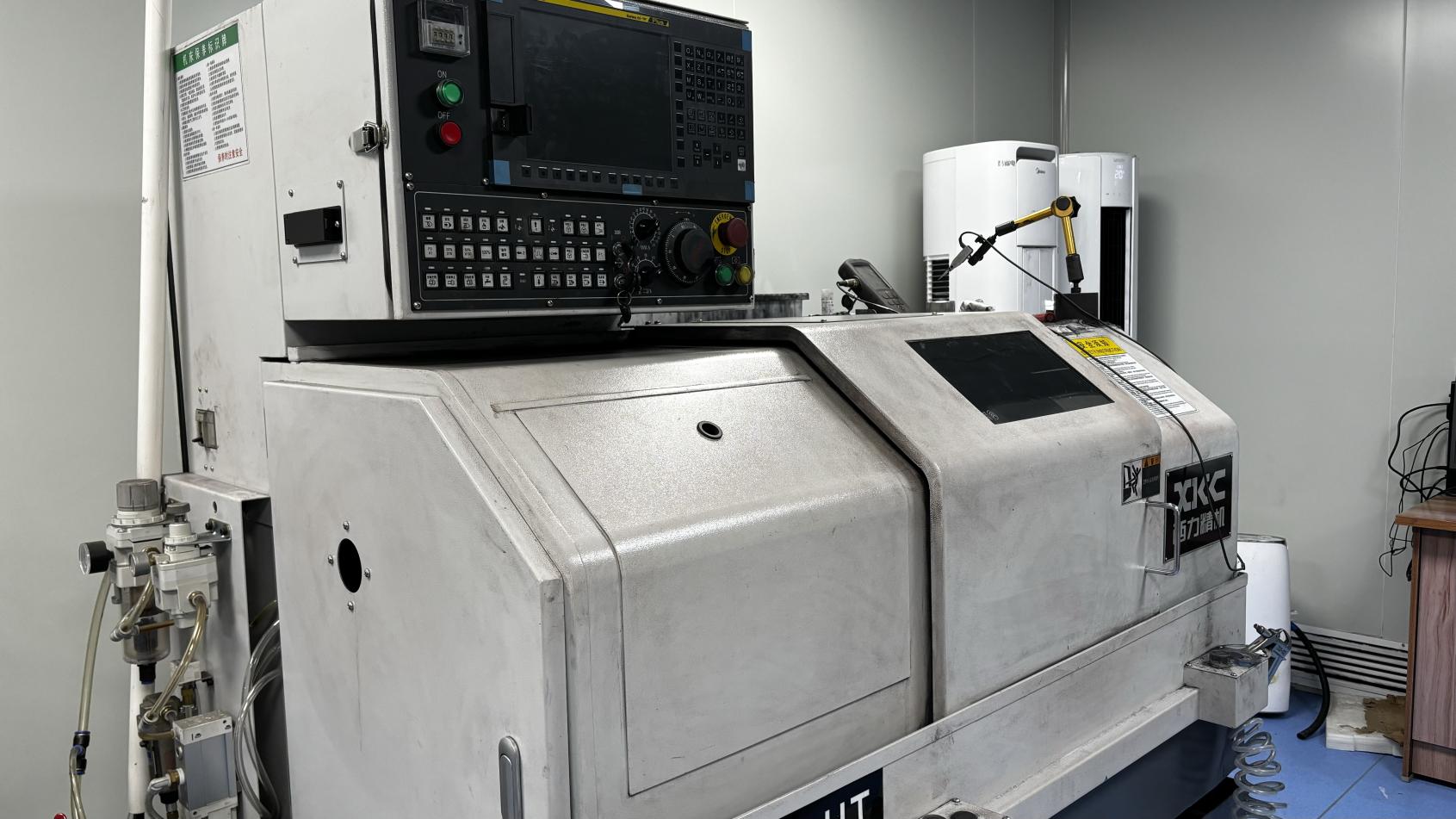
Take a tour through Xelivor's modern optical cleanroom, high-speed testing setups, and packaging lines, where quality and reliability are engineered into every unit.
Optimize your core layer and edge routes with our high-speed optical transceivers, BiDi solutions, SFP+ cages, and gigabit ethernet connectors.