Xelivor
The Evolution of Physical Layer Connectivity: Deciphering the Strategic Value of Flexible RJ45 Connectors
In high-performance networking ecosystems, the physical layer represents both the foundation and the primary vulnerability. As architectures scale toward hybrid networks blending multi-gigabit copper (RJ45) cabling and ultra-speed fiber-optic links (SFP/QSFP), hardware component reliability dictates overall network performance. While optical systems handle long-distance distribution and backhauls, Flexible RJ45 connectors remain indispensable for dense rack installations, end-device drops, and environments subject to mechanical vibrations, high heat, and space constraints.
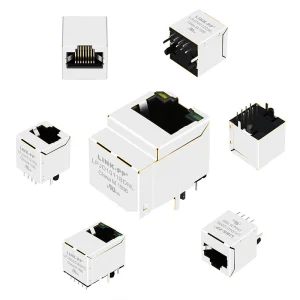
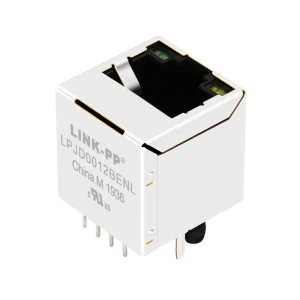
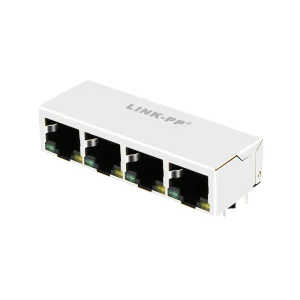
A "Flexible RJ45 Connector" refers to high-spec connector units with strain-relief boots, adjustable configurations (angled, low-profile, or vertical), and robust magnetic shielding (ICs). They absorb mechanical stress, manage thermal loads, and maintain signal integrity. As global enterprises upgrade, locating top China suppliers for these modular components determines supply chain security and performance optimization.
Technical Roadmap & Future Outlook: Copper-Fiber Co-Existence
Modern networking relies on a complementary integration of copper (RJ45) and optical technology. This technical roadmap outlines the evolution of copper interfaces alongside optical development, highlighting their key characteristics:
| Technology Layer | Standard Specs | Maximum Bandwidth | Primary Use Cases | Physical Interface Design |
|---|---|---|---|---|
| Next-Gen Copper (RJ45) | Cat 6A / Cat 8 (IEEE 802.3bq) | 10 Gbps to 40 Gbps | Top-of-Rack server links, IIoT edge switches | Flexible vertical/angled configurations, Integrated Magnetics |
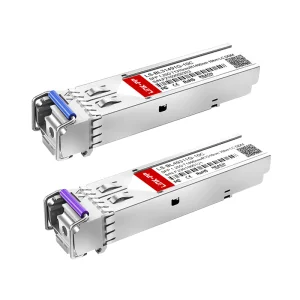
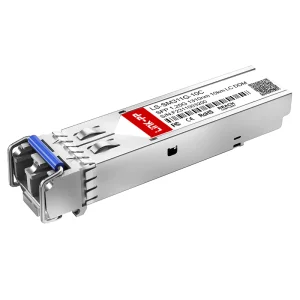
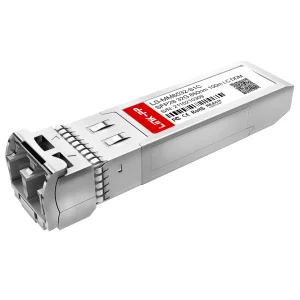
| Standard SFP/SFP+ | 1G / 10G Ethernet | 1.25 Gbps to 10 Gbps | Mid-range telecom, distributed corporate networks | Duplex LC, standard SFP cages |
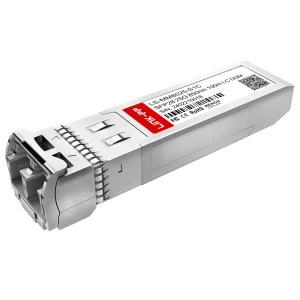
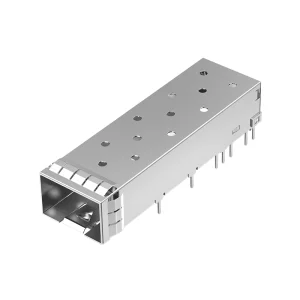
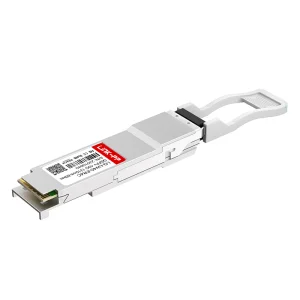
| High-Speed SFP28/QSFP+ | 25G / 40G Fibre Channel & IP | 25 Gbps to 40 Gbps | Cloud computing centers, SAN architectures | SFP28, QSFP+ cages with EMI shielding |
| Next-Gen Optical Engines | QSFP28 / QSFP-DD / OSFP | 100 Gbps to 800 Gbps | Hyperscale cloud, AI backend computation fabrics | High-density active optical arrays, liquid-cooled cages |
1. Mechanical Resilience and Strain Management
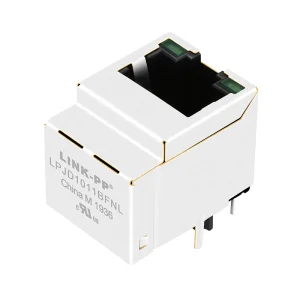
Standard connectors suffer under heavy, unsupported cable weight. Advanced flexible RJ45 configurations utilize multi-directional strain-relief boots and angled structural housings (such as 45-degree, 90-degree, or customizable vertical top-entry layouts). These designs direct cable load away from the solder connections on the PCB. This configuration prevents micro-fractures in solder pins and maintains contact integrity even in high-vibration industrial and aerospace systems.
2. Integrated Magnetic Isolation (MagJack Tech)
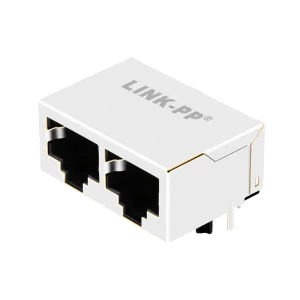
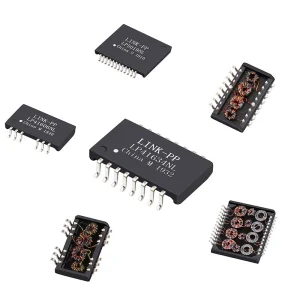
Top-tier flexible RJ45 connectors utilize Integrated Connector Modules (ICMs). By housing the discrete magnetic transformer circuit (such as 10/100/1000 Base-T transformers) inside the RJ45 shield cage, design engineers save over 50% of the PCB surface area while protecting the signal path from electromagnetic interference (EMI) and electrostatic discharge (ESD).
3. Electro-Magnetic Compatibility (EMC) & Shielding
In high-density server configurations, EMI from surrounding high-power systems can degrade data packets. Quality flexible RJ45 connectors feature full-metal brass wrapping with nickel plating, combined with multiple EMI tabs. These ground paths route high-frequency stray currents safely to the chassis ground, ensuring clean signal transmissions.
Macro Industry Solutions: Integrated Application Profiles
Enterprise physical infrastructures require tailored connectivity systems to match their specific operating environments:
- Industrial IoT (IIoT) & Smart Factories: Vibration, temperature swings, and oil mist degrade standard plastics. Industrial grade flexible RJ45 jacks with IP67/IP68 ingress protection and chemical-resistant polyurethane boots provide reliable connectivity for automated production floors.
- Telecommunications & Base Stations: High-density outdoor switches require compact, weatherized cabling interfaces. Integrating vertical entry RJ45 connectors with built-in LED diagnostics allows field technicians to check connection status directly in tight enclosures.
- Hyperscale Data Centers: With rapid growth in AI workloads, data centers require flexible top-of-rack patching configurations. Hybrid setups utilize copper connections for localized server management, alongside 25G/100G optical transceivers for high-speed uplink paths.
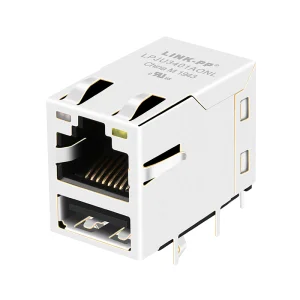
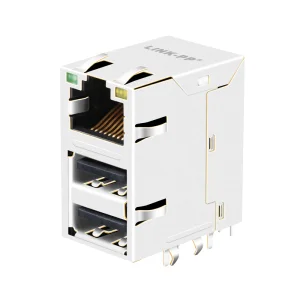
- Medical Diagnostics & Imaging: High-resolution scanners generate massive data volumes in environments sensitive to RF noise. Dual USB-RJ45 combo ports with advanced magnetic isolation protect medical computing systems from signal cross-talk and power surges.
China Factory 4.0: Supply Chain Resilience & Production Efficiency
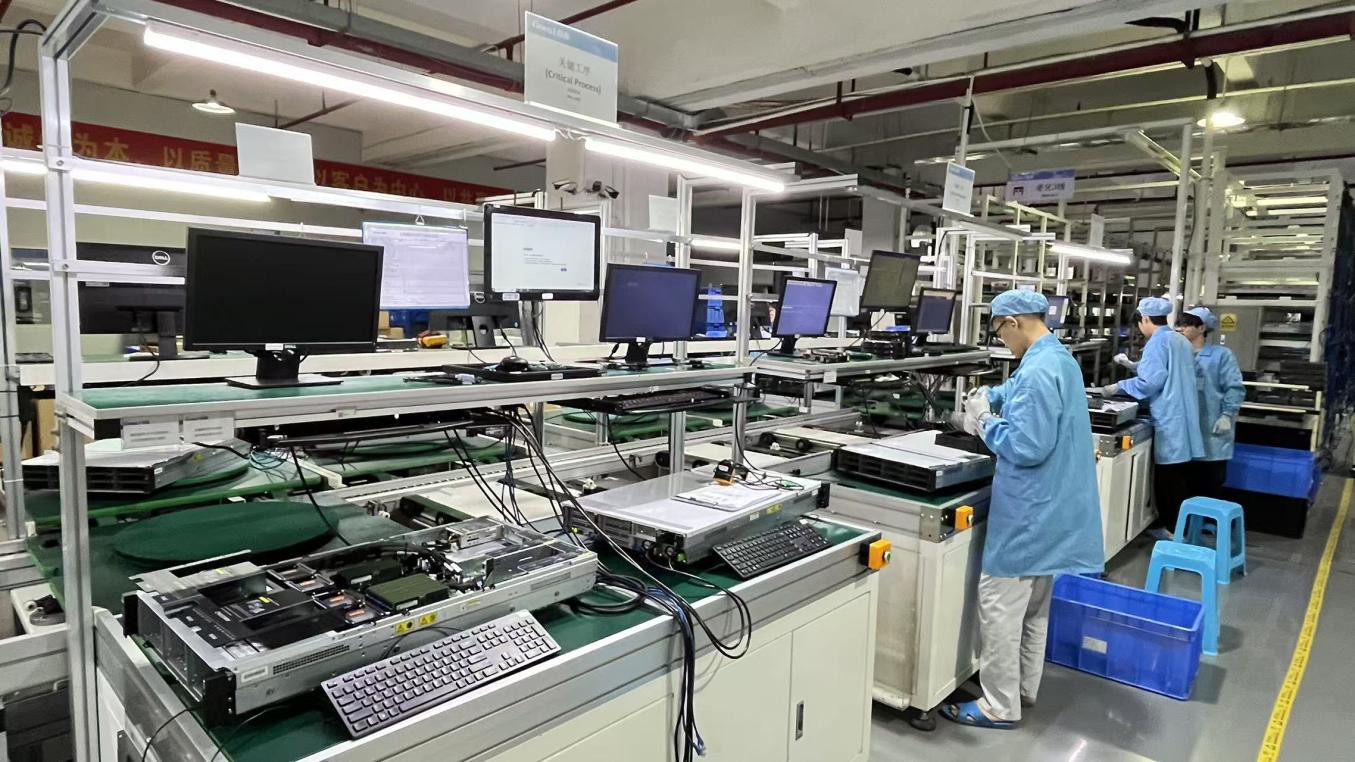
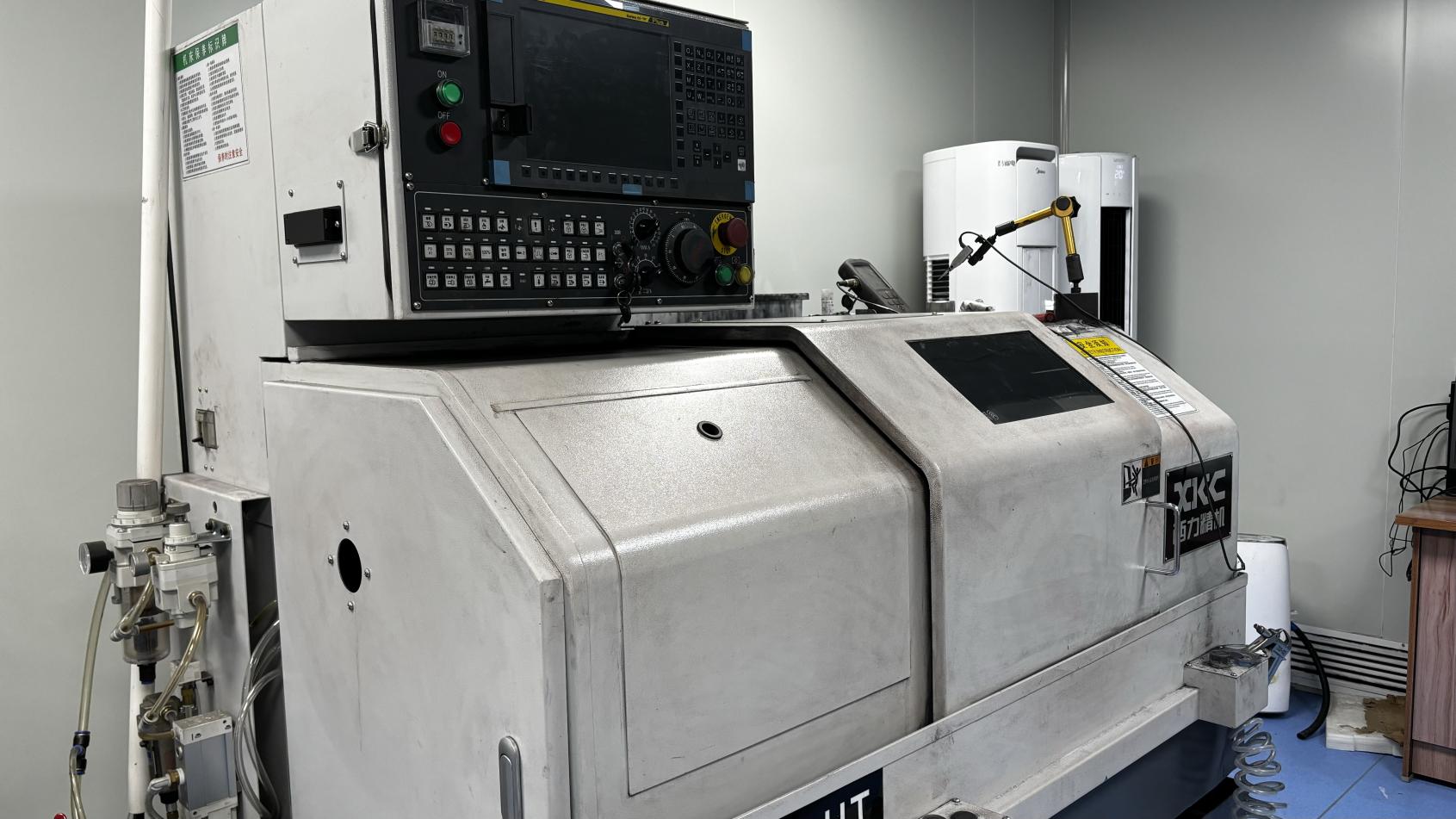
Selecting a Chinese manufacturing partner involves assessing their operational scale and quality control systems. Advanced facilities like Xelivor Optoelectronics Co., Ltd. leverage modernized systems to meet rigorous industrial standards:
Advanced Quality Inspection Flow
Precision connectivity requires rigorous multi-stage quality control to prevent field failures:
- Incoming Material Inspection (IQC): Every batch of copper contact pins, high-grade liquid crystal polymer housing resins, and raw optical laser diodes undergoes verification testing.
- Automated In-Process Quality Control (IPQC): High-precision pick-and-place robots and automatic wire soldering machines construct connector cores under optical monitoring.
- Functional Verification: Every component undergoes testing for optical parameter deviation, return-loss metrics, and bit error rates (BER).
- Environmental Aging Simulation: Complete assemblies undergo temperature-humidity cycling and physical pull tests to verify mechanical durability before shipping.
Global Procurement & Technical Compliance Standards
International procurement requires alignment on design specs, regulatory compliance, and quality certifications:
- Interoperability & IEEE Standards: Copper connectors must comply with IEEE 802.3 standards for Ethernet interfaces, while optical modules must adhere to Multi-Source Agreement (MSA) standards. This ensures compatibility with equipment from brands like Cisco, Aruba, and Juniper.
- Environmental Compliance: Global market entry requires compliance with RoHS (Restriction of Hazardous Substances) and REACH directives, ensuring all components are free of hazardous materials.
- OEM/ODM Flexibility: Top manufacturers provide customized firmware tuning, modified case shielding, and custom-angled molds. This allows companies to quickly adapt components to their specific hardware layouts.