Xelivor Xelivor

China Top RJ45 Hybrid Connector Supplier & Solutions Provider

Precision Engineering, Hybrid Interconnect Innovation, and High-Speed Optoelectronics for Next-Generation Data Centers and Telecom Infrastructure.

Featured High-Speed Transceivers & Interconnects

Explore our state-of-the-art optical modules and shielded connector components engineered for zero-packet-loss environments.
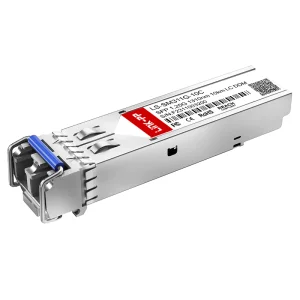
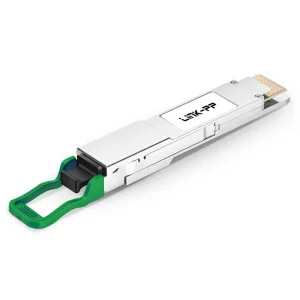
Cisco GLC-LH-SMD Compatible Transceiver

Cisco GLC-LH-SMD Compatible 1000BASE-LX/LH Industrial SMF Transceiver Module Single Mode SFP 1310nm 10km

View Product Specifications
400GBASE-FR4 Optical Module

400GBASE-FR4 Duplex LC Optical Module 400G CWDM QSFP-DD PAM4 2km DDM SMF Optical Transceiver

View Product Specifications
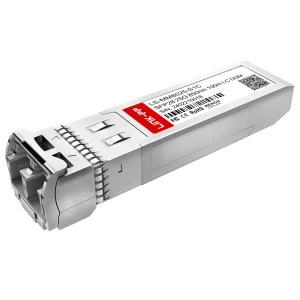
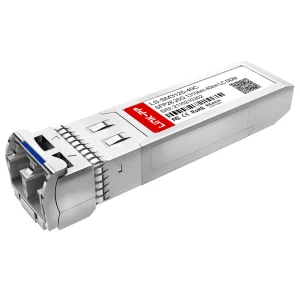
Duplex LC MMF 25G SFP28

Duplex LC MMF Optical Transceiver Module Multimode 850nm 25G SFP28 SR 100m

View Product Specifications
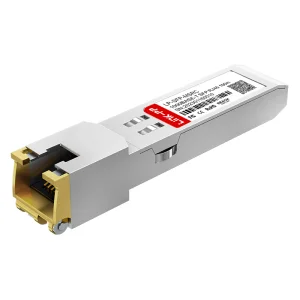
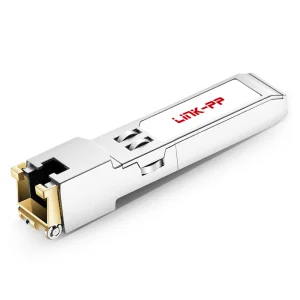
HPE 453156-001 Compatible SFP RJ45

HPE 453156-001 Compatible 1000BASE-T 1.25G SFP RJ45 Copper Transceiver 100m

View Product Specifications
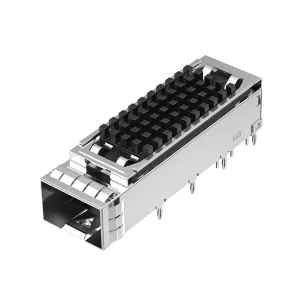
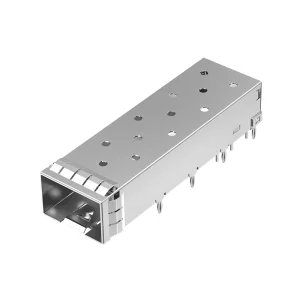
EMI Shielded SFP Cage Heat Sink

TE Replacement 2291634-1 Through Hole EMI Shielded Press Fit SFP+ Cage With Heat Sink

View Product Specifications
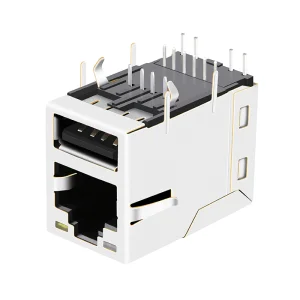
Ethernet RJ45 USB Jack with LEDs

MIC24U16131W-LF3 Tab up 10/100 Base-t Ethernet Magnetic Female RJ45 USB Jack With Leds

View Product Specifications
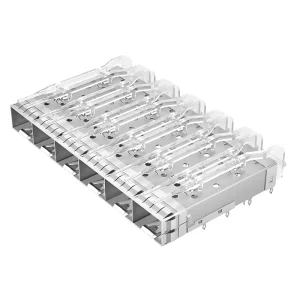
TE Compatible Ganged SFP Cage

2007250-1 TE Compatible Ganged 1x6 Ports EMI Shielded Press-Fit SFP+ Cage With Light Pipe

View Product Specifications
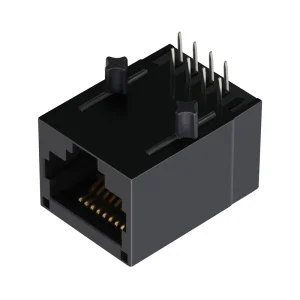
RJ45 Ethernet Female Jack

Without Magnetics 8P8C Ethernet RJ45 Network Female Jack

View Product Specifications

1. Executive Summary: The Convergence of Copper and Optical Networks

In an era dominated by artificial intelligence computing, hyper-scale cloud environments, and critical edge network infrastructure, data exchange rates require maximum physical-layer optimization. The traditional boundaries between optical networking architectures and high-performance copper connectors have dissolved. High-density designs demand components that bridge high-frequency electronic transmission with optical-wavelength efficiency.

The RJ45 hybrid connector is a vital integration node in modern networking hardware. By consolidating traditional Ethernet connectivity with signal-conditioning magnetics, LED diagnostics, auxiliary power configurations, and sometimes adjacent optical transceiver cages (such as SFP/SFP+ form factors), hybrid components minimize footprint, limit insertion loss, and maximize thermal dissipation. This whitepaper analyzes how advanced manufacturing facilities in China lead this technological shift by optimizing materials science, precision automated tooling, and rigorous testing methodologies.

"Modern network deployment requires rapid configuration and extreme reliability. The integration of high-precision copper interfaces with optical transceivers guarantees backward compatibility with existing structural cabling while providing a direct migration path to 400G and 800G optical links."

2. Technical Advantages of Chinese Precision Factories

Suppliers operating in China’s high-tech manufacturing corridors (primarily Shenzhen, Dongguan, and Wuhan) have evolved from basic contract assembly plants to globally recognized R&D centers. This progression offers structural advantages for international telecommunications buyers:

  • Vertically Integrated Industrial Parks: A single location manages sheet-metal stamping for EMI cages, high-precision injection molding for connector housings, gold plating for contact pins, and automatic placement of magnetic coils. This cluster system minimizes supply chain delays.
  • Advanced Material Science: Chinese manufacturers utilize high-temperature LCP (Liquid Crystal Polymer) plastics to prevent degradation during reflow soldering. Gold plating on RJ45 contact pins matches or exceeds 50 micro-inches, preventing oxidation and maintaining impedance stability over thousands of mating cycles.
  • Dynamic EMI/EMC Shielding Design: High-speed optical data paths run close to legacy copper pathways. Chinese suppliers integrate advanced metal spring fingers and multi-point ground tabs into SFP and RJ45 assemblies, achieving over 90dB of attenuation against electromagnetic interference.
  • Customized Firmware and EEPROM Coding: Compatibility is the major pain point in the transceiver industry. Chinese technical teams configure diagnostic monitoring interface (DDM/DOM) microcode to ensure plug-and-play operation with network operating systems like Cisco, Arista, HPE, Juniper, and Aruba.
8+ Years of Industry Expertise
USD 12M+ Annual Export Revenue
68+ Dedicated R&D Engineers
32+ QA Inspectors & Metrologists

3. Global Application Scenarios and Macro Industry Solutions

The deployment of hybrid interfaces and modern transceivers targets high-density, multi-protocol systems. Below are three primary macro scenarios where these technologies are critical:

Scenario A: Hyperscale Cloud and AI Data Center Interconnects

Modern AI training clusters demand high-bandwidth and low-latency cabling. While internal switch fabrics rely on 400G and 800G optical transceivers (using QSFP-DD or OSFP form factors with PAM4 modulation), legacy monitoring ports, management networks, and backup storage arrays still rely on 10G SFP+ copper links and RJ45 Ethernet interfaces. Hybrid SFP+ cages with integrated RJ45 ports allow network engineers to manage diverse copper and fiber infrastructures within the same high-density rack space.

Scenario B: Industrial IoT, Factory Automation, and Smart Infrastructure

In industrial environments, electrical noise (EMI) from motors and heavy equipment can degrade data transmission. Hybrid connectors that combine Ethernet magnetics with robust metal shielding (like tab-up RJ45 connectors with integrated LEDs) isolate sensitive controller boards from ground-loop currents and voltage surges. These systems support Power over Ethernet (PoE/PoE+), delivering up to 90W of power alongside gigabit data streams to remote sensors and IP surveillance cameras.

Scenario C: Telecom Carrier Central Offices and 5G Distributed Access Networks

5G Base stations (gNodeB) require precise phase synchronization and low-latency backhaul. Remote Radio Heads (RRH) are typically connected via fiber optic links using SFP+ 10G single-mode transceivers, while local control units use copper interfaces. A hybrid switch architecture containing both RJ45 copper ports and high-reliability SFP cages ensures the network operates continuously under variable outdoor temperatures ranging from -40°C to +85°C.

4. Key Trends Reshaping the Interconnect & Transceiver Industry

Understanding market trajectory is essential for purchasing departments planning infrastructure projects with 5-to-10-year lifespans. Four technical trends dominate the sector:

  1. Transition to PAM4 (Pulse Amplitude Modulation 4-Level): Standard NRZ signaling reaches its physical limit at 28Gbps per lane. PAM4 doubles the data rate by transmitting two bits per clock cycle, making it the core technology for 100G, 200G, 400G, and 800G links. This transition requires optical components with higher signal-to-noise ratios (SNR).
  2. Thermal Management at the Edge: As transceivers become faster, they generate more heat. A typical 400G QSFP-DD module can consume up to 12-15 Watts. Integrated cage assemblies now require advanced clip-on riding heat sinks and optimized airflow paths to prevent thermal shutdown.
  3. Ruggedization of Ethernet Interfaces: Industrial Ethernet continues to displace old fieldbus protocols. This shift increases demand for RJ45 connectors with integrated magnetics (ICMs) that resist vibration, thermal shock, and chemical exposure.
  4. Eco-Friendly Manufacturing (Green Networking): Major enterprise buyers require compliance with RoHS 2.0, REACH, and halogen-free directives. Chinese suppliers are investing in lead-free wave soldering equipment and non-toxic plating processes to comply with global environmental standards.

E-E-A-T Quality Standards

Our quality control processes include incoming material testing, automated optical inspection (AOI), environmental chamber aging, and full parameter validation on Agilent/Anritsu bit error rate testers.

High-Density Engineering

Combining copper and fiber-ready layouts inside high-density cages maximizes port availability, reduces PCB footprint, and improves system airflow in 1U networking appliances.

Global OEM/ODM Compatibility

Custom firmware coding matching major switch manufacturers (such as Cisco, HPE, Juniper, Aruba, and Dell) ensures seamless plug-and-play operation and clear DOM reporting.

5. Xelivor Optoelectronics: Manufacturing Excellence & Capabilities

Xelivor Optoelectronics Co., Ltd. is a professional manufacturer of optical transceivers and fiber connectivity solutions, dedicated to serving global data center, telecom, enterprise network, and cloud computing industries. Established in 2016, the company operates from a modern manufacturing facility covering 386 m² and has built a strong reputation for delivering reliable, high-performance optical communication products worldwide.

With over 8 years of industry experience and 6 years of export experience, Xelivor has achieved annual export revenues exceeding USD 12 million. Our products are exported to customers across North America, Europe, Southeast Asia, the Middle East, and South America, supporting a wide range of networking applications from enterprise infrastructure to hyperscale data centers.

Xelivor specializes in the design, development, and production of optical transceivers, including SFP, SFP+, SFP28, QSFP28, QSFP-DD, OSFP, DAC, and AOC solutions. Backed by a dedicated R&D team of 68 engineers, the company continuously invests in innovation and launched more than 85 new products in the past year to meet the evolving demands of high-speed optical networks.

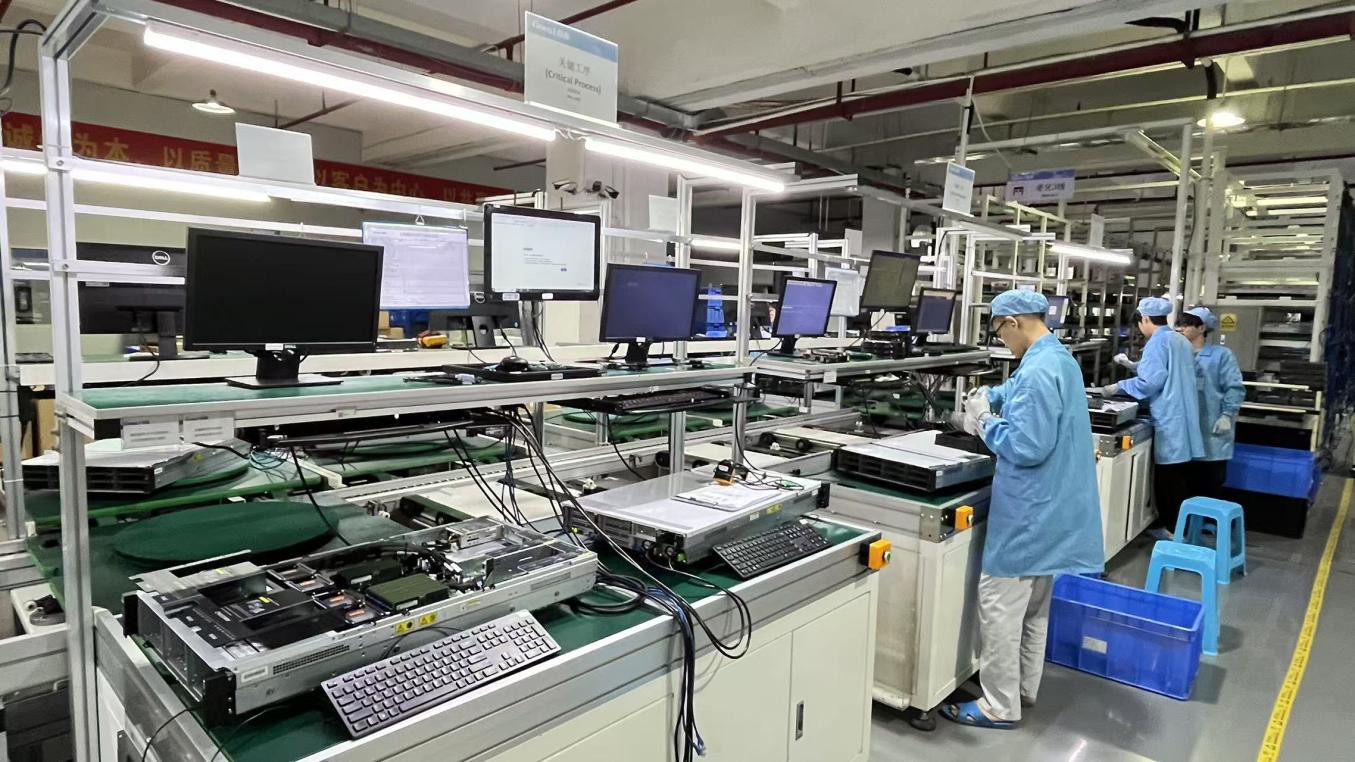
Quality is at the core of our operations. Our quality management system incorporates incoming material inspection, in-process quality control, aging tests, compatibility verification, optical parameter testing, and final product inspection. A professional quality assurance team of 32 inspectors ensures every product meets strict international standards before shipment.

The company maintains long-term cooperation with more than 850 supply chain partners, enabling stable sourcing, efficient production, and rapid delivery capabilities. Our flexible manufacturing system supports OEM, ODM, private label, customized firmware, customized labeling, and packaging services to satisfy diverse customer requirements.

As a company with strong independent R&D capabilities, advanced testing equipment, and a customer-oriented approach, Xelivor serves distributors, system integrators, telecommunications operators, data center providers, network equipment vendors, and enterprise customers worldwide.

Driven by innovation, quality, and partnership, Xelivor Optoelectronics Co., Ltd. remains committed to providing cost-effective, reliable, and future-ready optical communication solutions for global networking infrastructure.


6. Technical FAQ & Procurement Insights

Navigating the complex specifications of optical modules, copper connectors, and integrated magnetics can be difficult. Below are answers to key questions asked by engineers and purchasing managers.

Q1: What is the main structural difference between an RJ45 connector with magnetics and one without?
An RJ45 connector with magnetics (known as an Integrated Connector Module or ICM) contains small toroidal transformers, chokes, and capacitors inside its metal housing. These components filter out electromagnetic interference (EMI), suppress common-mode noise, and provide 1500V AC electrical isolation to protect the sensitive physical layer (PHY) chip on the host PCB. Connectors without magnetics are simple plastic housings with copper contacts, requiring external filters on the motherboard.
Q2: How does Xelivor ensure compatible operation with Cisco, HPE, and Aruba switches?
Our engineering team tests each batch of transceivers on the host platforms of major hardware manufacturers. We read and write the module's internal EEPROM (microcode containing serial numbers, vendor ID, part number, and CRC checksums) using customized programming boards. This ensures the host switch recognizes the module immediately, preventing port lockout or "unsupported transceiver" warnings.
Q3: What are the primary design elements for managing heat in 400G and 100G transceivers?
High-speed optical modules (like 400G QSFP-DD or 25G SFP28 ER) require multi-faceted cooling. We utilize high-thermal-conductivity internal potting compounds, optimize current routing on the PCB layout, and deploy cages equipped with integrated press-fit heat sinks (featuring specialized fin arrays designed to align with switch airflow direction).
Q4: What is the difference between single-mode (SMF) and multi-mode (MMF) transceivers in network topology?
Single-mode fiber (SMF) transceivers (such as our 10km GLC-LH-SMD compatible and 40km 25G SFP28 ER) use narrow laser sources (typically 1310nm or 1550nm) to transmit data through a tiny 9-micron core, minimizing signal degradation over long distances. Multi-mode fiber (MMF) transceivers (such as the 25G SFP28 SR 100m) use wider vertical-cavity surface-emitting lasers (VCSELs) at 850nm through a 50-micron core, which is cost-effective but limited to short-range, in-rack, or inter-rack connections.
Q5: How does PoE (Power over Ethernet) impact RJ45 connector choice?
PoE, PoE+, and PoE++ (up to 90W) deliver direct electrical current over the signal pairs of Ethernet cables. This current causes thermal buildup in the connector contacts. Industrial-grade RJ45 connectors designed for PoE feature specialized pin geometry to prevent electrical arcing at the contact point when unplugging under load, and they use high-temperature-rated plastic housings to prevent warping.
Q6: How does Xelivor optimize lead times with over 850 supply chain partners?
Our enterprise resource planning (ERP) system coordinates material requirements with key suppliers. By stocking common metal cages, optical sub-assemblies (TOSA/ROSA), and blank PCBs, we can customize firmware, configure final packaging, and ship bulk orders within days, mitigating supply chain disruption risks.

Complete Optical & Copper Connectivity Solutions

Browse our selection of active modules, magnetic filter jacks, and EMI-shielded cage components.
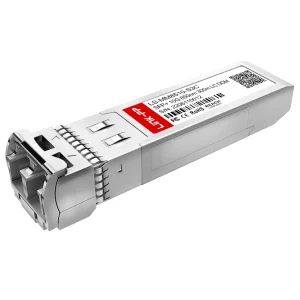
J9150D Aruba Compatible SFP+

J9150D Aruba Compatible Multimode 850nm 10G SFP+ SR 300m Duplex LC Optical Transceiver Module

View Product Specifications
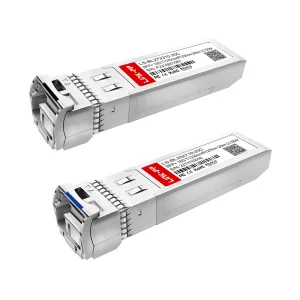
Bidirectional 10G BiDi SFP+ 20km

Bidirectional 1270nm/1330nm 10G BiDi SFP+ 20km Simplex LC SMF Optical Transceiver Module

View Product Specifications
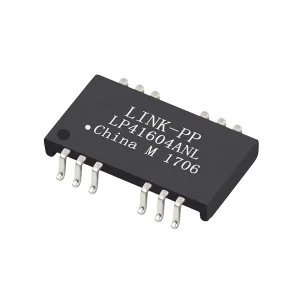
H81621S SMD Lan Filter

H81621S 10/100 Base-T SMD Lan Filter Ethernet Transformer

View Product Specifications
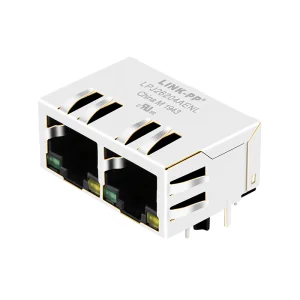
J8064D628ANL Magnetic RJ45 Jack

J8064D628ANL J8064D628A Tab Down 10/100 Base-t 1x2 Ports Magnetic RJ45 Jack With Leds

View Product Specifications
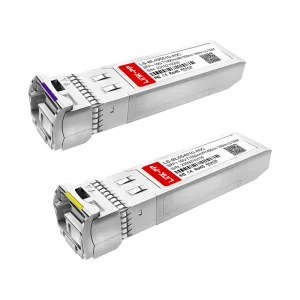
10G BiDi SFP+ 100km

1490nm/1550nm Bidirectional Simplex LC 10G BiDi SFP+ 100km SMF Optical Transceiver Module

View Product Specifications
TE Compatible Shielded SFP Cage

2007251-1 TE Compatible Through Hole EMI Shielded Press Fit SFP+ Cage Assembly

View Product Specifications
10GBASE-T SFP Copper RJ-45

10GBASE-T SFP+ Copper RJ-45 100m Fiber Optical Transceiver Ethernet Module

View Product Specifications
25G SFP28 ER 40km Transceiver

SMF 1310nm 25G SFP28 ER 40km Duplex LC Single Mode Fiber Optical Transceiver Module

View Product Specifications