 Xelivor
Xelivor
Xelivor
Select components optimized for enterprise environments requiring High-Availability Link Aggregation Group (LAG) architectures and copper-to-fiber edge bridging.
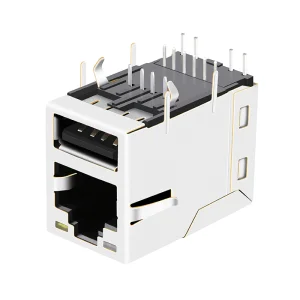
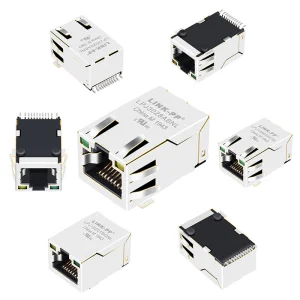
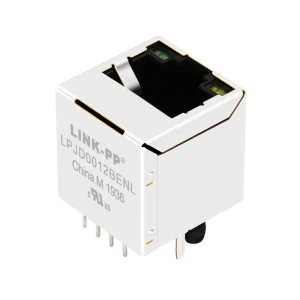
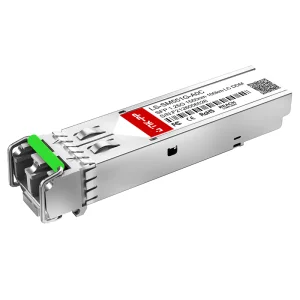
Understanding physical layer layout and signal coupling constraints for multi-gigabit bonded setups.
Link Aggregation (IEEE 802.3ad) combines multiple physical Ethernet connections into a single logical channel. This yields higher total bandwidth (e.g., combining 4x 1G connections into a 4G trunk) and provides critical hardware redundancy. If one path fails, traffic dynamically shifts to the remaining active links without dropped packets.
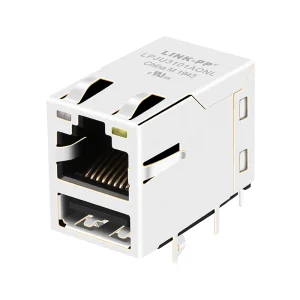
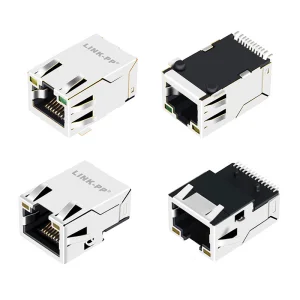
Modern RJ45 Link Aggregation Modules integrate magnetic transformers, common-mode chokes, and status LEDs directly inside the metal housing. This saves board space and isolates the PHY chip from high common-mode voltages. It keeps electromagnetic interference (EMI) low, ensuring stable performance across multiple adjacent ports under heavy loads.
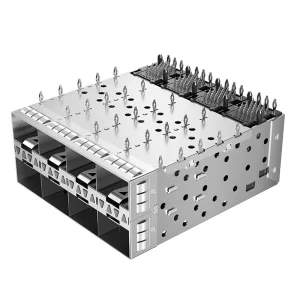
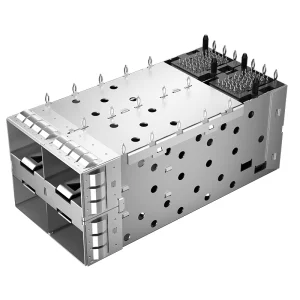
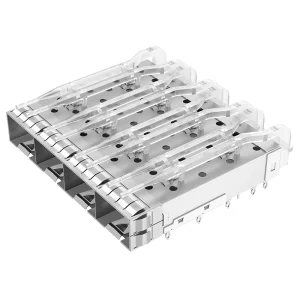
When stacking multiple RJ45 connectors (e.g., in a 2x4 configuration), high-frequency crosstalk between adjacent ports can corrupt data packets. Utilizing advanced EMI shielding tabs and press-fit grounded metal cages (comparable to TE Connectivity architectures) prevents signal leakage and maintains clean transmission margins.
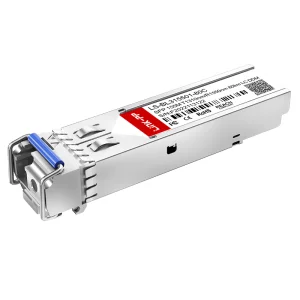
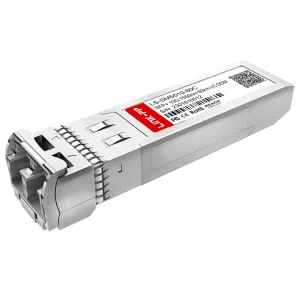
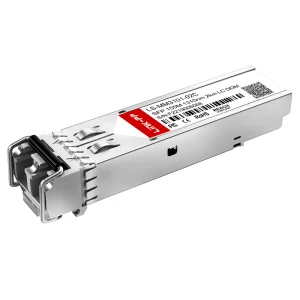
With the rapid scaling of 5G, Wi-Fi 6/7, and edge computing, network equipment manufacturers must bridge the gap between high-speed copper and multi-gigabit fiber networks. High-density designs like 10GBASE-T Copper SFP modules and ganged SFP+ cages are key to modern, adaptable IT environments.
Traditionally, fiber optics were used for long distances while copper handled short, local connections. Today's hardware configurations require both to work together seamlessly. Network switches need to support mixed ports, handling high-density RJ45 connections alongside SFP+ cages. This flexibility allows engineers to use cost-effective copper for patch lengths under 30 meters, while routing fiber connections where long-distance, low-latency performance is required.
Key Standard Compatibility: IEEE 802.3ab (1000BASE-T), IEEE 802.3an (10GBASE-T), IEEE 802.3ae (10G Fiber), and SFF-8431 Multisource Agreements.
Review technical parameters across standard RJ45 copper configurations and fiber transceivers to select the optimal physical interface for your aggregation switches.
| Interface Type | Maximum Reach | Power Consumption (Typical) | EMI Susceptibility | Ideal Application Scenario |
|---|---|---|---|---|
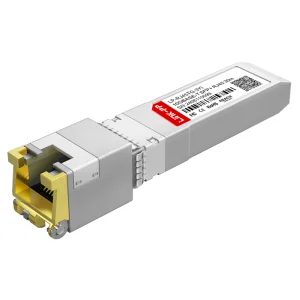
| 10GBASE-T SFP+ Copper | 30 meters (Cat6a/Cat7) | 2.3W – 2.5W | Low (requires shielded RJ45 modules) | High-density server switches, mid-row patch bays |
| 1000BASE-EZX SFP Fiber | 100 km (Single-mode) | 0.8W – 1.2W | Zero (optical carrier wave transmission) | Long-haul backhaul, metropolitan telco grids |
| Surface Mount (SMT) Magjack RJ45 | 100 meters (Cat5e/Cat6) | < 0.5W (Passive isolation) | Medium (requires integrated chokes) | Embedded boards, IoT industrial switches, routers |
| 10GBASE-ZR SFP+ Fiber | 80 km (Single-mode) | 1.5W – 1.8W | Zero | Inter-datacenter interconnects (DCI), core routing |
A professional manufacturer of optical transceivers and high-density fiber connectivity solutions serving global datacenter, telecom, and enterprise infrastructures.
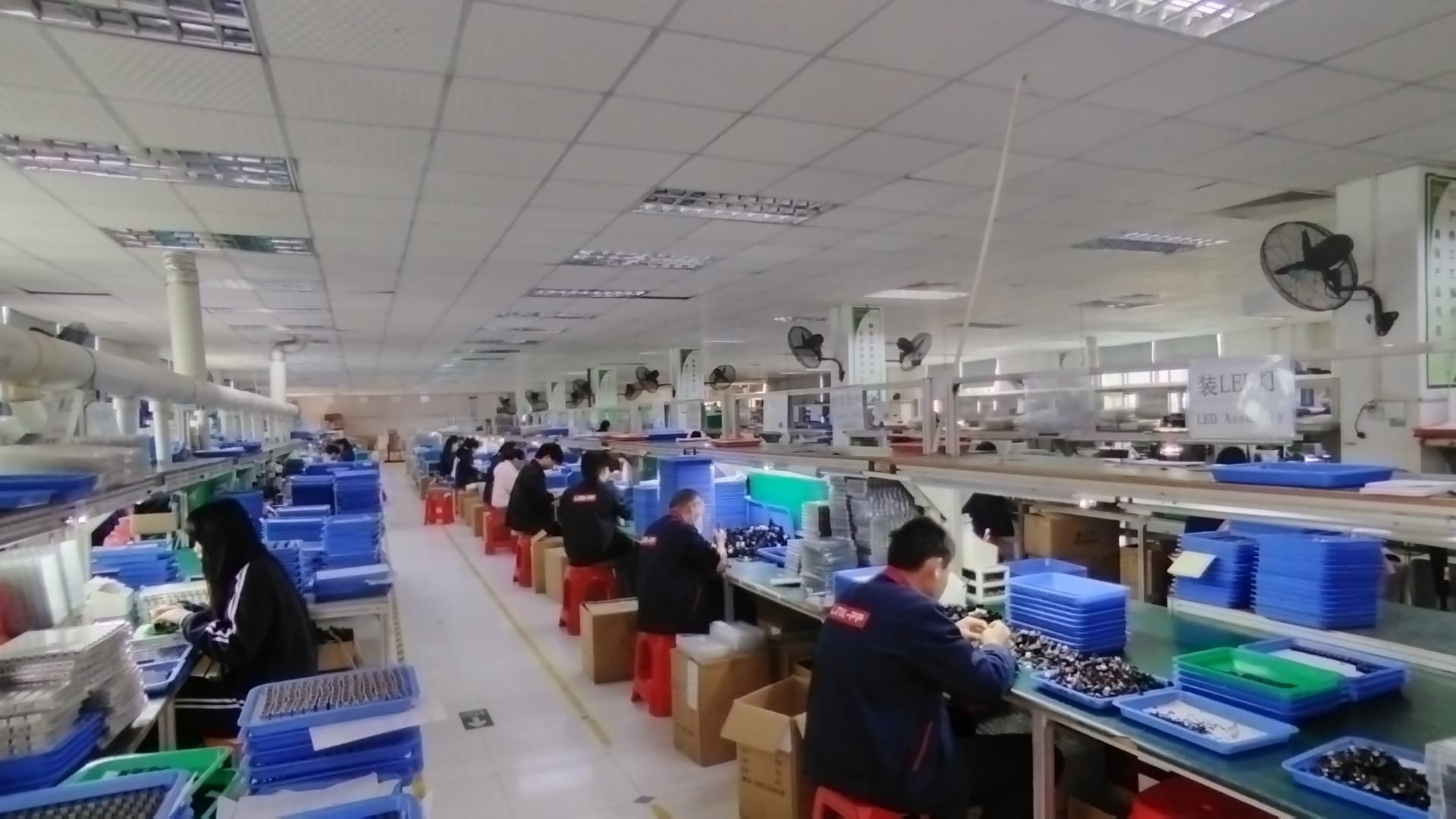
Established in 2016, Xelivor Optoelectronics Co., Ltd. operates from a modern manufacturing facility covering 386 m². This facility houses our high-precision product prototyping, compatibility testing rigs, and final quality control operations. Over the last eight years, we have built a global reputation for delivering highly reliable, high-performance optical communication and high-density copper interconnect components.
With a strong focus on technical innovation, our R&D division launched more than 85 new products last year alone. Our product range includes SFP, SFP+, SFP28, QSFP28, QSFP-DD, OSFP, DAC, and AOC solutions. This diverse portfolio allows us to support evolving requirements for 100G, 400G, and 800G optical networking infrastructures.
Quality is the core driver of our success. A dedicated quality assurance division of 32 expert inspectors manages an end-to-end QA flow. This process covers incoming materials inspection, in-process checking (IPQC), thermal aging, system compatibility tests, and optical parameter verification (measuring insertion loss, return loss, and eye diagrams).
Xelivor supports flexible manufacturing models tailored to the engineering standards of global system integrators and distributors:
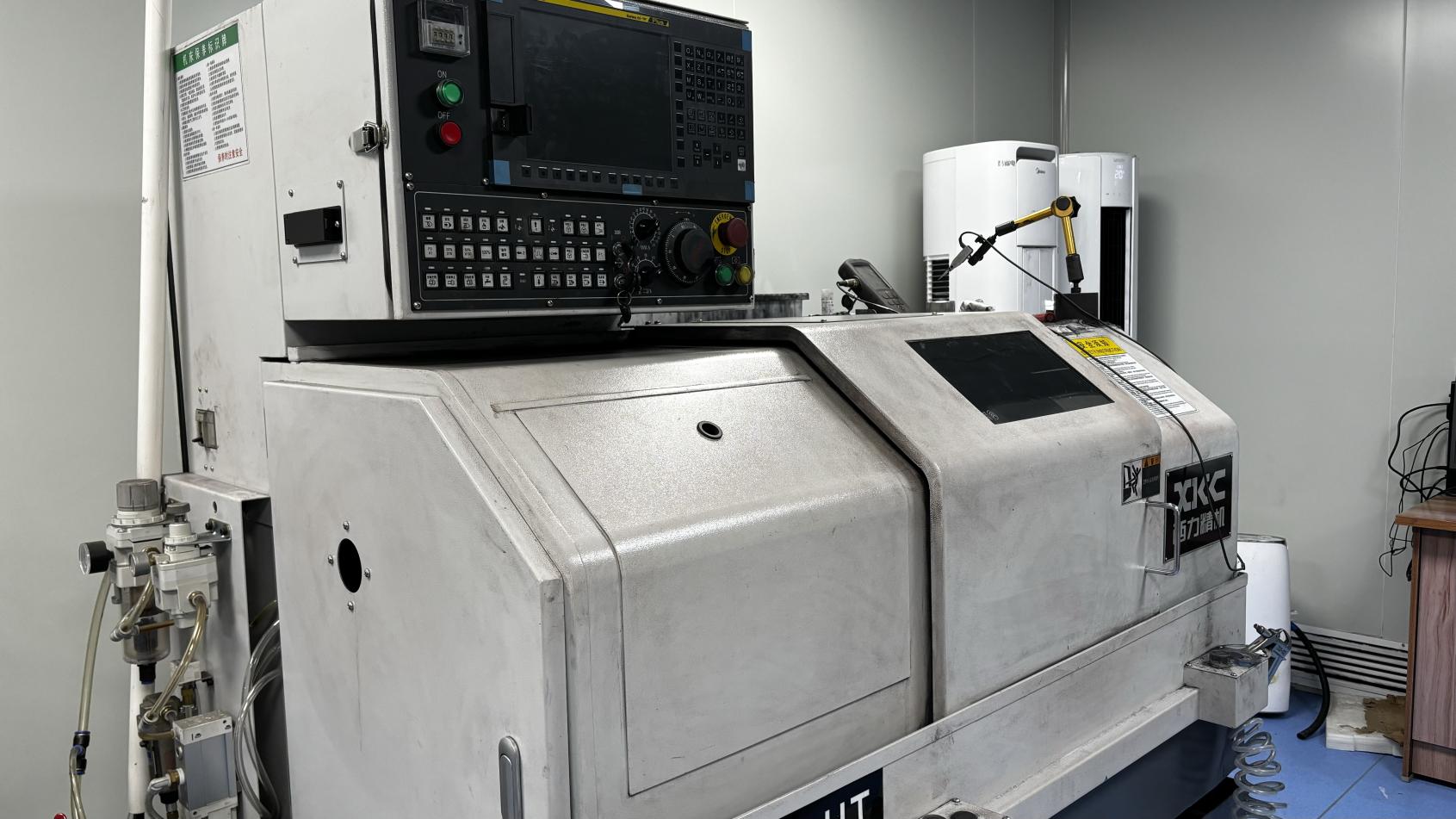
A visual view inside our quality assurance, physical testing, packaging, and high-speed assembly facilities.


How design choices at the board level prevent signal reflection, skew, and system errors in high-density configurations.
In multi-gigabit setups, high frequency noise can easily cross between physical channels. Integrated transformers (Magjacks) use common-mode chokes on both transmitter and receiver lanes. These chokes act as high-impedance barriers to common-mode noise while letting differential signals pass through cleanly. This layout ensures low insertion loss (<1.0dB up to 100MHz) and keeps cross-talk minimal.
When routing traces for link aggregation modules, keeping trace lengths matched is critical. If trace lengths differ (causing skew), the signals will arrive out of phase. This phase mismatch degrades the differential signal and increases electromagnetic emissions. Hardware engineers must use precise length matching on the PCB differential pairs and choose connectors with symmetrical internal routing.
High-density networks use press-fit (solderless compliant pins) connectors for multi-port cages. Press-fit pins avoid the thermal stress that wave soldering can apply to the PCB, and they provide reliable, low-impedance electrical contact. For lighter-duty industrial applications, surface mount (SMT) with through-hole LED anchors offers a strong physical bond to the board.
Technical answers addressing common integration challenges, signal integrity, and standard compliance for network hardware.
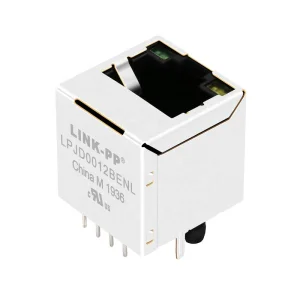
Explore our multi-port cages, vertical entry connectors, and 10G copper transceivers built for modern network switches.
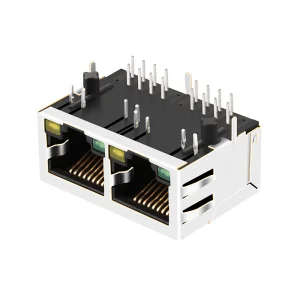
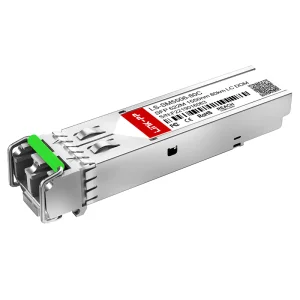
How Xelivor Optoelectronics ensures maximum uptime, low packet loss, and full compliance with global networking standards.
Our QA inspectors verify the performance of every production batch using high-speed network analyzers, digital oscilloscopes, and optical spectrum analyzers. These tools check return loss, eye-diagram shapes, and insertion loss to ensure they meet international guidelines.
To prevent early failures, our transceiver modules undergo strict thermal aging tests. We run modules under maximum electrical loads inside temperature chambers, which helps identify and filter out components that don't meet our lifetime durability standards.
Our products meet RoHS, CE, FCC, and REACH standards. We use lead-free manufacturing practices and follow MSA requirements to ensure our optical and copper components fit smoothly into international supply chains.