Xelivor
Xelivor
Xelivor
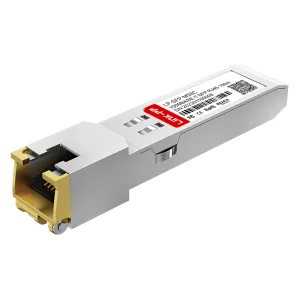
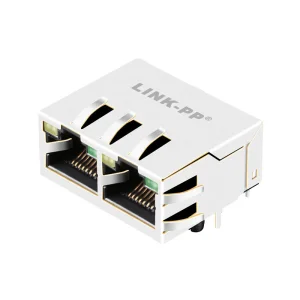
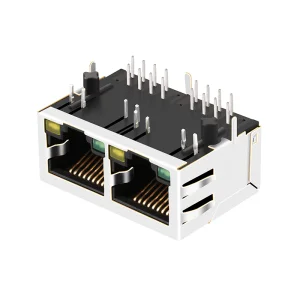
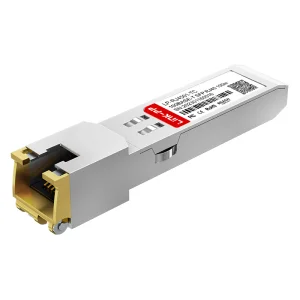
As global data architectures evolve to handle artificial intelligence workloads, edge computing, and high-frequency telecom matrices, the humble copper connection is undergoing a profound material and engineering transformation.
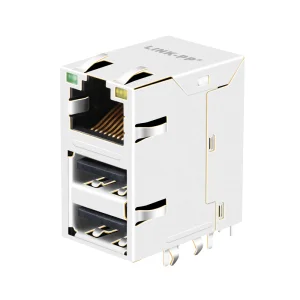
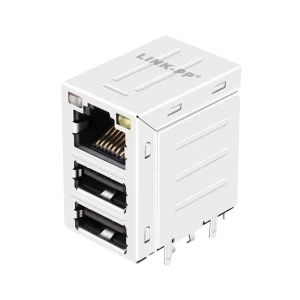
Historically, standard Ethernet ports relied on external magnetic components and basic RJ45 chassis. In today's dense network configurations, electromagnetic interference (EMI) and power dissipation are critical performance limiters. The migration to Integrated Connector Modules (ICMs), commonly referred to as Magnetic RJ45 Jacks or MagJacks, has become industry standard for enterprise equipment design.
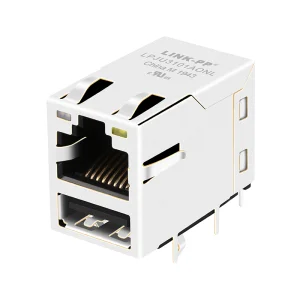
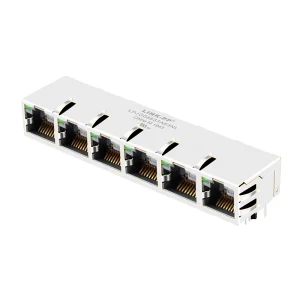
These components integrate the physical RJ45 connector, pulse transformers, common-mode chokes, and status LEDs into a single, shielded housing. This integration achieves several design advantages:
Modern data links demand precise signal isolation. Without high-quality magnetic transformers inside the RJ45 port, high-voltage spikes (ESD) and common-mode noise can destroy expensive networking silicon, resulting in system downtime and high maintenance overhead. That is why tier-1 network brands implement integrated solutions.
Understanding technical specifications and standard compliance is crucial for sourcing directors, network engineers, and system integrators. Procurement requirements are shifting towards higher bandwidth and power delivery capabilities.
| Application Standard | Frequency Range | Common Connector Interface | PoE Class Compatibility | Typical Network Deployment Scope |
|---|---|---|---|---|
| 100Base-T Fast Ethernet | Up to 100 MHz | Single-Port RJ45 Tab Down / Up | PoE (15.4W max) | Legacy IoT devices, Industrial PLCs, IP security cameras |
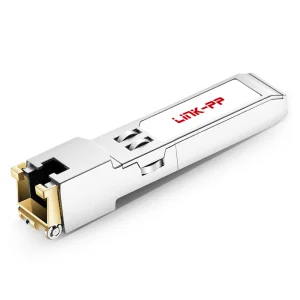
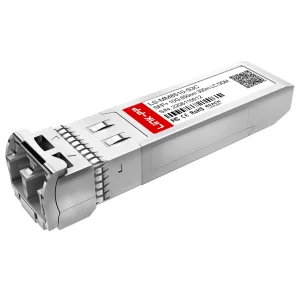
| 1000Base-T Gigabit Ethernet | Up to 125 MHz | Modular RJ45 Jack / Copper SFP Transceiver | PoE+ (30W max) | Enterprise switches, wireless access points, mainstream office LANs |
| 10G Base-T High-Speed | Up to 500 MHz | 10G Magnetic RJ45 Jack / SFP+ Copper Module | PoE++ (Up to 90W) | Datacenter edge links, NAS storage arrays, Core enterprise aggregation |
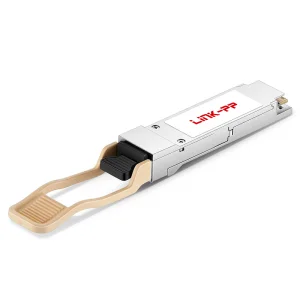
| Next-Gen 25G/40G Base-T | Up to 2000 MHz | QSFP / QSFP-DD Transceiver Interfaces | Non-PoE (Pure optical/copper high-density) | Hyperscale datacenter spines, cloud aggregation nodes, AI training clusters |
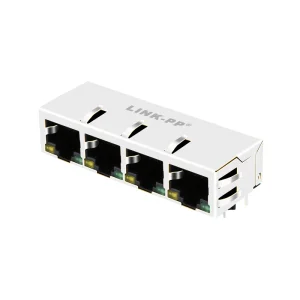
Hardware designers require smaller footprints. Multi-port configurations such as 1x2, 1x6, and stacked 2x4 connectors allow for space-saving designs, enabling high-density switches that handle more bandwidth per rack unit.
High-power Power-over-Ethernet (PoE++ up to 90W) generates heat within the connector. Modern designs incorporate high-thermal conductivity plastics and integrated metal shell heat sinks to dissipate heat from the core contacts.
Metal Faraday shields with multiple grounding tabs (EMI fingers) are essential to prevent electromagnetic energy leakage, ensuring the equipment meets FCC Part 15 and EN55022 compliance standards.
Established in 2016, Xelivor Optoelectronics Co., Ltd. has established a strong reputation for high-precision manufacturing, catering to data center, telecom, enterprise network, and cloud computing markets worldwide.
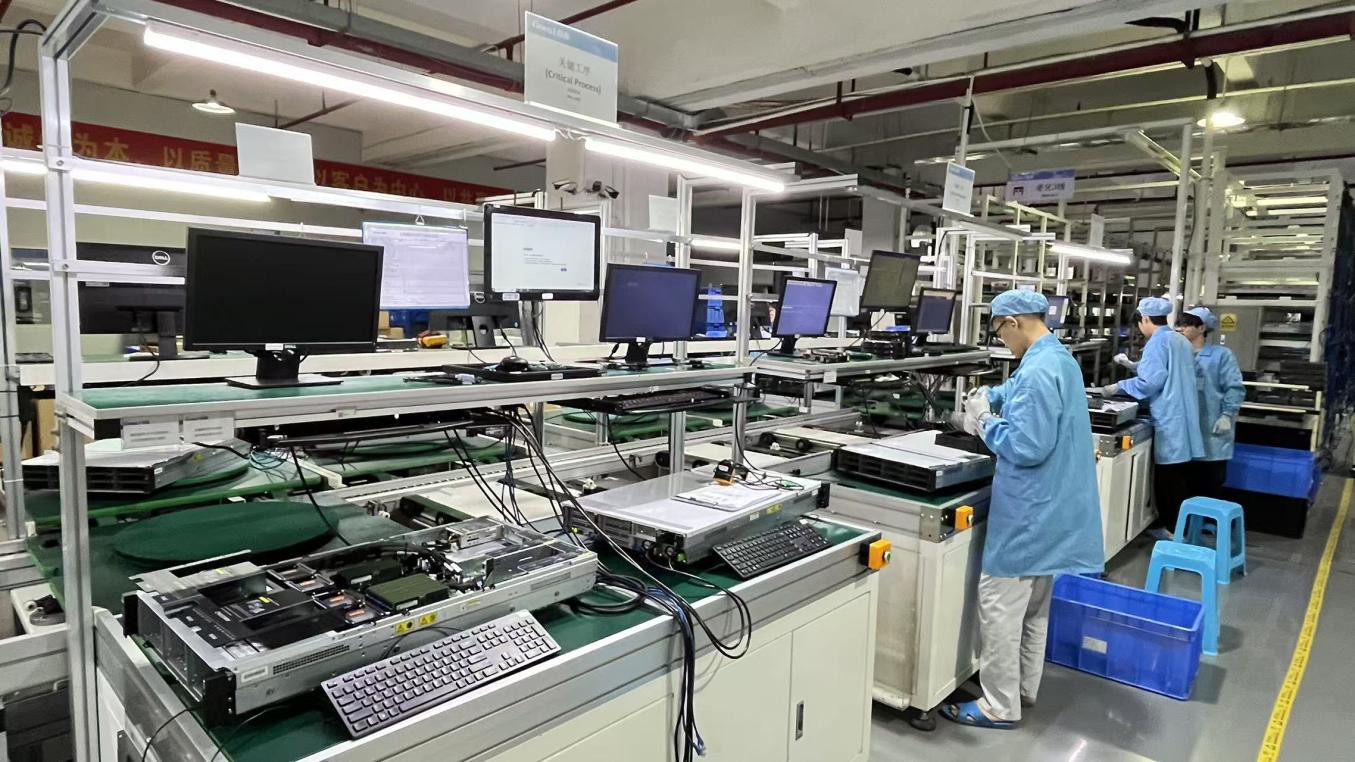
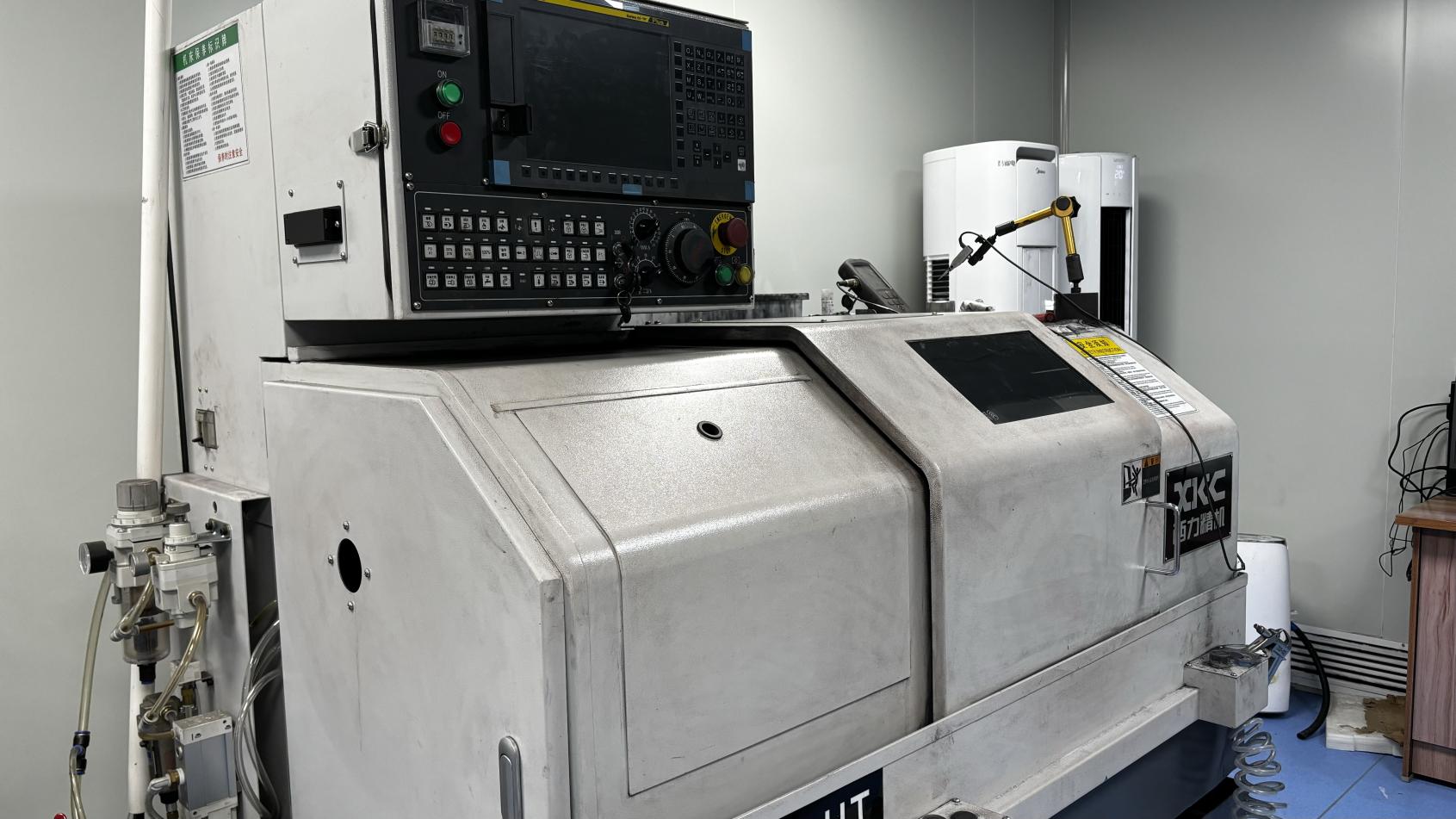
Operating a specialized 386 m² manufacturing facility, Xelivor emphasizes precision engineering and strict quality assurance. A dedicated R&D team of 68 engineers continuously refines design tolerances to stay ahead of technology curves. In the past year alone, the R&D group successfully designed and commercialized more than 85 new products, securing our competitive edge in high-speed optical transceivers and copper interconnects.
Quality assurance is embedded in our standard operating procedures. Guided by a professional quality control team of 32 QA inspectors, Xelivor implements a strict testing matrix including:


Ethernet connectors and transceivers do not operate in isolation. They form the physical layer foundation for distinct hardware environments, each presenting unique engineering challenges.
Within dense server racks, space optimization and heat dissipation are critical. Xelivor’s QSFP28, QSFP-DD, and DAC/AOC solutions enable high-density connections with minimal insertion loss, supporting modern containerized architectures and AI training farms.
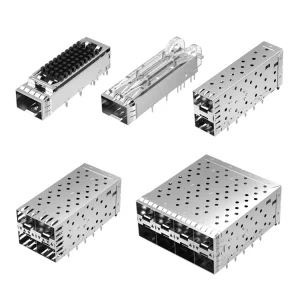
Factory environments expose sensitive electronics to electromagnetic noise, mechanical vibration, and wide temperature swings. Our ruggedized SFP cages and shielded MagJacks with integrated ESD components help protect connected devices and minimize downtime.
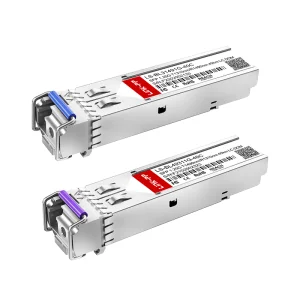
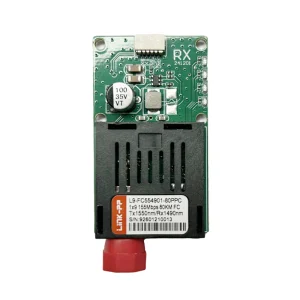
Carrier networks require highly stable components that can operate continuously in outdoor enclosures. Our single-mode BiDi SFP transceivers and long-reach fiber optic modules (up to 80km) are designed to deliver reliable performance for broad edge networks.
Navigating import tariffs, environmental regulations, and lead times is key to managing sourcing risk. Xelivor leverages strategic supply chain partnerships to offer reliable service to global buyers.
Recognizing that standardized connectors do not always fit bespoke hardware designs, Xelivor provides highly customizable production services, including:
Our long-term collaboration with over 850 raw material suppliers ensures component availability and fast lead times, even during tight market conditions.
Our complete product portfolio is manufactured to meet major international environmental and performance regulations, facilitating straightforward customs clearance and product integration:
We provide full trace documentation, certificate copies, and environmental reports upon request to support your regulatory audits.
As networks transition toward 400G and 800G, connectivity requirements are changing rapidly. High-speed transceivers require specialized engineering to handle high heat and noise levels.
Optimizing multi-channel MagJacks to support high-density 10G Base-T networks, focusing on power reduction and improved EMI shielding design.
Developing QSFP56 and QSFP-DD transceiver packaging that optimizes thermal paths and helps prevent data degradation over high-bandwidth links.
Integrating optical engines directly onto switch chips (CPO) to improve signal integrity, minimize latency, and reduce total power consumption.
Answers to common technical and sourcing questions for design engineers and procurement departments.
A Magnetic RJ45 Jack combines the physical port with isolation transformers and noise filters in one shielded block. This saves board space, improves signal-to-noise ratio, and helps protect the PHY chip against ESD, voltage spikes, and electromagnetic interference.
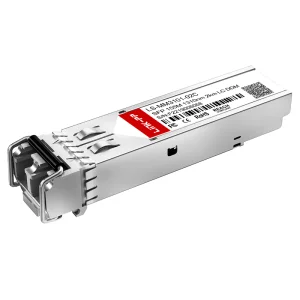
We verify compatibility by writing brand-specific configuration data to the transceiver's internal EEPROM. During final inspection, we test our modules on Cisco, Juniper, Hirschmann, and other target switch platforms to ensure seamless hardware detection and telemetry monitoring.
For high-power PoE++, you need gold-plated contacts to prevent electrical arcing during connection, thick copper leads to minimize internal resistance, and heat-resistant housing plastics to withstand the heat generated by high current loads.
Standard production runs are completed in 2 to 3 weeks, supported by our stock of components and partnerships with over 850 suppliers. Custom mechanical designs or specific chipsets may require additional design and testing time.