Xelivor
Xelivor
Xelivor
Explore our high-performance RJ45 interfaces, modular jacks, and compatible optical transceivers engineered to meet the demanding requirements of modern enterprise and industrial data architectures.
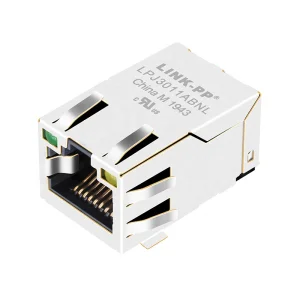
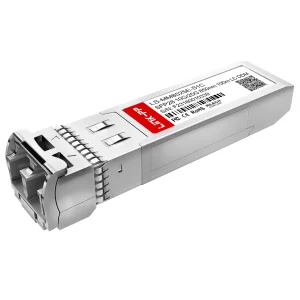
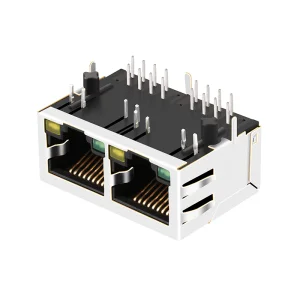
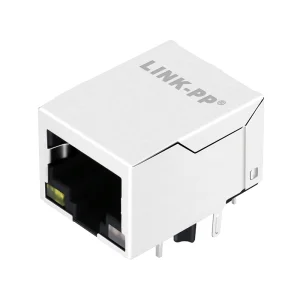
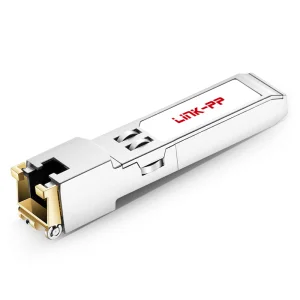
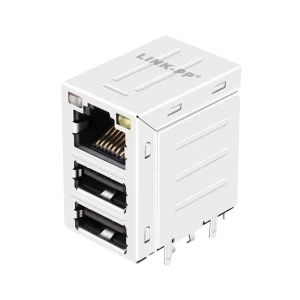
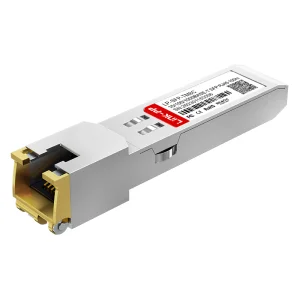
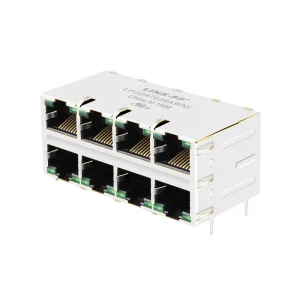
The global telecommunications and industrial automation landscapes are undergoing a profound paradigm shift. As data collection shifts towards the edge, rugged and reliable physical layer connections have transitioned from auxiliary hardware to critical infrastructure. The Panel Mount RJ45 Connector stands at the core of this transition, acting as the primary gateway between external environmental stress and sensitive digital signal processing.
Modern factories rely on decentralized edge intelligence. Panel mount RJ45 connectors provide standard-compliant Ethernet ports directly on heavy machine panels, PLC enclosures, and HMI terminals. This integration allows rapid field diagnosis and dynamic control system updates while safeguarding internal systems from dust, vibrations, and mechanical stress.
From marine electronics to solar farms, outdoor network nodes require strict compliance with ingress protection standards. Modern panel mount designs feature IP67 and IP68 sealing mechanisms, utilizing specialized gaskets, threaded couplings, and bayonet locking caps to prevent moisture infiltration during high-pressure washdowns or prolonged outdoor exposure.
Transitioning from Fast Ethernet to 2.5G, 5G, and 10G Base-T speeds requires precise impedance matching and electromagnetic interference (EMI) shielding. Advanced panel mount RJ45s integrate metal shields, internal magnetic modules, and grounding tabs to suppress crosstalk and sustain high-speed data transfers across long copper runs.
Designing standard-compliant interconnects requires careful mechanical and electrical optimization. Our engineering pipeline bridges the gap between high-speed signal requirements and mechanical durability. Our design focus areas include:
| Category | Max Speed | Shielding Target |
|---|---|---|
| Cat 5e | 1 Gbps | Basic UTP/STP |
| Cat 6 | 1 Gbps (10G short) | Internal Splines / STP |
| Cat 6A | 10 Gbps | Individual Foil / Overbraid |
| Cat 8.1 | 40 Gbps | High Frequency Shielding |
*Note: Upgrading physical connectors to higher standards ensures structural compliance for future-proof deployments.
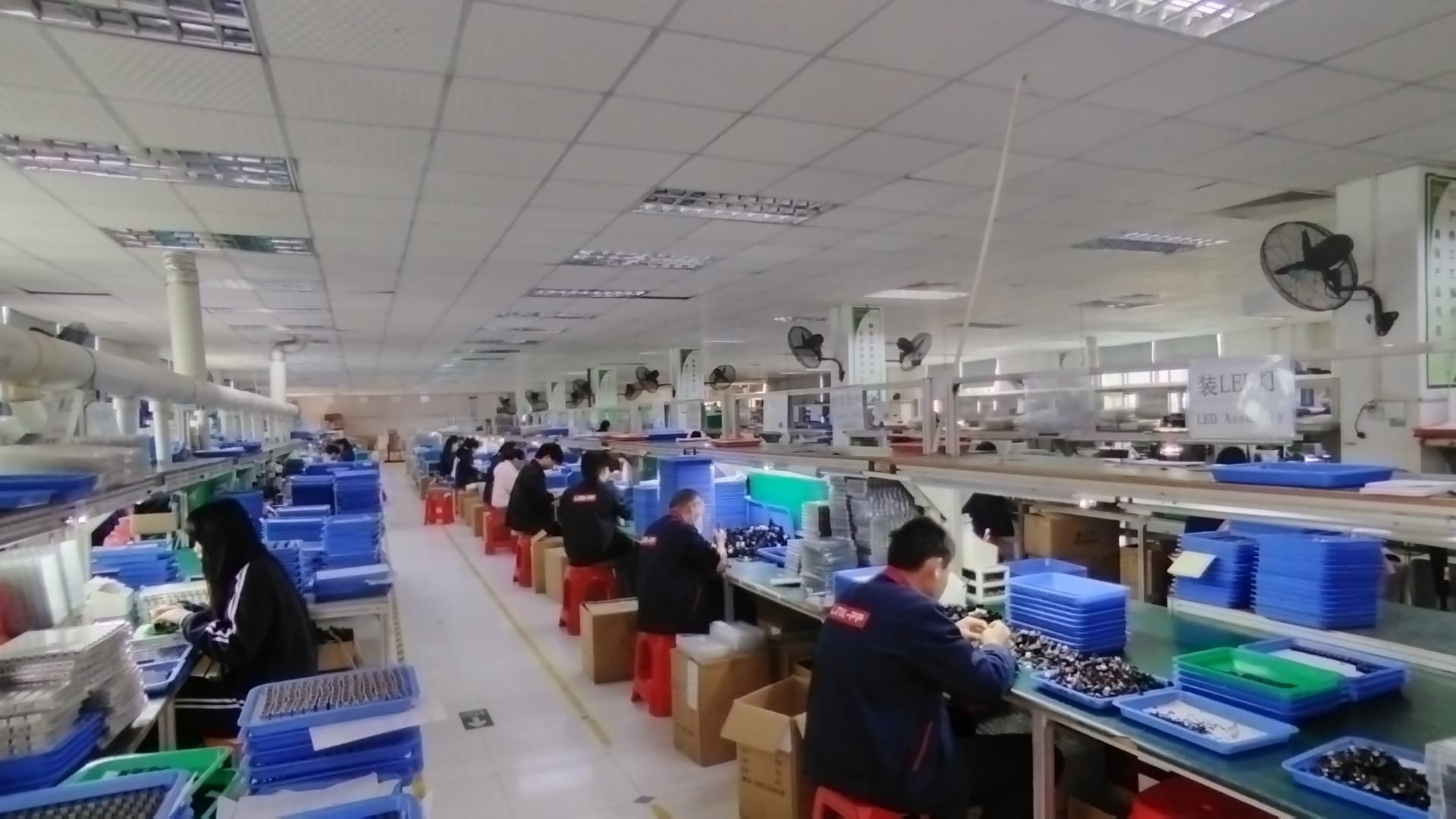
Xelivor Optoelectronics Co., Ltd. is a professional manufacturer of optical transceivers and fiber connectivity solutions, dedicated to serving global data center, telecom, enterprise network, and cloud computing industries. Established in 2016, we have built a strong reputation for delivering reliable, high-performance optical communication products worldwide.
With over 8 years of industry experience and 6 years of export experience, Xelivor operates from a modern manufacturing facility covering 386 m² and supports a wide range of networking applications from enterprise infrastructure to hyperscale data centers. Our products are exported to customers across North America, Europe, Southeast Asia, the Middle East, and South America.
We specialize in the design, development, and production of optical transceivers, including SFP, SFP+, SFP28, QSFP28, QSFP-DD, OSFP, DAC, and AOC solutions. Backed by our dedicated R&D team, we continuously invest in innovation and launched more than 85 new products in the past year to meet the evolving demands of high-speed optical networks.
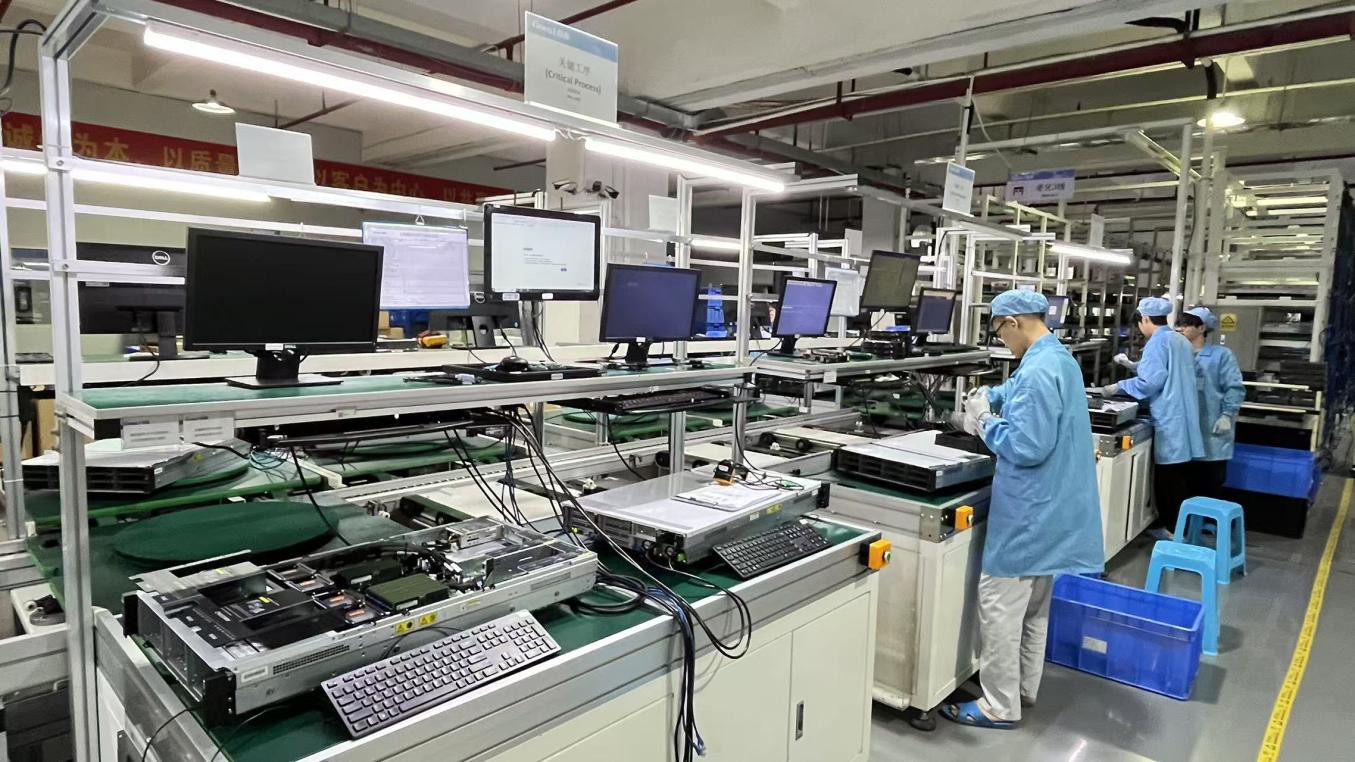
Quality is at the core of our operations. Our quality management system incorporates incoming material inspection, in-process quality control, aging tests, compatibility verification, optical parameter testing, and final product inspection. Our professional quality assurance team ensures every product meets strict international standards before shipment.
The company maintains long-term cooperation with more than 850 supply chain partners, enabling stable sourcing, efficient production, and rapid delivery capabilities. Our flexible manufacturing system supports OEM, ODM, private label, customized firmware, customized labeling, and packaging services to satisfy diverse customer requirements.
Physical network connectors operate under different standards and compliance criteria depending on the target market and local operating environment.
Deployments across the US and Canada demand compliance with strict flame retardancy ratings (UL 94V-0) and local building code standards. In industrial applications, our panel mount connectors feature rugged composite frames designed to resist thermal shock and mechanical impacts typical of large automated distribution hubs.
European deployments prioritize environmental footprint compliance (RoHS & REACH) along with high electromagnetic tolerance (EMC). High-end automation frameworks in Germany and Italy deploy our shielded panel mount interfaces to prevent localized electrical interference from heavy variable frequency drives (VFDs).
With high humidity and elevated ambient temperatures, network installations in tropical regions require robust anti-oxidation treatment. Our connectors utilize localized nickel-underplated gold contacts to prevent atmospheric corrosion, guaranteeing long-term signal stability in telecommunication towers and municipal cabinets.
Discover our range of multi-gigabit transceivers, low-profile modular jacks, and high-frequency SFP cages designed for robust telecom deployments.
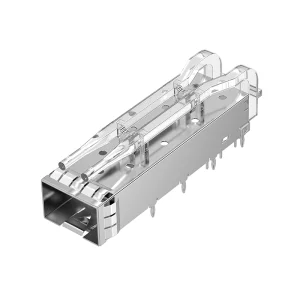
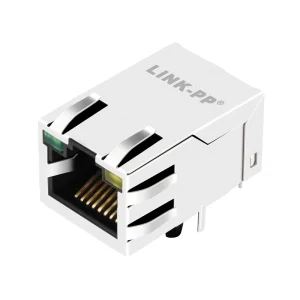
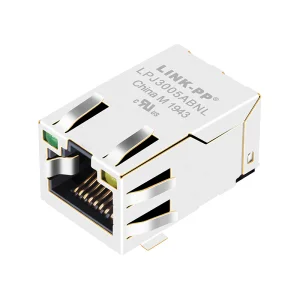
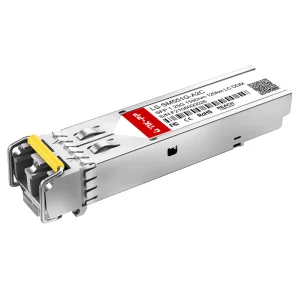
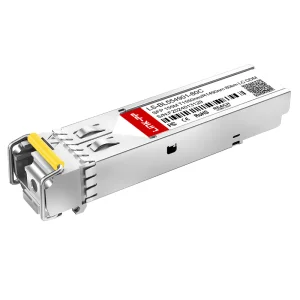
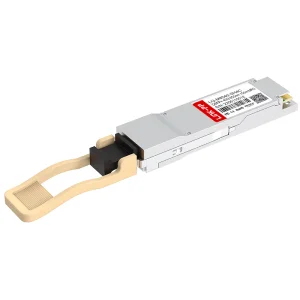
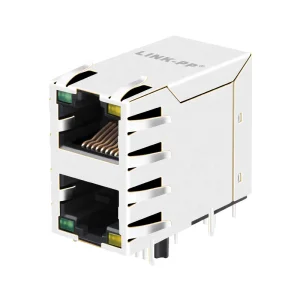
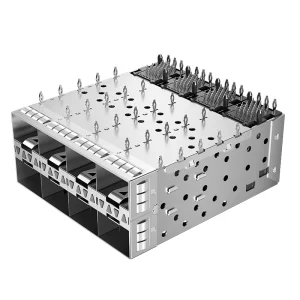
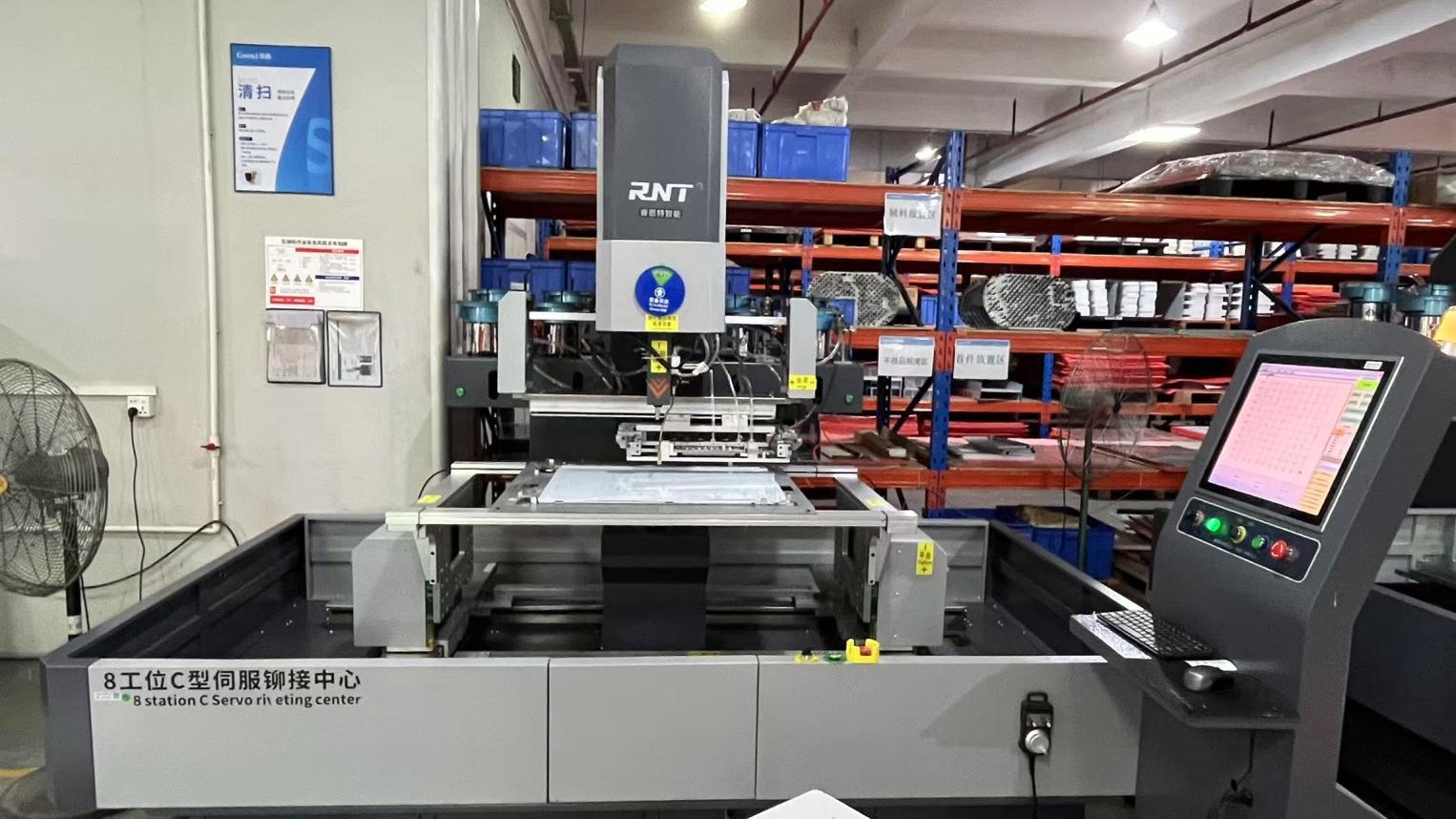
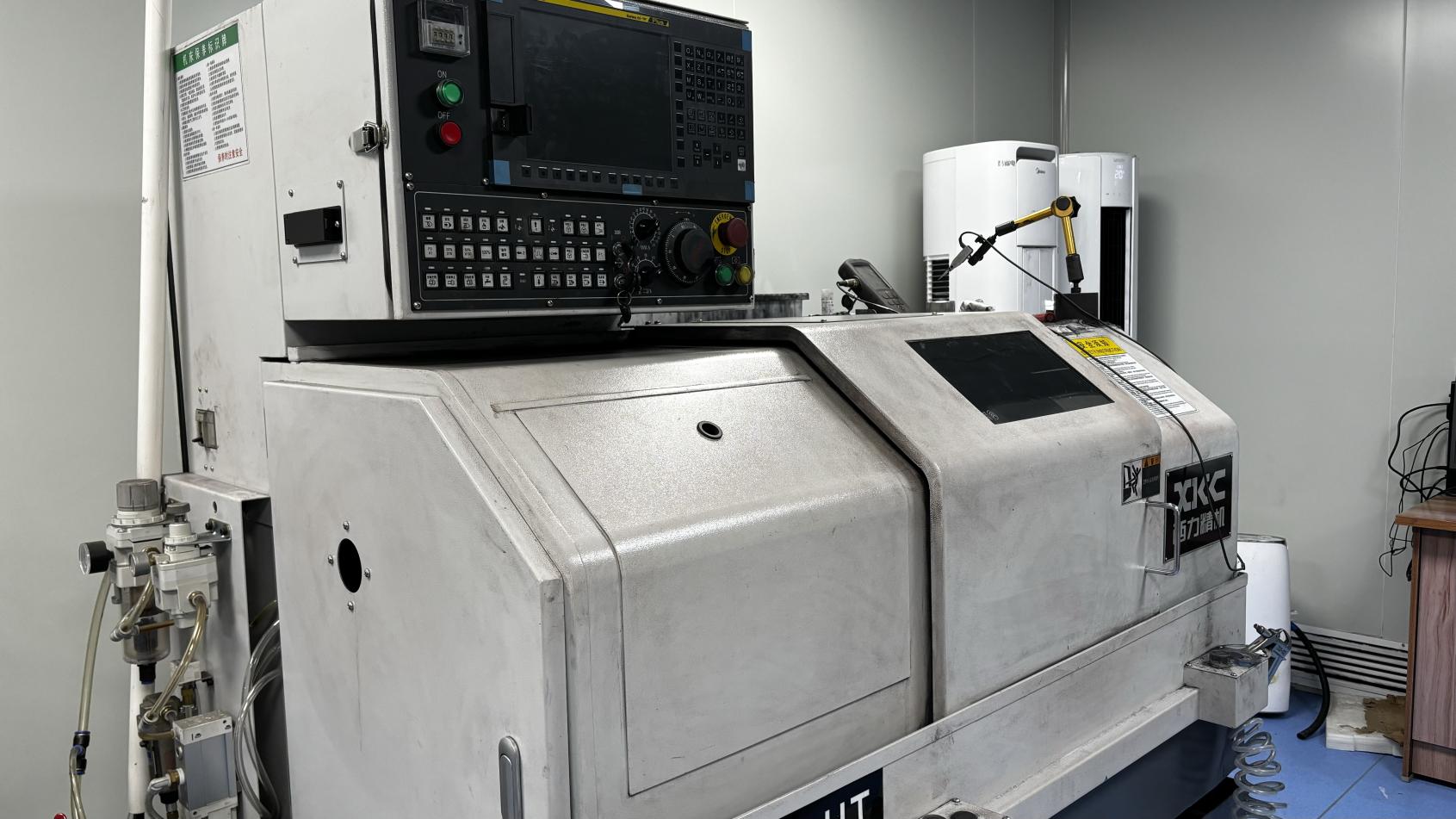
Our dedicated facility leverages automated assembly systems and precise optical inspection equipment to deliver consistent, high-yield manufacturing runs. With 32 inspectors managing our quality control program, every system connector and optical module is tested under representative thermal and mechanical stresses prior to packaging and dispatch.