Xelivor
Xelivor
Xelivor
Explore our high-performance optical interface solutions, optimized for low insertion loss, high reliability, and seamless multi-vendor compatibility.
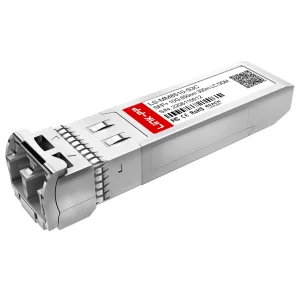
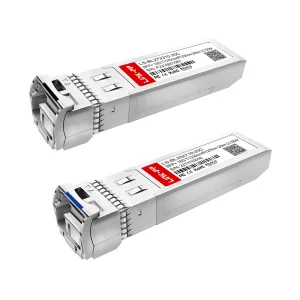
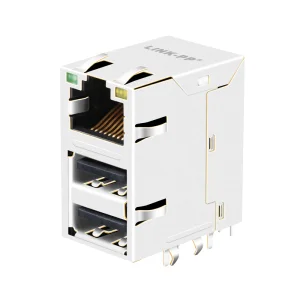
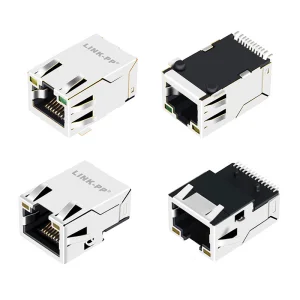
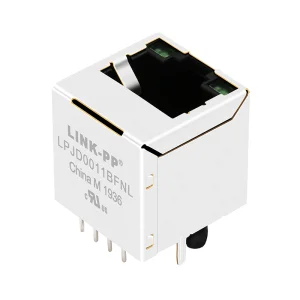
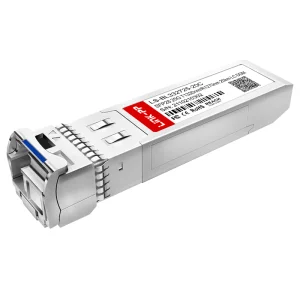
In the era of 5G rollout, cloud computing expansion, and hyperscale data center consolidation, fiber optic networks serve as the nervous system of the digital economy. The demand for bandwidth is growing exponentially, forcing telecom operators, ISPs, and enterprise system integrators to upgrade their optical link infrastructure. Among the various modules in use today, the Single Mode SFP (Small Form-factor Pluggable) module remains the cornerstone for long-reach transmission due to its low attenuation coefficient, high bandwidth capacity, and physical distance performance.
Single Mode Fiber (SMF), utilizing a thin core diameter of approximately 9μm, allows only a single spatial mode of light to propagate. This design virtually eliminates modal dispersion, enabling signals to travel up to 10km, 40km, 80km, or even 120km without requiring heavy amplification. The trends transforming the Single Mode SFP market include:
Understanding when to deploy Single Mode SFP modules vs. Multimode SFP modules is critical for project design optimization and cost containment. Below is a structured engineering breakdown comparison:
| Feature Parameter | Single Mode SFP Module (SMF) | Multimode SFP Module (MMF) |
|---|---|---|
| Core Diameter | ~9 μm (Micrometers) | 50 μm / 62.5 μm (OM2, OM3, OM4, OM5) |
| Light Source Type | Laser (DFB - Distributed Feedback, EML - Electro-absorption Modulated Laser) | VCSEL (Vertical-Cavity Surface-Emitting Laser) or LED |
| Wavelengths | 1310 nm, 1550 nm, CWDM, DWDM band | 850 nm, 1300 nm |
| Transmission Distance | Up to 10 km, 40 km, 80 km, 120 km | Typical max 300m - 500m (over OM4) |
| Modal Dispersion | Extremely Low (Near-Zero) | High (Limits maximum distance-bandwidth product) |
| Application Scope | Telecom WANs, Metropolitan Networks (MANs), long-distance FTTx | Intra-rack, inter-rack Data Centers, local corporate LANs |
Procurement departments and network engineers face complex requirements when sourcing Single Mode SFP modules from China wholesale factories. Selecting the cheapest factory without validating engineering credentials can lead to link dropouts, compatibility lock-outs, and high failure rates in the field. To minimize Total Cost of Ownership (TCO), professional buyers prioritize three primary variables: MSA compatibility, thermal performance reliability, and supply chain resilience.
Major switch manufacturers use proprietary firmware keys to block generic transceivers. Sourcing from a manufacturer capable of coding and testing the domestic EEPROM to match Cisco, Juniper, HPE, Huawei, or Arista protocols is mandatory for zero-error installation.
Deployments in telecom cell towers or roadside traffic control boxes face extreme thermal fluctuations. Standard transceivers operate from 0°C to 70°C; industrial setups demand hardened components functioning reliably from -40°C to +85°C.
Hardware must strictly adhere to SFF-8472 and SFF-8431 standards, integrating Digital Diagnostic Monitoring (DDM/DOM) so network administrators can poll TX power, RX power, laser bias current, voltage, and temperature remotely in real-time.
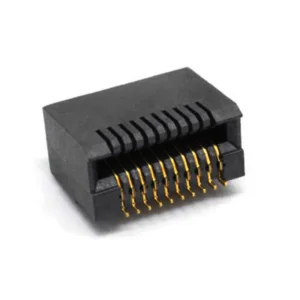
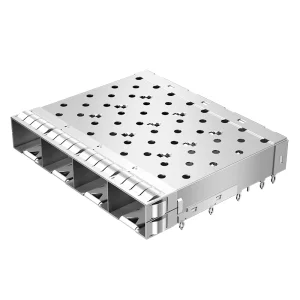
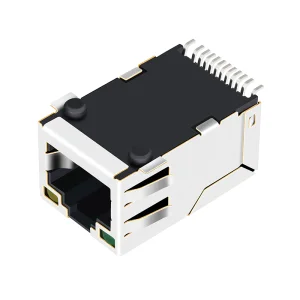
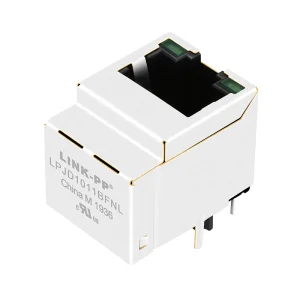
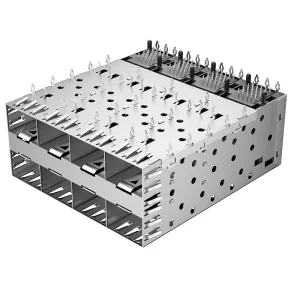
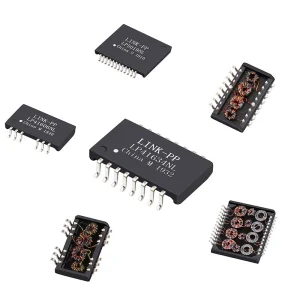
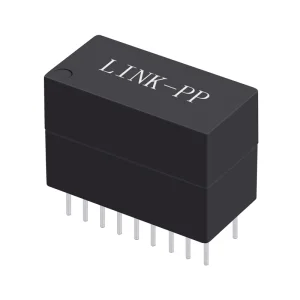
Enterprise and telecom environments require unified physical layer components that bridge optical transceivers with copper ports and physical PCBs. For example, our ganged SFP cages (such as the 1658390-2 2170286-1 right angle 2x4 press-fit) are engineered to provide robust electromagnetic interference (EMI) shielding and high port-density optimization on modern core switches. Meanwhile, high-frequency discrete magnetic network transformers (e.g., the HST-4093SCR series) handle common-mode noise rejection and galvanic isolation on board layouts where SFP cages and RJ45 modular jack connectors are densely packed, preventing signal degradation in multi-gigabit interfaces.
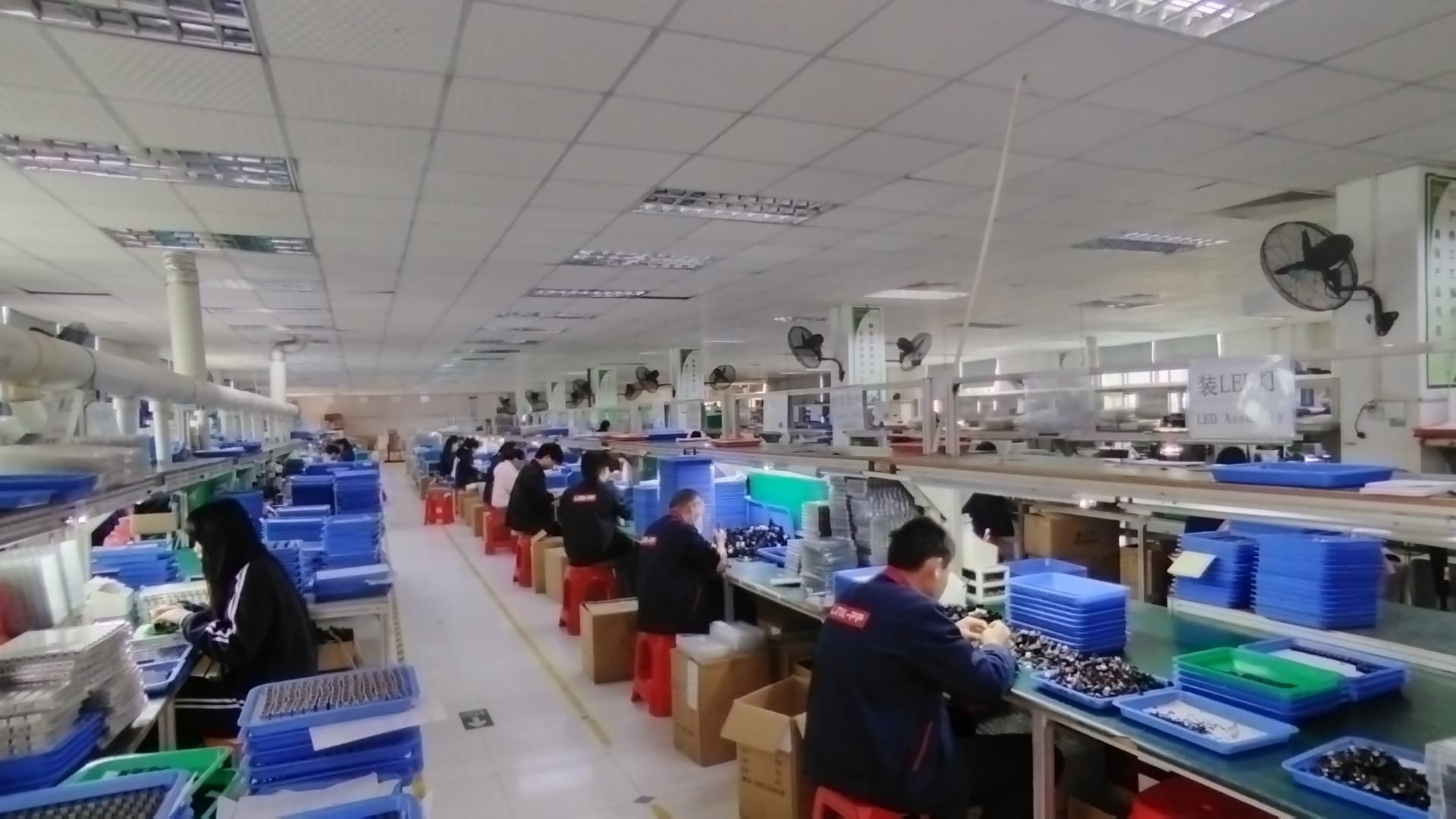
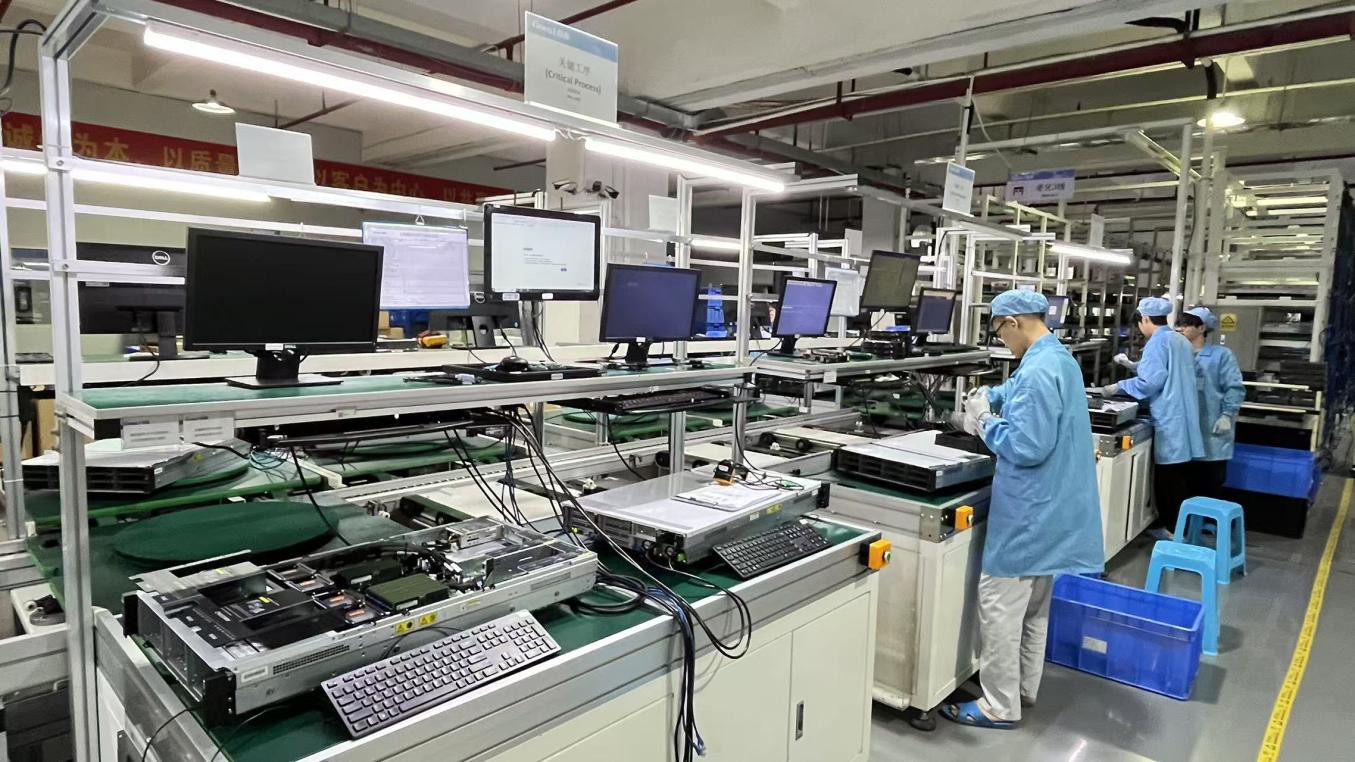
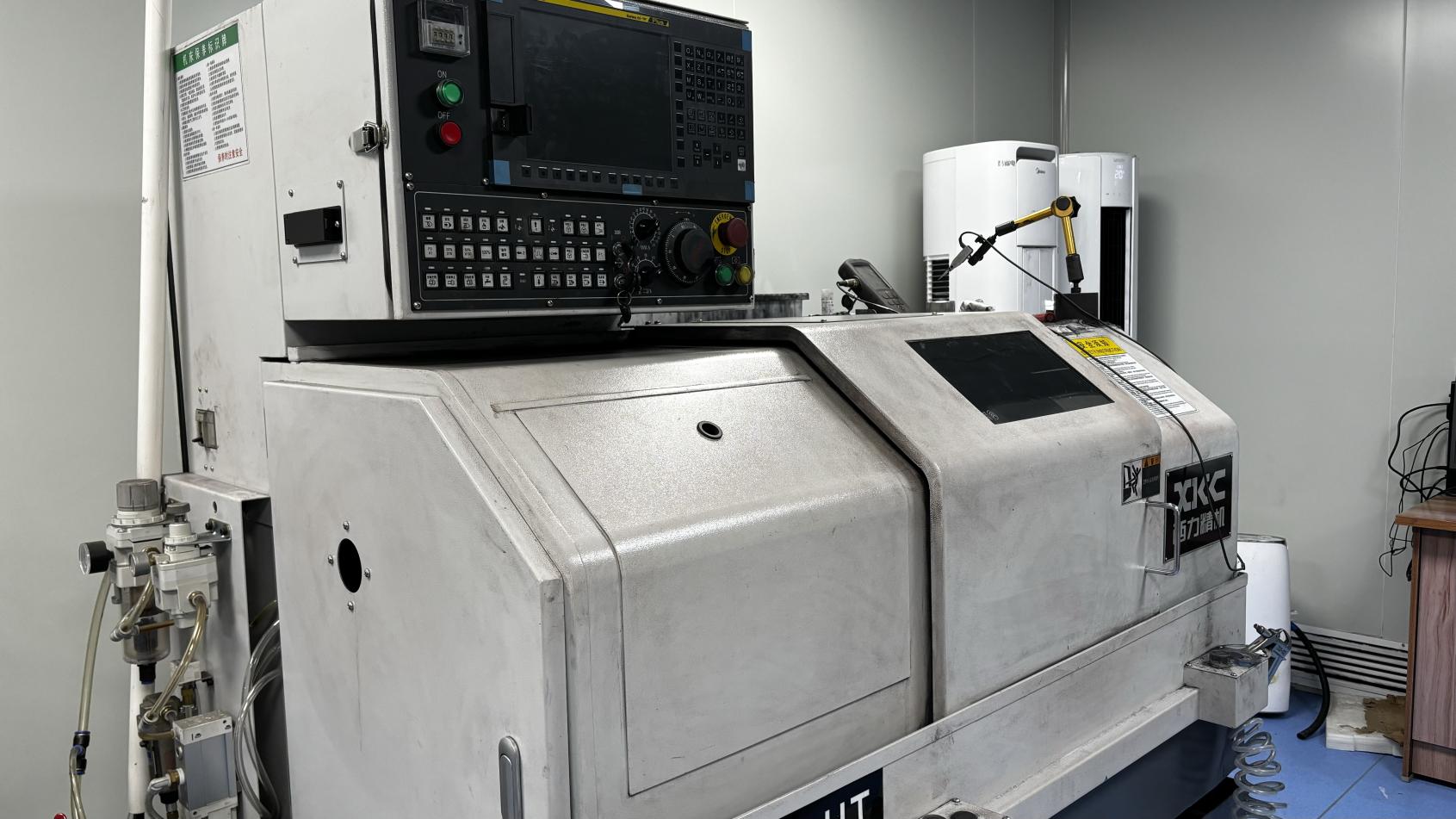
Established in 2016, Xelivor Optoelectronics Co., Ltd. is a leading manufacturer of high-performance optical transceivers and fiber connectivity solutions. Operating from our modern, high-precision manufacturing facility in China, we specialize in the design, development, and high-volume production of optical interconnect solutions, including SFP, SFP+, SFP28, QSFP28, QSFP-DD, OSFP, DAC, and AOC modules.
With over 8 years of industry experience and 6 years of international export operations, Xelivor has registered annual export revenues exceeding USD 12 million. Our international footprint extends across North America, Europe, Southeast Asia, the Middle East, and South America, supporting global ISPs, enterprise data centers, and telecommunication network infrastructures.
Our competitive advantage is driven by engineering depth: our dedicated R&D department houses 68 design and validation engineers, enabling us to launch over 85 custom-engineered and new products annually. Production is backed by a robust supply network of over 850 partners, securing raw materials and custom components to guarantee stable lead times and volume pricing scalability.
At Xelivor Optoelectronics, quality is integrated into every step of the assembly line. Our specialized facility utilizes cleanroom environments to assemble delicate optical engines (TOSA, ROSA, BOSA). A team of 32 professional quality assurance inspectors oversees a testing regimen that guarantees zero-defect shipments. Every single mode SFP module undergoes:

The roadmap for SFP transceiver modules is shaped by the transition from NRZ (Non-Return-to-Zero) modulation to PAM4 (Pulse Amplitude Modulation 4-Level) and coherent transmission. While 1G and 10G single-mode transceivers still dominate industrial automation, utility networking, and legacy FTTH networks, 25G SFP28 and 100G QSFP28 modules have become standard in enterprise data centers. 5G fronthaul deployments rely on 25G BiDi (Bidirectional) modules to reduce fiber usage.
Looking ahead, the optical interconnect industry is moving toward silicon photonics. By integrating optical modulators and detectors directly onto silicon substrates, manufacturers can drastically reduce unit assembly costs and heat output. Xelivor's R&D is focused on co-packaged optics (CPO) and coherent SFP-DD configurations, designed to support next-generation 400G and 800G transmission architectures.
We provide full-spectrum OEM and ODM customization services for global network vendors. Our custom engineering support includes:
Find technical answers on compatibility, distance limits, custom engineering, and single-mode fiber optic standards.
Single Mode SFP modules are categorized by optical link budget and nominal reach: LX/LH (10km at 1310nm), EX (40km at 1310nm or 1550nm), ZX (80km at 1550nm), and EZX (up to 120km or 160km using cooled DFB/EML lasers). The actual reach depends on fiber link quality, splice count, and insertion loss.
We use an advanced EEPROM coding process to program target switch vendor codes (such as vendor name, part number, and checksums) into the module's controller. Our QA lab tests each transceiver on actual Cisco, Juniper, HPE, and Arista switches to verify error-free diagnostic telemetry.
DDM (Digital Diagnostic Monitoring) and DOM (Digital Optical Monitoring) are essentially the same under the SFF-8472 standard. They allow network administrators to monitor real-time operating parameters, such as optical output power, optical receiver power, temperature, transceiver voltage, and laser bias current.
Generally, no. Directly connecting them results in significant insertion loss and modal noise due to the mismatch in core sizes (9μm vs. 50μm). If you must bridge them, use a Mode Conditioning Patch (MCP) cable, though this is typically limited to specific gigabit-only applications over short distances.
We provide press-fit pinning layout modifications, custom port configurations (e.g., 1x1, 1x4, 2x4, 2x8 SFP cages), integrated lightpipes, EMI gasket alterations, and customized internal magnetic winding ratios for our network transformers to meet specific high-density PCB layouts.
Explore our additional optical and physical layer interconnect components, designed to ensure signal integrity across enterprise networks.