Xelivor
Xelivor
Xelivor
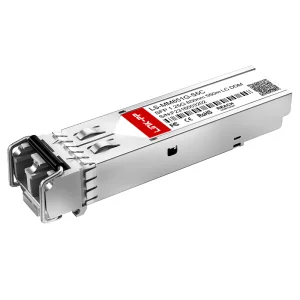
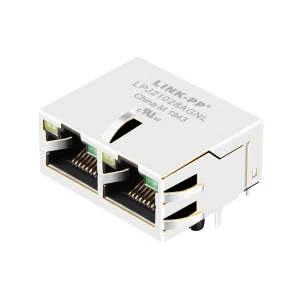
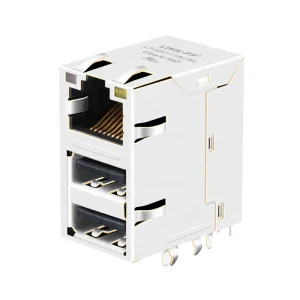
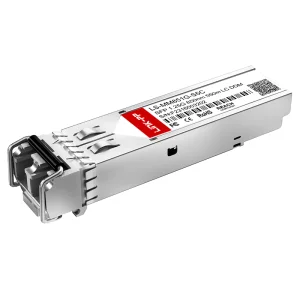
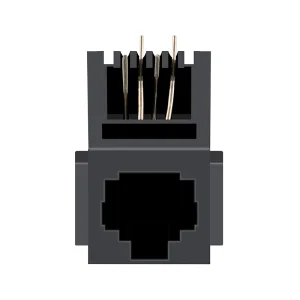
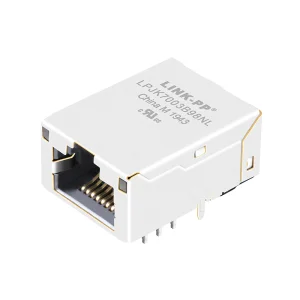
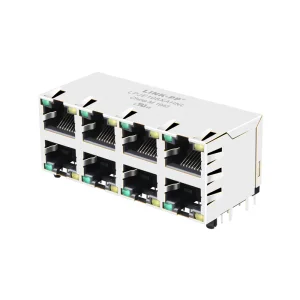
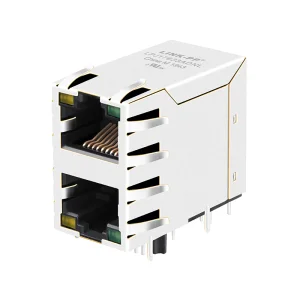
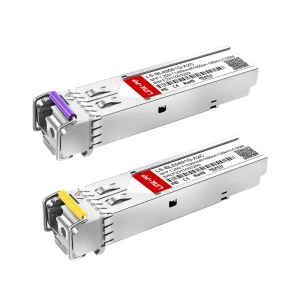
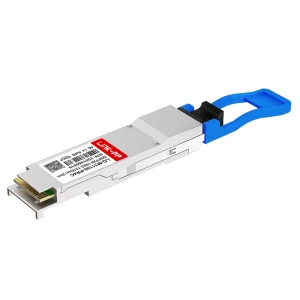
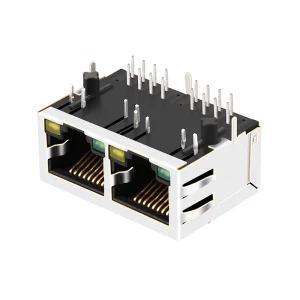
Deploying enterprise Wireless Access Points requires high-performance, shielded physical layer (PHY) components, magnetic connectors, and transceivers to ensure multi-gigabit throughput. Explore the primary connectivity elements below:
The enterprise network landscape is undergoing a massive transformation. The rapid proliferation of Internet of Things (IoT) devices, the migration of critical business workloads to hybrid clouds, and the rise of ultra-high-definition collaboration tools have placed unprecedented demands on local area networks (LANs). In this context, the Wireless Access Point (WAP) has evolved from a simple convenience to a mission-critical infrastructure component.
Modern enterprises are transitioning swiftly from legacy Wi-Fi 5 (802.11ac) architectures to Wi-Fi 6 (802.11ax), Wi-Fi 6E, and the nascent Wi-Fi 7 (802.11be) standards. These new standards introduce wider channel allocations (up to 320 MHz), higher-order modulation schemes (4096-QAM), and multi-link operations (MLO) that reduce latency to sub-millisecond levels. However, realizing the true capacity of these wireless standards demands a parallel evolution in the physical infrastructure layer. An access point capable of transmitting multi-gigabit wireless data is only as fast as its backhaul connection.
Modern offices and high-density environments require WAPs that can manage thousands of concurrent active connections without packet loss or signal deterioration.
Leveraging the newly opened 6 GHz spectrum band allows networks to bypass crowded 2.4 GHz and 5 GHz spaces, avoiding mutual channel interference entirely.
Access points now require 2.5 Gbps, 5 Gbps, or even 10 Gbps Ethernet interfaces, calling for advanced shielding and high-integrity RJ45/SFP connectivity.
Selecting the right supplier is not merely a matter of hardware procurement; it is a strategic decision impacting enterprise security, longevity, and operational efficiency. The table below represents a synthesized evaluation of the top global suppliers in the enterprise WAP market, compiled through thorough assessment of market share, feature innovation, and supply chain strength.
| Supplier Name | Primary Target Segments | Key Strengths | Connectivity Backhaul Focus |
|---|---|---|---|
| Cisco Systems, Inc. | Fortune 500, Healthcare, Large Scale Campus | Catalyst & Meraki platforms, robust DNA center orchestration | Multi-Gigabit Ethernet (2.5G/5G/10G), PoE++ 802.3bt |
| Aruba Networks (HPE) | Education, Smart Workspaces, Retail | ClearPass security integration, Edge Services Platform (ESP) | Smart Rate Multi-Gig, High-density optical uplinks |
| Ubiquiti Networks | SMEs, Hospitality, Cost-Conscious Enterprise | No-license software model, highly intuitive controller UI | PoE+ RJ45, high-speed SFP+ direct attach links |
| Huawei Technologies | Global Telecoms, Smart Cities, Rail Transit | Advanced antenna designs (Smart Antenna), Wi-Fi 7 leadership | OptiX star fiber links, multi-gig copper connectivity |
| Ruckus Networks (CommScope) | High-Density Venues, Hospitality, Transit Hubs | BeamFlex+ adaptive antenna array, superior RF performance | Multi-Gigabit Ethernet, Fiber transceiver integration |
| Extreme Networks | Stadiums, Large Scale Public Venues, Education | ExtremeCloud IQ, robust machine learning network analytics | High-performance RJ45 interfaces with dynamic PoE management |
| TP-Link Corporation Ltd. | SMBs, Branch Networks, Distributed Retail | Omada SDN platform, exceptional performance-to-cost ratio | Shielded RJ45 ports, SFP WAN/LAN options |
| Juniper Networks (Mist AI) | Modern Smart Offices, High-Tech Enterprises | AI-driven operations (Marvis), proactive troubleshooting | Highly reliable magnetic RJ45 connectors, PoE capabilities |
| Fortinet, Inc. | Distributed Enterprises, Secure Branch Offices | FortiAP integrated firewall and security fabric | Secure RJ45 LAN/WAN access, PoE support |
| Cambium Networks | Outdoor Industrial, Mining, Rural Broadband | CnMaestro cloud management, ruggedized enclosure options | Industrial-grade shielded RJ45 interfaces, PoE injection |
While these Top 10 manufacturers design the high-level architecture and wireless controller firmware, they rely heavily on specialized OEM/ODM manufacturers to supply the physical components. The reliability of these WAPs depends directly on upstream component suppliers that produce the underlying transceivers, RJ45 Magjacks, and fiber connectors that form the connection point between the WAP and the core fiber-optic distribution switches.
For system integrators, telecommunications operators, and enterprise IT directors, the procurement of wireless access infrastructure has transitioned into a highly technical, multi-dimensional decision-making process. The selection process evaluates several core parameters to optimize Total Cost of Ownership (TCO) and maximize infrastructure longevity.
Enterprise access points operate continuously under high thermal loads, particularly when deployed in ceiling plenums. Procurement teams prioritize suppliers whose boards utilize premium componentry. This includes magnetic RJ45 connectors with integrated EMI shielding (like the JG0-0070NL and HFJ12-E2450ER-L12RL) to mitigate return loss, crosstalk, and electromagnetic interference in high-density installations.
As WAPs move towards Wi-Fi 7, standard copper cabling (Cat5e/Cat6) faces physical length limits (100m) and bandwidth limitations at 10G speeds. Smart enterprise procurements now incorporate fiber-optic backhauls, utilizing SFP transceivers (such as the 1000BASE-SX or 1.25G SFP Multimode Module) integrated directly into the access points or localized distribution switches.
Access points are typically powered via the Ethernet cable. With Wi-Fi 6E and Wi-Fi 7 utilizing multiple radios, the power budget climbs from 15.4W (802.3af) to 30W (802.3at / PoE+) or even 60-90W (802.3bt / PoE++). Choosing RJ45 female connectors with integrated magnetic components that handle higher currents without overheating is a key technical requirement.
The semiconductor shortages of recent years highlighted the dangers of sourcing from single-vendor pipelines. Global enterprise purchasers now demand that their prime WAP suppliers verify multi-sourced component chains. Upstream supply hubs that feature hundreds of audited partners are essential to avoiding deployment delays.
Wireless networks must be tailored to the specific operational demands of their respective environments. Different industries require distinct physical architectures and backhaul performance characteristics:
In clinical environments, real-time telemetry, electronic health records (EHR) access, and life-critical patient monitoring demand zero-packet-loss roaming. Access points must operate on clean, interference-free frequencies (6 GHz) and backhaul through shielded networks to prevent medical equipment EMI from degrading network packets.
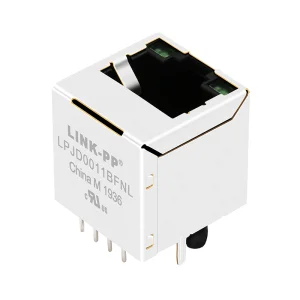
Industrial settings feature metal shelving, moving machinery, and vast distances. WAPs must survive extreme temperatures and dust ingress. These systems require high-power PoE interfaces and ruggedized RJ45 ports (e.g., vertical top-entry sockets like the SI-46017-F) to endure continuous vibrations from ceiling mounts.
With thousands of students connecting multiple mobile devices simultaneously in lecture halls, high-density access points must manage intense multi-user MIMO schedules. Backhaul switches connecting these access points often require fiber links driven by high-capacity optical transceivers (such as the QSFP28 100GBASE-PLR4L) to handle the aggregate traffic.
To fully grasp how modern WAPs operate, one must analyze the physical interfaces that bridge the wireless spectrum to the wired infrastructure. The performance of the radio frequency (RF) front-end is governed by the speed of the backplane and physical port configurations.
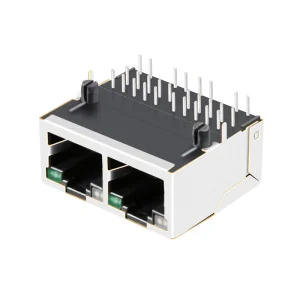
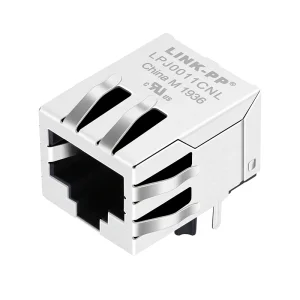
Standard RJ45 connectors act simply as metal contacts. However, in enterprise environments, electrostatic discharge (ESD) and electromagnetic interference (EMI) can damage sensitive PHY chips. Connectors like the JG0-0070NL incorporate internal magnetics (transformers and common-mode chokes) that isolate the physical switch board from voltage spikes while filtering out high-frequency noise. This ensures stable packet transmission at Gigabit speeds (1000 Base-T) across copper lines up to 100 meters.
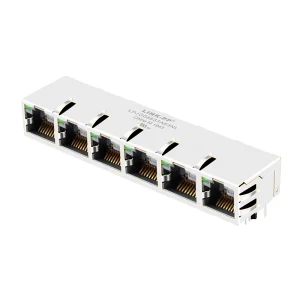
Additionally, multi-port configurations like the 1x2 or 1x6 port RJ45 jacks with magnetics allow dense switches to deliver both data and high-power PoE currents to multiple access points simultaneously without cross-port crosstalk.
For campus networks spanning several buildings or high-rise office towers, copper cables cannot bridge the physical distances. Here, fiber optic transceivers are critical. Small Form-Factor Pluggable (SFP) transceivers, such as the 1.25G SFP 850nm 550m Multimode Module or the high-performance 1G BiDi SFP Module 120km, convert optical signals to electrical signals within the distribution switch. This enables lag-free, multi-gigabit uplinks to core network switches, laying the groundwork for high-bandwidth Wi-Fi deployments.
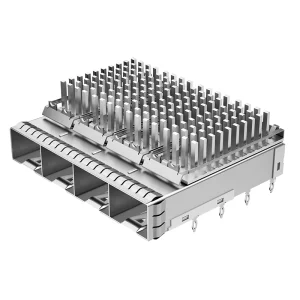
In core server racks and distribution hubs, ultra-high-speed transceivers like the QSFP28 100GBASE-PLR4L handle the aggregated data from hundreds of access points across the campus, preventing bottlenecks at the core switch level.
As a critical supplier in the network infrastructure ecosystem, Xelivor Optoelectronics Co., Ltd. plays a vital role in providing high-reliability components that enable modern wireless access solutions. Established in 2016, Xelivor specializes in the design, development, and production of optical transceivers and high-integrity fiber/copper connectivity solutions that backhaul modern enterprise networks.
Operating a modern facility optimized for precision engineering, Xelivor designs and delivers comprehensive families of SFP, SFP+, SFP28, QSFP28, QSFP-DD, OSFP, DAC, and AOC solutions. This product diversity ensures that system integrators and WAP manufacturers can source reliable component alternatives that match the strict compatibility standards required by major networks.
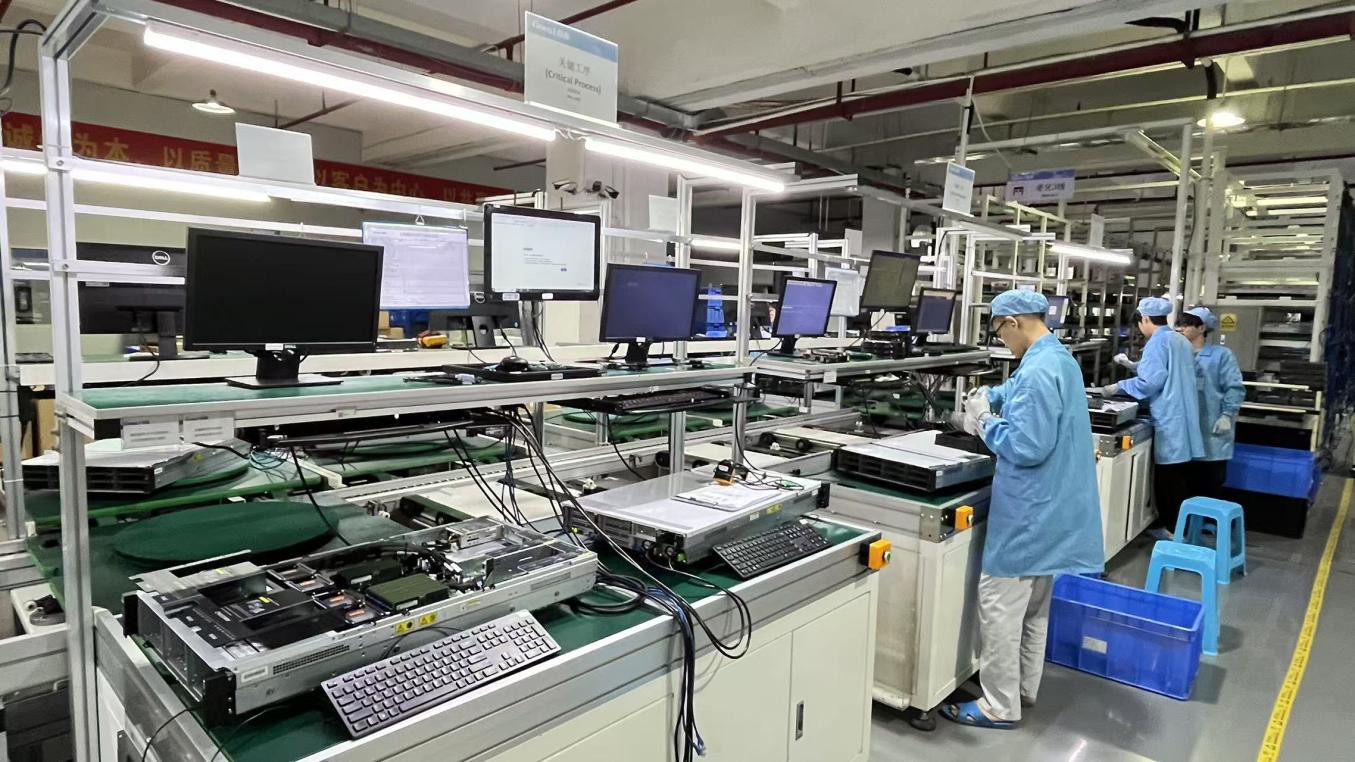
Xelivor’s strict Quality Assurance (QA) system integrates rigorous testing at every manufacturing step, managed by a dedicated team of 32 quality inspectors. From incoming raw materials to final optical parameter verification and compatibility tests with major brands, Xelivor ensures every connector and transceiver performs reliably under high workloads.
Deploying networking equipment on a global scale requires adhering to a complex grid of local safety, electromagnetic compatibility, and environmental regulations. Navigating these requirements demands a partner with deep experience in compliance protocols.
High-quality connectivity components must meet FCC Part 15 and CE Mark standards to ensure they do not emit excessive electromagnetic interference. Xelivor’s products comply with these standards, ensuring seamless deployment in sensitive spaces like hospitals and research laboratories.
Global regulations like RoHS (Restriction of Hazardous Substances) and REACH are strictly enforced in Europe and North America. Sourcing components that are fully lead-free and free of hazardous materials is a baseline requirement for any major hardware project.
Different markets often require tailored packaging, localized labeling, or specific firmware configurations to match regional networking standards. Xelivor’s R&D capabilities allow for swift customization of transceivers and modular jacks to meet these regional demands.
The next five years will push network backhaul capabilities to new limits. As Wi-Fi 7 gains widespread adoption, standard 1 Gbps and 2.5 Gbps Ethernet backhauls will transition to 10 Gbps and beyond. Access points will evolve from simple radio emitters into edge computing nodes, processing IoT data locally and requiring more robust physical links.
Simultaneously, the expansion of open RAN and SDN (Software Defined Networking) architectures will give enterprises greater choice in their hardware selections. Sourcing components that conform to open standards and offer multi-vendor compatibility will be a key strategy for avoiding vendor lock-in. Upstream suppliers that prioritize interoperability testing and high signal integrity will continue to be critical partners in building these next-generation networks.
Get answers to common technical and sourcing questions regarding enterprise wireless access infrastructure and connectivity components.
Our expanded product family provides optical transceivers, low-profile magnetic jacks, and high-density optical interfaces designed for demanding carrier-grade networks:
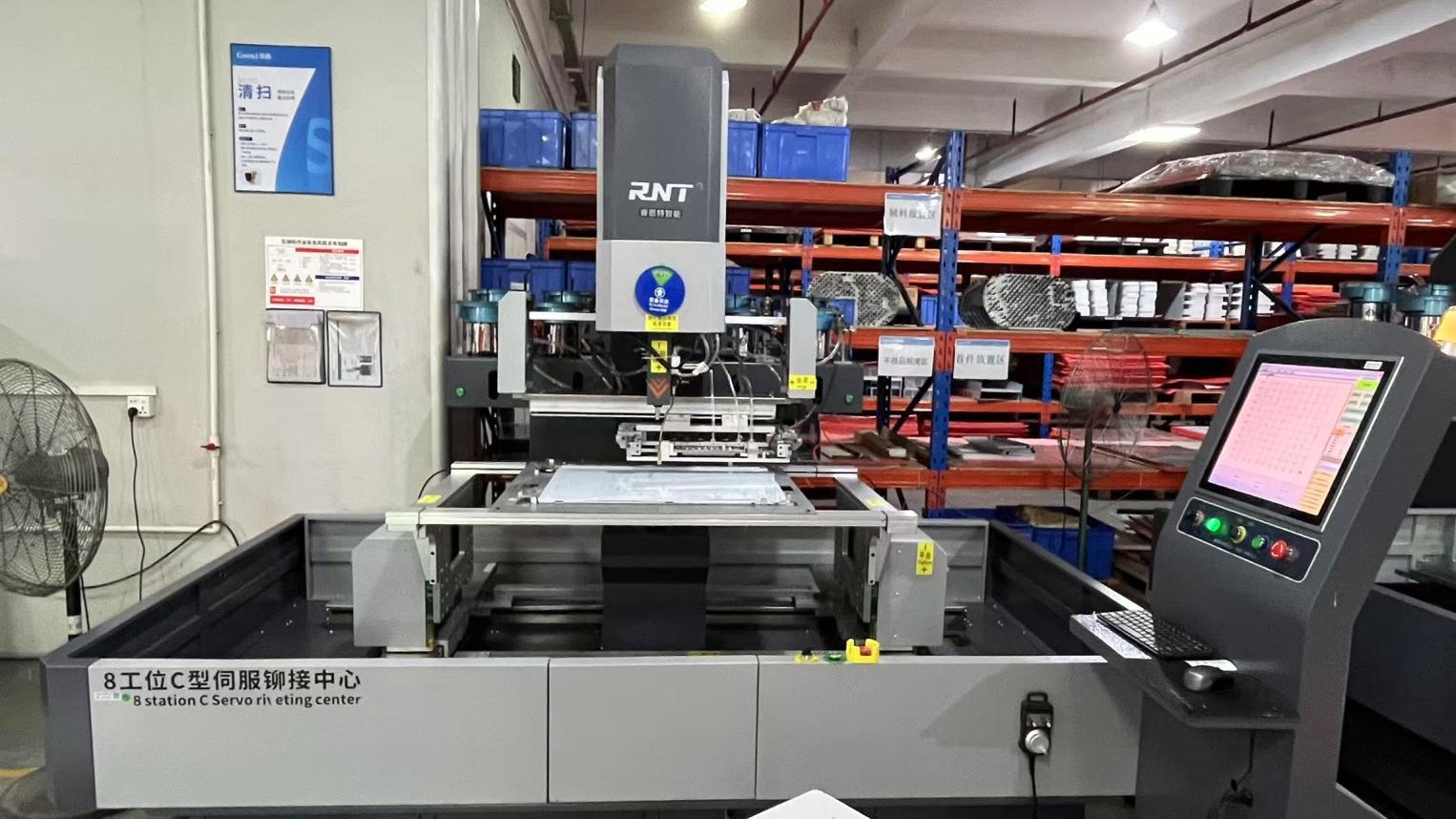
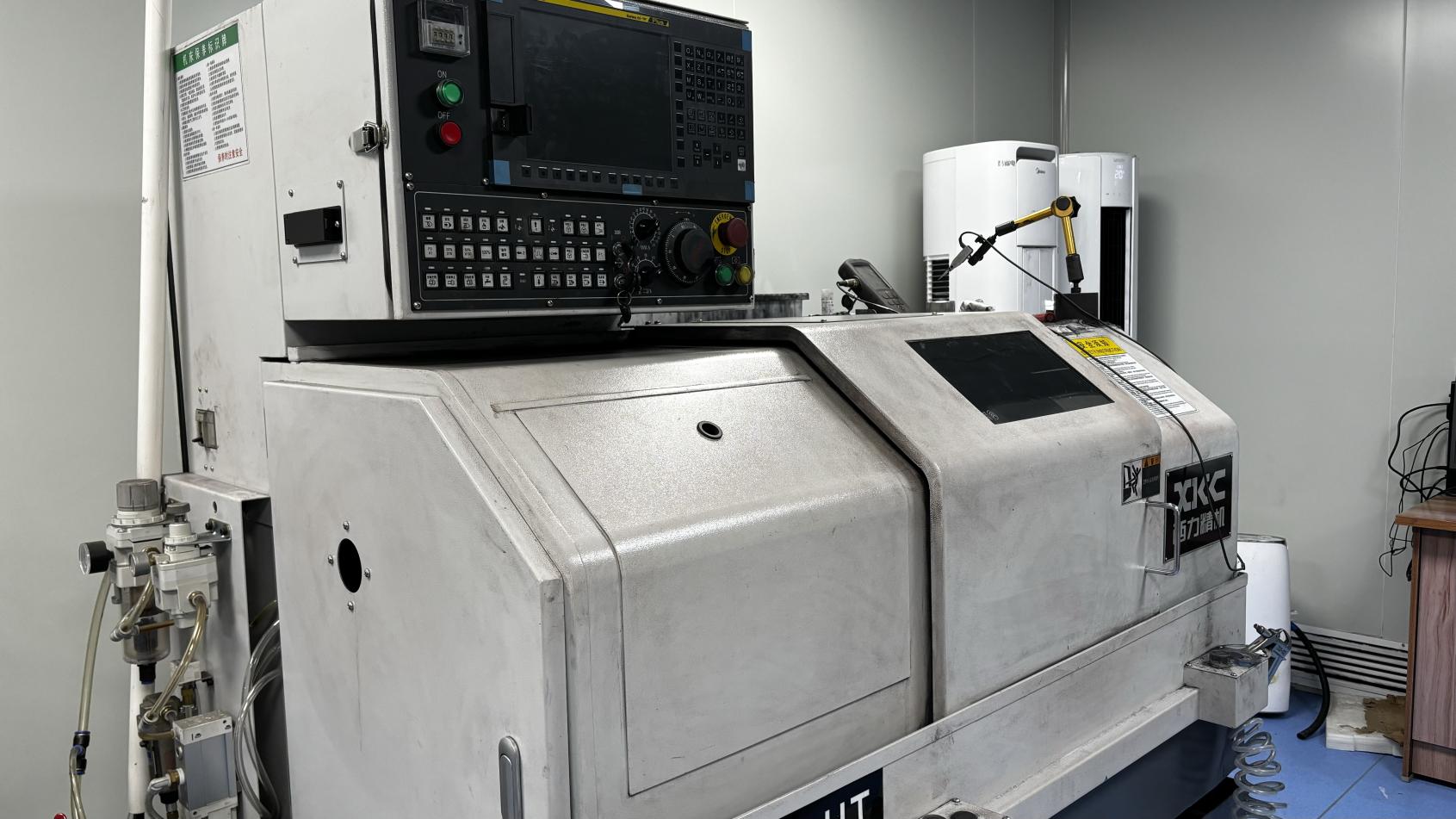
Quality and precision are the cornerstones of Xelivor's operations. Our manufacturing facilities incorporate advanced production equipment and testing platforms to guarantee the reliability of our network components: