Xelivor
Xelivor
Xelivor
Explore our top-tier network components designed to work in synergy with robust RJ45 and fiber infrastructures.
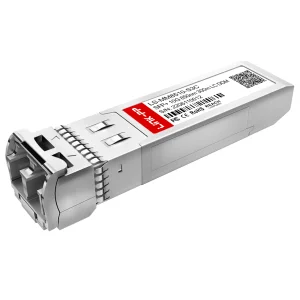
Cisco SFP-10G-SR Compatible Duplex LC MMF Optical Transceiver Multi Mode 10G SFP+ Module 850nm 300m
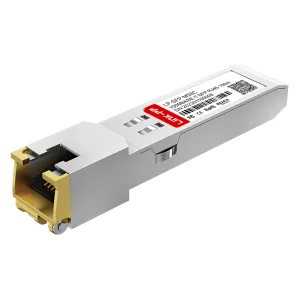
Hot Pluggable 1000BASE-T 1G SFP Copper RJ45 100m Transceiver Module
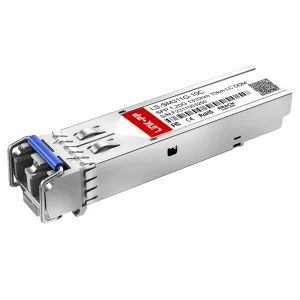
1000BASE-LX/LH SFP Transceiver 1310nm 10km DOM Duplex LC SMF 1.25G Optical Module
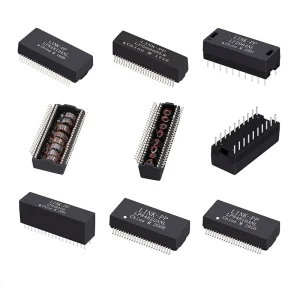
1500VAC/1mA/60S 10/100 BASE Discrete Magnetic Lan Transformer HST-4047SCR / HST-4047SXCR
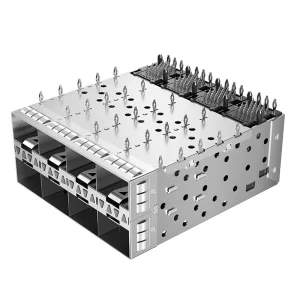
2007394-6 TE Compatible Through Hole 160P 2x4 Ports Press Fit SFP+ Cage With Integrated Connector
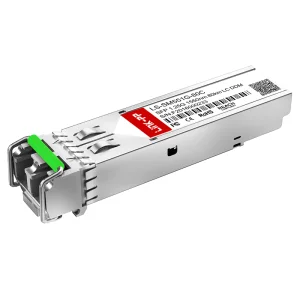
1000BASE-ZX SFP 1550nm 80km DOM Duplex LC SMF Optical Transceiver Module
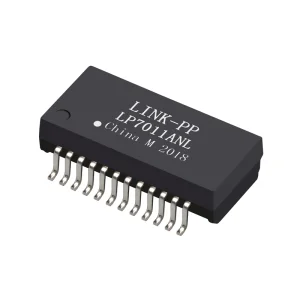
10G Base-T 24 Pin Single Port SMT PoE Lan Magnetic Transformer XF-GH-002
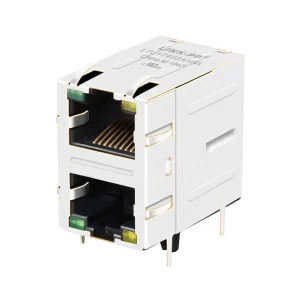
71F-1202GYDZ2NL 2*1 Port RJ 45 Ethernet RJ45 Socket Connector
Why inline RJ45 connectivity is crucial for modern network reliability, bandwidth integrity, and rapid industrial deployment.
In today's hyper-connected enterprise networks, structured cabling systems serve as the core nervous system. Within this landscape, the Inline RJ45 Connector is a vital element for extending network reaches, reducing installation footprints, and maintaining electrical signal integrity. Unlike traditional termination blocks that require specialized punch-down tools and extensive manual labor, modern inline couplers and jacks provide a plug-and-play approach that mitigates the risk of human-error-induced insertion losses and cross-talk.
As networks scale to support massive data workloads from IoT, edge computing, and high-frequency communication architectures, the demand for high-spec inline RJ45 solutions has risen sharply. Systems must adhere to strict transmission limits defined by standards bodies like ANSI/TIA-568 and ISO/IEC 11801. A poorly engineered connector acts as a bottleneck, causing signal reflections (measured as Return Loss) and Near-End Crosstalk (NEXT) that degrade overall channel bandwidth. For procurement directors and system architects, partnering with a proven, technology-driven manufacturer is essential to ensure long-term network reliability.
Engineered with precision PCB trace routing inside the coupler shell to keep impedance matched at 100 ohms. This structure minimizes NEXT and return losses, preserving signal margins even under high-bandwidth loads up to 10G/Cat6A.
Our heavy-duty metallic shielding (zinc alloy or nickel-plated brass shell) wraps 360 degrees around the connection path. This protects weak copper interfaces from external industrial noise and alien crosstalk (ANEXT).
Engineered to handle high current levels without dangerous heat build-up. Compliant with IEEE 802.3bt Type 4 standards to deliver up to 90W/100W of Power over Ethernet directly to devices like PTZ cameras and wireless access points.
How inline RJ45 technology has shifted from legacy office telephone couplers to multi-gigabit industrial connections.
In the early phases of structured cabling, inline RJ45 connectors were viewed as weak links, suitable only for low-speed voice lines or temporary office rearrangements. Early Category 3 and Category 5 designs suffered from poor impedance matching and contact wear, resulting in significant packet losses when run at fast Ethernet speeds. However, the last decade has seen a rapid technological evolution driven by two major requirements: bandwidth density and high-power delivery.
Today, the deployment of Category 6A (Cat6A) and Category 8 (Cat8) copper networks requires strict engineering control over mechanical tolerances. The standard RJ45 plug design remains identical, but the internal layout of the inline connector must balance capacitive and inductive coupling to offset the physical deformation caused by the mating interface. Additionally, industrial automation systems require connectors that can withstand harsh environments, giving rise to IP67-rated waterproof and dustproof inline RJ45 couplers with bayonet locking systems.
Another major driver is the rise of Power over Ethernet (PoE). As power levels increase from the original 15.4W to the current 90W+ supported by IEEE 802.3bt, mating contacts must prevent "spark-arcing" damage during disconnects under load. Advanced manufacturers now utilize 50 micro-inches of gold plating over nickel on contact pins, combined with patented physical shapes, to ensure that arcing occurs away from the primary data transmission contact surface. This keeps the core electrical path free of carbon scoring over thousands of mating cycles.
Our design parameters and materials specifications meet or exceed global engineering standards.
| Technical Parameter | Standard Specification | Xelivor High-Performance Range | Engineering Benefit |
|---|---|---|---|
| Transmission Bandwidth | 100 MHz - 500 MHz | Up to 2000 MHz (Cat8 Compliant) | Future-proofs network for ultra-high-speed calculations. |
| Shielding Effectiveness | Min 40 dB attenuation | ≥ 65 dB (360° Die-Cast Zinc Housing) | Virtually eliminates external EMI and alien crosstalk. |
| Contact Resistance | Max 20 mΩ | ≤ 10 mΩ initial, ≤ 15 mΩ post-test | Maintains clean, low-resistance connections for PoE. |
| Insulation Resistance | Min 500 MΩ at 500 VDC | ≥ 1000 MΩ at 500 VDC | Prevents signal leakage between adjacent copper pairs. |
| Dielectric Voltage | 1000 VAC RMS, 60Hz/1 Min | 1500 VAC RMS, 60Hz/1 Min | Protects sensitive electronic equipment from voltage surges. |
| Mating Force Durability | 750 Mating Cycles | ≥ 1200 Mating Cycles | Extends operational life in dynamic laboratory environments. |
How specialized industries integrate inline RJ45 connections to optimize network topologies.
In high-density server configurations, standard patch panel spaces are limited. Enterprise teams use ultra-slim profile inline couplers to bypass standard patch blocks. This streamlines leaf-spine switch architectures and reduces thermal blockages in hot-aisle containment systems.
Factory floors are subject to severe vibration, moisture, and chemical exposure (classified by MICE standards). Here, IP67-rated waterproof inline couplers allow quick modifications of assembly line networks without tearing out long conduits, reducing machinery downtime.
Modern structures integrate building automation systems (BAS), HVAC, LED lighting, and security cameras onto a single IP backplane. Inline RJ45 connections allow technicians to route cable paths through ceilings and walls with minimal disruption to structural plaster.
Reliable production systems, certified testing labs, and strict quality control processes.
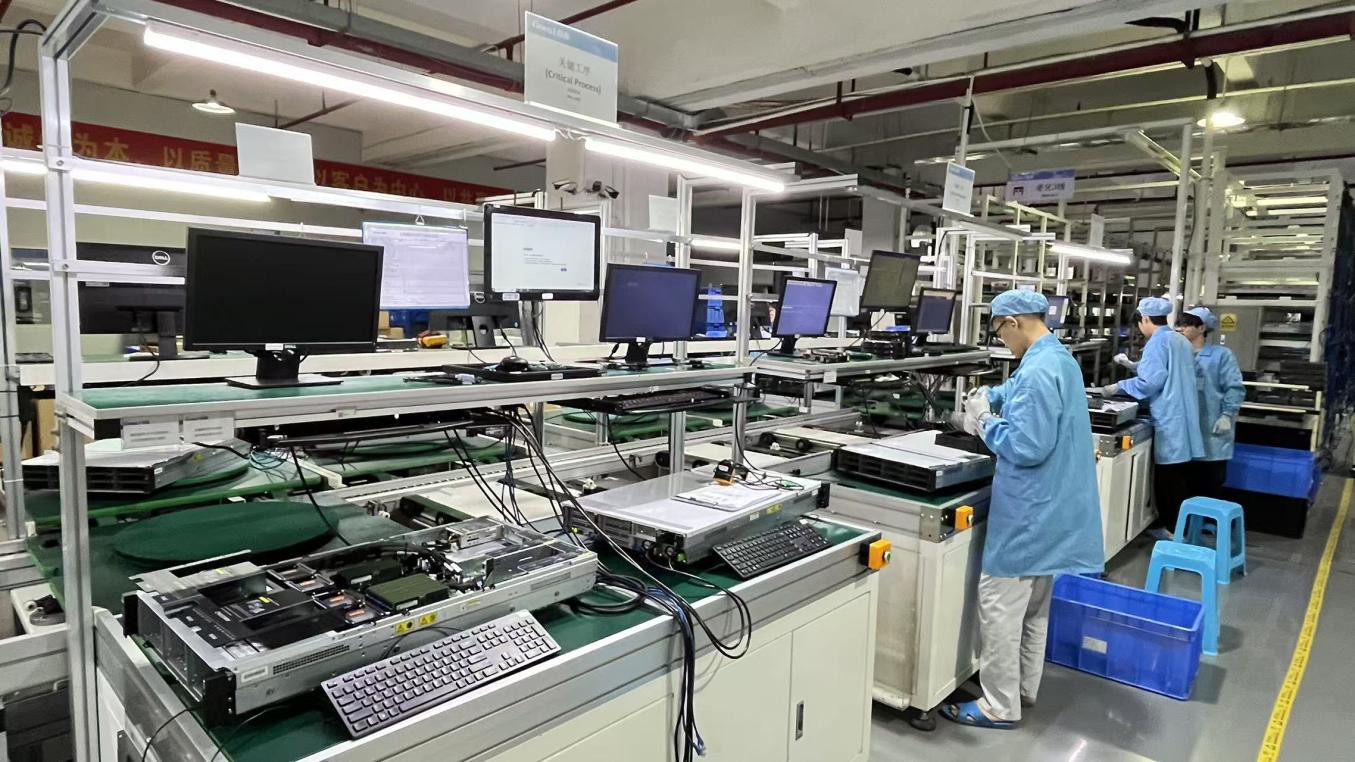
Purchasing networking components involves managing supply chain risk. A single faulty connector can cause complex network diagnostic issues that waste engineering hours. At Xelivor, we address this concern by enforcing strict international standards throughout our manufacturing cycle. Our production line incorporates advanced Fluke DSX-8000 Cable Analyzers to verify crosstalk and insertion loss compliance on 100% of finished connector batches.
We work with international logistics and distribution partners to provide regional support across North America, Europe, and the Asia-Pacific. This ensures our clients receive timely engineering support, custom product samples within 7 business days, and clear answers to technical queries. Whether you need customized pinouts for specialized industrial systems or unique color-coded housings, our R&D engineering team is equipped to deliver.
All inline couplers, connectors, and transceiver housings comply with RoHS (Restriction of Hazardous Substances) and REACH protocols. This ensures your network upgrades meet environmental requirements for public tenders and major enterprise projects.
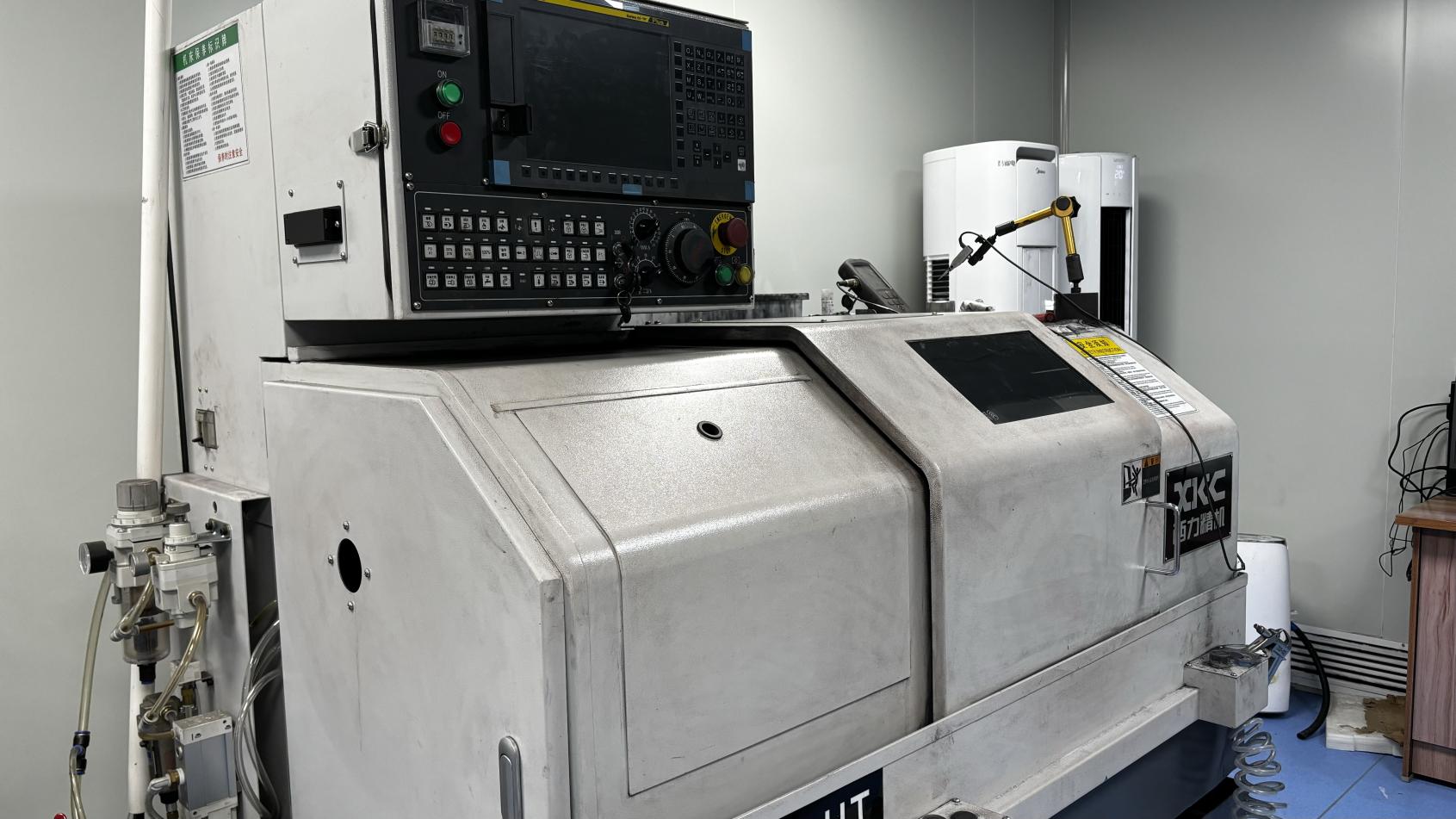
We utilize network analyzers, time-domain reflectometers (TDR), and environmental test chambers. This equipment subjects our connectors to thermal shock, high humidity, and vibration, verifying they will perform under tough conditions.
We offer customized tooling and injection molding services. From custom PCB layouts that support unique grounding setups to private-label printing, we help you launch your network hardware solutions quickly and cost-effectively.
Addressing critical questions regarding inline RJ45 connectors, signal degradation, and network design.
An inline coupler adds a connection point to the channel. While this introduces a small amount of insertion loss and potential crosstalk, high-quality, Cat6A-rated inline RJ45 couplers from Xelivor are engineered with internal PCBs that manage impedance. This design keeps the channel well within ANSI/TIA-568-C.2 limits. As long as the total length of the patch cables and the channel stays under 100 meters, signal degradation is minimal and will not impact 10Gbps transmission speeds.
Shielding is critical in environments with high electromagnetic interference (EMI), such as factories, power plants, and server rooms. A shielded (STP) inline RJ45 connector features a metal casing that links the shield of the incoming and outgoing cables. This creates a continuous path to ground, protecting the internal signal pairs from EMI, radio frequency interference (RFI), and alien crosstalk. For unshielded (UTP) setups, standard plastic couplers are sufficient, but STP couplers must be used with shielded cables to maintain network integrity.
Yes, but the coupler must be designed to handle the current. For high-power PoE++ (IEEE 802.3bt Type 4, up to 90W/100W), the connector pins must have low contact resistance to prevent heat buildup. Xelivor's inline RJ45 connectors use 50-micro-inch gold-plated contacts and are rated to carry up to 1.5 Amps per pin. This ensures safe and reliable power delivery to devices like PTZ cameras, AV-over-IP endpoints, and wireless access points without risking signal degradation or safety issues.
A punch-down keystone jack requires a technician to strip the cable jacket, untwist the wire pairs, and secure them using a punch-down tool. This process is time-consuming and depends heavily on the installer's skill to avoid signal loss. An inline RJ45 coupler, on the other hand, features RJ45 female ports on both sides. This allows pre-terminated patch cables to be connected directly, reducing installation time and the risk of termination errors.
At Xelivor, every production run is subjected to a strict quality check. We use Fluke DSX-8000 analyzers to test for key parameters, including Near-End Crosstalk (NEXT), Return Loss, Insertion Loss, and Shield Continuity. In addition, our lab performs environmental testing (thermal cycling and humidity exposure) to ensure the connectors perform reliably over their rated lifespan.
For industrial and enterprise installations, a gold plating thickness of 50 micro-inches (50μ") is the industry standard. Thinner gold plating (such as 3μ" or 15μ") wears down quickly, exposing the underlying nickel to moisture and oxygen. This leads to corrosion and signal loss over time. Our connectors feature 50μ" gold plating, providing excellent durability and resistance to wear and corrosion over 1,200+ mating cycles.
Further options from our portfolio, ensuring compatible performance across optical networks, switch interfaces, and custom copper setups.
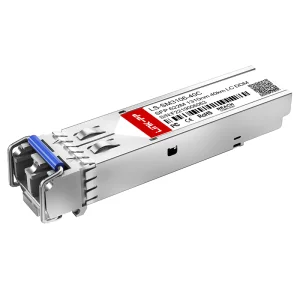
Single Mode SFP 622M 40km SMF 1310nm Duplex LC Optic Transceiver Module
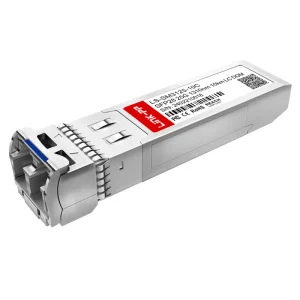
Single Mode 1310nm 25G SFP28 LR 10km Duplex LC SMF Optical Transceiver Module
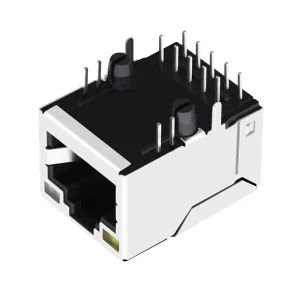
Custom Ethernet RJ45 Magnetic Female Connector Module RT7-195AAM1F
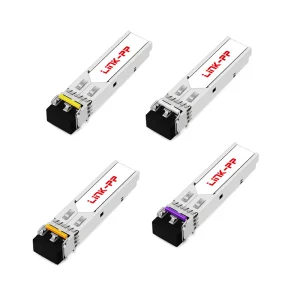
Duplex LC SMF Optical Module Single Mode SFP28 25G DWDM Transceiver 10km
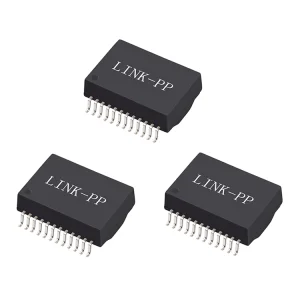
1000BASE-TX 1000mA Max Telecom Magnetics Modules HST-24040SXR
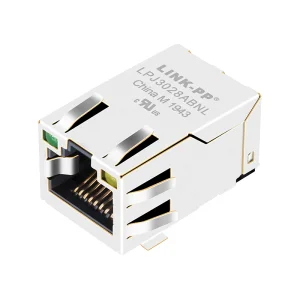
HR961160C J3018G21KNL J3018G21K 100 Base-T with Leds PCB SMT Connector RJ45 Jack
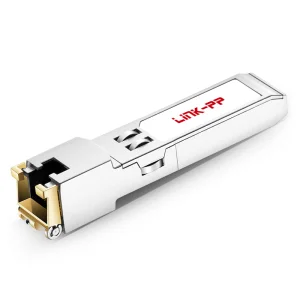
Cisco SFP-10G-T-100 Compatible 10G Copper SFP+ RJ45 100m Transceiver Module
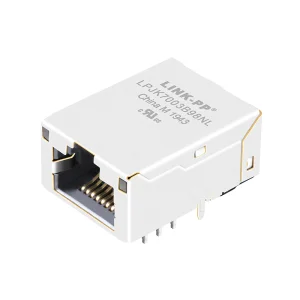
1840718-6 Low Profile RJ45 Jack Ethernet Magnetic 1000 Base-t Female RJ45 Connector With Leds
A leading developer of high-performance fiber connectivity and copper transmission hardware.
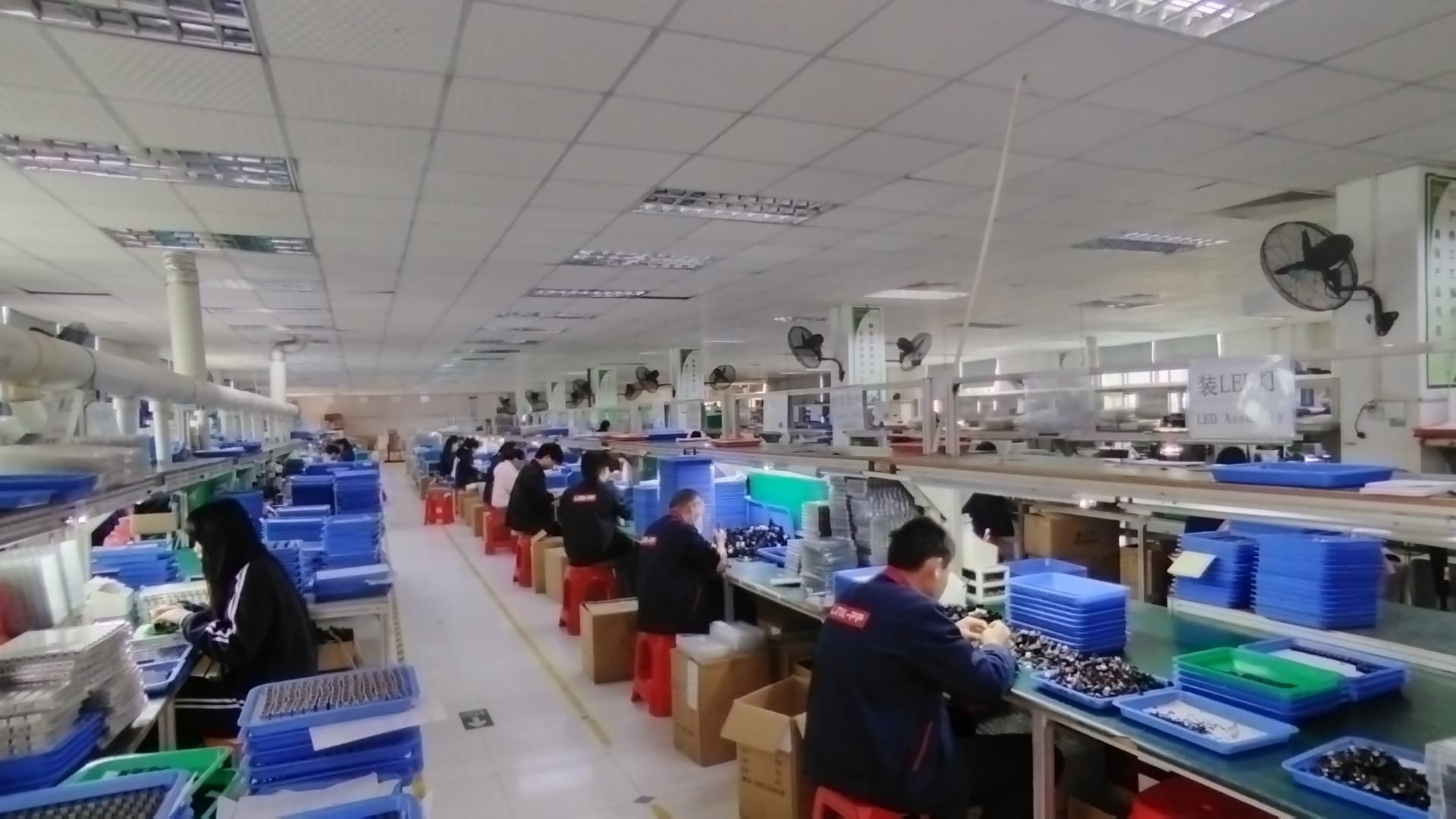
Xelivor Optoelectronics Co., Ltd. is a professional manufacturer of optical transceivers and fiber connectivity solutions, dedicated to serving global data center, telecom, enterprise network, and cloud computing industries. Established in 2016, the company operates from a modern manufacturing facility covering 386 m² and has built a strong reputation for delivering reliable, high-performance optical communication products worldwide.
With over 8 years of industry experience and 6 years of export experience, Xelivor has achieved annual export revenues exceeding USD 12 million. Our products are exported to customers across North America, Europe, Southeast Asia, the Middle East, and South America, supporting a wide range of networking applications from enterprise infrastructure to hyperscale data centers.
Xelivor specializes in the design, development, and production of optical transceivers, including SFP, SFP+, SFP28, QSFP28, QSFP-DD, OSFP, DAC, and AOC solutions. Backed by a dedicated R&D team of 68 engineers, the company continuously invests in innovation and launched more than 85 new products in the past year to meet the evolving demands of high-speed optical networks.
Quality is at the core of our operations. Our quality management system incorporates incoming material inspection, in-process quality control, aging tests, compatibility verification, optical parameter testing, and final product inspection. A professional quality assurance team of 32 inspectors ensures every product meets strict international standards before shipment.
The company maintains long-term cooperation with more than 850 supply chain partners, enabling stable sourcing, efficient production, and rapid delivery capabilities. Our flexible manufacturing system supports OEM, ODM, private label, customized firmware, customized labeling, and packaging services to satisfy diverse customer requirements.
As a company with strong independent R&D capabilities, advanced testing equipment, and a customer-oriented approach, Xelivor serves distributors, system integrators, telecommunications operators, data center providers, network equipment vendors, and enterprise customers worldwide.
Driven by innovation, quality, and partnership, Xelivor Optoelectronics Co., Ltd. remains committed to providing cost-effective, reliable, and future-ready optical communication solutions for global networking infrastructure.