Xelivor
Xelivor
Xelivor
The global networking landscape is undergoing a massive shift. As enterprises, data centers, and smart factories demand gigabit speeds with near-zero latency, traditional networking topologies are reaching their physical limits. Powerline Communication (PLC) technology, governed by standards such as G.hn (Gigabit Home Networking) and HomePlug AV2, has evolved from a residential convenience into an essential tool for industrial and commercial deployment.
Historically, powerline adapters were designed to transmit data over existing copper electrical wiring, bypassing the need to install costly Ethernet cables. Today, the focus has shifted toward hybrid connectivity. By combining high-frequency fiber-optic backhauls with local PLC and Ethernet bridged endpoints, network engineers can achieve unmatched reliability. Modern PLC systems operate over wider frequency bands (up to 80 MHz on G.hn), utilizing MIMO (Multiple Input Multiple Output) technology across phase, neutral, and ground wires. This allows powerline networks to bypass local electromagnetic interference (EMI) and deliver stable Gigabit-class data transfer.
Leveraging advanced physical layer protocols, G.hn Wave 2 provides physical transmission rates up to 2 Gbps, reducing signal attenuation over long electrical lines.
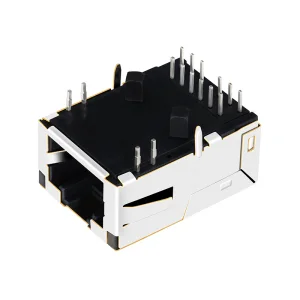
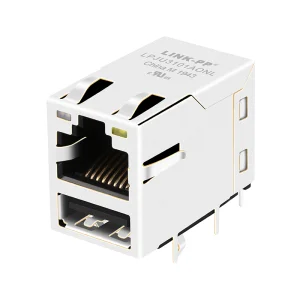
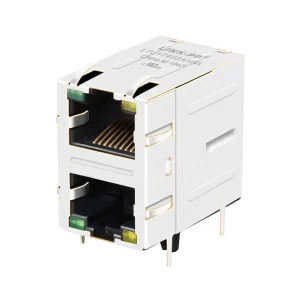
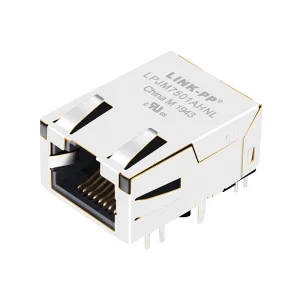
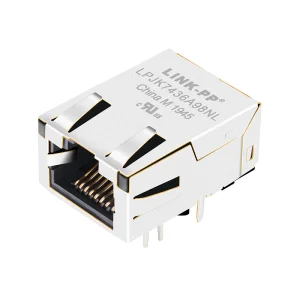
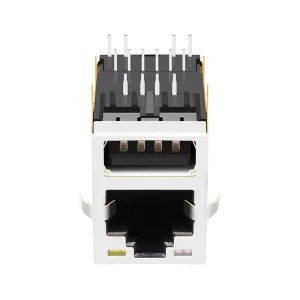
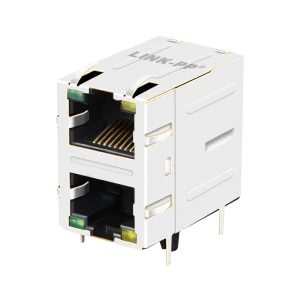
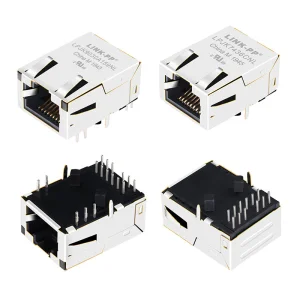
Integrated magnetic modules (Magjacks) and copper-shielded RJ45 interfaces isolate network ICs from high-voltage spikes and transient surges common in powerlines.
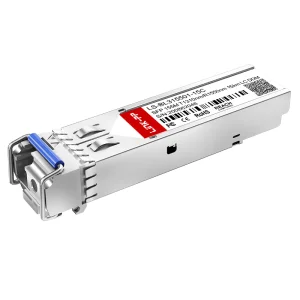
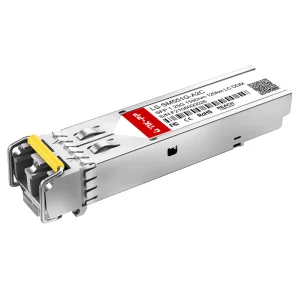
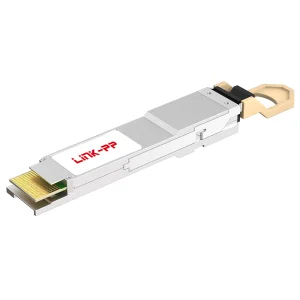
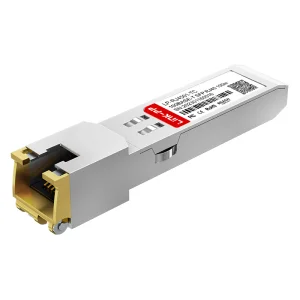
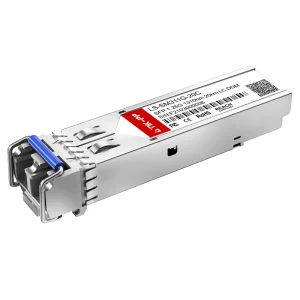
High-speed SFP and QSFP optical transceivers feed core traffic into local PLC injection units, minimizing latency spikes in industrial operations.
B2B buyers, telecommunications operators, and systems integrators face strict requirements when procuring PLC hardware and high-speed connectors. With networks operating in extreme environments—ranging from sub-zero outdoor telecom enclosures to high-temperature factory floors—standard consumer-grade components are insufficient. Procurement officers prioritize:
To address these criteria, leading manufacturers combine advanced optical connectivity and precision magnetic interfaces under one roof. This comprehensive approach ensures that every link in the network chain—from the long-haul optical fiber to the local powerline outlet—is engineered for maximum compatibility and minimal data loss.
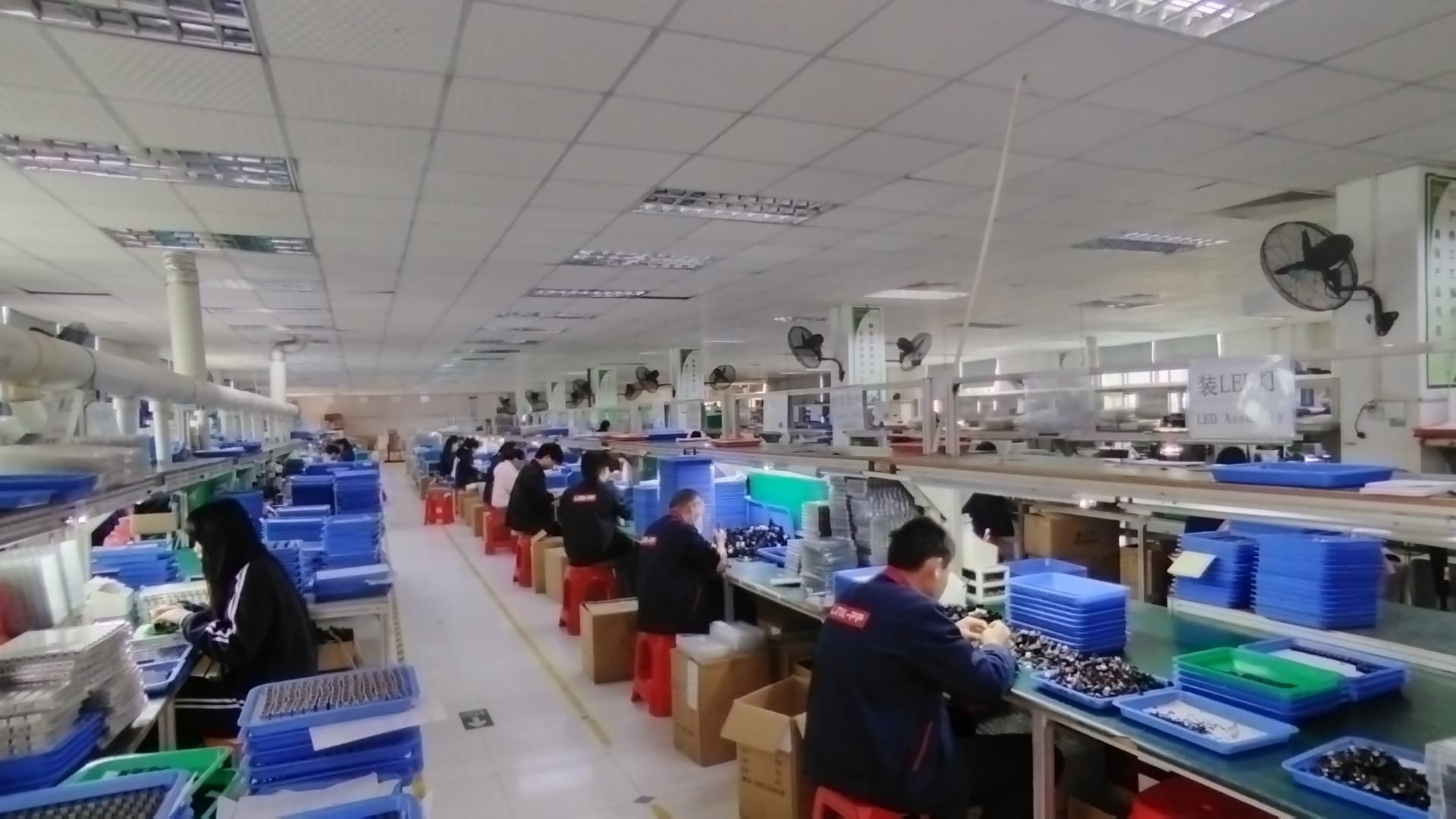
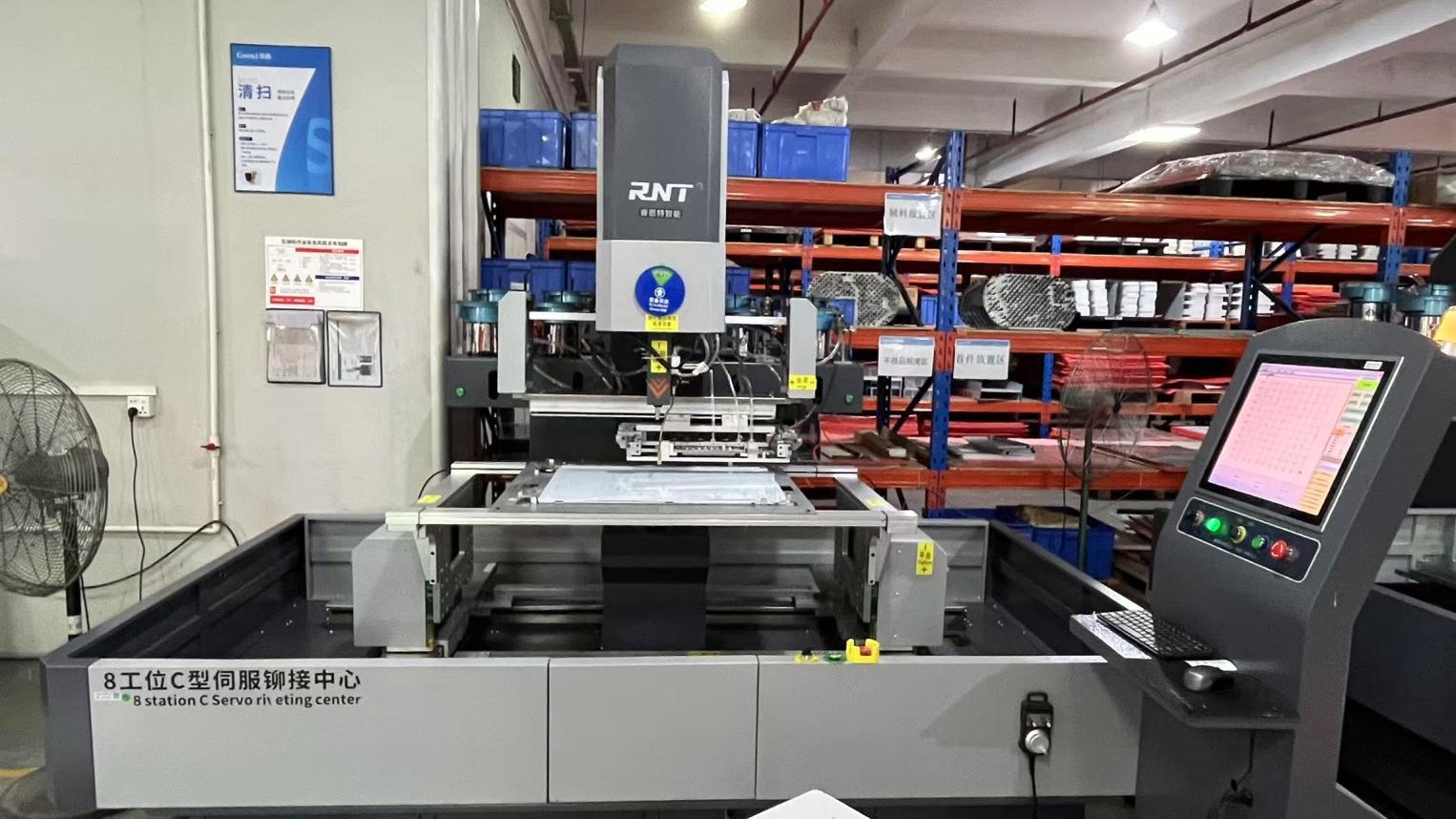
The global electronic components supply chain demands agility, speed, and cost efficiency. China’s Industry 4.0 initiatives have transformed the manufacturing sector, changing how advanced connectivity components are fabricated, inspected, and delivered. By shifting from labor-intensive manual assembly to automated smart factories, manufacturers can guarantee consistency across large production runs.
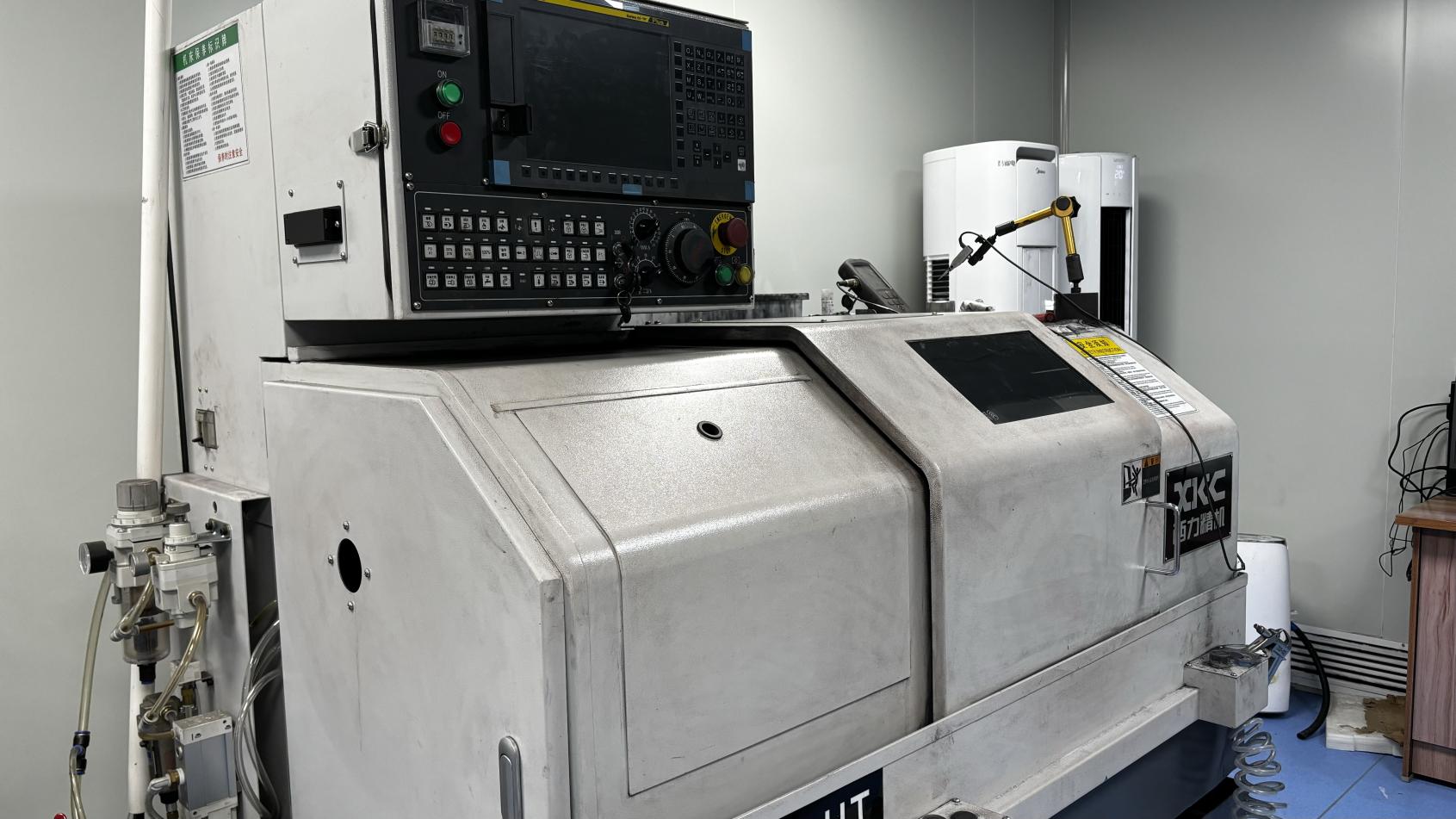
Smart manufacturing in China relies on integrated processes, from automated coil winding for magnetic components to real-time optical parameter validation. Proximity to raw materials—such as high-grade copper wire, precision magnetic cores, and semiconductor chipsets—allows Chinese factories to offer shortened lead times and custom OEM/ODM solutions.
In an era of global supply chain disruptions, resilience is defined by deep supplier networks. Leading manufacturing facilities maintain active partnerships with over 850 verified supply chain suppliers. This redundancy guarantees that raw material shortages do not disrupt production, giving global B2B buyers a reliable partner for high-demand, just-in-time projects.
The deployment of hybrid powerline and optical networks spans several critical sectors:
Smart grids require real-time communication between central substations and residential meters. PLC allows utilities to utilize existing power grids for data transmission, avoiding the cost of dedicated fiber installations to every home. At the substation level, high-performance SFP optical transceivers convert this incoming electrical telemetry into high-speed optical signals destined for regional control centers.
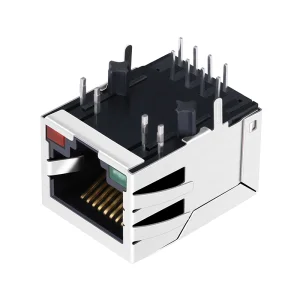
Modern robotic assembly lines generate massive operational data. Deploying new cables in high-vibration, high-EMI factory floors is often impractical. Powerline communication bridges this gap by transmitting data across existing AC/DC power tracks on robotic arms and automated guided vehicles (AGVs). Industrial-grade shielded RJ45 jacks with built-in LED indicators ensure stable data connections and allow for quick visual troubleshooting on the factory floor.
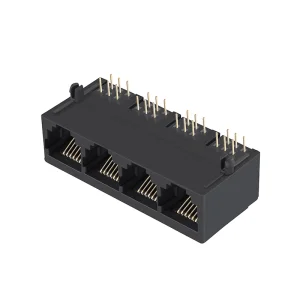
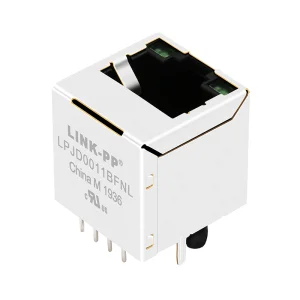
Retrofitting older commercial buildings or hotels with Cat6 cabling can be cost-prohibitive. By installing PLC Ethernet bridges in key electrical junctions, building operators can deliver high-speed IPTV and local Wi-Fi access points directly through existing electrical outlets. Each junction box relies on low-profile vertical and right-angle RJ45 connectors to fit within shallow wall cavities.
Xelivor Optoelectronics Co., Ltd. is a professional manufacturer of optical transceivers and fiber connectivity solutions, dedicated to serving global data center, telecom, enterprise network, and cloud computing industries. Established in 2016, the company operates from a modern manufacturing facility covering 386 m² and has built a strong reputation for delivering reliable, high-performance optical communication products worldwide.
With over 8 years of industry experience and 6 years of export experience, Xelivor has achieved annual export revenues exceeding USD 12 million. Our products are exported to customers across North America, Europe, Southeast Asia, the Middle East, and South America, supporting a wide range of networking applications from enterprise infrastructure to hyperscale data centers.
Xelivor specializes in the design, development, and production of optical transceivers, including SFP, SFP+, SFP28, QSFP28, QSFP-DD, OSFP, DAC, and AOC solutions. Backed by a dedicated R&D team of 68 engineers, the company continuously invests in innovation and launched more than 85 new products in the past year to meet the evolving demands of high-speed optical networks.
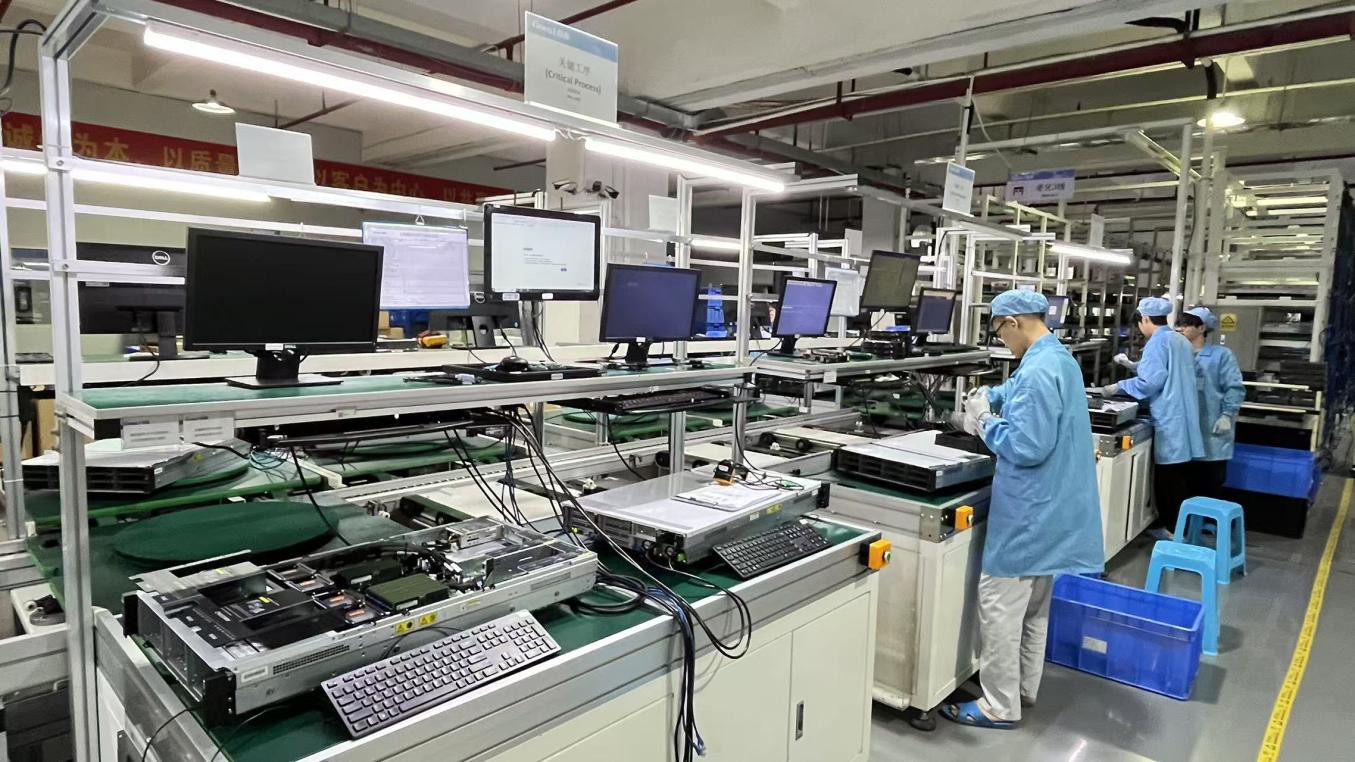
Quality is at the core of our operations. Our quality management system incorporates incoming material inspection, in-process quality control, aging tests, compatibility verification, optical parameter testing, and final product inspection. A professional quality assurance team of 32 inspectors ensures every product meets strict international standards before shipment.
The company maintains long-term cooperation with more than 850 supply chain partners, enabling stable sourcing, efficient production, and rapid delivery capabilities. Our flexible manufacturing system supports OEM, ODM, private label, customized firmware, customized labeling, and packaging services to satisfy diverse customer requirements.
As a company with strong independent R&D capabilities, advanced testing equipment, and a customer-oriented approach, Xelivor serves distributors, system integrators, telecommunications operators, data center providers, network equipment vendors, and enterprise customers worldwide. Driven by innovation, quality, and partnership, Xelivor Optoelectronics Co., Ltd. remains committed to providing cost-effective, reliable, and future-ready optical communication solutions for global networking infrastructure.