Xelivor
Xelivor
Xelivor
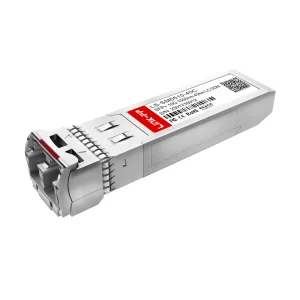
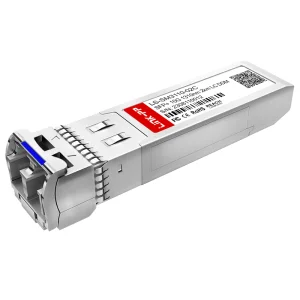
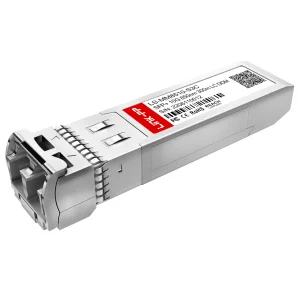
The telecommunications sector in Russia is witnessing a profound evolutionary shift driven by the "Digital Economy of the Russian Federation" national program. This initiative accelerates demand for robust optical interconnect infrastructures, spanning regional data centers, industrial complexes, municipal monitoring grids, and transcontinental fiber optic pathways connecting East Asia and Western Europe.
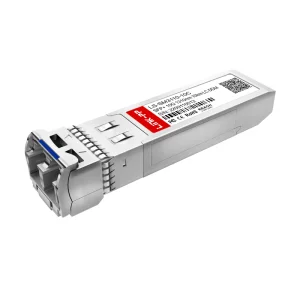
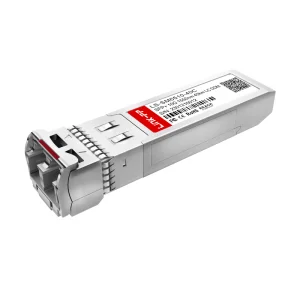
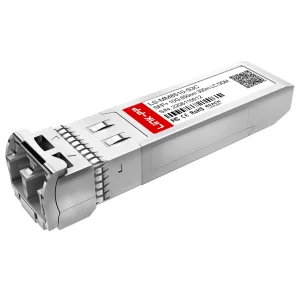
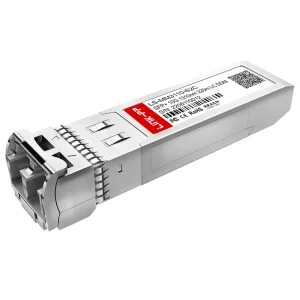
Within this digital surge, the requirement for 10G and 16G optical transceivers—specifically 10G SFP+ and 16G SFP+ (Fibre Channel) modules—has scaled exponentially. Unlike Western European hubs that run highly centralized metropolitan fiber layouts, Russia's networks are highly distributed, requiring components that can withstand long-distance transmission, signal attenuation over vast geographical regions, and extreme temperature fluctuations.
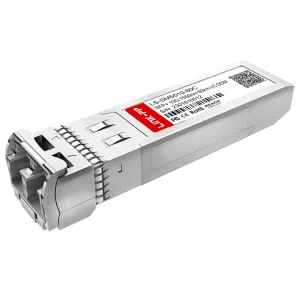
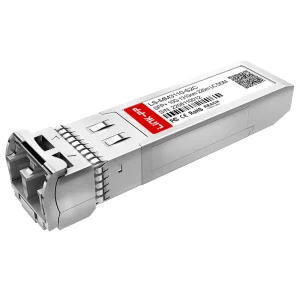
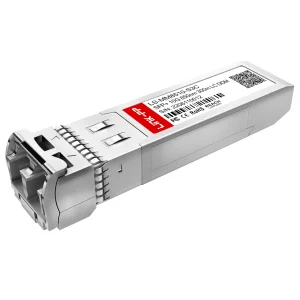
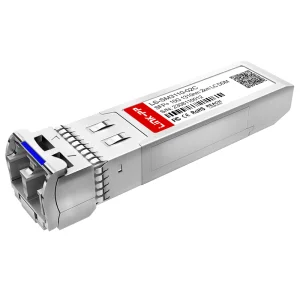
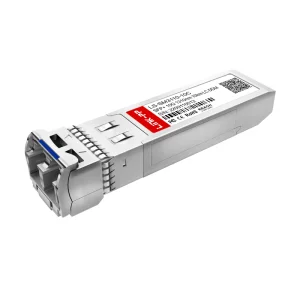
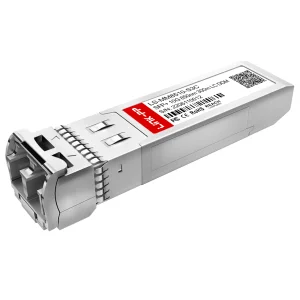
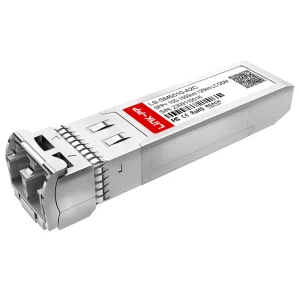
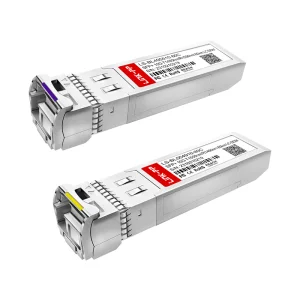
In modern enterprise and storage area networks (SANs) operating across Russian industrial nodes, optical transceivers must deliver exceptional compatibility and diagnostics. The dual-rate 10G/16G SFP+ standard serves as a cornerstone for both Ethernet architectures and high-throughput Fibre Channel fabrics (supporting 8G FC and 16G FC configurations).
| Module Class | Wavelength | Fiber Interface & Media | Distance Rating | Key Application (Russia Context) |
|---|---|---|---|---|
| 10GBASE-SR | 850nm | Duplex LC / Multi-Mode (OM3/OM4) | 300 meters | Intra-rack data processing (e.g., Moscow Yandex Data Centers) |
| 10GBASE-LR | 1310nm | Duplex LC / Single-Mode (SMF) | 10 kilometers | Metro Loop links, connecting administrative buildings in St. Petersburg |
| 10GBASE-ER / ZR | 1550nm | Duplex LC / Single-Mode (SMF) | 40km - 80km | Inter-city distribution networks and regional telecom backbones |
| 16G Fibre Channel | 850nm / 1310nm | LC / MMF & SMF Compatible | Up to 10km | High-performance Storage Area Networks (SANs) for banking servers |
On a global scale, the storage demands of cloud service providers, massive databases, and financial systems have elevated 16G SFP+ Fibre Channel modules to critical status. As corporate systems transition to high-speed solid-state storage arrays (NVMe-oF and flash storage), network links must keep pace. The 16G SFP+ module acts as a perfect backward-compatible upgrade for older 8G FC systems, allowing Russian system integrators to double their network bandwidth without replacing expensive physical fiber patches.
One of the major operational bottlenecks faced by Russian telecom operators is brand lock-in and compatibility barriers. Cisco, Huawei, Juniper, HP, and local vendors such as Eltex, Mikrotik, and D-Link utilize proprietary security handshakes within switch firmware.
Xelivor Optoelectronics Co., Ltd. resolves this challenge. Our R&D department leverages state-of-the-art EEPROM coding stations, ensuring our 10G/16G SFP+ transceivers are configured with customized firmware. This makes them 100% plug-and-play compatible with over 50 mainstream hardware brands, ensuring hassle-free integration into mixed-hardware ecosystems common in Russia.
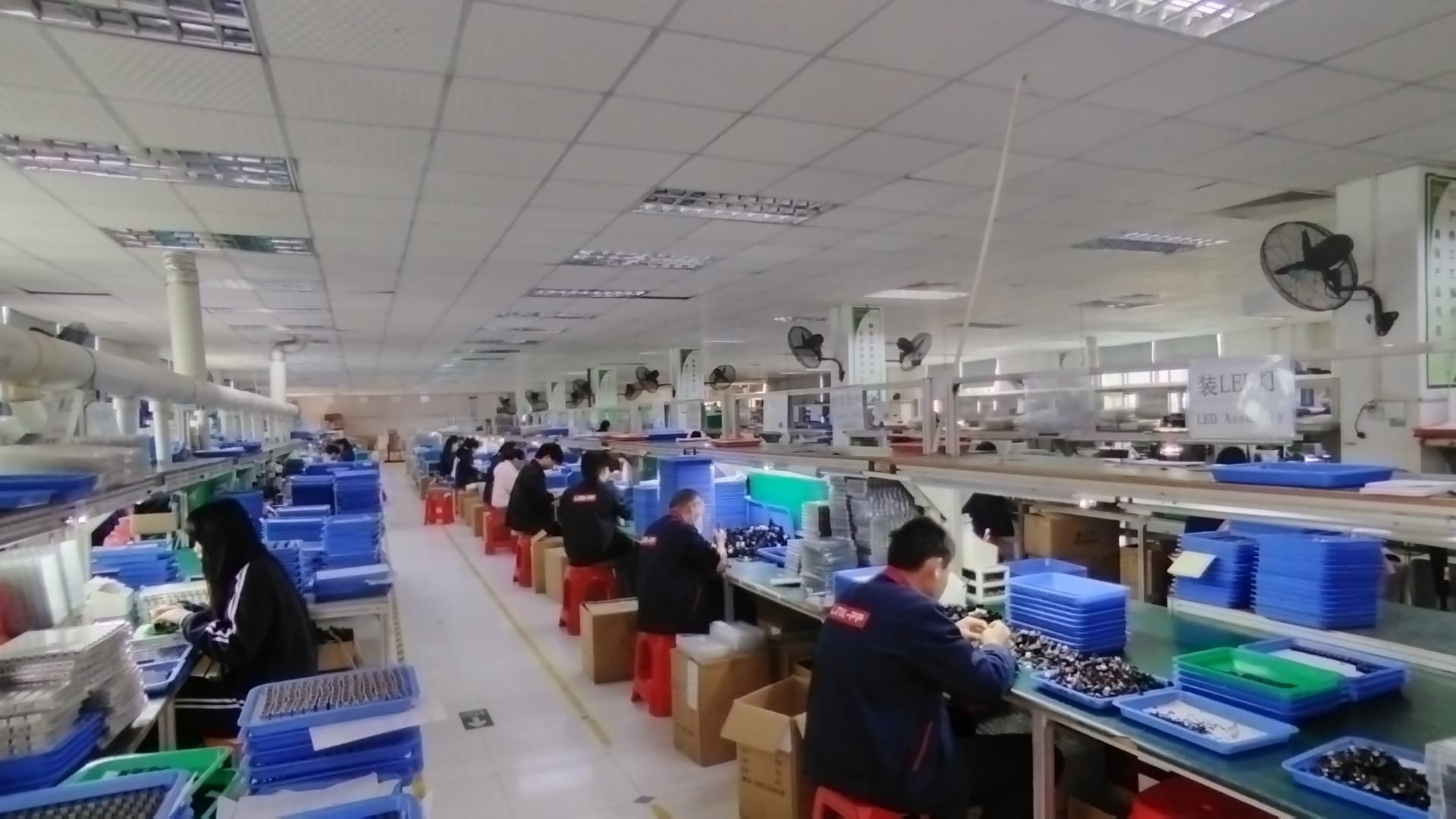
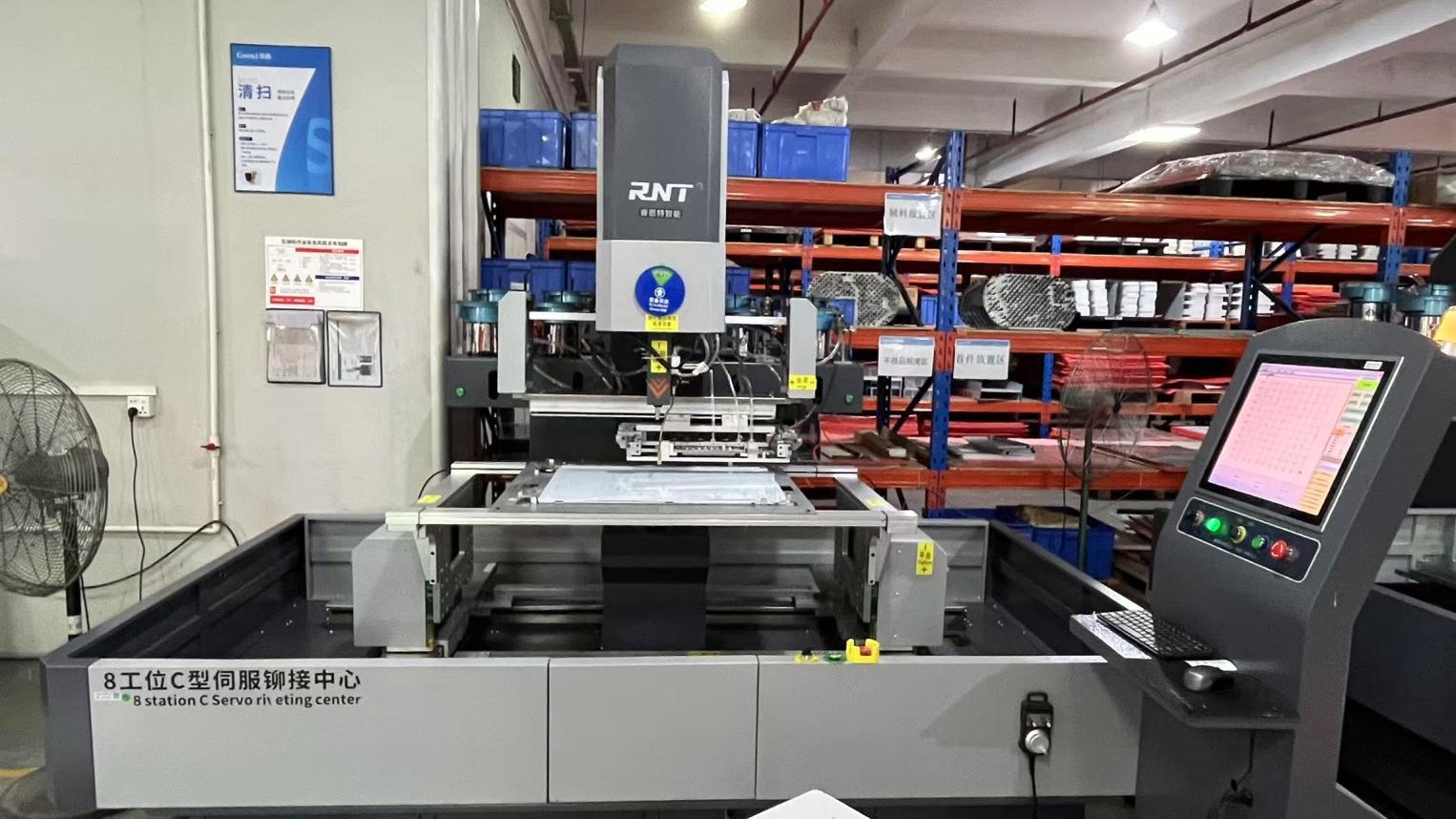
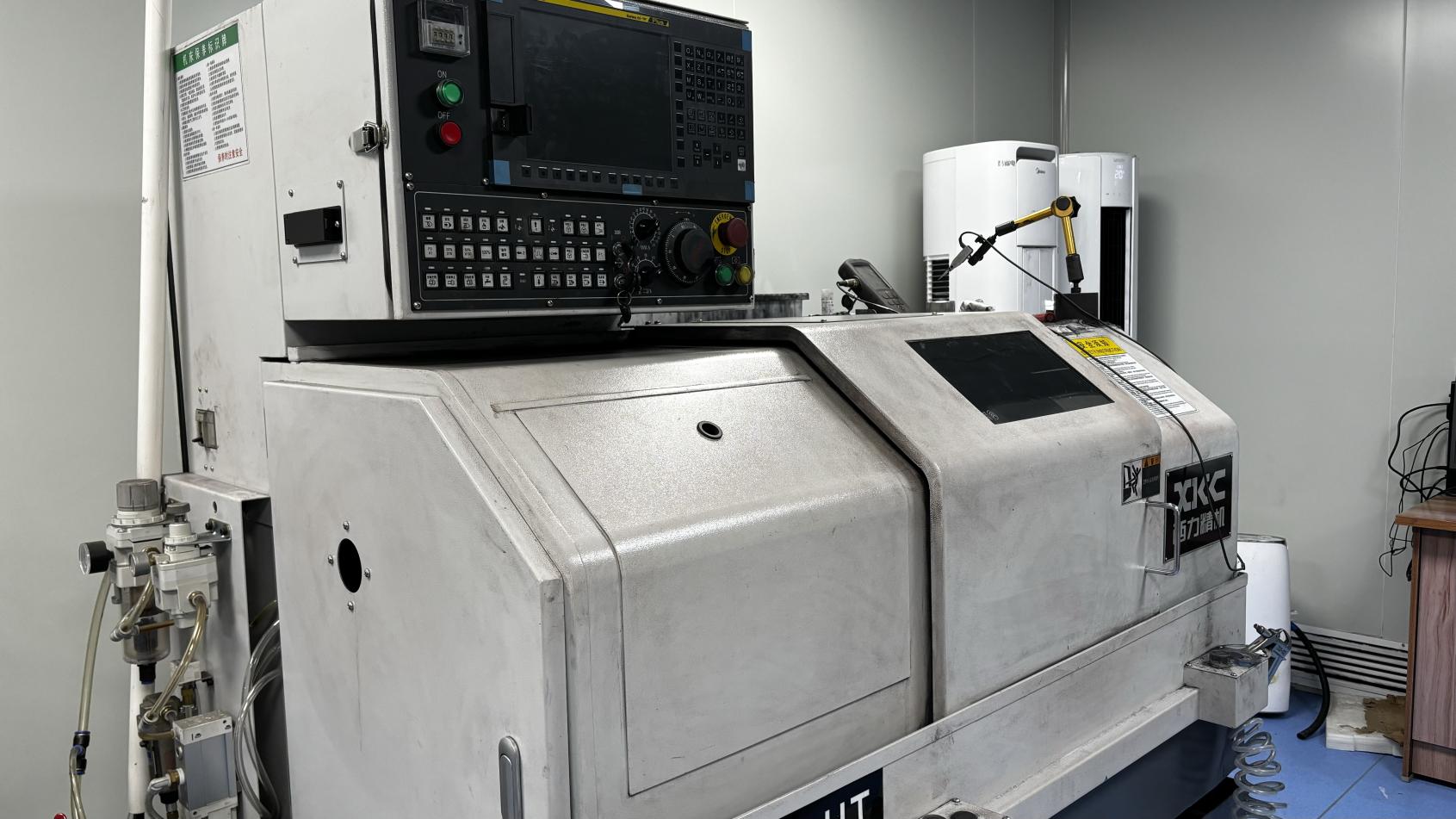
Established in 2016, Xelivor Optoelectronics Co., Ltd. operates a modern 386 m² manufacturing facility with advanced optical testing labs. Supported by an extensive supply chain ecosystem of over 850 partners, we optimize raw component sourcing, laser testing, and manufacturing lead times.
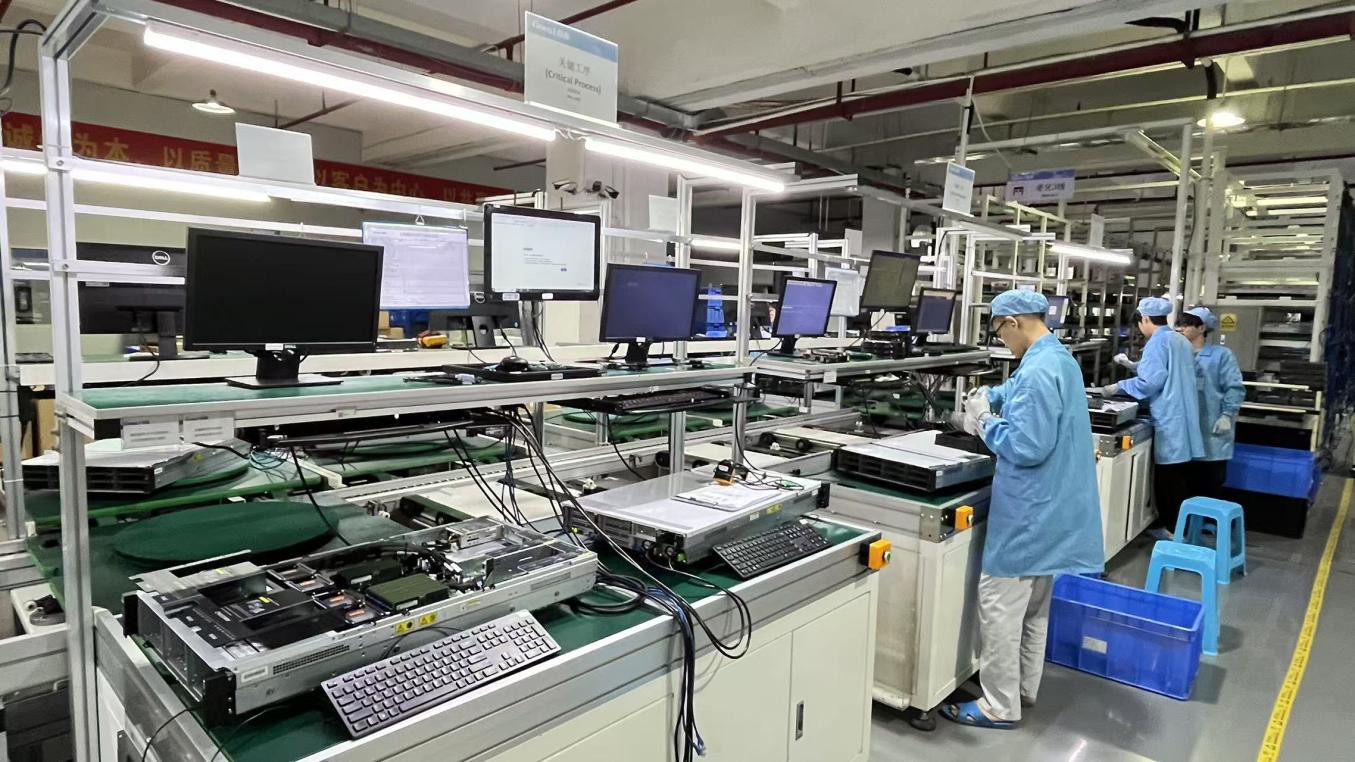
Our Quality Control workflow features a dedicated team of 32 QA inspectors who manage incoming material inspection, high-temperature dynamic burn-in testing, and optical parameter verification (using advanced optical spectrum analyzers and digital communication analyzers). This systematic approach ensures that every single module leaving our facility delivers reliable performance.
Consult with our engineering team for specialized 10G/16G SFP+ transceiver configurations tailored for the Russian market. Get detailed technical specs and pricing quotes within 24 hours.
Send Inquiry Now