Xelivor
Xelivor
Xelivor
Highly compatible SFP modules optimized for Australian metro networks and specialized industrial automation platforms.
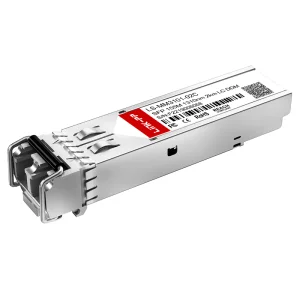
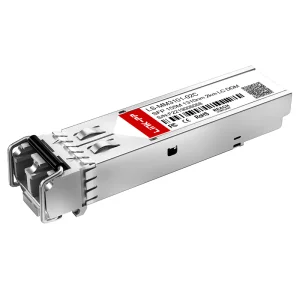
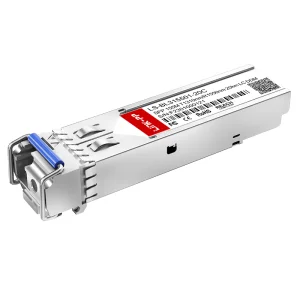
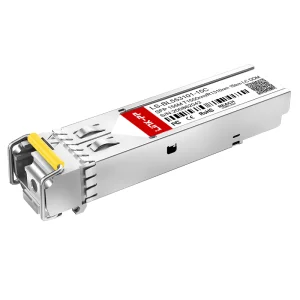
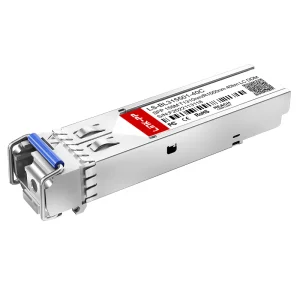
In the era of hyper-scale 100G and 400G data centers, the retention of legacy optical communication speeds such as 155 Mbps (Fast Ethernet / STM-1) and 622 Mbps (STM-4) remains a critical necessity for operational continuity. In Australia, where vast geographical spans isolate mining fields, regional transport networks, and public utilities, ruggedized legacy hardware functions as the backbone of mission-critical systems. These lower data-rate transceivers are heavily embedded in Synchronous Digital Hierarchy (SDH), Plesiochronous Digital Hierarchy (PDH), and legacy ATM infrastructure, proving that speed does not always equate to structural indispensability.
Australian network operators face unique environmental and topographical realities. Sourcing premium 155M/622M SFP modules from reliable manufacturers is not just about replacing faulty hardware; it is about securing components that can endure extreme outback heat, maintain integrity over vast transmission links, and deliver high optical budgets. From SCADA signaling in Western Australia’s resource-rich sectors to railway monitoring across Queensland and New South Wales, low-speed SFPs prevent downtime where high-speed protocols would fail due to dispersion limits and high infrastructure costs.
On a global scale, the market for 155M and 622M SFP modules is transitioning. Tier-1 network manufacturers have largely discontinued or marked up their legacy catalogs, leaving enterprise clients with highly inflated procurement cycles. Consequently, global buyers—ranging from European municipal transit systems to North American defense contractors—depend on specialized Chinese optical factories. Chinese manufacturers possess the agile tooling, components supply chains, and testing capabilities required to produce cost-effective, high-reliability legacy optical components on demand.
Within Australia, the requirement is doubly acute. Given the nation’s strict quality regulations and high cost of local installation labor, deploying a failed SFP module in a remote location is a logistical and financial nightmare. Replacing a single module at a rural utility site can cost thousands of dollars in travel time and technician wages. Australian system integrators require reliable manufacturing partners that can guarantee a virtually zero-percent Failure Rate (FIT) through exhaustive, automated quality control processes.
| Data Rate / Standard | Wavelength (nm) | Fiber Type | Connector Type | Max Transmission Distance | Typical Applications |
|---|---|---|---|---|---|
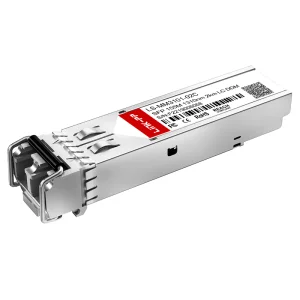
| 155 Mbps (STM-1 / FE) | 1310nm | Multimode (MMF) | Duplex LC | 2km | Substation automation, Local LAN backbones |
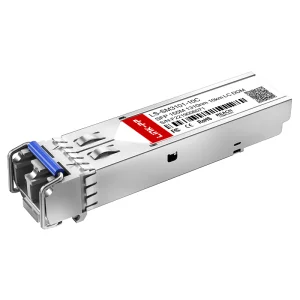
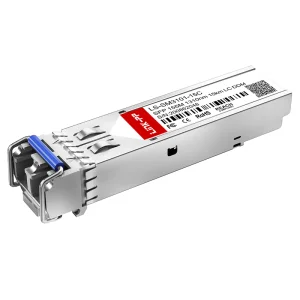
| 155 Mbps (STM-1 / FE) | 1310nm / 1550nm | Single-mode (SMF) | Duplex / Simplex LC | 10km - 40km | Regional telemetry, SCADA, Rail signaling |
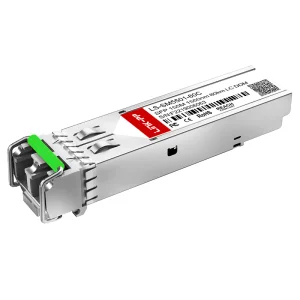
| 155 Mbps (STM-1 / FE) | 1550nm | Single-mode (SMF) | Duplex LC | 80km | Vast outback fiber connections, Remote utility nodes |
| 622 Mbps (STM-4) | 1310nm / 1550nm | Single-mode (SMF) | Duplex / Simplex LC | 10km - 80km | Regional telecom backhauls, Mid-range link aggregation |
Learn how our state-of-the-art Chinese factory fuels the global and Australian optical communication markets with zero-defect transceivers.
Xelivor Optoelectronics Co., Ltd. is a professional manufacturer of optical transceivers and fiber connectivity solutions, dedicated to serving global data center, telecom, enterprise network, and cloud computing industries. Established in 2016, the company operates from a modern manufacturing facility covering 386 m² and has built a strong reputation for delivering reliable, high-performance optical communication products worldwide.
With over 8 years of industry experience and 6 years of export experience, Xelivor has achieved annual export revenues exceeding USD 12 million. Our products are exported to customers across North America, Europe, Southeast Asia, the Middle East, and South America, supporting a wide range of networking applications from enterprise infrastructure to hyperscale data centers.
Xelivor specializes in the design, development, and production of optical transceivers, including SFP, SFP+, SFP28, QSFP28, QSFP-DD, OSFP, DAC, and AOC solutions. Backed by a dedicated R&D team of 68 engineers, the company continuously invests in innovation and launched more than 85 new products in the past year to meet the evolving demands of high-speed optical networks.
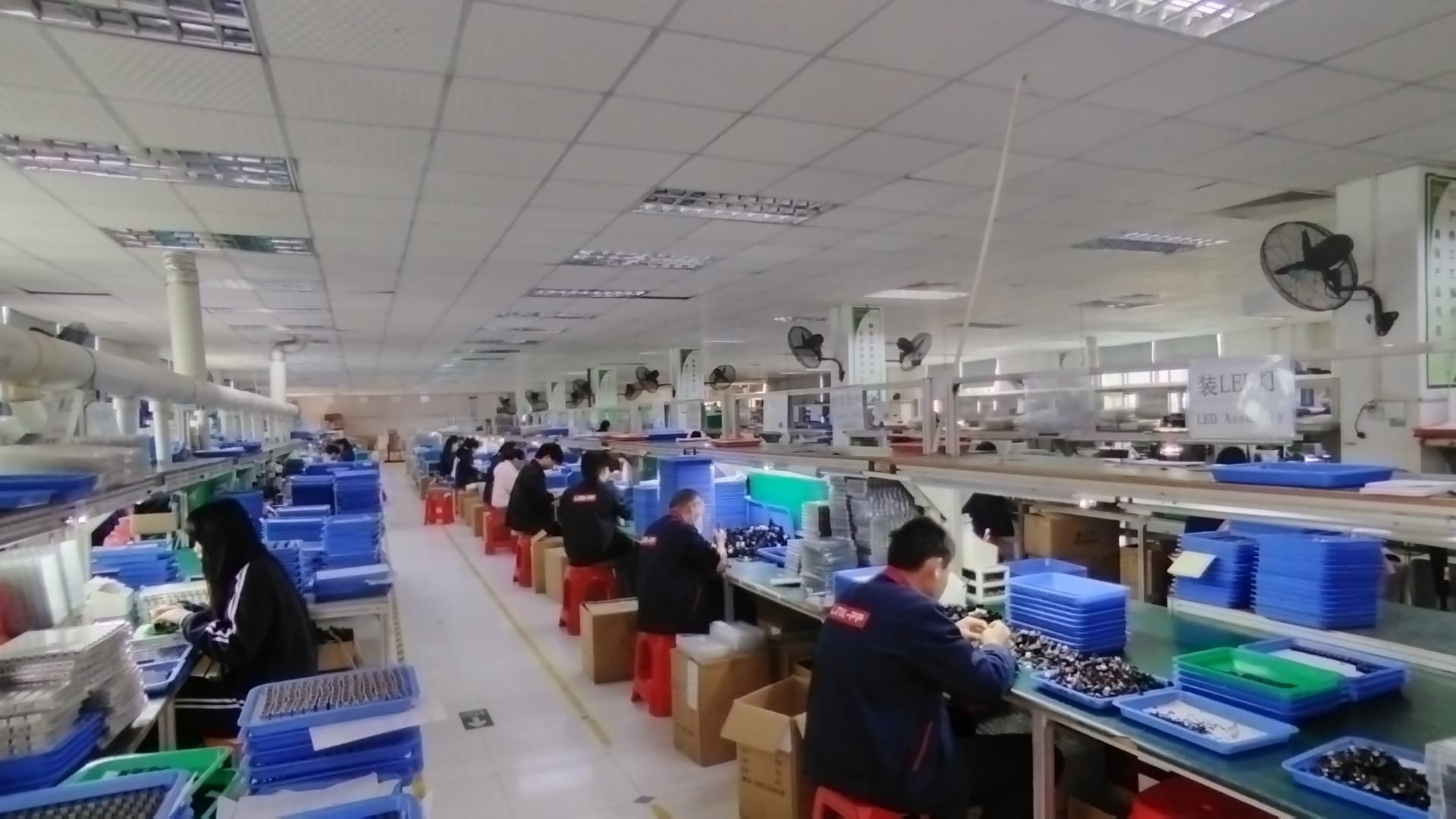

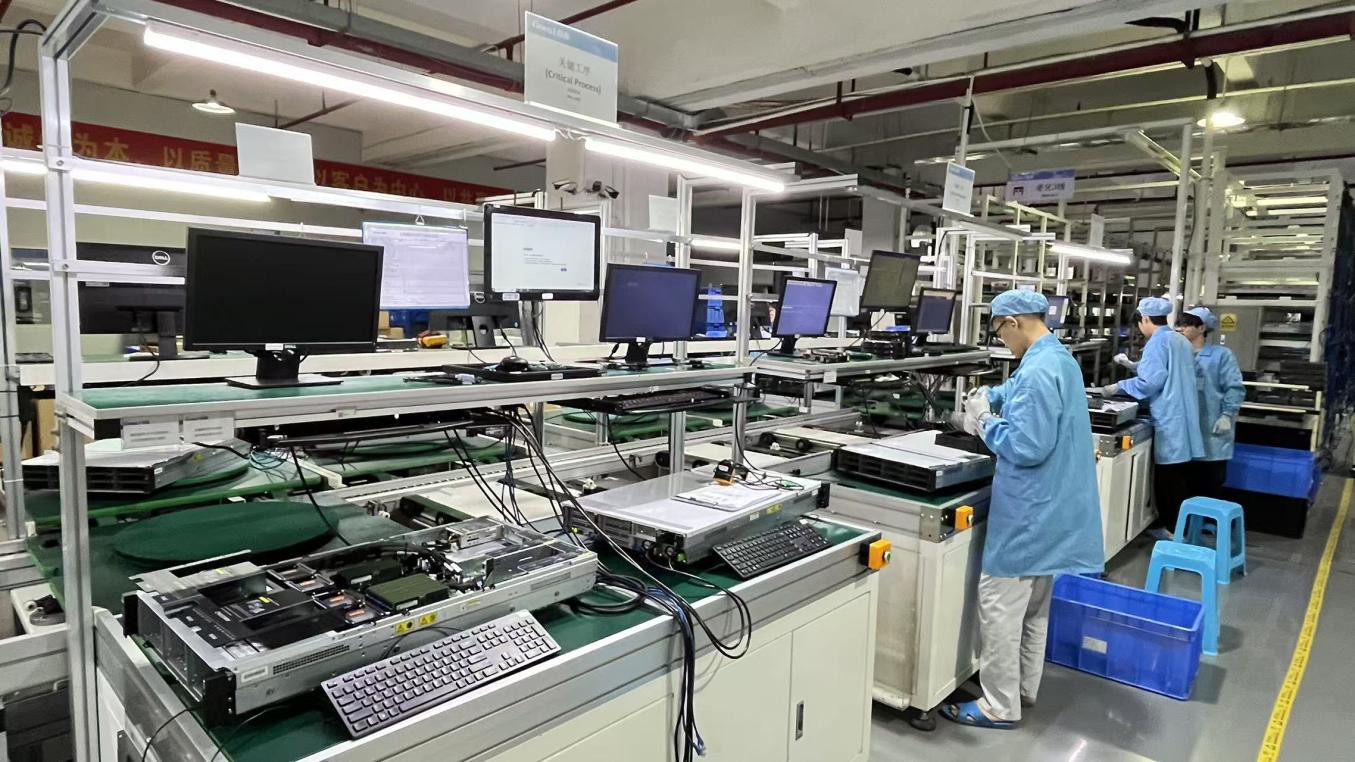
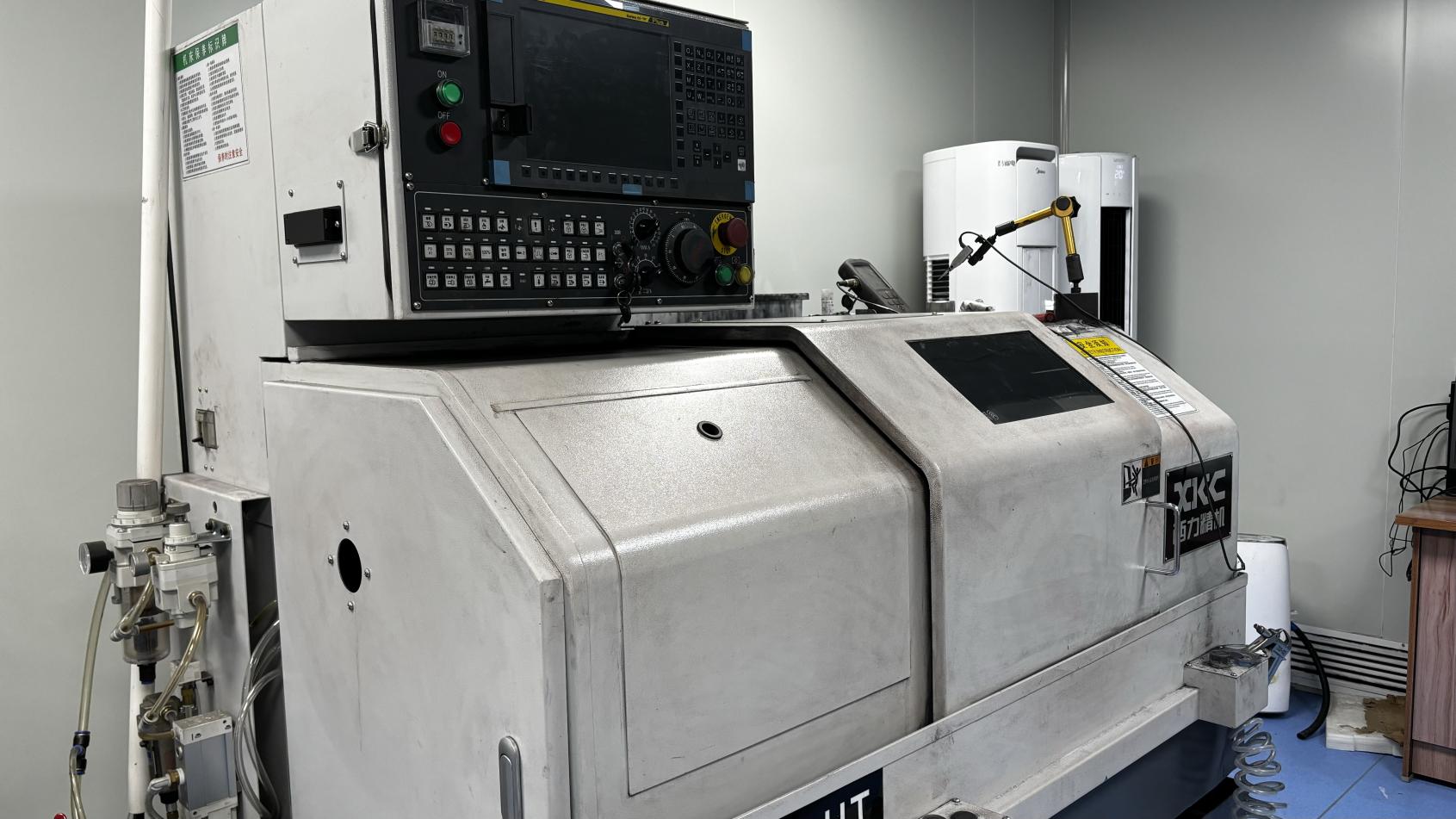
Quality is at the core of our operations. Our quality management system incorporates incoming material inspection, in-process quality control, aging tests, compatibility verification, optical parameter testing, and final product inspection. A professional quality assurance team of 32 inspectors ensures every product meets strict international standards before shipment.
The company maintains long-term cooperation with more than 850 supply chain partners, enabling stable sourcing, efficient production, and rapid delivery capabilities. Our flexible manufacturing system supports OEM, ODM, private label, customized firmware, customized labeling, and packaging services to satisfy diverse customer requirements.
As a company with strong independent R&D capabilities, advanced testing equipment, and a customer-oriented approach, Xelivor serves distributors, system integrators, telecommunications operators, data center providers, network equipment vendors, and enterprise customers worldwide.
Modern electrical grids across Queensland, Victoria, and New South Wales rely heavily on real-time data transmissions within substations. Fiber networks using 100BASE-FX and STM-1 optical standards prevent electromagnetic interference (EMI) that copper cables suffer from in high-voltage environments. Our Hirschmann-compatible 155M LC modules are widely integrated into substation ethernet switches, linking Protection Relays with Human-Machine Interfaces (HMIs) over robust multimode and single-mode fibers.
The Pilbara region’s mining facilities feature automated rail lines, drill rigs, and conveyor systems that require high-reliability telemetry. These installations depend on Moxa-compatible industrial-temperature SFP modules. Operating at 155M rates, these modules transmit mission-critical SCADA signals over long, single-core fiber lines using Bidirectional (BiDi) technology, keeping deployment infrastructure light while maximizing bandwidth efficiency in remote, dust-choked desert terminals.
Public rail operators manage signaling circuits spanning thousands of kilometers across rural Australia. To ensure absolute passenger safety, signaling systems require highly deterministic communications. Low-speed SFP modules (622M and 155M) running over SDH ring networks provide instant sub-50ms failover protection. This guarantees that signaling control rooms in capital cities can monitor train locations and sensor arrays in real-time, preventing network jitter or packet drops.
While the National Broadband Network (NBN) leverages high-speed fiber hubs, many regional Australian areas are fed by legacy microwave or optical transport nodes that route traffic at STM-1 (155 Mbps) and STM-4 (622 Mbps) intervals. By deploying cost-effective 155M/622M transceivers, local operators can maintain these vital lifelines without incurring the massive capital expenditure of upgrading the end-nodes to Gigabit or 10G interfaces.
One of the largest hurdles for enterprise buyers is vendor lock-in. Historically, Cisco, Moxa, and Hirschmann coded their switches to reject third-party transceivers. Modern SFP modules solve this by utilizing customized EEPROM firmware. By flashing the correct vendor signatures at the factory level, manufacturers like Xelivor allow Australian integrators to deploy high-quality, cost-effective modules that register seamlessly with legacy host platforms.
Modern network management requires proactive fault isolation. DDM technology allows administrators to remotely monitor real-time SFP parameters, such as optical output power, receiver sensitivity, laser temperature, and transceiver supply voltage. In Australia's harsh climates, DDM-enabled 155M and 622M modules allow IT operations to predict optical degradation and dispatch repair technicians to remote sites before a critical system failure occurs.
Fiber cabling is expensive to lease or install in regional areas. To maximize utilization, companies are migrating from dual-fiber (Duplex) networks to Bidirectional (BiDi) single-fiber architectures. By utilizing separate wavelengths (e.g., 1310nm-TX/1550nm-RX and vice-versa) over a single strand of glass, operators can double their physical fiber capacity instantly without laying new cables, realizing massive cost savings.
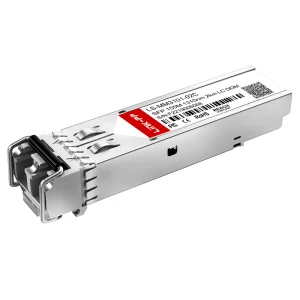
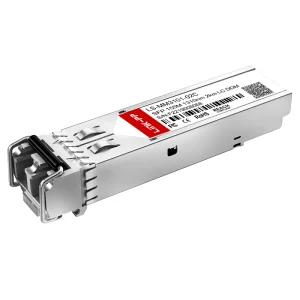
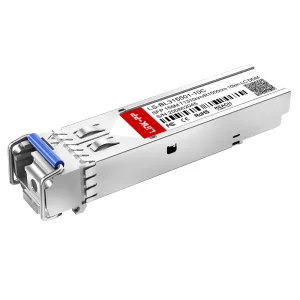
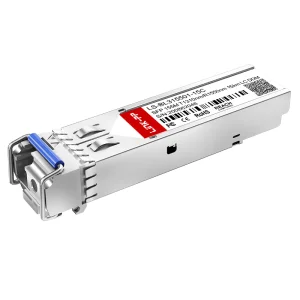
Discover our full range of 100M/155M/622M compatible modules designed to fit diverse network architectures and environments.
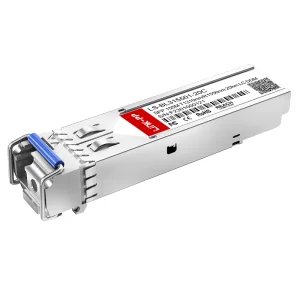
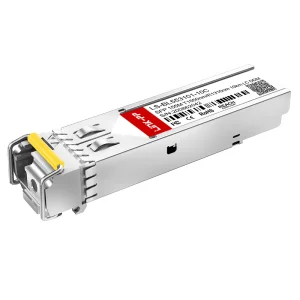
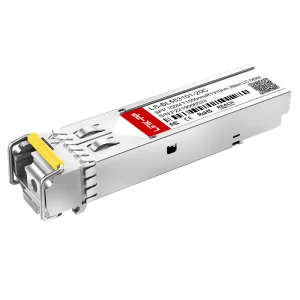
Expert technical answers regarding SFP module deployments, compatibility coding, and shipment parameters in Australia.
Consult with our engineering team today to receive a direct quote, confirm switch compatibility coding, or request customized samples.
Send Inquiry Now