Xelivor
Xelivor
Xelivor
Engineered for absolute compatibility with legacy industrial networks and public telecom infrastructure across Tashkent, Samarkand, and Bukhara.
As Central Asia's most populous country, Uzbekistan is undergoing a massive digital transformation, driven by the government's ambitious "Digital Uzbekistan 2030" strategy. Under this national initiative, optical fiber backbones and industrial communications are being rapidly deployed to modernize power grids, heavy industrial complexes, municipal services, and the national rail network (Oʻzbekiston Temir Yoʻllari). Despite the global focus on multi-gigabit technologies, industrial networks in Uzbekistan heavily rely on robust, legacy architectures that require 155M (STM-1) and 622M (STM-4) SFP modules.
These lower data rates are critical because they match the exact bandwidth needs of industrial automation, SCADA systems, oil and gas telemetry, and signaling networks. The reliance on 155M and 622M transceivers in harsh climates (like the Kyzylkum Desert) requires hardware that doesn't just meet standard network specifications, but thrives under massive temperature variances while retaining 100% interoperability with multi-generational equipment from vendors such as Moxa, Hirschmann, Cisco, and Huawei.
To help system integrators and telecom procurement specialists in Uzbekistan determine the ideal physical layer specs, we outline the primary technical differences between these standard industrial speeds:
| Parameters | 155M Fast Ethernet / STM-1 | 622M Fast Ethernet / STM-4 |
|---|---|---|
| Standard Data Rates | 155 Mbps / 100BASE-FX | 622 Mbps / OC-12 |
| Primary Fiber Modes | Multimode (MMF) & Singlemode (SMF) | Singlemode (SMF) |
| Wavelength Profiles | 1310nm / 1550nm / BiDi (1310Tx/1550Rx) | 1310nm / 1550nm / BiDi |
| Distance Capability | 2km (MMF), 10km, 20km, 40km, up to 80km (SMF) | 10km, 20km, 40km, 80km, up to 120km |
| Digital Diagnostics (DDM) | Optional / Highly recommended for SCADA | Standard on industrial-grade modules |
| Common Industrial Interface | Duplex LC / Simplex LC (Bidi) | Duplex LC / Simplex LC |
Why do major industrial enterprises in Tashkent, Samarkand, and Navoi keep selecting Xelivor's 155M/622M SFP modules? The key lies in compatibility and longevity. Industrial systems have a typical operational lifespan of 15 to 30 years. Modernizing these environments does not mean replacing existing fiber nodes entirely, which would be financially prohibitive. Instead, system engineers insert MSA-compliant SFP modules into their industrial switches and media converters. This extends the service life of optical networks while maintaining link stability.
For example, in the mining sectors of the Navoi Mining and Metallurgical Combinat (NGMK), optical links traverse several kilometers of copper-heavy, electromagnetically noisy terrain. By using 1310nm/1550nm 155M optical transceivers with dual LC connectors, network engineers eliminate electromagnetic interference (EMI) entirely while maintaining a steady link over distances up to 80km without signal regeneration.
Built with high-tolerance sub-components to endure temperatures from -40°C up to +85°C. Crucial for open-pit mines and non-climate-controlled utility substations across Uzbekistan.
Xelivor transceivers feature customized EEPROM coding to ensure seamless plug-and-play operation with Moxa, Hirschmann, Cisco, Allied Telesis, Huawei, and Mikrotik devices.
Essential for real-time SCADA and teleprotection signaling protocols within national electrical grids, preventing phase mismatches and link dropouts.
Consistently expanding production capacities and maintaining supply reliability to central Asian markets.
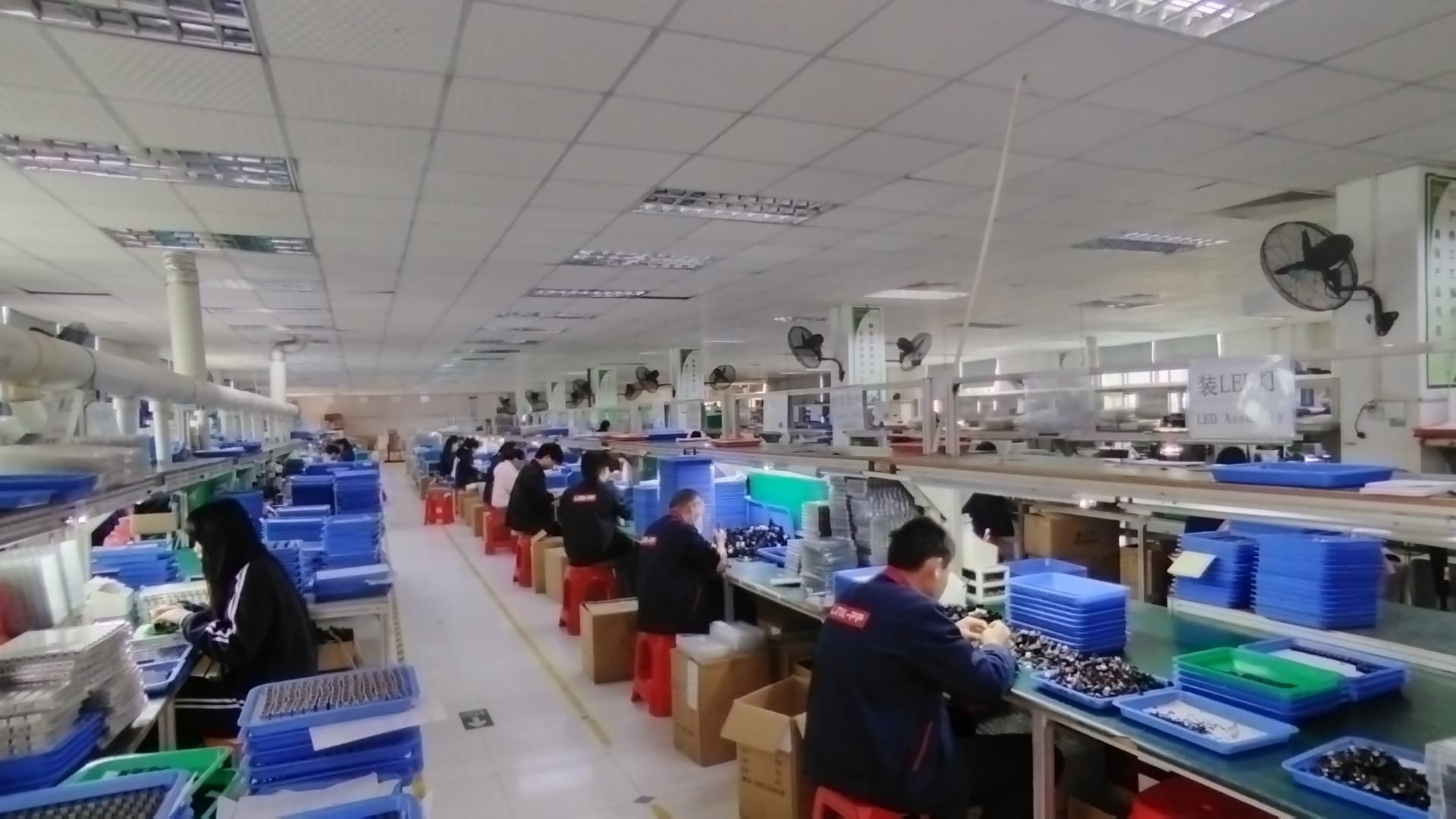
Xelivor Optoelectronics Co., Ltd. is a professional manufacturer of optical transceivers and fiber connectivity solutions, dedicated to serving global data center, telecom, enterprise network, and cloud computing industries. Established in 2016, the company operates from a modern manufacturing facility covering 386 m² and has built a strong reputation for delivering reliable, high-performance optical communication products worldwide.
With over 8 years of industry experience and 6 years of export experience, Xelivor has achieved annual export revenues exceeding USD 12 million. Our products are exported to customers across North America, Europe, Southeast Asia, the Middle East, and South America, supporting a wide range of networking applications from enterprise infrastructure to hyperscale data centers.
Xelivor specializes in the design, development, and production of optical transceivers, including SFP, SFP+, SFP28, QSFP28, QSFP-DD, OSFP, DAC, and AOC solutions. Backed by a dedicated R&D team of 68 engineers, the company continuously invests in innovation and launched more than 85 new products in the past year to meet the evolving demands of high-speed optical networks.
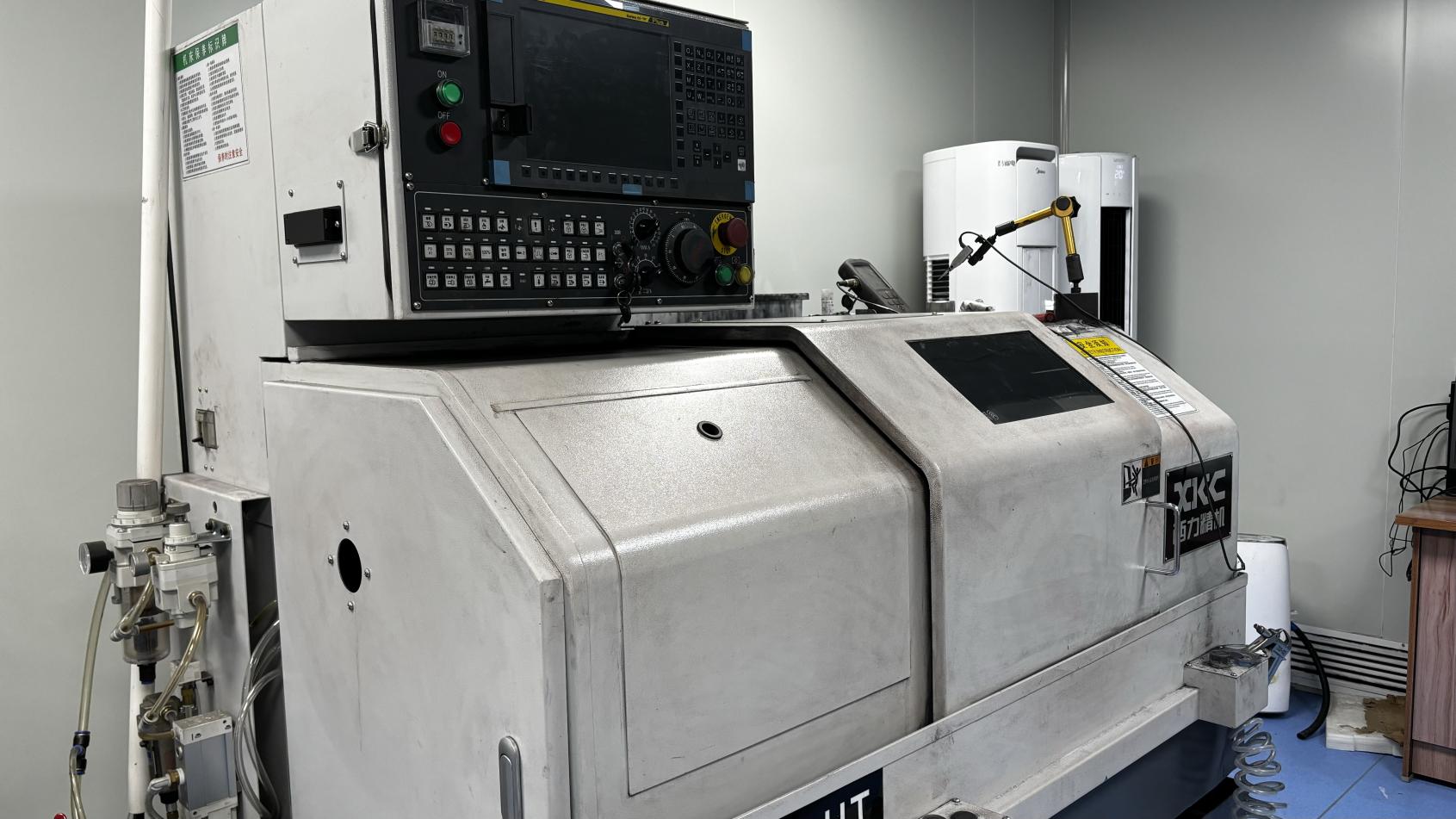
Quality is at the core of our operations. Our quality management system incorporates incoming material inspection, in-process quality control, aging tests, compatibility verification, optical parameter testing, and final product inspection. A professional quality assurance team of 32 inspectors ensures every product meets strict international standards before shipment.
The company maintains long-term cooperation with more than 850 supply chain partners, enabling stable sourcing, efficient production, and rapid delivery capabilities. Our flexible manufacturing system supports OEM, ODM, private label, customized firmware, customized labeling, and packaging services to satisfy diverse customer requirements.
As a company with strong independent R&D capabilities, advanced testing equipment, and a customer-oriented approach, Xelivor serves distributors, system integrators, telecommunications operators, data center providers, network equipment vendors, and enterprise customers worldwide.
Driven by innovation, quality, and partnership, Xelivor Optoelectronics Co., Ltd. remains committed to providing cost-effective, reliable, and future-ready optical communication solutions for global networking infrastructure.


Importing active optical equipment into Uzbekistan requires compliance with strict local standards and certifications. Xelivor coordinates with local import brokers and system integrators in Tashkent to streamline compliance and shipment logistics:
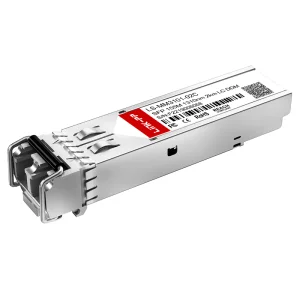
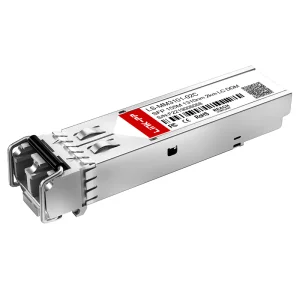
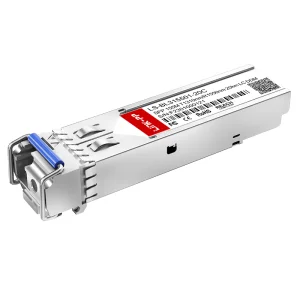
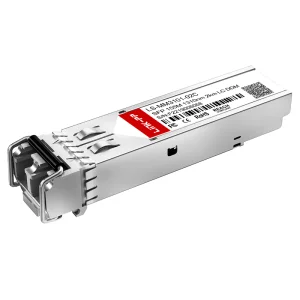
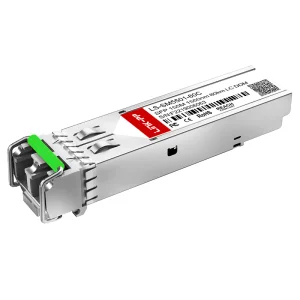
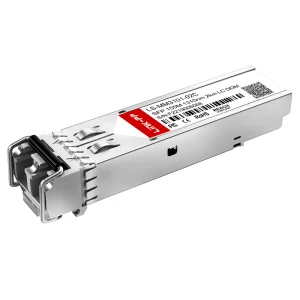
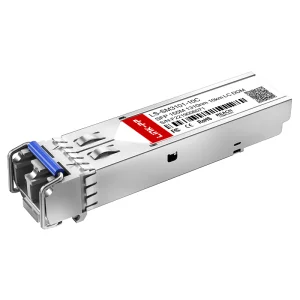
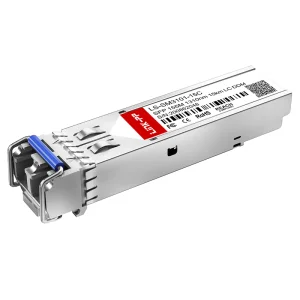
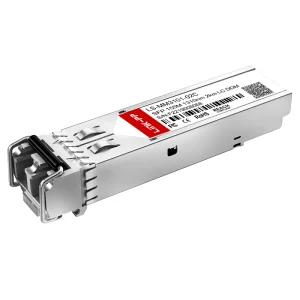
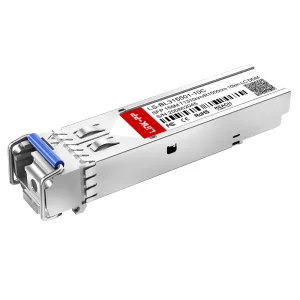
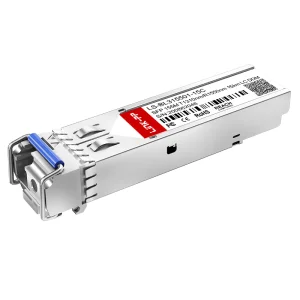
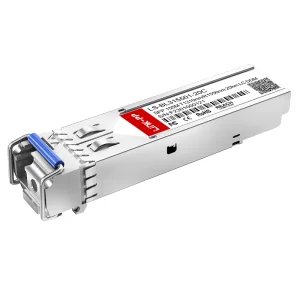
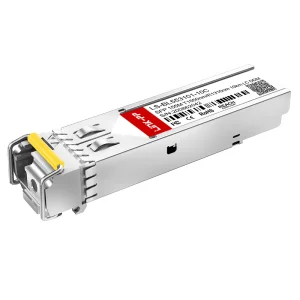
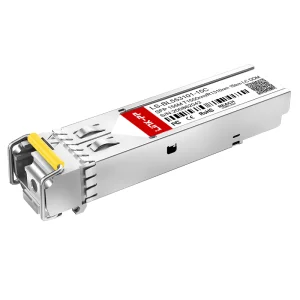
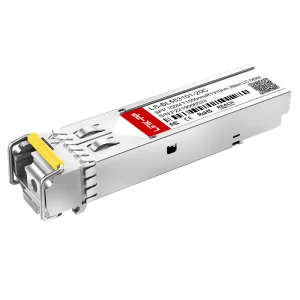
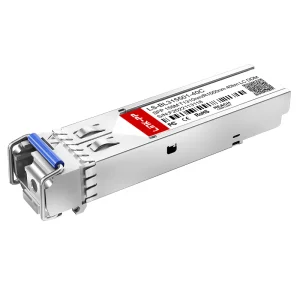
Our primary range of standard and industrial 100M/155M transceivers, fully tested and certified for deployment.
Get answers to critical technical and logistical questions when importing 155M/622M SFP transceivers to Uzbekistan.
A: Xelivor transceivers utilize advanced EEPROM microcontrollers. Prior to shipment, we flash custom-coded vendor profiles (e.g., Moxa, Hirschmann, Cisco, Huawei) matching your system specs. This ensures that the host equipment detects the transceiver as an OEM part, enabling full functionality and accurate digital diagnostic reporting (DDM).
A: Many SCADA, railway signaling, and electrical substation protection networks use SDH/SONET frameworks operating on STM-1 (155M) and STM-4 (622M) speeds. Upgrading to higher rates is unnecessary since these systems require minimal bandwidth but demand extreme link reliability, low jitter, and long transmission spans (up to 80-120 km), which low-rate transceivers optimize cost-effectively.
A: Standard commercial SFP modules operate from 0°C to +70°C. Industrial-grade SFP transceivers (represented by models like Moxa SFP-1FEMLC-T or Hirschmann EEC compatible modules) are certified to operate under extreme climates from -40°C to +85°C. This protection is necessary for nodes deployed in regions like the Kyzylkum Desert or non-insulated trackside cabinets across Uzbekistan railways.
A: Yes, we offer comprehensive OEM and ODM support. We provide customized labeling, custom part number flashing on the EEPROM, and individualized packaging templates to support the localization and branding efforts of Uzbek ICT engineering firms and regional distributors.
A: Our standard production lead time is 3 to 5 working days depending on order size. Shipments are sent via premium air freight directly to Tashkent International Airport (TAS), which takes about 5 to 7 days, or via container cargo rail routes for high-volume orders, arriving within 15 to 20 days.
Get in touch with our product application specialists to discuss customized compatibility profiles, local shipping routes, and volume-based industrial discounts for the Uzbekistan market.
Send Inquiry Now