Xelivor
Xelivor
Xelivor
Rugged legacy designs featuring enhanced thermal limits and optical performance metrics optimized for regional industrial network nodes.
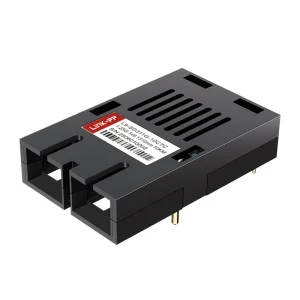
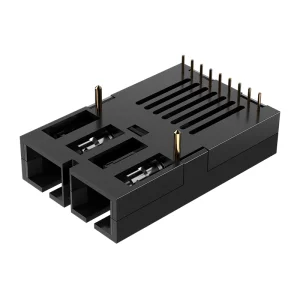
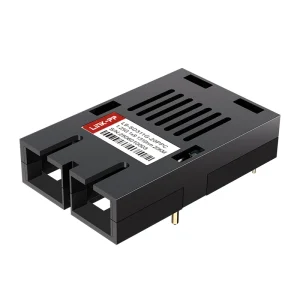
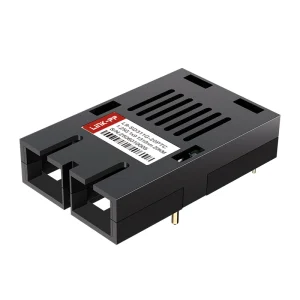
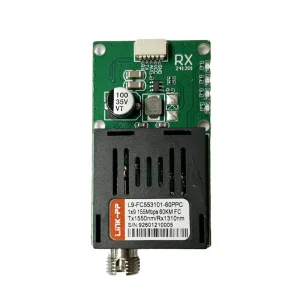
Spain is at the forefront of digital transformation in Southern Europe. The country's national broadband plan, coupled with major grid digitizations led by Iberdrola and Endesa, has created a robust need for both next-generation high-bandwidth transceivers and extremely reliable legacy technologies. While hyperscale data centers are popping up around Madrid and Barcelona, industrial automation networks, metropolitan transport networks (such as ADIF's rail signaling circuits), and electrical substation networks continue to rely on the time-tested 1x9 optical transceiver architecture.
Spain's manufacturing sector—ranging from the automotive plants in Zaragoza, Catalonia, and Galicia to chemical parks in Tarragona—relies heavily on industrial Ethernet switches and serial-to-fiber converters. Many of these field devices use 1x9 packaging rather than modular SFP slots. The fixed-pin layout of 1x9 transceivers offers superior mechanical stability under extreme vibrations, high heat, and heavy dust conditions. As a leading exporter of optical technologies, Xelivor Optoelectronics delivers custom-engineered 1x9 components that match Spain's industrial specifications, ensuring uninterrupted data acquisition and process safety controls.
Market analytics reveal three distinct regional paradigms in Spain:
Engineered to support short-reach local loops and advanced single-fiber bidirectional links for cost-effective network expansions.
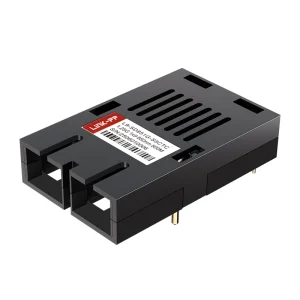
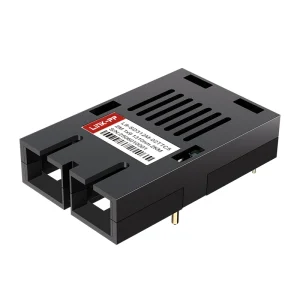
For Spanish procurement officers and systems integrators, sourcing optical hardware involves strict compliance protocols. The European Union's regulatory framework dictates precise limits on hazardous substances, waste management, and quality assurances. Xelivor Optoelectronics designs and manufactures transceivers that comply with all CE markings, RoHS, WEEE, and REACH directives, ensuring seamless clearance at Spanish ports like Valencia, Barcelona, and Algeciras.
Our dedicated R&D division, staffed by 68 highly experienced optical engineers, focuses on compatibility engineering. Because 1x9 transceivers are integrated into legacy systems manufactured by a variety of global vendors (such as Moxa, Siemens, Hirschmann, Cisco, and Allied Telesis), maintaining absolute software and electrical compatibility is critical. We utilize automated testing configurations to write custom EEPROM microcode, matching the hardware signatures required by proprietary host systems.
Our quality verification processes involve several strict steps before shipment:
Empowering the world's networks with precision-made optical systems.
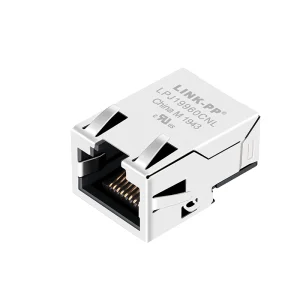
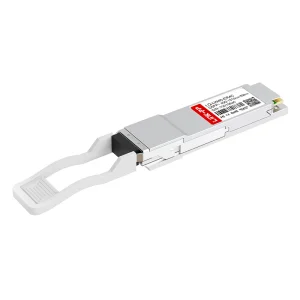
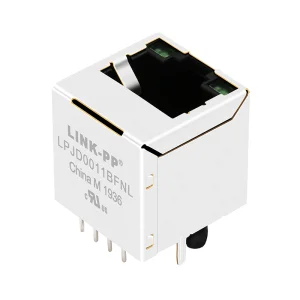
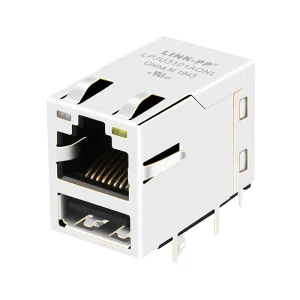
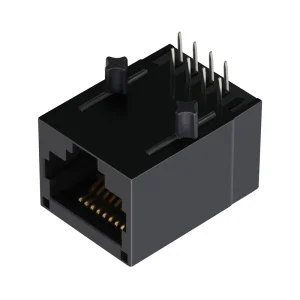
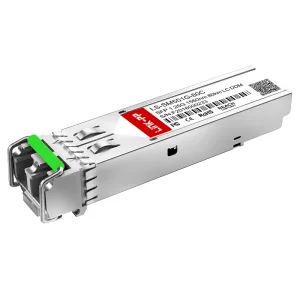
From ultra-long reach 80km bidirectional 1x9 transceivers to modular high-speed QSFP+ modules and copper RJ45 interfaces.
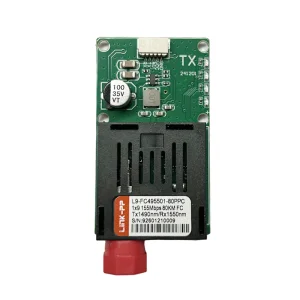
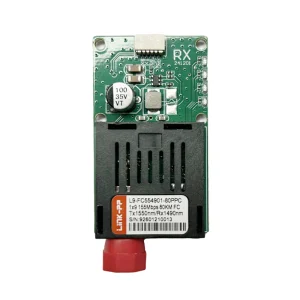
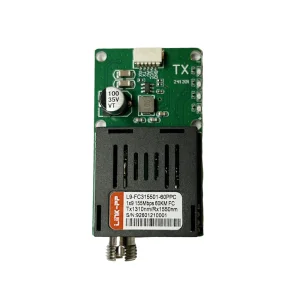
The persistence of the 1x9 packaging standard is primarily due to its electrical footprint and physical robustness. Modern networks rely on hot-swappable transceivers (like SFP, SFP+, and QSFP), but the industrial sector demands component permanence. Once soldered onto a carrier board, a 1x9 transceiver becomes part of the system's structural integrity, preventing connection loss in high-vibration applications.
In Spanish wind farms, wind turbines generate strong localized electromagnetic fields. Copper connections are highly susceptible to electromagnetic interference over long runs. Engineers use media converters equipped with 1x9 optical interfaces to run fiber cables up the turbine towers, establishing a secure, noise-free connection to central control cabins.
Passenger rail services and urban metro lines (like those in Madrid, Barcelona, and Seville) require safety-critical communications. Legacy trackside sensors and interlocking control cabinets communicate using custom fiber links. The stability of 1x9 transceivers ensures that train tracking, speed limits, and signal transmissions are maintained under continuous thermal cycling and track vibration.
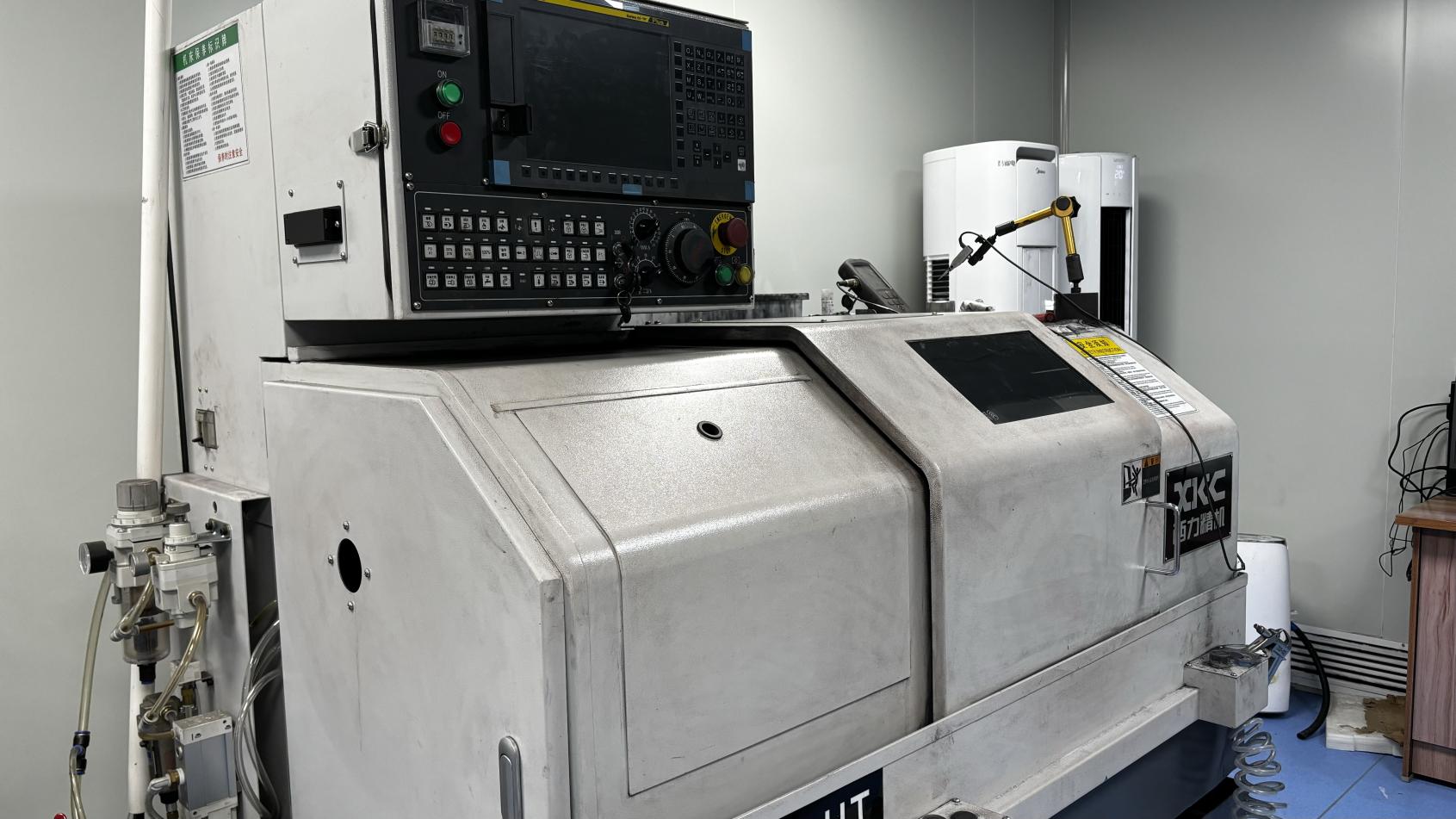
Xelivor Optoelectronics Co., Ltd. is a dedicated developer and manufacturer of optical transceivers and high-precision fiber connectivity systems. Since our establishment in 2016, we have developed a specialized, dust-free manufacturing space optimized for high-yield optical transceiver alignment and assembly. This facility has built a global reputation for producing reliable, high-performance communication systems.
With over 8 years of industry experience and 6 years of export history, Xelivor achieves annual export revenues exceeding USD 12 million. Our products support applications from municipal utilities to enterprise systems across Europe, North America, Southeast Asia, and South America.
Our operations prioritize quality at every stage. The factory features modern diagnostic tools for incoming materials, high-temperature aging chambers, wavelength checkers, and compatibility suites. Our QA team monitors every step to ensure all products comply with European telecommunication standards.


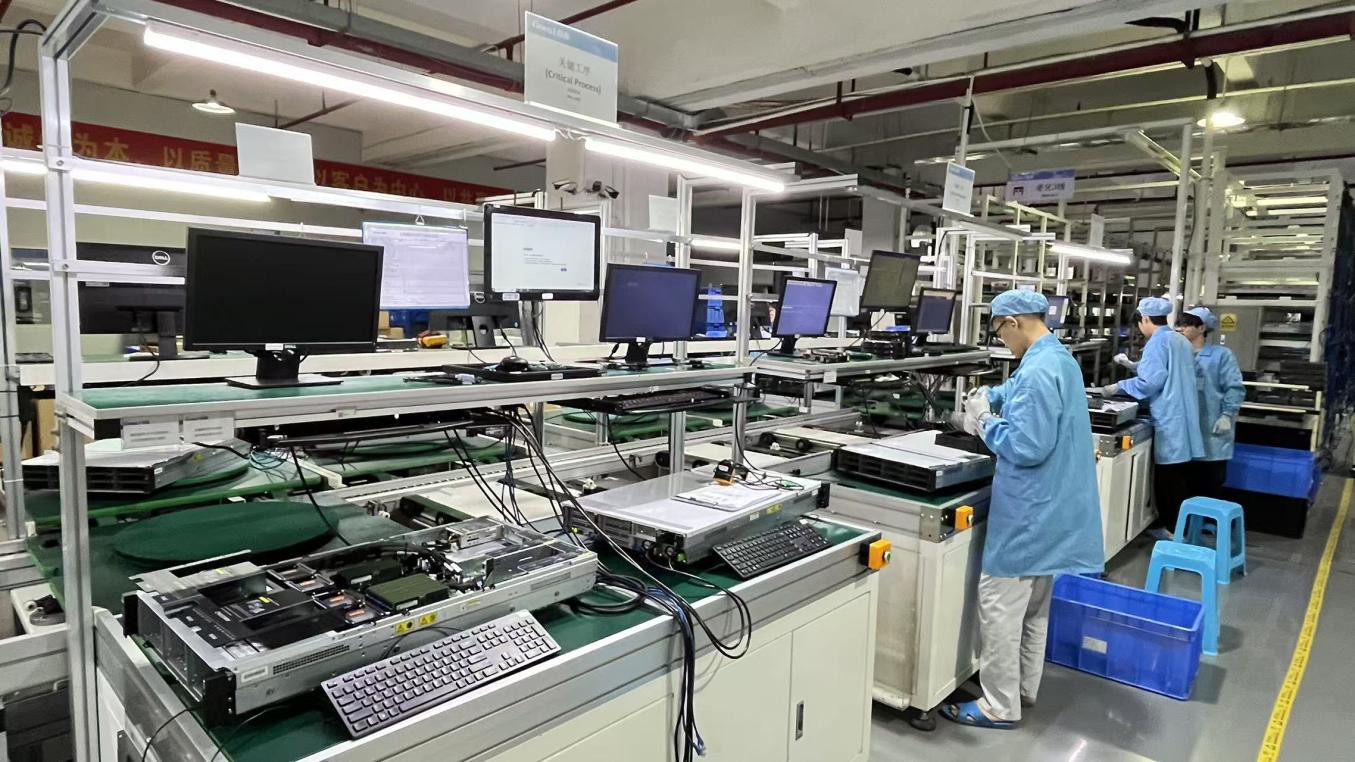
A key challenge for telecom and utility engineering departments is component lifecycle management. As semiconductor components age, sourcing reliable replacements becomes harder. Xelivor is committed to supporting legacy systems by maintaining production capacity for legacy 1x9 transceivers while developing modernization pathways.
Modern industrial control boards often feature a mix of SFP sockets and 1x9 footprints. We design our 1x9 modules to offer identical electrical profiles to standard SFP interfaces, allowing system integrators to use standard media converters and switches without requiring hardware redesigns.
Our upcoming generation of 1x9 optical modules features improved thermal design, allowing them to operate at temperatures up to 85°C without signal degradation. This makes them ideal for outdoor cabinets and smart city nodes throughout Southern Europe, where summer heat presents a common challenge.
Key technical, logistical, and compliance inquiries for engineering and procurement professionals in Spain.
Need a direct quote or custom datasheet?
Send Inquiry Now ➔