Xelivor
Xelivor
Xelivor
Standard & Customized 1x9 Form Factor Modules Designed for Sofia's Metro Transit, Plovdiv Industrial Automation, and Varna Port Systems.
Bulgaria's positioning as a strategic telecommunications and digital transit hub in Southeastern Europe is driving massive modernization projects across its industrial, utility, and logistical networks. From the high-speed data exchanges operating in the capital city of Sofia to the massive smart grid retrofitting projects in the Maritsa Iztok Power Complex, optical communication architectures must satisfy both historical compatibility frameworks and modern ruggedization standards. Amidst these infrastructure demands, the classic 1x9 optical transceiver continues to serve as an indispensable cornerstone.
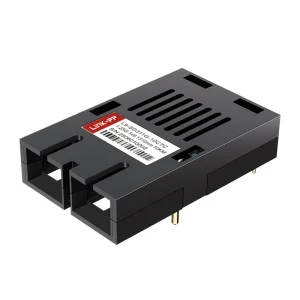
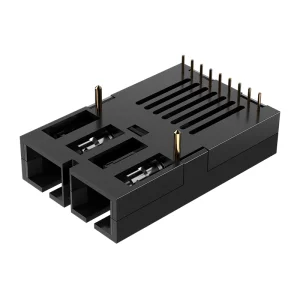
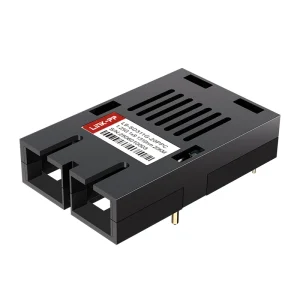
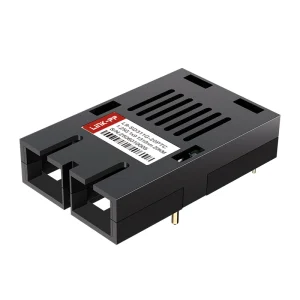
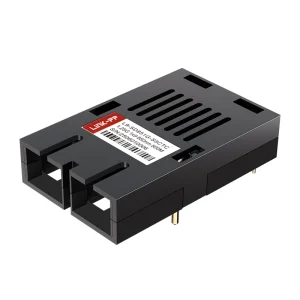
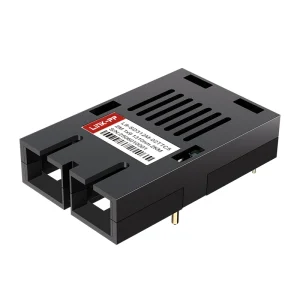
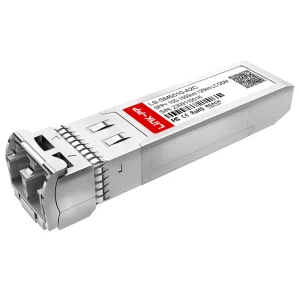
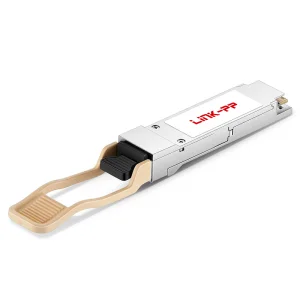
While standard consumer-grade architectures have transitioned entirely to hot-pluggable form factors (SFP, SFP+, QSFP), critical industrial facilities in Bulgaria—including the Bulgarian State Railways (BDZ), municipal water monitoring systems, and specialized maritime tracking networks in Varna and Burgas—rely heavily on 1x9 transceivers. The primary driver is mechanical stability and electromagnetic noise immunity. The dual-row pin structure of a 1x9 module, which is soldered directly to the motherboard, guarantees absolute resistance to vibration, thermal cycling, and high-voltage interference, outperforming hot-swappable transceivers in harsh environments.
Specifically engineered for Bulgarian electrical substations, offering complete isolation against high-voltage surges and electromagnetic interference.
Unlike SFP, 1x9 pins are soldered directly to PCBs, preventing mechanical disconnection in railway and industrial plant environments.
Operates flawlessly from -40°C to +85°C, ensuring stability in open-air municipal telemetry during Bulgaria's freezing winters.
For systems integrators and network deployment contractors operating in the Balkan region, global procurement of legacy hardware presents a complex set of challenges. As older optical modules face obsolescence, finding a manufacturing partner capable of maintaining strict QA testing and standard lead times is critical. Systems operating in Sofia Tech Park or within regional municipal structures require exact-match custom optical parameters, unique Tx/Rx wave coupling, and legacy physical connectors such as SC and FC.
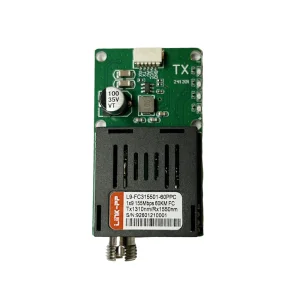
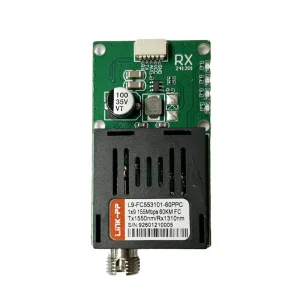
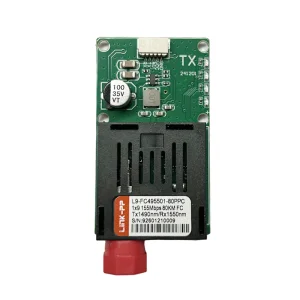
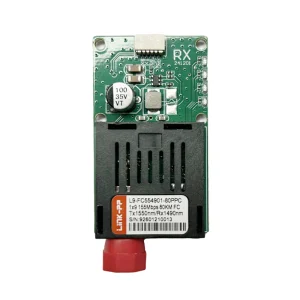
Xelivor Optoelectronics addresses these challenges by offering customized production runs. Rather than forcing clients into expensive, system-wide media converter upgrades, Xelivor provides pin-compatible 1x9 transceivers in varying wavelengths—including 850nm, 1310nm, and BiDi options (such as Tx1550nm/Rx1310nm and Tx1490nm/Rx1550nm). This specialized support helps preserve Bulgarian legacy assets in railway signaling, pipeline telemetry, and power grid controls while introducing modern, high-grade lasers that enhance optical link budgets and system reliability.
Supply Chain Partners
Annual Export Revenue
R&D Optical Engineers
QA Inspectors on Staff
Understanding the optical parameters is key to successful network retrofits. 1x9 modules utilize either Single-Mode Fiber (SMF) or Multi-Mode Fiber (MMF) configurations. MMF transceivers operating at 850nm are primarily used for short-range links (typically up to 500 meters) in local industrial environments. Single-Mode transceivers operating at 1310nm and 1550nm are reserved for long-haul networks, extending transmission distances up to 80km without active regeneration.
Bi-Directional (BiDi) 1x9 transceivers offer a highly cost-effective solution for fiber-constrained installations. By transmitting and receiving data over a single fiber core using distinct wavelengths (e.g., 1310nm-Tx and 1550nm-Rx), BiDi modules double the capacity of existing fiber infrastructure. This setup is highly popular for regional traffic monitoring and remote monitoring along Bulgarian highways.
Xelivor Optoelectronics Co., Ltd. ensures all deliveries to Bulgaria comply fully with EU guidelines, including CE, RoHS, and REACH. In addition, our manufacturing processes are backed by a rigorous quality system: incoming materials undergo complete inspections, and all modules are subjected to thermal aging and optical eye diagram analysis before packaging. This thorough testing keeps defect rates near zero, assuring procurement managers of long-term operational reliability.
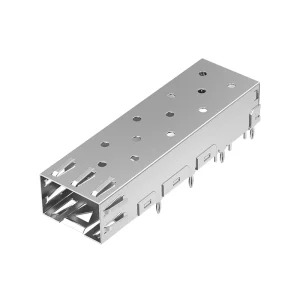
Full range of 1x9 fiber optic transceivers, compatible SFP cage assemblies, and network components designed for industrial applications in Bulgaria.
Contact our technical engineering sales desk for custom firmware adjustments, mechanical compatibility sheets, or high-volume pricing for the Bulgarian market.
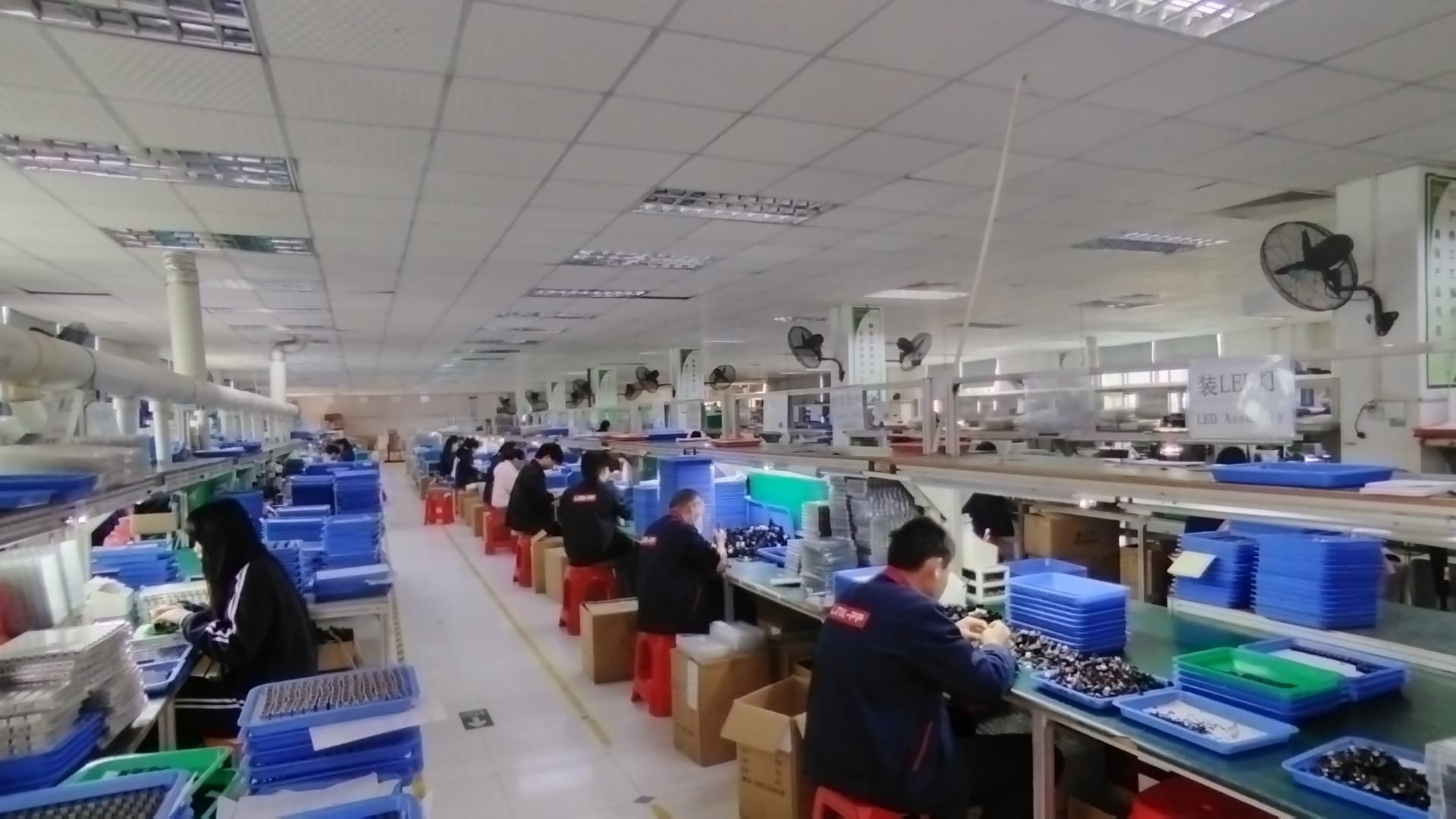
Send Inquiry NowXelivor Optoelectronics Co., Ltd. operates a modern 386 m² production cleanroom designed for high-precision optical component assembly and testing. With over 8 years of manufacturing expertise and 6 years of international export experience, our organization has built long-term relationships with 850+ supply chain partners, ensuring stable pricing and reliable delivery schedules for our global customers.
All transceivers undergo a comprehensive testing process, including laser verification, optical parameter checks, temperature chamber cycling, and compatibility verification with major switch brands. This meticulous approach ensures that our 1x9 transceivers maintain high reliability in critical deployments, from power grids to transit systems.



Common technical and procurement queries regarding 1x9 transceivers for systems integrators in Bulgaria.
Unlike hot-pluggable SFP modules, 1x9 transceivers are soldered directly onto the network card's PCB. This mechanical connection prevents loose contacts caused by physical shock or constant vibrations, which are common in railway transport, heavy factory machinery, and municipal infrastructure. Additionally, 1x9 housings provide excellent shielding against high-voltage electromagnetic interference (EMI).
Yes. Xelivor has 68 R&D engineers capable of customizing physical pins, signal detect (SD) threshold levels (PECL/TTL configurations), optical budgets, and internal coding to ensure seamless integration with legacy switches and converters from vendors such as Siemens, Cisco, and Hirschmann.
Absolutely. All our optical communication products exported to Bulgaria and other EU countries carry CE certification and fully comply with RoHS and REACH regulations, assuring safety and eco-compatibility for your deployments.
We support standard Duplex SC, Dual SC, and Single SC connectors, as well as FC connectors (commonly used in legacy railway transit signaling systems). Fiber types include Single-Mode (SMF) for long-range links up to 80km and Multi-Mode (MMF) for local networks up to 2km.
For standard models, production and testing typically take 3 to 7 working days, followed by air freight delivery to Sofia Airport (SOF) within 5 to 7 days, depending on carrier schedules.
Our QA process includes full material inspection, optical eye diagram analysis, and aging testing under high-temperature conditions. This thorough testing guarantees that every shipped transceiver operates reliably within its specified temperature range.