Xelivor
Xelivor
Xelivor
Engineered for high-density networks requiring rugged reliability, excellent thermal management, and long-term transmission stability.
An in-depth analysis of high-reliability fiber optic requirements, system durability, and legacy network resilience.
As the southernmost district of Mahé in the Seychelles, Takamaka is undergoing a quiet but significant technological revolution. Traditionally characterized by eco-tourism and artisanal fishing, the region is actively modernizing its underlying utilities, telecommunications, and maritime monitoring systems. However, implementing modern optical networks in Takamaka presents unique geo-climatic challenges. High relative humidity, persistent salt spray, and warm maritime temperatures accelerate the degradation of optical interfaces.
In this demanding tropical ecosystem, the standard hot-pluggable transceivers (such as SFP/SFP+) frequently encounter contact resistance or mechanical loosening due to environmental stress. Consequently, local engineering sectors in Takamaka increasingly rely on 1x9 transceiver modules. Because they are directly soldered onto PCBs, 1x9 transceivers eliminate mechanical contact failures, making them the preferred architecture for marine monitoring stations, coastal meteorological sensors, and regional power substations.
Across the global telecommunications and industrial automation landscapes, the 1x9 optical transceiver remains a crucial pillar. Originally standardized in the early days of fiber communication, the 1x9 pin configuration is far from obsolete. While hyperscale data centers chase higher speeds, heavy industrial, military, railway, and electrical utility networks prioritize long-term durability and predictability.
Many critical control systems, particularly in SCADA and electrical distribution grids, operate on lifecycles spanning decades. Rewriting software and replacing baseboard hardware to support modern architectures is financially and operationally prohibitive. Chinese manufacturers have optimized the 1x9 form factor, infusing it with modern optical sub-assemblies (TOSA/ROSA) to support longer distances (up to 80km or 100km) and bidirectional (BiDi) single-fiber architectures.
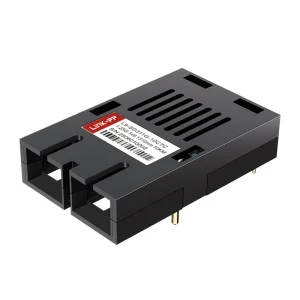
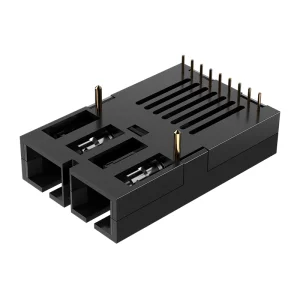
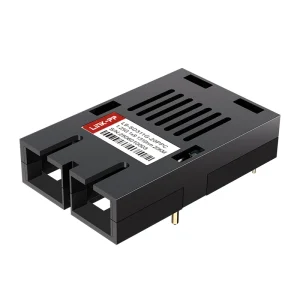
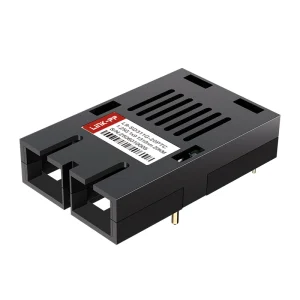
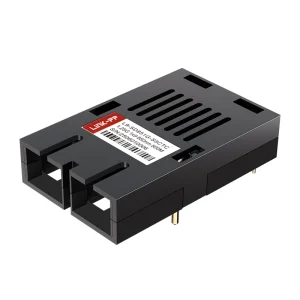
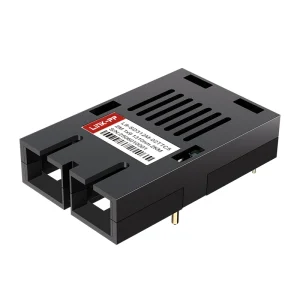
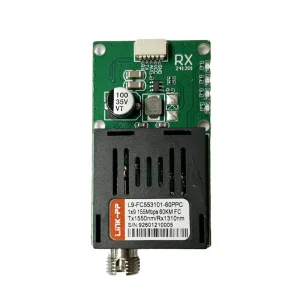
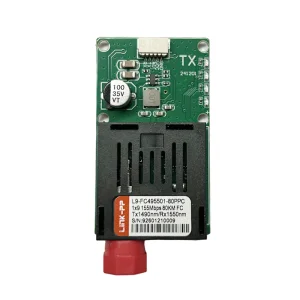
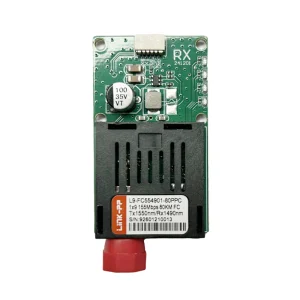
1x9 transceivers feature a single row of 9 pins soldered directly to the host board. This provides unparalleled physical stability and electromagnetic shielding (EMI) compared to card-edge connectors, making them ideal for high-vibration and electrically noisy industrial environments.
Enhancing connection efficiency and adapting standard systems to high-speed fiber channels and robust copper interfaces.
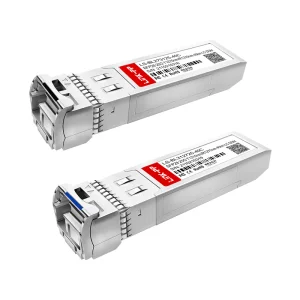
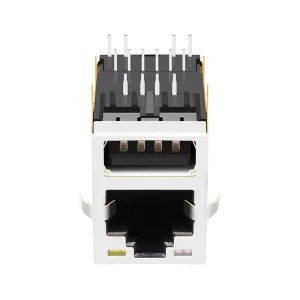
How our vertical integration and engineering expertise translate to rapid delivery, high performance, and robust quality control.
Xelivor Optoelectronics Co., Ltd. stands at the forefront of the optical communication manufacturing sector in China. Operating a highly specialized facility, we have established a robust ecosystem of R&D and manufacturing, backed by a dedicated team of 68 engineers. In the past year alone, our R&D group successfully designed, programmed, and launched over 85 new optical transceiver products to keep pace with changing international standards.
Quality control is built into every step of our assembly lines. Our QA team of 32 inspectors carries out rigorous procedures across multiple checkpoints:
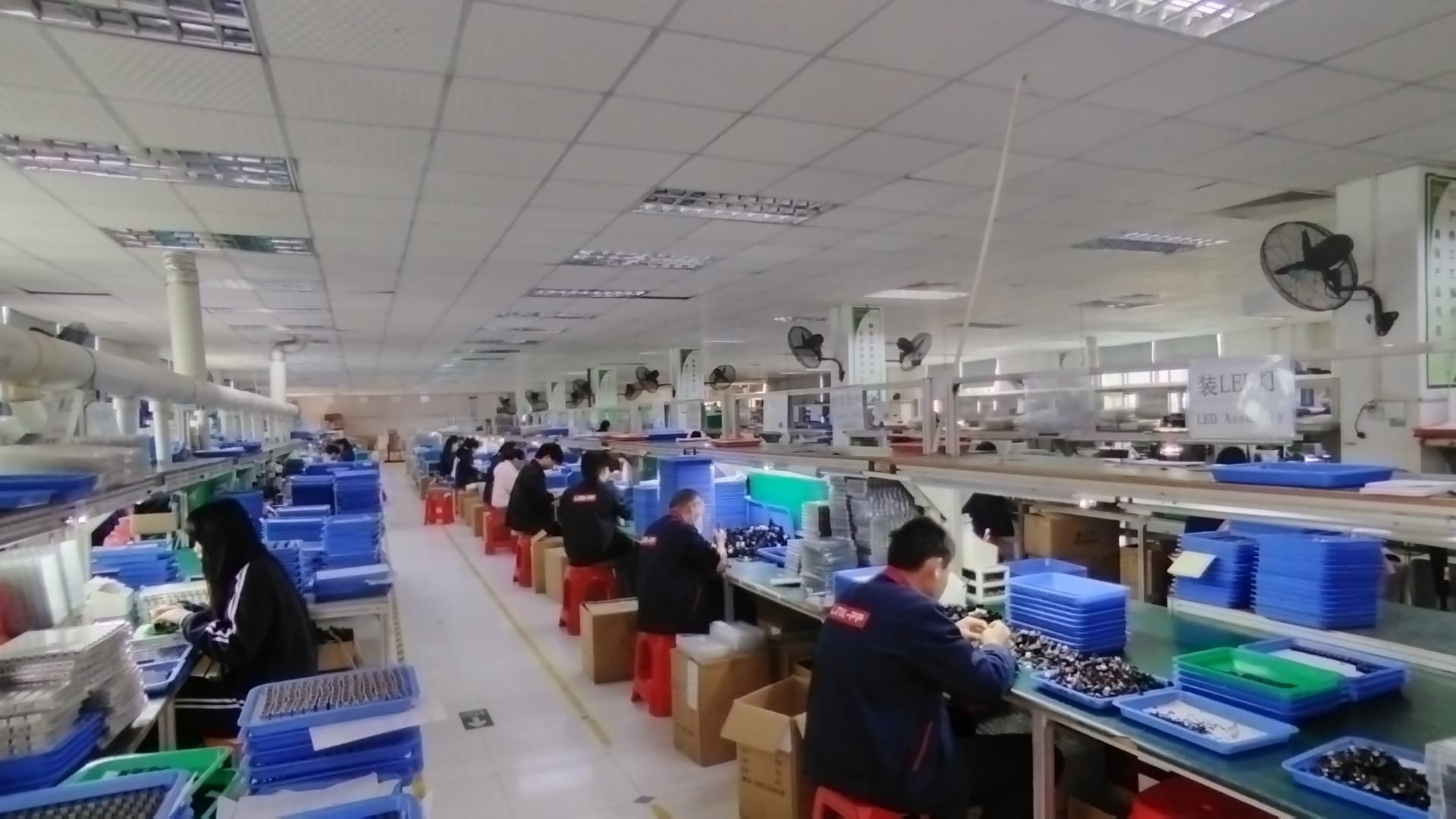
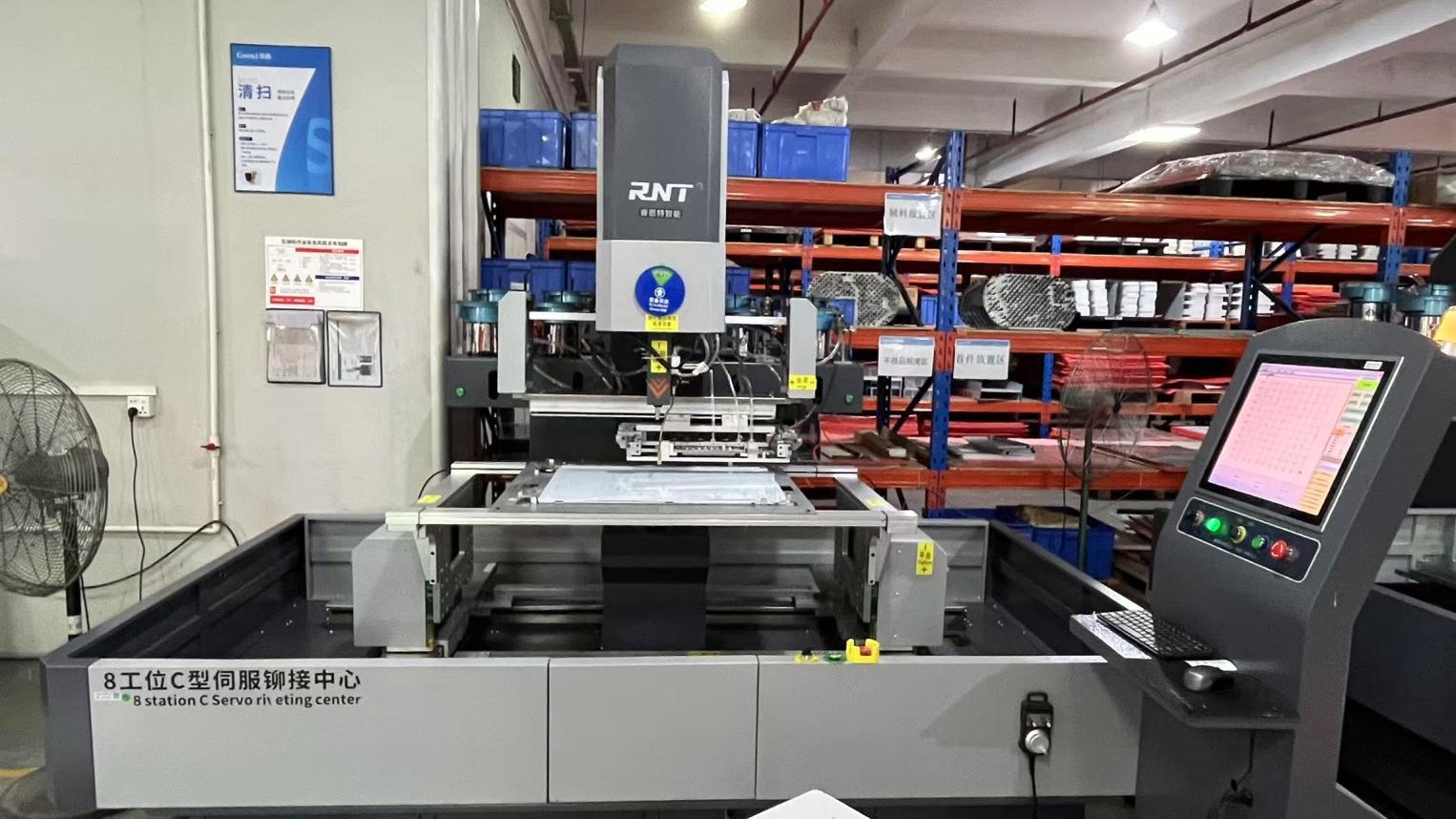
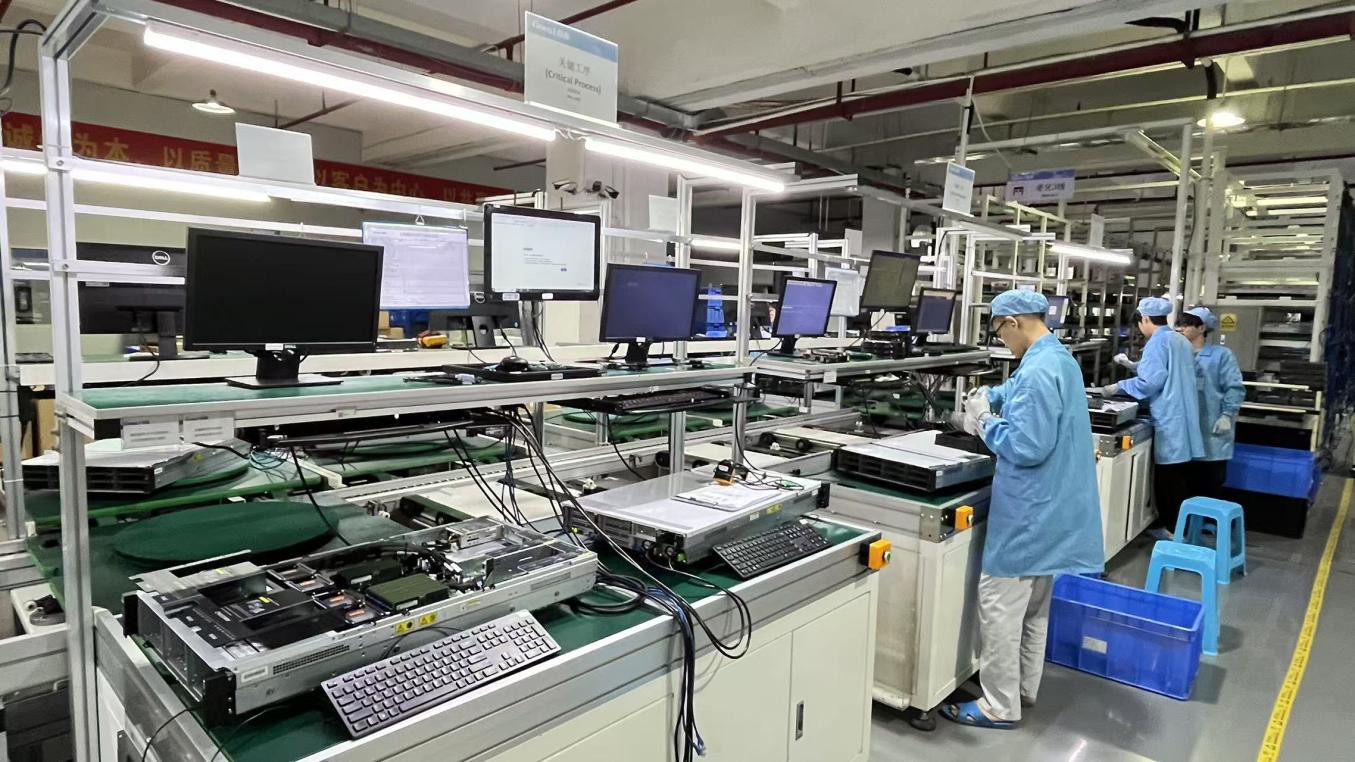
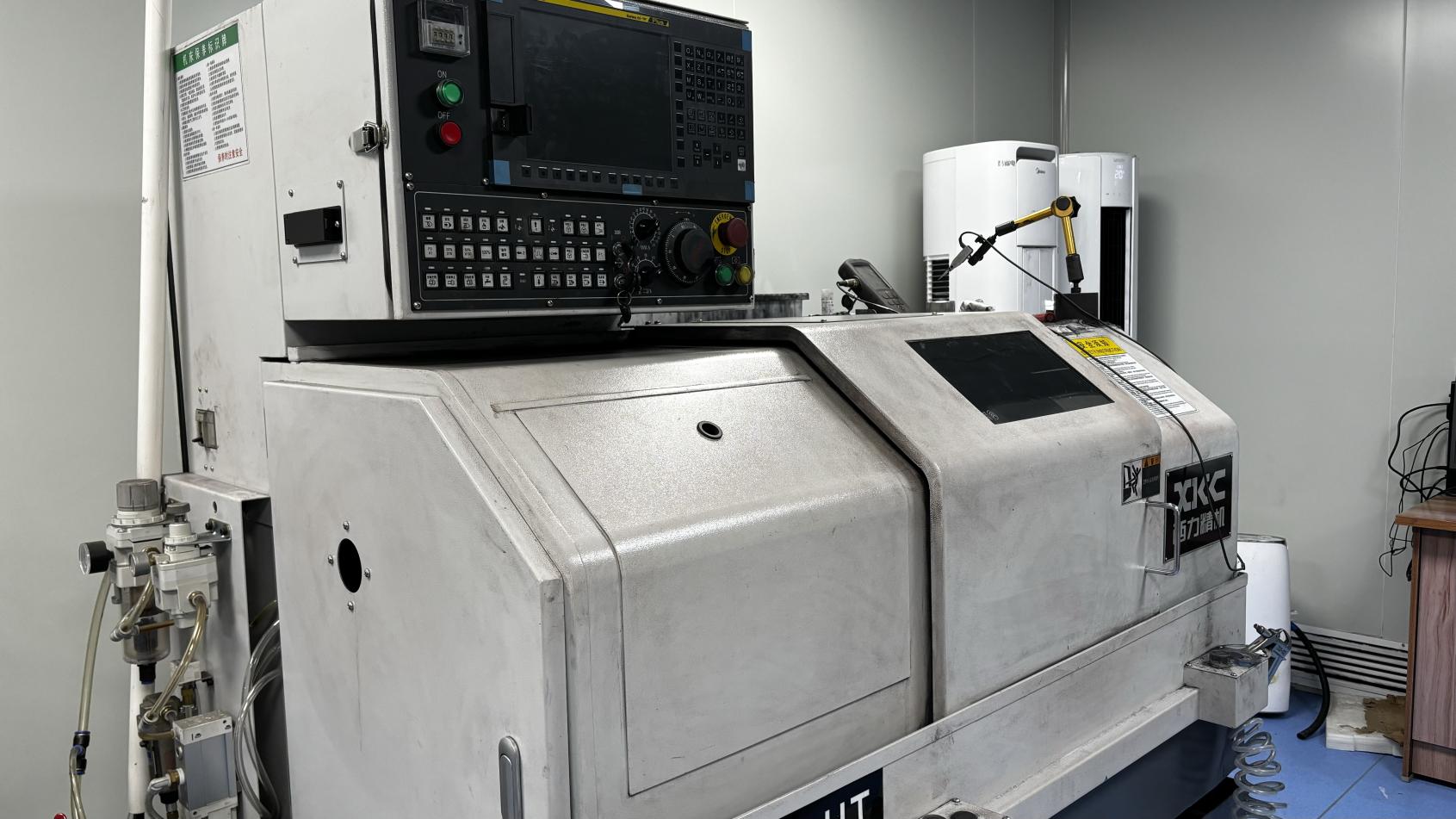
With an annual export revenue exceeding USD 12 million, Xelivor has developed robust relationships with over 850 supply chain partners. This enables us to maintain a constant inventory of essential raw materials, shielding our clients from global semiconductor shortages. For distributors and system integrators in remote or unique regions like Takamaka, this guarantees predictable lead times and steady pricing.
Additionally, our flexible production lines allow us to specialize in OEM and ODM configurations. From custom EEPROM firmware programming to custom labeling, custom packaging, and specialty pin assignments, we offer tailored solutions to meet the specific requirements of regional telecommunication networks.
Understand the physical, operational, and environmental parameters that guide system architectural decisions.
| Feature Parameter | 1x9 Optical Transceiver | SFP Transceiver (Small Form-factor Pluggable) | System Application Benefit |
|---|---|---|---|
| Mechanical Connection | Pin-Through-Hole Soldered Directly to PCB | Card-Edge Connector Slide-In / Retaining Latch | 1x9 provides maximum resistance to vibrations and shocks. |
| Climatic Resilience | Hermetic protection option, no exposed contact pads | Exposed metal contact pads subject to oxidation | 1x9 excels in humid and corrosive coastal markets. |
| Operational Lifecycle | 20+ Years System Continuity | 5 to 10 Years (Frequent Upgrades) | Reduces long-term maintenance costs in utility networks. |
| Diagnostic Capabilities | Analog Outputs / Rx Power / Signal Detect (SD) | Digital Diagnostics Monitoring (DDM / DOM) | 1x9 provides rapid analog hardware-level link detection. |
| Industrial Temperature | Standard -40°C to +85°C Operation | Usually 0°C to 70°C (Requires premium for Industrial) | Ensures stable performance under extreme thermal conditions. |
Implementing networking hardware in Takamaka requires an understanding of the region's unique geography. Our 1x9 transceivers are optimized for several critical local scenarios:
The field of optical communications is evolving, and 1x9 transceivers are adapting to meet new demands. Key industry trends include:
1. Wavelength Division Multiplexing (WDM / BiDi Integration): By transmitting and receiving on different wavelengths (such as 1310nm/1550nm or 1490nm/1550nm) over a single fiber, BiDi technology halves the fiber cabling infrastructure required. This is particularly valuable in rural and island markets like Takamaka, where installing new fiber cables is logistically challenging.
2. Transition to Higher Speeds: While historically limited to 155M or 1.25G, modern applications are driving demand for 1x9 pin layouts that support higher throughput speeds. We are continually researching new configurations to balance higher bandwidth with the physical benefits of the classic 1x9 design.
3. Enhanced Climate Resilience: Modern housing designs and upgraded epoxy coatings provide protection against moisture, dust, and corrosive salt-air environments.
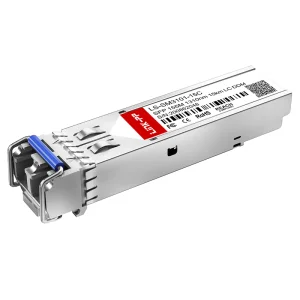
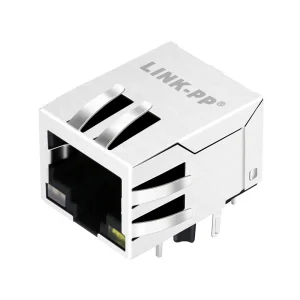
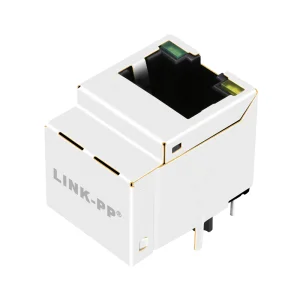
Explore our complete range of 1x9 transceivers, SFPs, and connectors designed for high-performance optical networks.
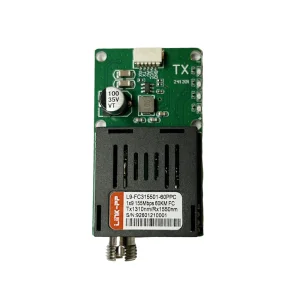
Answering key questions about compatibility, installation, and deployment of 1x9 transceivers in industrial networks.
Looking for a reliable manufacturer of 1x9 transceivers or custom optical connectivity solutions? Contact our engineering team for technical advice, volume pricing, and custom firmware configurations.