Xelivor
Xelivor
Xelivor
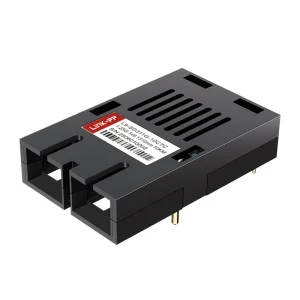
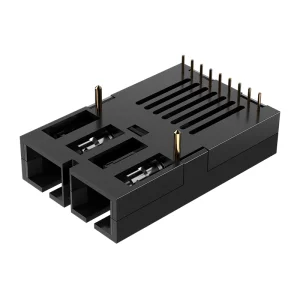
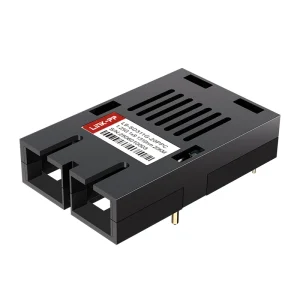
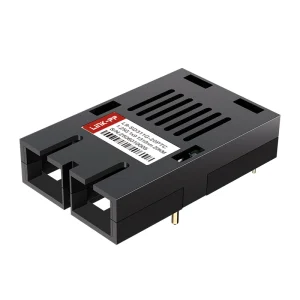
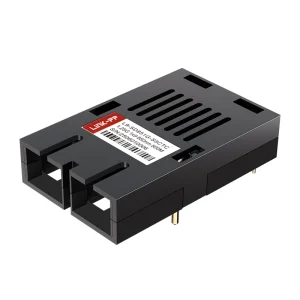
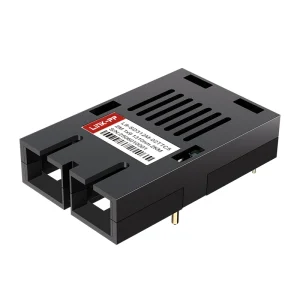
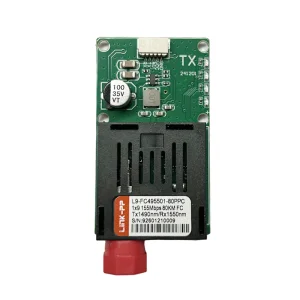
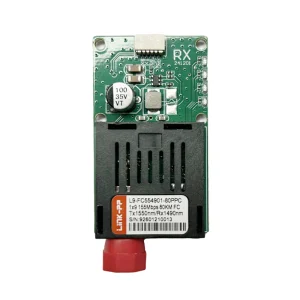
Germany stands as the industrial powerhouse of Europe, leading in sectors like automotive engineering, chemical processing, advanced manufacturing (Industry 4.0), and green energy transmission. Unlike typical enterprise IT data center infrastructure which transitions quickly to newer form-factors, German industrial networks require longevity, extreme physical ruggedness, and mechanical locking systems. This is why 1x9 optical transceivers remain a cornerstone of industrial communication networks across Germany.
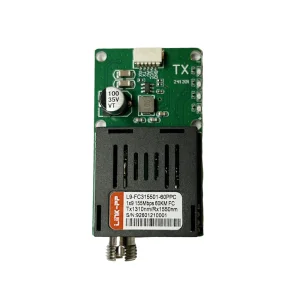
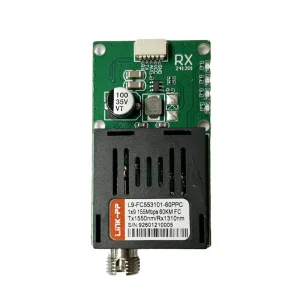
In railway control (Deutsche Bahn standards), electric substations (complying with IEC 61850), and harsh factory floors, the soldered pins of a 1x9 transceiver provide unparalleled structural security against high vibrations, shock, and electromagnetic interference (EMI). These legacy networks are engineered to run continuously for decades, highlighting the critical demand for a reliable, long-term supply of high-quality, backwards-compatible optical transceiver modules.
1. Railway Signaling (ETCS / DSTW): Safe data transmission between centralized interlocking stations and trackside equipment using PECL/TTL-driven 155M/1.25G BiDi modules.
2. Smart Energy & Substations: Long-distance optical links in German power grids, facilitating secure telemetry data transfer over single-mode fiber (SMF) without risk of high-voltage arc induction.
3. Heavy Automations: Siemens, Hirschmann, and Moxa-compatible DIN rail networks deployed in chemical and automotive production lines throughout Bavaria and Baden-Württemberg.
Entering the German market requires strict adherence to European regulations and local technical guidelines. Procurement departments in German companies prioritize quality, sustainability, and clear traceablity above all. Here is how Xelivor matches these requirements:
Every optical transceiver module shipped to Germany carries the CE Mark, certifying compliance with the European Union's Electromagnetic Compatibility (EMC) Directive 2014/30/EU and LVD 2014/35/EU. This ensures zero interference in densely populated industrial racks.
Protecting the environment is a core value in Germany. Our production facility ensures all solder points, housings, and internal laser diodes are completely lead-free and conform to the RoHS Directive (EU) 2015/863 and REACH chemical guidelines.
Our 1x9 transceivers strictly align with physical and electrical pinouts conforming to global multisource agreements (MSA), enabling seamless drop-in replacement in DIN-rail converters, switches, and routers from German manufacturers.
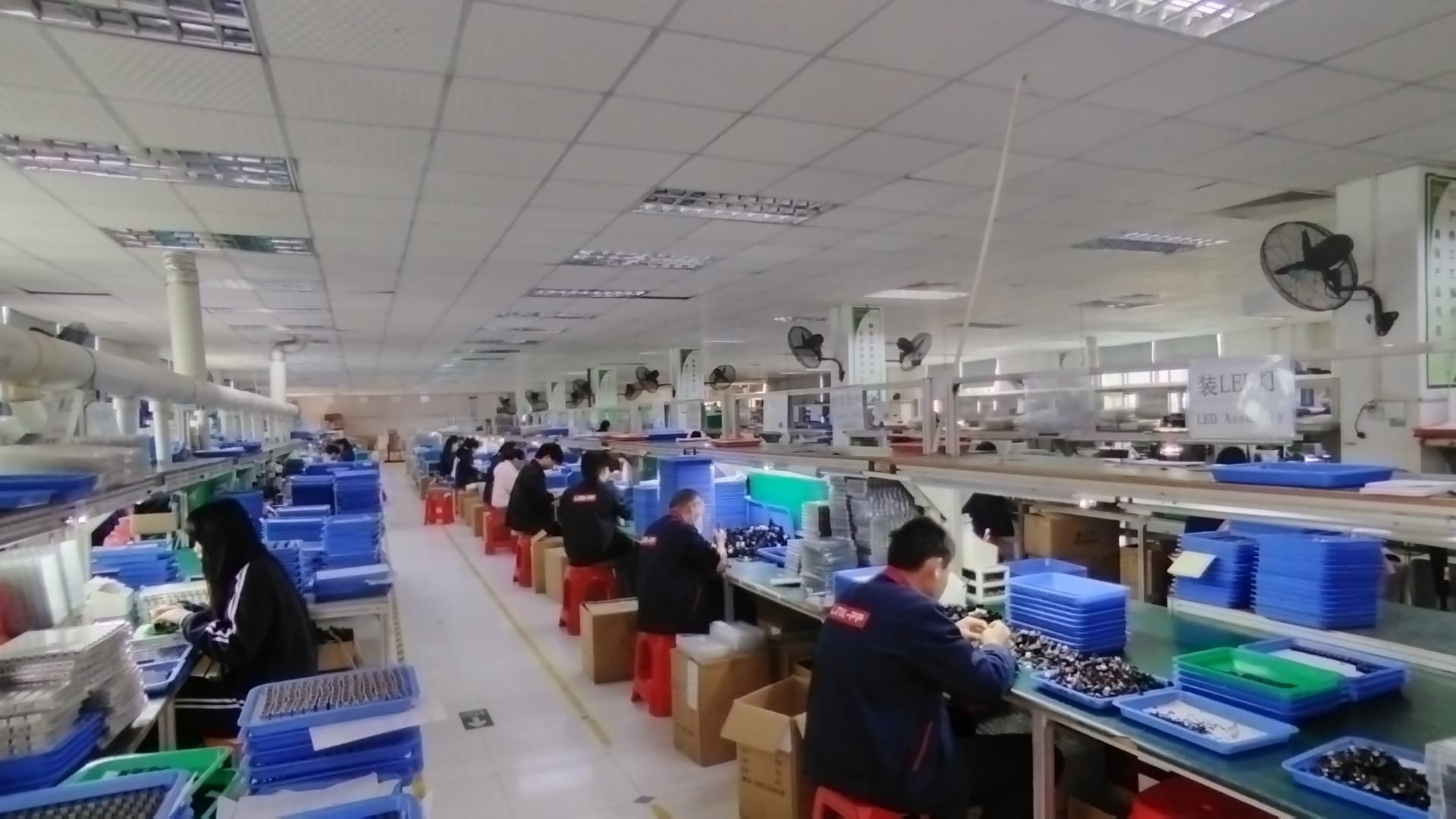
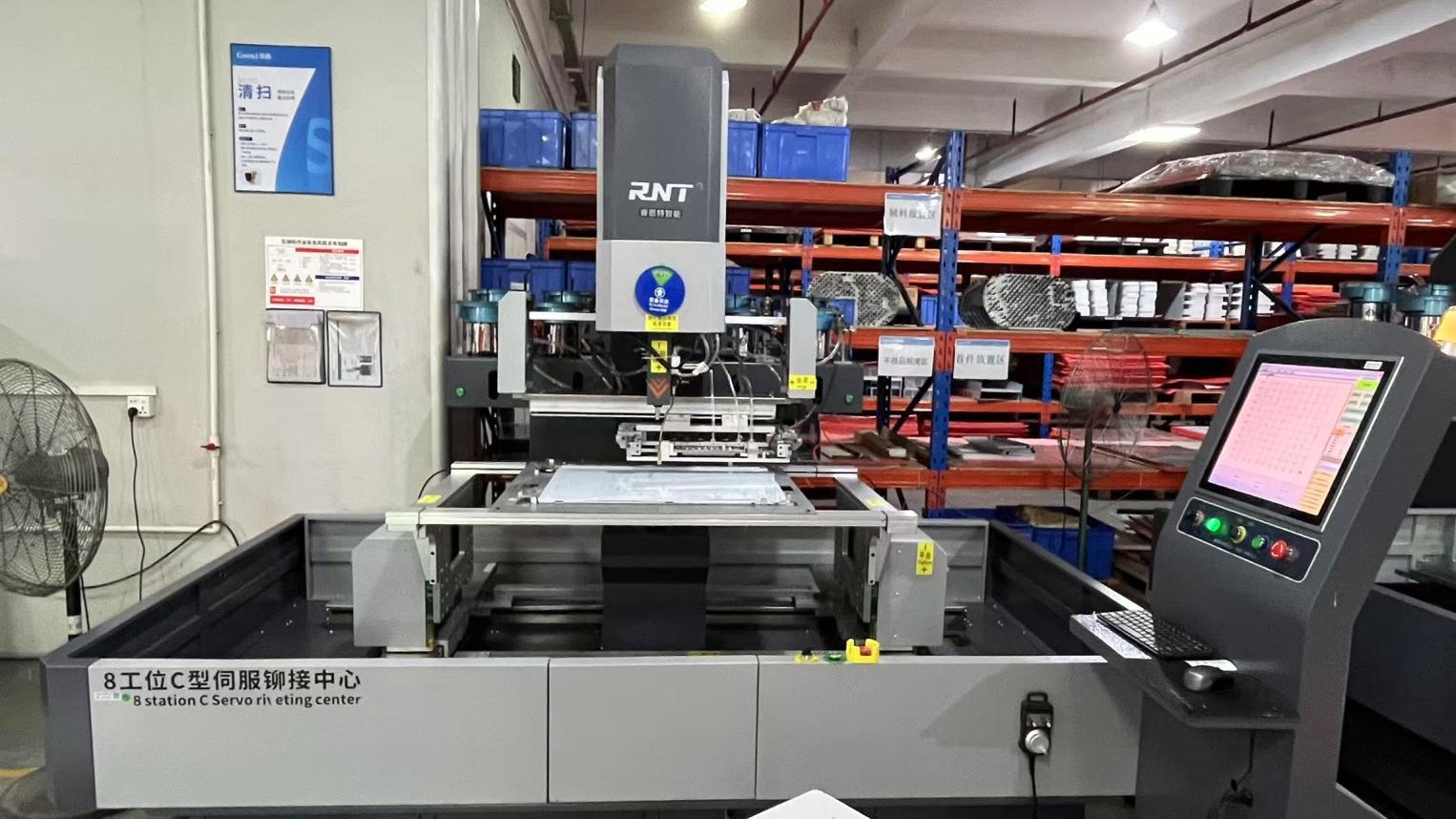
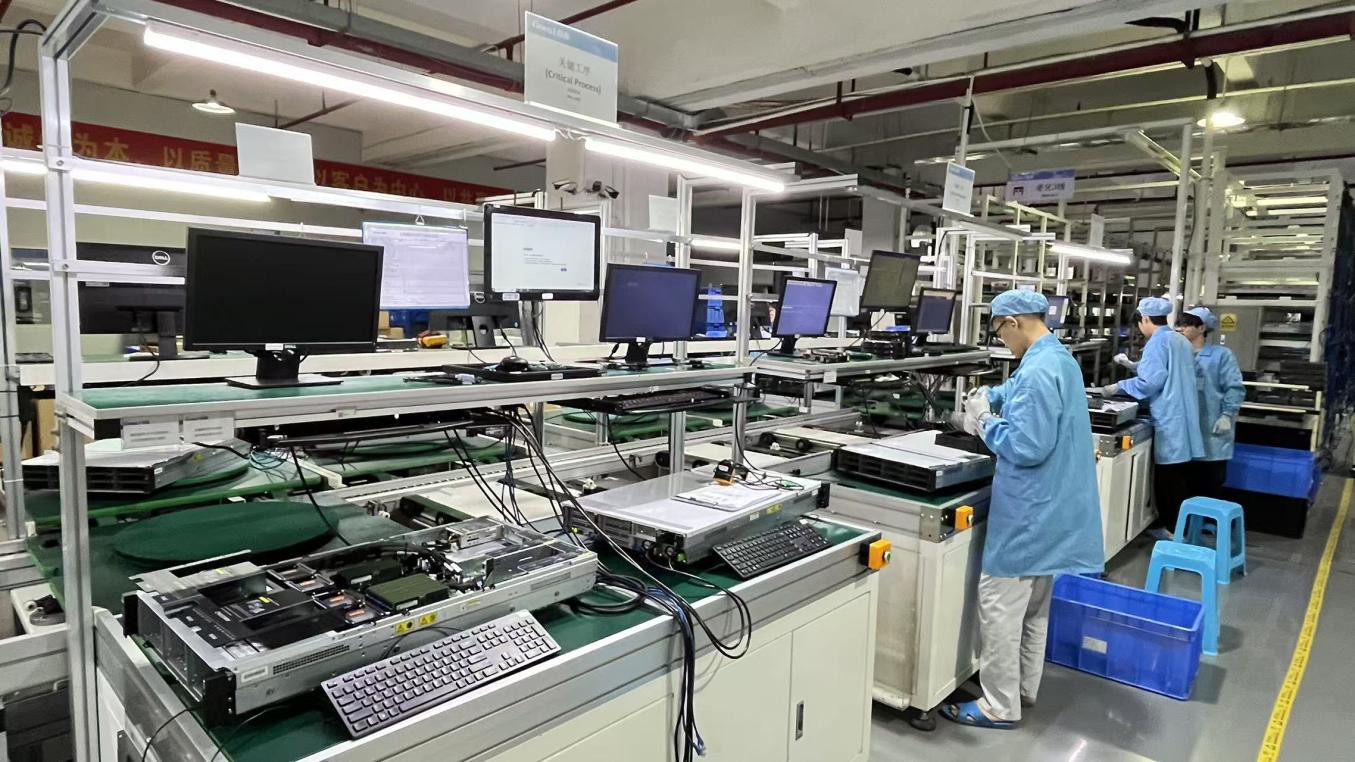
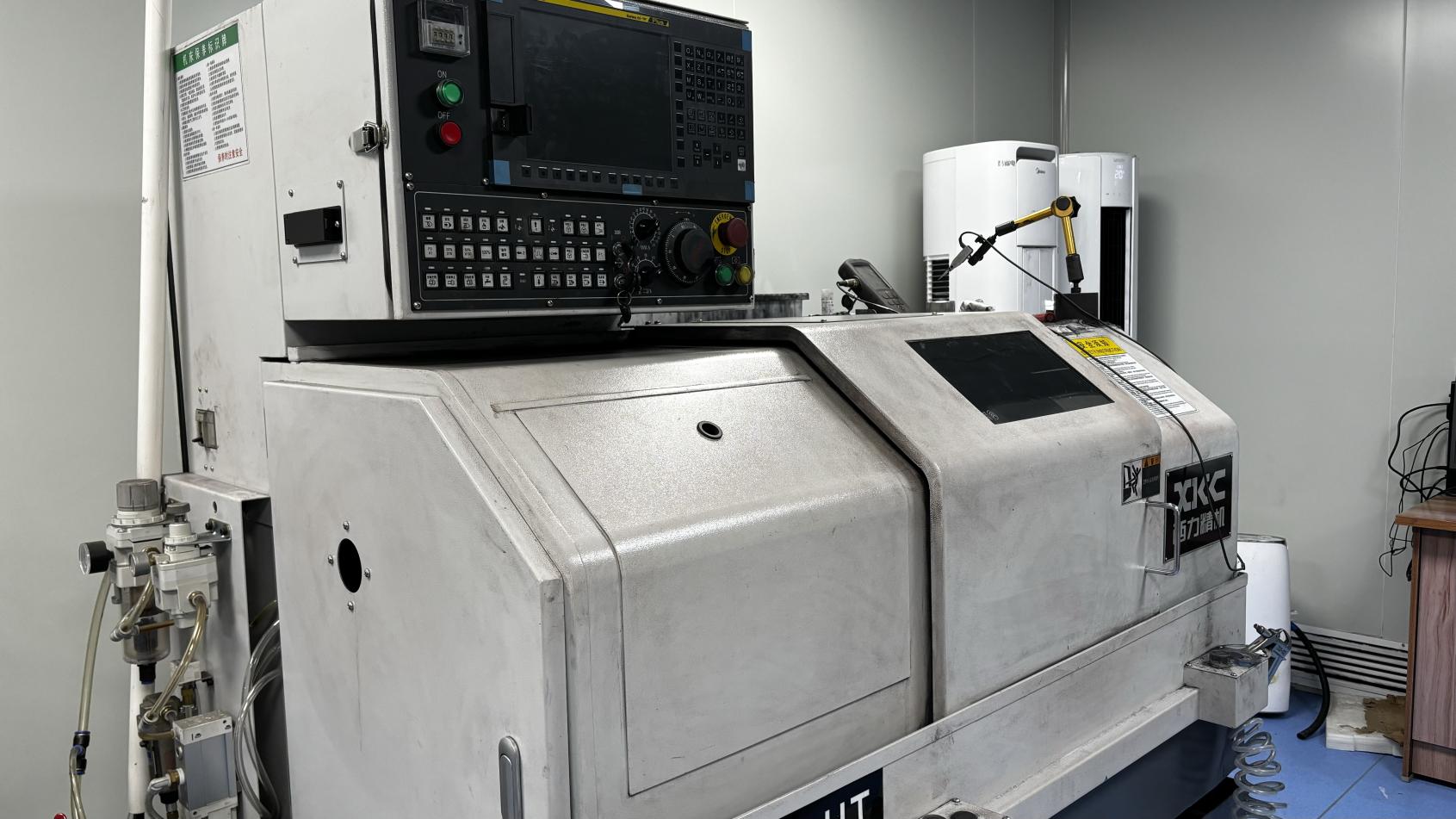
Established in 2016, Xelivor Optoelectronics Co., Ltd. is a dedicated manufacturer and global exporter of high-performance optical transceivers and fiber connectivity products. With a modern 386 m² production cleanroom and over 8 years of industry experience, we specialize in offering custom and standard optical modules designed to withstand rigorous industrial applications.
Our factory operates with high agility, bridging the gap between high-volume production capabilities and bespoke customization. Unlike generic distributors, we control the entire lifecycle of our products, from circuit design (PCB layout) and component sourcing (TO-can lasers, photodiodes) to extensive quality assurance testing, thermal cycling, and packaging.
For German distributors and system integrators, working directly with Xelivor translates to competitive direct-factory pricing, customized hardware adaptations (such as extended temperature ranges of -40°C to +85°C), and dedicated technical support straight from our engineering team.
Our 1x9 transceivers are integrated into critical communication grids throughout Germany. Here is how local projects deploy Xelivor solutions to secure their operations:
Regional electricity distributors in southern Germany use our BiDi 155M 1x9 modules to connect remote wind turbine fields with central substations. Utilizing bidirectional wavelength-division multiplexing (WDM) over 60km, they halve their fiber installation costs while avoiding ground-loop voltage differentials.
Germany's railway interlocking interfaces rely on older, highly tested, and deterministically predictable networks. Our TTL-signaling, long-range Single-Mode 1x9 transceivers are integrated directly into trackside transponder controllers, operating flawlessly in ambient temperatures ranging from -45°C to +85°C.
For factory machinery in Stuttgart and Wolfsburg, high electromagnetic interference from heavy weld robots can corrupt copper cables. The transition to noise-insensitive fiber lines using 1.25G Multimode 1x9 transceivers with mechanical duplex SC locking guarantees zero downtime and stable production flows.
Providing technical clarity on sourcing, deploying, and maintaining 1x9 transceivers in compliance with German regulations.
While SFPs are hot-swappable and convenient for data centers, 1x9 optical modules are physically soldered directly to the network host board. This mechanical soldering provides superior physical stability in high-vibration and heavy-shock environments (e.g., rolling railway cars, heavy press plants, and wind power turbines). Additionally, many legacy industrial platforms are designed to operate for 20 to 30 years; swapping to SFP requires an expensive host board redesign, making direct 1x9 replacements the most cost-effective path.
Yes. Our transceivers conform strictly to the industry standard 1x9 Multi-Source Agreement (MSA) mechanical and electrical specifications. We test each manufacturing batch extensively inside our specialized hardware emulation lab against original switches and media converters from Siemens (SCALANCE series), Hirschmann, and Phoenix Contact to guarantee immediate drop-in compatibility without packet loss.
We strictly monitor our material supply chain. All raw materials (including housing, optical sub-assemblies, and PCBs) undergo incoming quality control checks with X-ray fluorescence (XRF) testing to verify lead-free composition. Our shipments to the EU carry the required CE labeling, and we support German buyers with the necessary REACH compliance declarations and data sheets to satisfy local environmental audits.
We supply 1x9 transceivers with either +3.3V or +5.0V power supplies and support PECL (Pseudo Emitter Coupled Logic) or TTL (Transistor-Transistor Logic) data and signal detection interfaces. If your legacy equipment has specific voltage configurations, our R&D engineering team can customize the PCB assembly and transceiver firmware to match your exact hardware requirements.
Standard products are typically dispatched from our factory within 7 to 10 working days. For bulk orders or custom OEM requirements, lead times vary from 2 to 3 weeks. We offer multiple shipping channels (air freight via DHL/FedEx arriving at Frankfurt Hub in 3-5 days, or sea freight for larger consolidations). We provide full packing lists, commercial invoices, HS codes, and certificates of origin to ensure swift customs clearance at German ports.