Xelivor Xelivor

1xN (Ganged Ports) SFP Cages & Interconnects: High-Density Solutions for the Seattle Hyperscale & Edge Ecosystem

Providing OEM/ODM Ganged SFP/SFP+ Cage Systems Designed to Empower the Pacific Northwest's Next-Generation Cloud Networks with Advanced EMI Shielding and Extreme Thermal Efficiency.

Request High-Density Architecture Proposal
85+

New Products Launched Annually

68

Dedicated R&D Engineers

$12M+

Annual Export Revenue

850+

Global Supply Chain Partners

Seattle’s Telecom & Data Center Boom: The Architectural Call for 1xN Ganged Port Solutions

An analysis of metropolitan high-density infrastructure challenges, physical-layer constraints, and optimized interconnect deployments.

The Seattle metropolitan area, spanning from the downtown tech corridor (including carrier hotels like the Westin Building Exchange) to the industrial data center clusters of Tukwila, Kent, and the greater Pacific Northwest, represents one of the most concentrated zones of cloud computing, edge networks, and enterprise enterprise infrastructure in the world. As hyperscale cloud providers, aerospace avionics developers, and global logistics hubs expand their processing architectures, they face a critical constraint: maximizing spatial throughput while managing thermal output and EMI footprints.

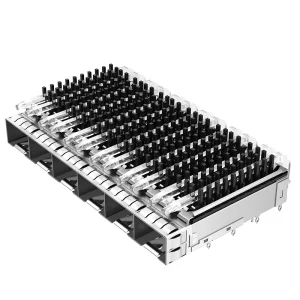
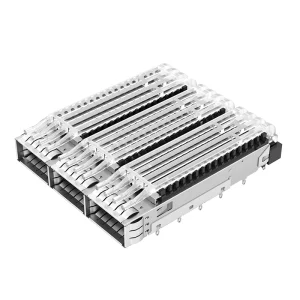
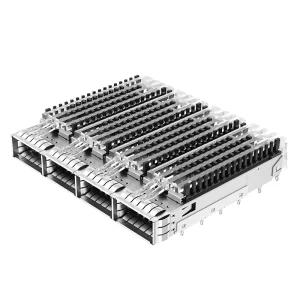
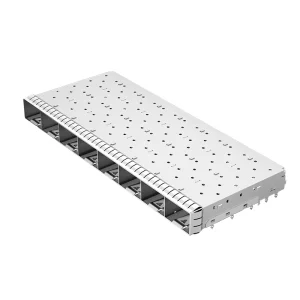
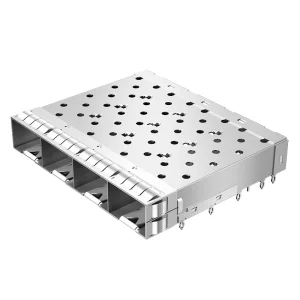
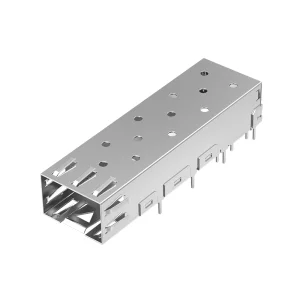
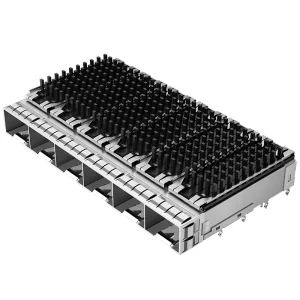
Within these dense computational racks, 1xN (Ganged Ports) SFP/SFP+ cage assemblies act as the indispensable physical-layer interface. Ganged ports (where multiple horizontal ports are configured in a single, rigid metallic housing, such as 1x2, 1x4, 1x6, or 1x8 systems) allow hardware designers to double or quadruple port density along the PCB edge compared to isolated single-port cages. This consolidation reduces trace lengths, minimizes board real estate, and optimizes airflow channels inside 1U and 2U rackmount switch systems.
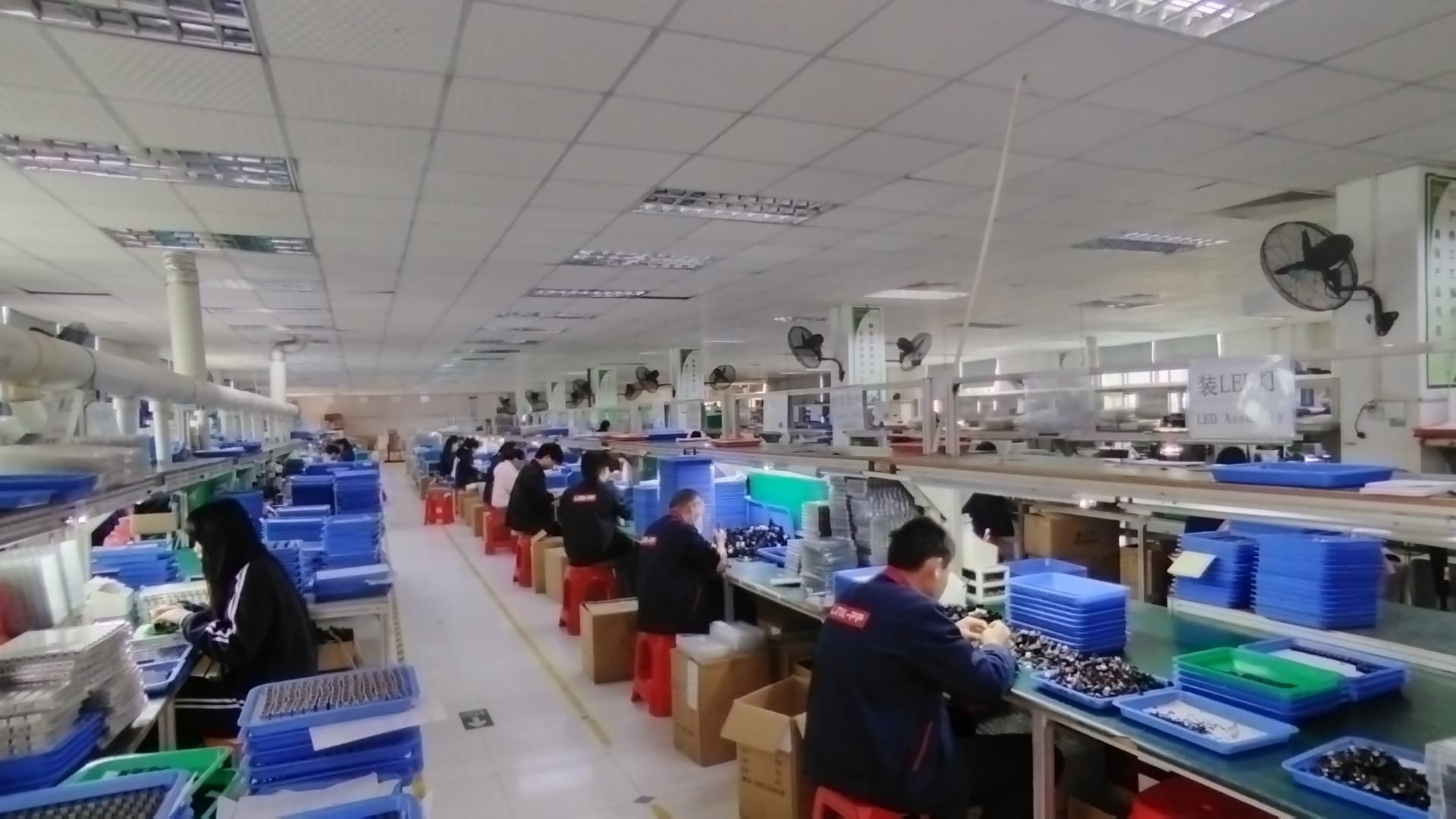
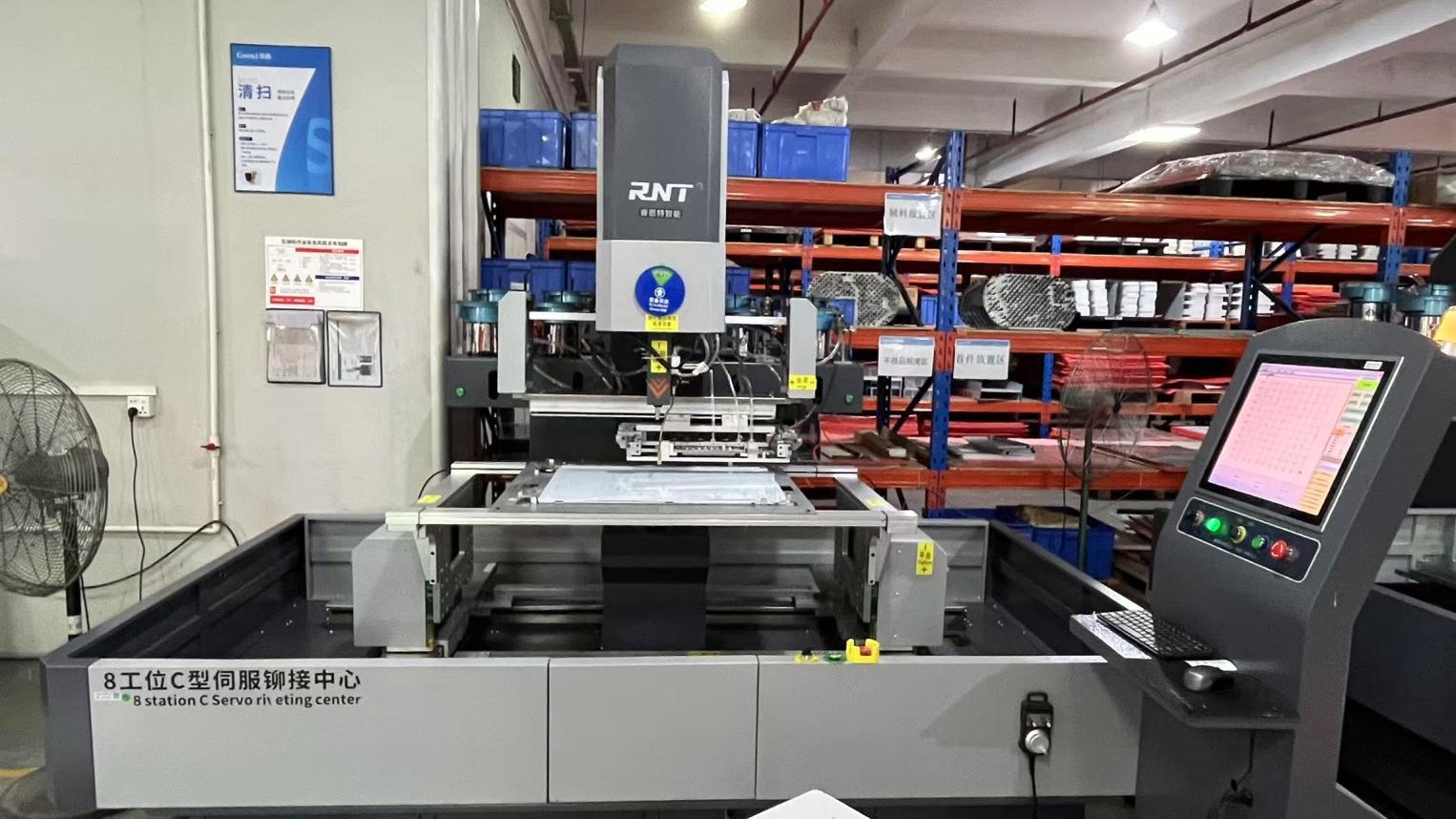
Optoelectronic Production Line Testing Facility

Technical Engineering: EMI Shielding, Press-Fit Integrity & Thermal Control

Deploying ganged SFP assemblies in high-speed protocols (such as 10G SFP+, 25G SFP28, and even scaling up to multi-channel QSFP designs) requires solving complex physical challenges:

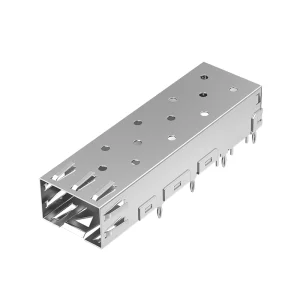
  • Electromagnetic Interference (EMI) Mitigation: High-speed transceivers generate significant electromagnetic noise. High-quality 1xN cages integrate multi-point EMI spring fingers or conductive elastomeric gaskets that compress against the bezel panel cutout. This forms a contiguous Faraday cage, sealing any RF leakage apertures and ensuring compliance with FCC and CE electromagnetic emission standards.
  • Press-Fit (Compliant Pin) vs. Through-Hole Solder (THT): For modern multi-layer PCBs, press-fit compliant pin terminations are highly preferred. They eliminate thermal stress on the board during assembly, simplify field replacement, and maintain signal integrity by avoiding solder stubs. Crucially, the "eye-of-the-needle" pin design guarantees reliable mechanical retention and gas-tight electrical contact under mechanical stress.
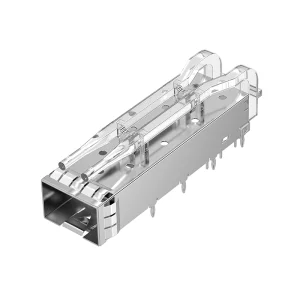
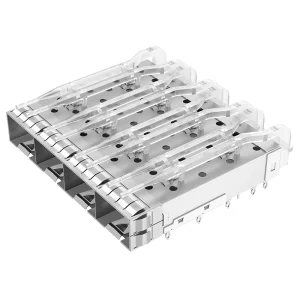
  • Integrated Light Pipes: Real-time status monitoring is crucial for network diagnostics. By integrating optical-grade polycarbonate light pipes over the cage housings, engineers route LED light from the PCB to the outer bezel interface without losing luminosity or causing optical crosstalk between adjacent channels.
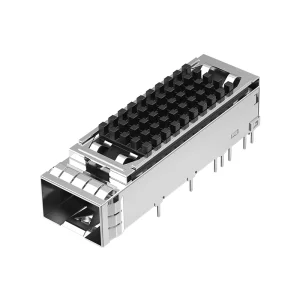
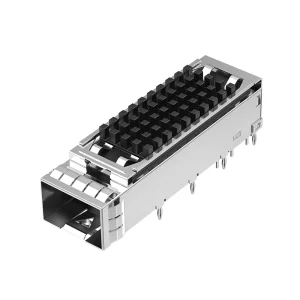
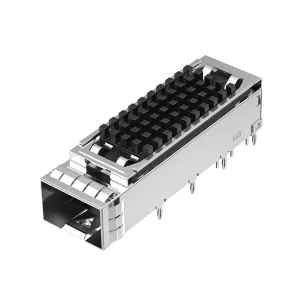
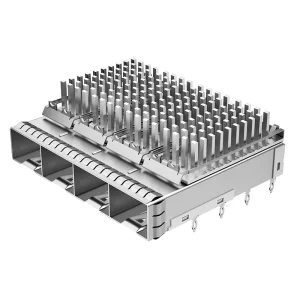
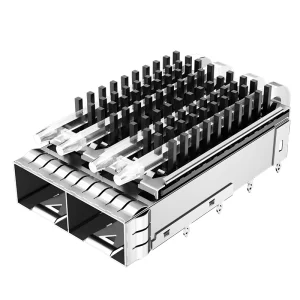
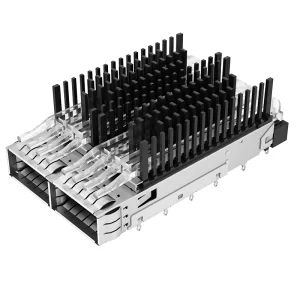
  • Thermal Management Add-ons: Operating high-power optical modules (such as Class 3 and 4 long-reach transceivers) creates localized hot spots. Custom-designed clip-on heatsinks (with pin-fin or blade geometries optimized for structural airflow velocities) maximize heat transfer coefficients, keeping transceivers within their operational temperature limits (usually 0°C to 70°C for commercial and -40°C to 85°C for industrial grades).

Global Procurement Trends: Diversification and OEM/ODM Adaptability

Hardware procurement divisions at global tech giants are actively shifting away from single-source dependencies. Historically, components like cage connectors were sourced from a small group of multinational providers. Today, system integrators demand reliable, second-source alternatives that match or exceed the mechanical and electrical specifications of industry standards (such as TE Connectivity and Amphenol) but offer shorter lead times and direct engineering support.

Sourcing teams are focusing on suppliers who can provide direct structural variations—whether modifying a heatsink's profile to clear low-profile chassis covers or adjusting press-fit pin lengths for thin PCBs. Having a reliable supplier with strong independent manufacturing capabilities is a strategic advantage for developers launching products in competitive markets like Seattle.

China Industry 4.0: Xelivor’s Supply Chain & Advanced Production Facility

Xelivor Optoelectronics Co., Ltd., established in 2016, represents the modern paradigm of agile, high-precision electronic component manufacturing. Operating out of a highly automated, advanced production facility spanning 386 m², Xelivor has designed and manufactured premium optoelectronic and interconnect components for over eight years. Our manufacturing processes utilize automated stamp presses, high-speed injection molding, and coordinate measuring machines (CMM) to ensure dimensional accuracy down to the micrometer.

Xelivor's operational philosophy centers on absolute vertical integration and supply chain resilience:
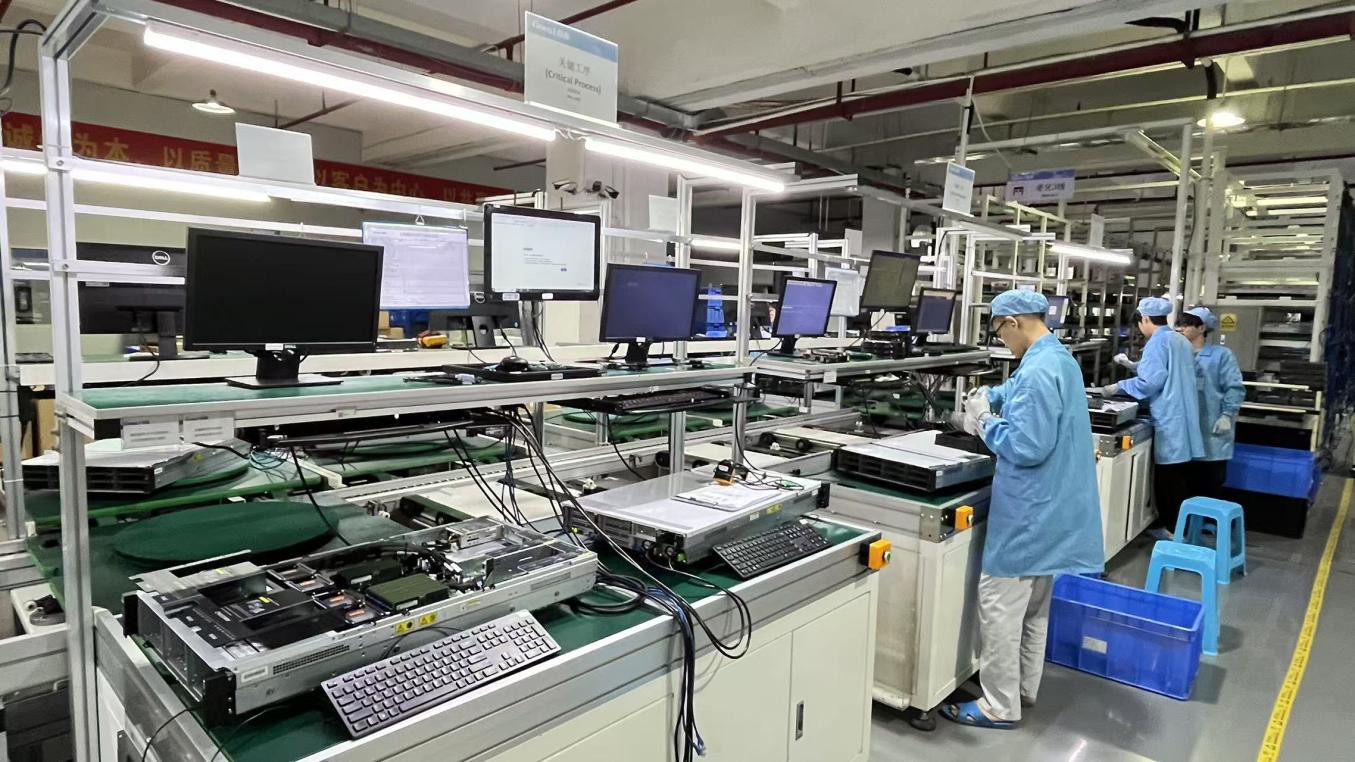
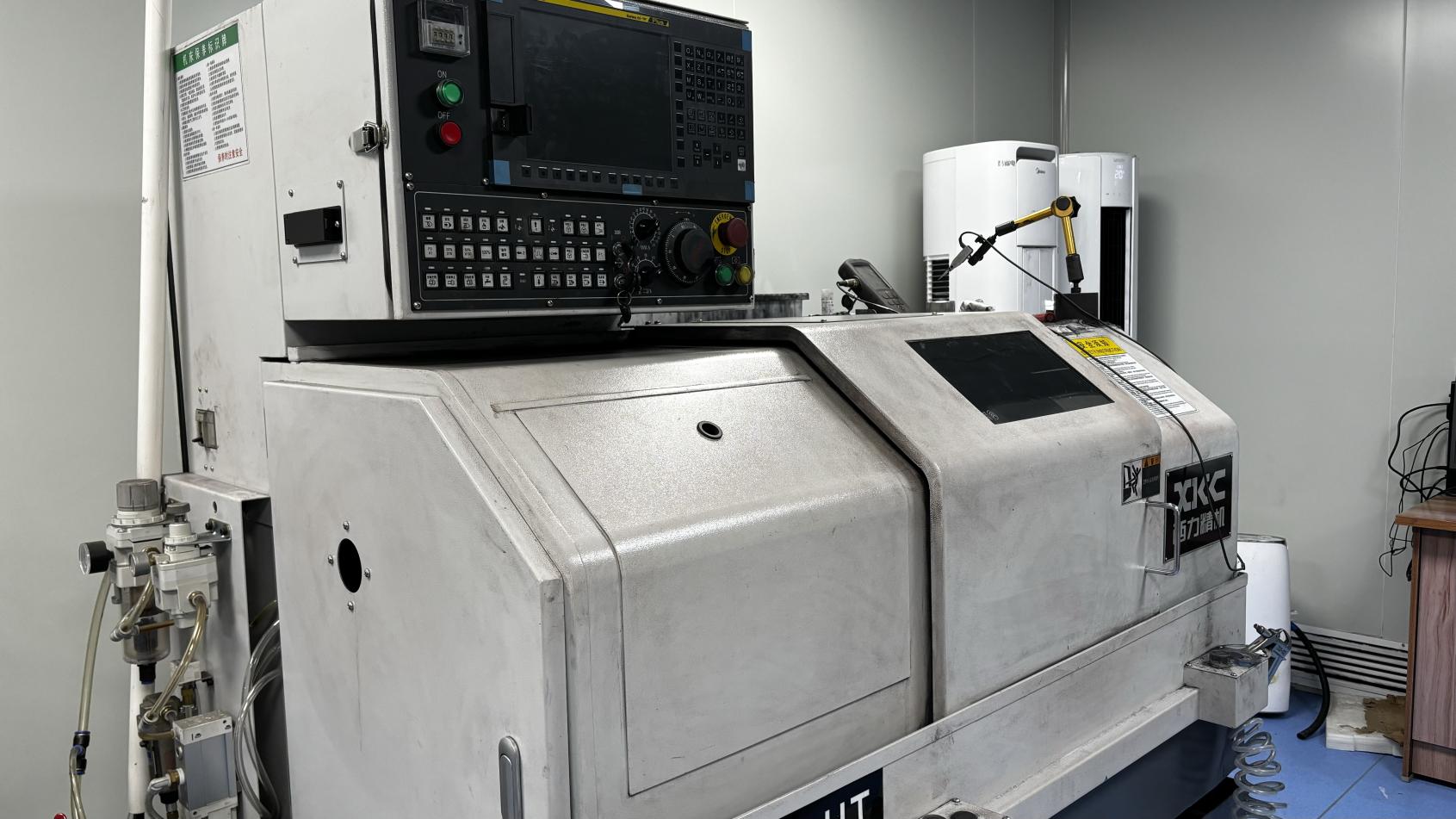
  • R&D Integration: Supported by a dedicated design team of 68 engineers, Xelivor launched more than 85 new products in the past year alone. This capability allows us to reverse-engineer complex multi-port configurations and develop custom variations (e.g., custom light pipe positions, tailored heat sink clip layouts, and high-frequency SFP28/SFP56 solutions) in weeks rather than months.
  • Rigorous QA Controls: Backed by 32 quality assurance inspectors, our testing regime includes incoming material analysis, inline automated optical inspection (AOI), insertion/extraction cycle wear testing, salt spray corrosion testing, and high-frequency vector network analyzer (VNA) signal verification.
  • Supply Chain Diversity: Maintaining long-term collaborative agreements with over 850 verified supply chain partners globally guarantees access to raw metals (such as phosphor bronze and stainless steel) and polymer compounds (like LCP) even during supply disruptions.
  • Strategic Export Reach: With over 6 years of international logistics experience, Xelivor manages duty clearance and rapid transport links directly to Seattle-Tacoma International Airport (SEA) and the Port of Seattle. This ensures consistent lead times for North American system integrators.
Precision Assembly Line Packaging and Quality Control

Full Catalog of Compatible 1xN Ganged Port Cages

Explore our full line of direct-replacement, high-performance SFP, SFP+, and high-speed cage connectors. Select a model to request technical sheets, 3D CAD files, and bulk pricing.
Frequently Asked Questions: 1xN Ganged Port Architecture

Technical details, compliance questions, and design considerations answered by Xelivor's engineering leads.

1. What are the key benefits of using 1xN (Ganged) cages over multiple 1x1 individual SFP cages?
1xN configurations optimize physical PCB space by reducing the gap between adjacent ports, allowing more connections along a standard chassis bezel. Ganged cages also feature a unified metal outer frame, providing superior structural rigidity and a simplified path to ground for improved EMI shielding compared to multiple isolated cages.
2. Are Xelivor’s SFP cages drop-in replacements for TE Connectivity or Amphenol parts?
Yes, Xelivor components are engineered to match industry-standard footprints, compliant pin patterns, panel cutouts, and mechanical heights. These products are drop-in equivalents, allowing engineering teams to source them as secondary alternatives without requiring redesigns of the PCB layout.
3. How does press-fit technology differ from through-hole soldering (THT) for 1xN cages?
Press-fit (compliant pin) designs rely on mechanical insertion force to create a gas-tight interface between the pin and the plated through-hole. This method avoids the heat cycles of wave soldering, protecting multi-layer board structures. THT soldering, however, provides high mechanical retention strength, making it ideal for systems exposed to high vibration or physical stress.
4. What heat sink geometries are available, and how do they impact thermal performance?
We offer three main heat sink designs: pin fin (for omnidirectional airflow), straight fin (for linear front-to-back chassis airflow), and custom low-profile heat sinks (for 1U and blade server applications). The choice depends on the airflow rate of your system and the thermal dissipation requirements of the optical transceivers used.
5. How does Xelivor manage EMI shielding in high-frequency applications like 25Gbps SFP28?
Our high-frequency cages feature outer metallic shielding with integrated EMI spring fingers. These fingers maintain continuous contact with the card cage opening in the chassis bezel. We also use high-conductivity elastomeric gaskets for applications requiring tighter shielding to eliminate high-frequency radiation leaks at 25GHz and above.
6. Can Xelivor customize the height and configuration of light pipes?
Yes, our R&D engineering team can customize the position, length, and indicator count of integrated light pipes. We can configure light pipe assemblies to route light above, below, or to the side of the port openings, matching the placement of LEDs on your PCB.
7. What certifications and environmental standards do Xelivor SFP cages meet?
All Xelivor SFP cage assemblies are manufactured under ISO 9001:2015 and ISO 14001:2015 quality management systems. Our raw materials and plating processes comply with RoHS (Restriction of Hazardous Substances) and REACH directives. This compliance ensures seamless integration into projects shipped to North American and European markets.
8. What are the typical lead times for custom ganged SFP cage components?
Standard product lead times typically range from 2 to 3 weeks. For custom OEM/ODM designs (such as customized heatsinks or modified pin layouts), the process includes 3D CAD modeling within 5 working days, rapid prototyping within 2 weeks, and mass production tooling within 4 to 5 weeks.

Partner with Xelivor for Your Interconnect Infrastructure

Get in touch with our engineering support and sourcing experts today. Request physical evaluation samples or request customized quote structures.
Send Inquiry Now