Xelivor
Xelivor
Xelivor
Pre-engineered SFP cages for high-performance deployment in local regional central offices and oil & gas telemetry hubs.
Analyzing the digital transition, environmental challenges, and micro-connectivity needs of the Southern Caribbean's industrial hub.
Trinidad and Tobago (T&T) stands as the financial powerhouse and the most industrialized nation in the Caribbean region. Driven by major economic zones such as the Point Lisas Industrial Estate, Port of Spain’s thriving banking sector, and Tobago's expanding tourism-related connectivity, the demand for localized high-density networking infrastructure has grown exponentially. As telecom operators (including bmobile/TSTT and Digicel) continue to upgrade their central office systems and fiber footprint, there is an urgent need to transition from legacy network standards to robust, high-bandwidth 10G/25G architectures.
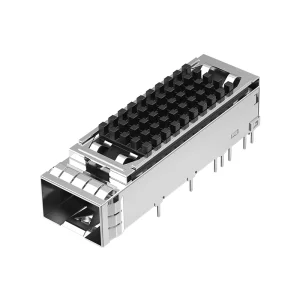
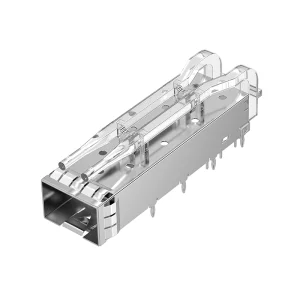
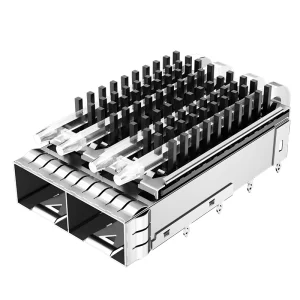
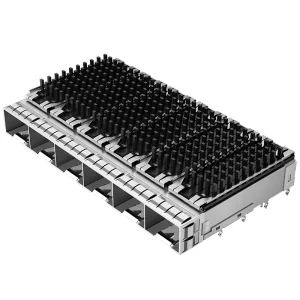
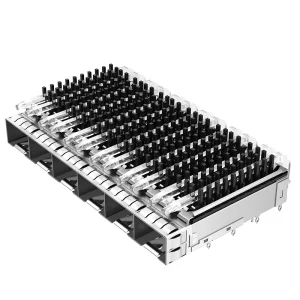
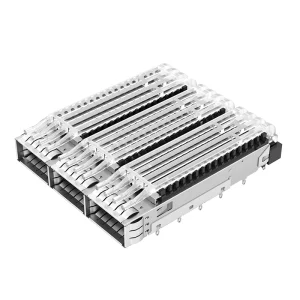
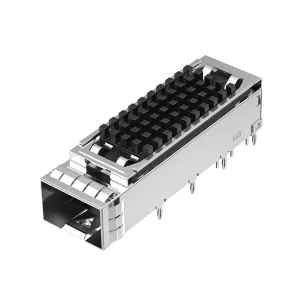
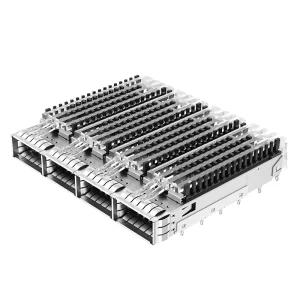
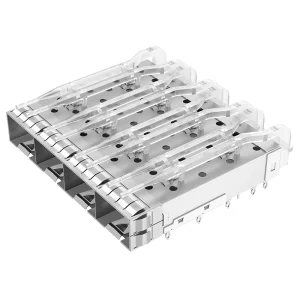
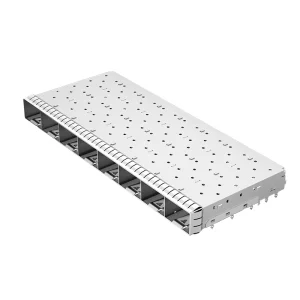
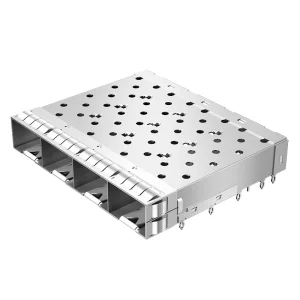
1xN (Ganged) SFP and SFP+ cages are vital components in this physical-layer transition. These connectors enable system engineers to cluster multiple optoelectronic modules on a single PCB, maximizing the utilization of rack space in space-constrained Caribbean data center environments. With the launch of Trinidad's National ICT Plan (ICT Blueprint), regional deployment of FTTH (Fiber-to-the-Home) networks and edge computing clusters demand components that guarantee zero downtime and maximum reliability under extreme tropical weather.
The climate of Trinidad and Tobago poses severe threats to electronic components. High relative humidity (often exceeding 85% year-round) paired with salty air from coastal offshore operations demands specialized mechanical engineering. Unshielded or poorly plated SFP cages rapidly undergo galvanic corrosion, resulting in signal degradation, high return loss, and physical lockups of expensive transceivers.
To combat these local environmental factors, Xelivor's 1xN SFP cages utilize high-grade copper alloys with nickel underplating and options for tin-lead or lead-free reflow-compatible finishes. Standardized integrated EMI gaskets and copper alloy springs minimize electromagnetic interference, which is crucial for oil and gas telemetry control systems operating next to heavy industrial machinery and variable-frequency drives (VFDs).
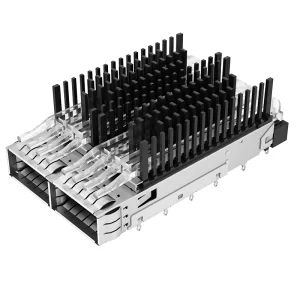
Engineers designing networking switches and telecom media converters must choose between Ganged (1xN) and Stacked (2xN) configurations. Ganged configuration mounts the ports horizontally along a single row on the host printed circuit board (PCB). This topology offers distinct thermal and structural advantages:
Your Trusted Global OEM/ODM Partner for Advanced Optical Connectivity
Established in 2016, Xelivor Optoelectronics Co., Ltd. is a leading manufacturer of optical transceivers and high-density fiber connectivity solutions. Serving global telecom operators, enterprise networks, data centers, and cloud computing integrators, we operate a state-of-the-art facility designed to deliver exceptional quality.
With 8+ years of industry experience and 6 years of direct export operations, Xelivor achieves annual export revenues exceeding USD 12 million. Our catalog includes SFP, SFP+, SFP28, QSFP28, QSFP-DD, OSFP, DAC, and AOC solutions. Backed by our R&D team of 68 engineers, we focus on material innovation, EMI shielding, and high-frequency design optimization. In the past year alone, we released over 85 new products to meet the evolving demands of hyperscale cloud deployments and heavy-duty industrial systems.
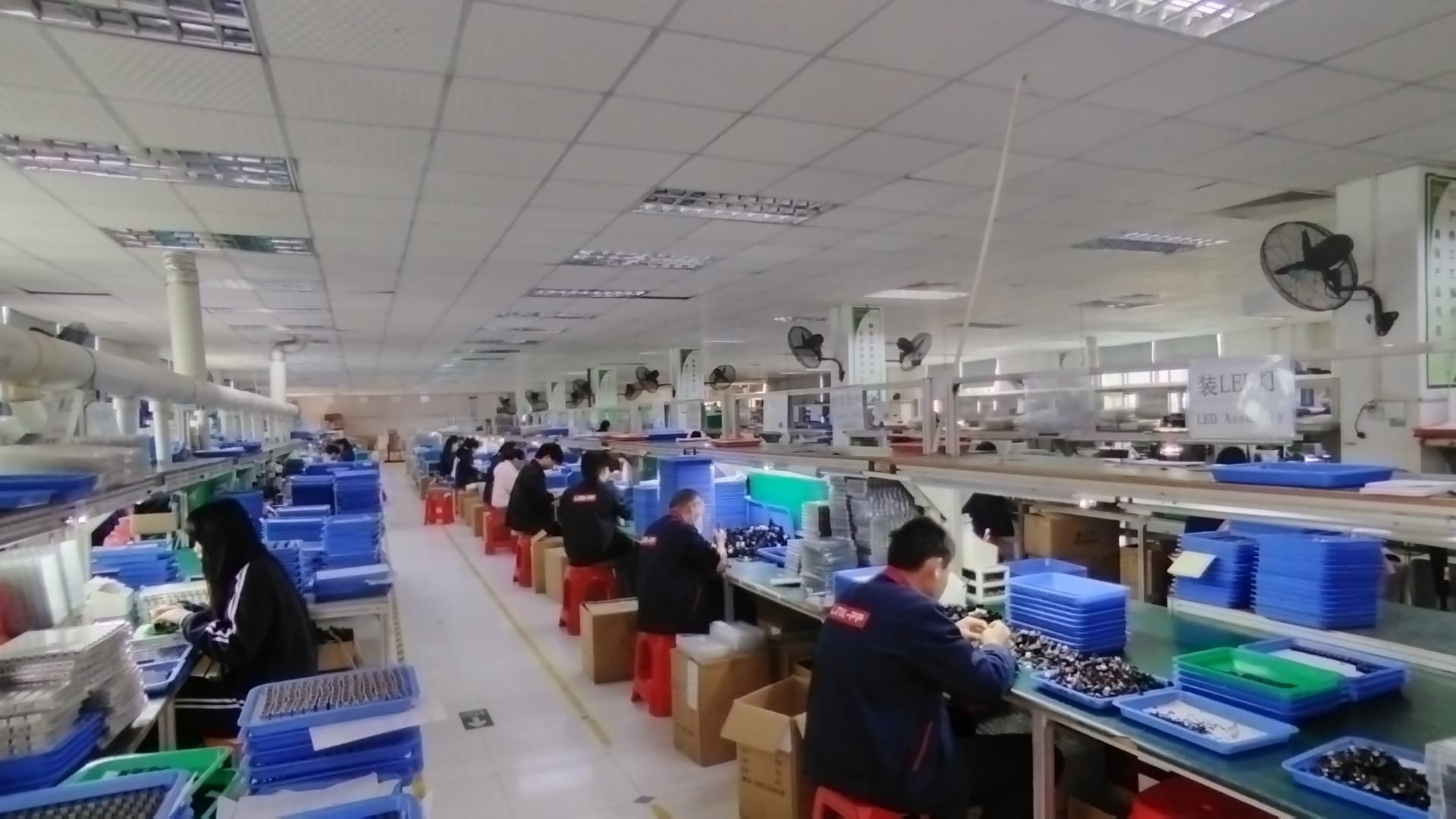

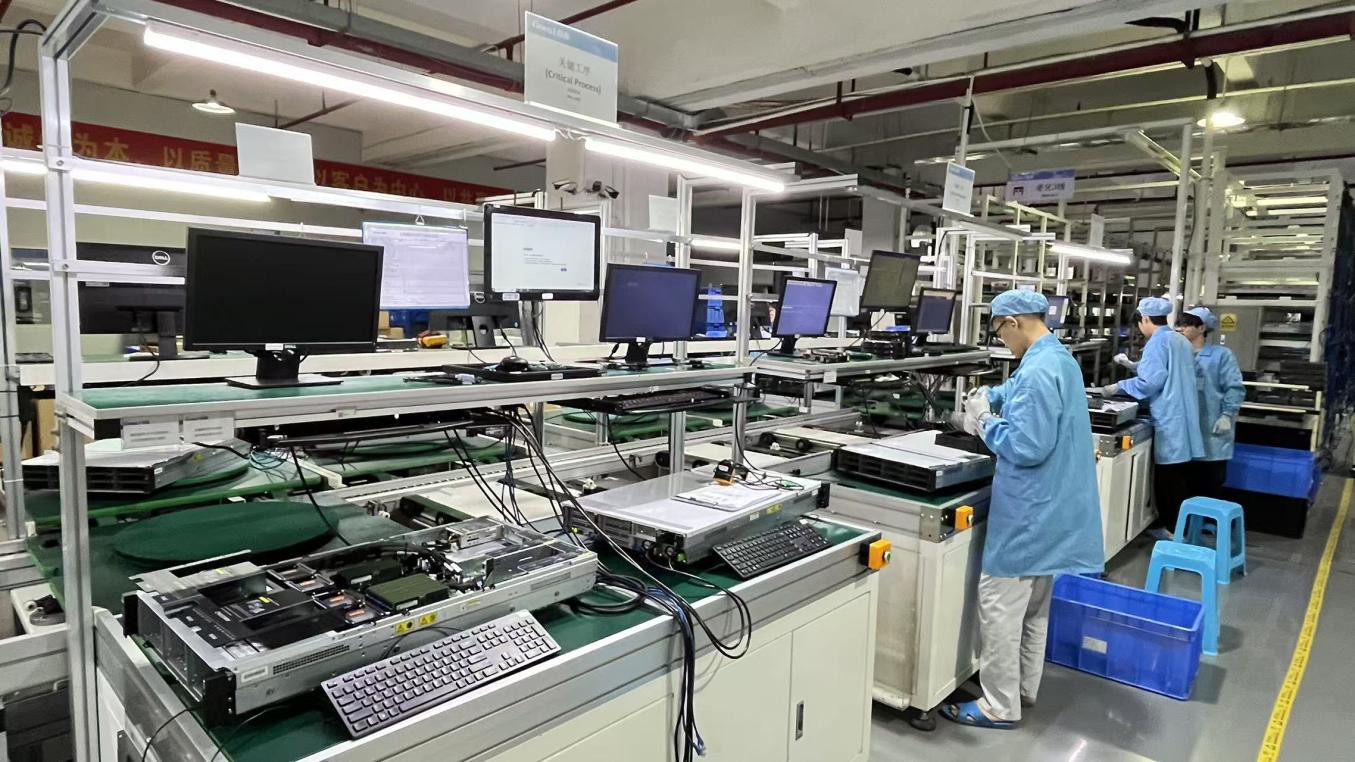
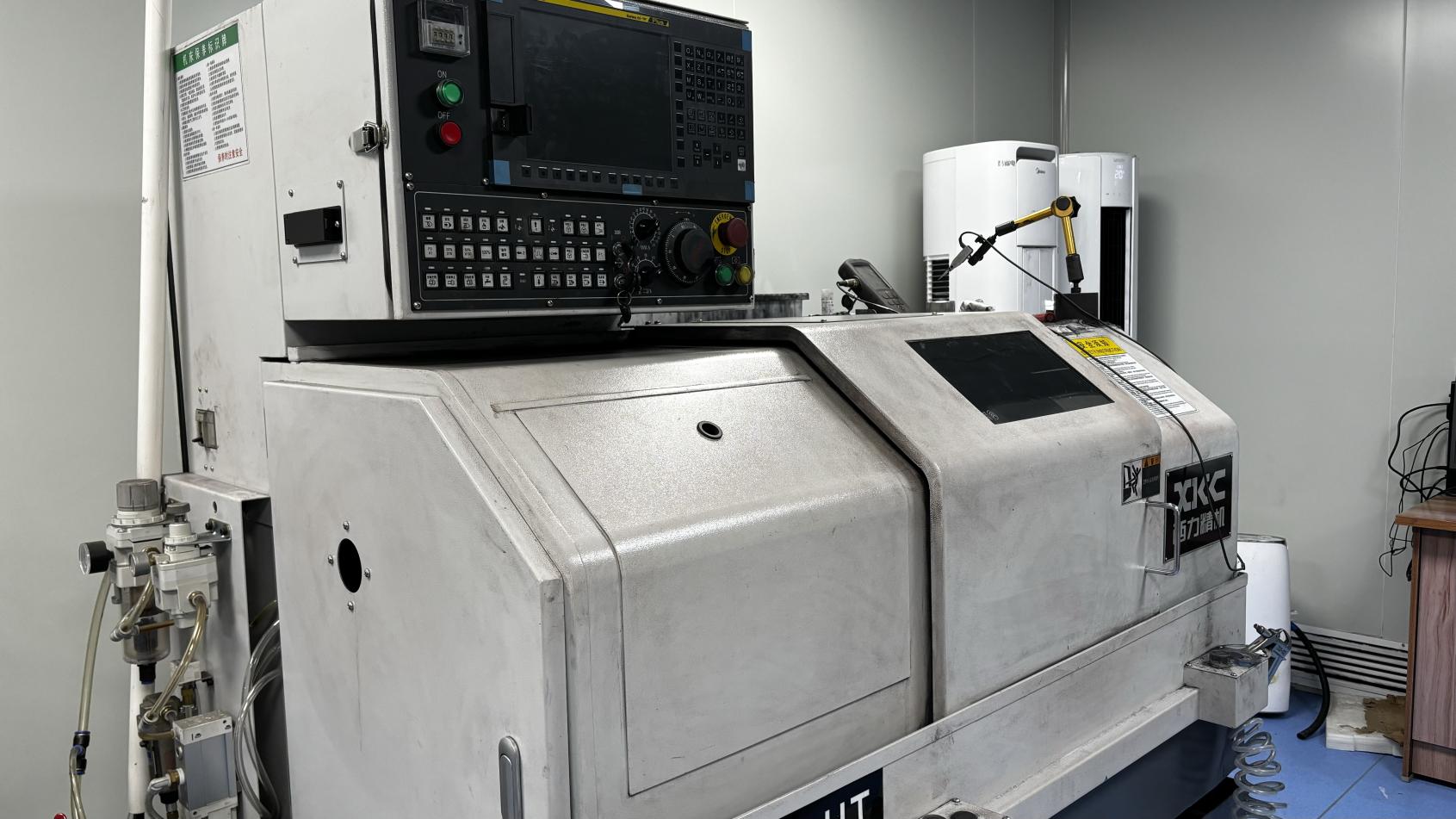
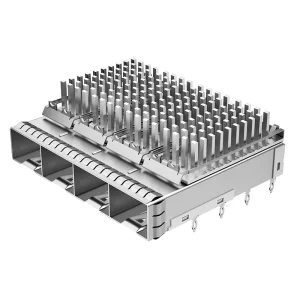
Explore our multi-port SFP/SFP+ cage assemblies, fully compatible with industry-leading brands (TE Connectivity and Amphenol replacements).
Ensuring compliance with international standards and Caribbean engineering specifications.
At Xelivor, our components undergo multi-phase inspections before dispatch. The quality management system implements:
For purchasing directors in Trinidad & Tobago, managing international lead times and import logistics is critical. Xelivor coordinates with major freight forwarders operating out of Miami logistics hubs to arrange reliable sea and air shipping to Piarco International Airport and Port of Point Lisas.
We provide full documentation, including Certificates of Origin and compliance forms, to streamline clearing through the Trinidad and Tobago Bureau of Standards (TTBS). Whether routing through local distributors or importing directly, our team provides custom labeling and packaging to meet your requirements.
Answers to common design and integration questions from networking engineers and procurement managers.
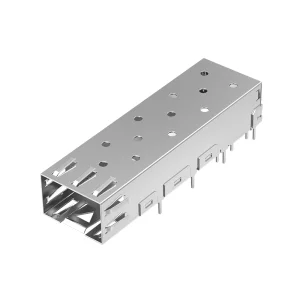
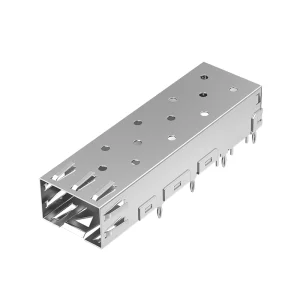
Yes. Xelivor designs and manufactures its 1xN ganged ports and single-port SFP/SFP+ cages to match standard Multi-Source Agreement (MSA) footprints. This ensures 1:1 footprint compatibility. They are drop-in replacements for part numbers like TE 2198235-1, TE 2170193-1, and Amphenol U77 series, fitting existing PCB footprints without redesign.
Our cages are built from high-strength copper alloys and finished with a nickel underplate (at least 50 micro-inches) to protect against oxidation in salty air. This barrier prevents galvanic corrosion between the cage and the gold contacts of the transceiver modules, maintaining contact resistance and signal integrity.
THT solder terminals require a wave or selective soldering process to secure the pins in the plated holes. This is highly robust but subjects the PCB to thermal stress. Press-fit terminals use elastic compliant pins (like the "eye-of-the-needle" design) that are pressed directly into the board holes. This solderless process simplifies assembly, supports dense double-sided boards, and makes field repairs easier.
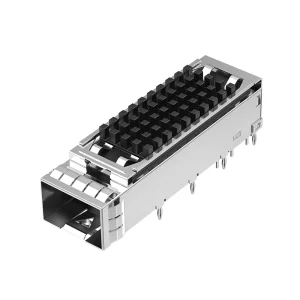
Yes. Xelivor offers extensive OEM/ODM customization services. Depending on your enclosure’s airflow profile and height restrictions (such as 1U/2U servers), we can adjust heatsink heights and fin styles (e.g., pin fin vs. straight fin). We also offer customized light pipe designs (round, square, single or multi-port) to align with front-panel status LED layouts.
All our optical network connectivity products and hardware components comply with RoHS 2.0 (Directive 2011/65/EU) and REACH standards. Additionally, all metal components are designed according to the relevant SFF specifications (such as SFF-8432 for SFP+ cages and SFF-8071 for connectors), ensuring broad electrical and mechanical compatibility.