Xelivor
Xelivor
Xelivor
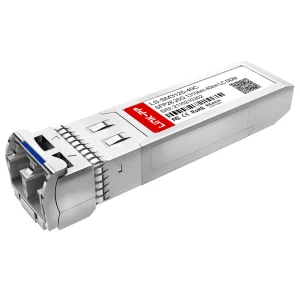
Explore our flagship 2.5G~6G SFP transceivers and advanced magnetics designed for Hungary's carrier networks and automated manufacturing hubs.
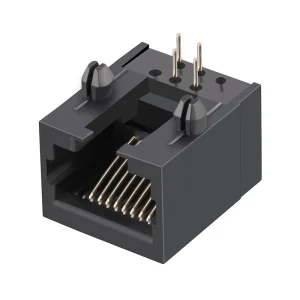
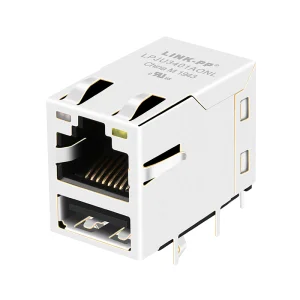
Analyzing the strategic role of Eastern Europe’s leading manufacturing and logistics gateway in the deployment of multi-gigabit optoelectronic networks.
Hungary has positioned itself as a critical technological and automotive manufacturing hub within the European Union. Supported by the national digitalization strategy, major industrial zones in Budapest, Debrecen, Győr, and Miskolc are experiencing rapid upgrades to their network infrastructures. The massive expansion of high-speed optical corridors across Hungary necessitates robust transceiver equipment. These demands are driven primarily by industrial automation (Industry 4.0), smart logistics hubs, and regional telecom providers seeking high-performance optical connectivity interfaces.
With massive investments from multinational companies establishing gigafactories and advanced data center facilities in Hungary, local manufacturing partners and system integrators require low-latency, highly compatible, and thermally resilient transceivers. 2.5G to 6G SFP modules play a pivotal role here, filling the sweet spot between low-power legacy copper terminations and costly, ultra-high-speed coherent fiber infrastructures.
Built to exceed telecom industry standards with rigorous quality controls and advanced design parameters.
Each module is programmed with custom firmware to guarantee 100% interoperability with Cisco, Juniper, Huawei, HP, and Mikrotik network switches.
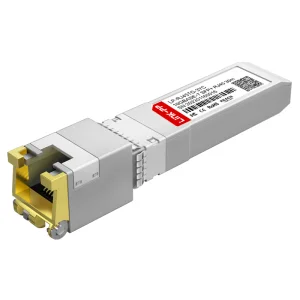
Optimized circuit design ensures power consumption remains below 1.0W for copper modules, significantly reducing thermal loads on dense hardware racks.
Equipped with metal housing structures and advanced grounding clips to suppress electromagnetic emissions in noisy industrial factory floors.
The global demand for optical transceivers is undergoing a transition driven by cloud computing, enterprise virtualization, and 5G/6G wireless fronthaul deployments. According to recent market studies, the 2.5G to 10G SFP module market segment remains highly critical for edge computing, enterprise LAN upgrades, and FTTx (Fiber-to-the-x) aggregation. Industrial settings benefit from the 2.5G and 5G multi-gigabit Ethernet standards, which run over existing Cat5e and Cat6 cabling, sparing enterprises from expensive re-cabling projects.
In parallel, the adoption of CPRI (Common Public Radio Interface) protocols in cellular infrastructure relies heavily on 3G to 6G optical transceivers. These links establish high-throughput connections between Remote Radio Units (RRU) and Baseband Units (BBU) in base station assemblies. Xelivor Optoelectronics Co., Ltd., leveraging its massive research capabilities and state-of-the-art facilities, bridges the gap between global supply chain constraints and localized EU industrial needs, providing direct factory supply chains with absolute lead-time reliability.
Annual Export Revenue
Professional R&D Engineers
Supply Chain Partners
QA Inspection Specialists
Understanding the standard specifications, architectural design, and parameters governing our transceiver systems.
To design networks that withstand the test of scalability and environmental factors, network architects must evaluate the performance parameters of the physical layers. The following comparison outline maps out the differences in protocols and applications of the 2.5G~6G spectrum:
| SFP Module Type | Protocol Support | Medium / Port Link | Transmission Distance | Key Target Application |
|---|---|---|---|---|
| 2.5G SFP Copper | 2.5GBASE-T Ethernet | Cat5e / Cat6 RJ-45 | Up to 100m | Multi-Gigabit Wi-Fi 6 AP Uplinks |
| 3G SFP Optical | CPRI Option 3 / SD-SDI | Duplex LC Single/Multi-mode | 2km to 40km | Telecom Wireless Fronthaul, Broadcast |
| 5G SFP Copper | 5GBASE-T Ethernet | Cat6 / Cat6A RJ-45 | Up to 70m/100m | Enterprise Switch Uplinks, Server NICs |
| 6G SFP Optical | CPRI Option 5 & 6 / OBSAI | Single Mode Fiber (SMF) LC | 10km to 80km | 5G Base Station Fronthaul Links |
All our optical SFP transceivers feature integrated Digital Diagnostic Monitoring (DDM) according to the industry-standard SFF-8472 multi-source agreement (MSA). This system allows network administrators in Hungarian telecom and industrial sectors to monitor real-time operating metrics. Vital statistics like optical output power, optical receiver sensitivity, transceiver operating temperatures, supply voltages, and laser bias currents are monitored dynamically. This system helps prevent connection failures, enabling preemptive maintenance programs on critical optical pathways.
How our optical transceiver modules and high-speed electrical connectors power critical industries.
In modern industrial facilities like the automotive and battery production sites located in Győr, Kecskemét, and Debrecen, electromagnetic interference (EMI) is a persistent operational hazard. Industrial welders, robotic actuators, and high-voltage power lines disrupt traditional copper cables. Our optical transceiver solutions provide dielectric isolation, protecting data links from noise and guaranteeing low latency. This ensures reliable operations for programmable logic controllers (PLCs) and automated guided vehicles (AGVs) operating on manufacturing floors.
As Hungarian ISPs deploy fiber deeper into regional towns, multi-rate SFP modules enable a gradual infrastructure upgrade path. Operating at 2.5G and 5G rates, optical transceivers allow telecommunication companies to leverage existing hardware layouts. This provides a cost-effective transition path for subscribers without requiring a complete overhaul of central distribution switches.
Budapest's hosting facilities utilize our copper and optical SFP/SFP+ solutions to interconnect high-density network switches and server clusters. Our low-power transceivers keep overall thermal signatures down, lowering utility costs and maximizing hardware life cycles.
A trusted global leader in optical transceivers, fiber connectivity systems, and precision magnetics assembly.
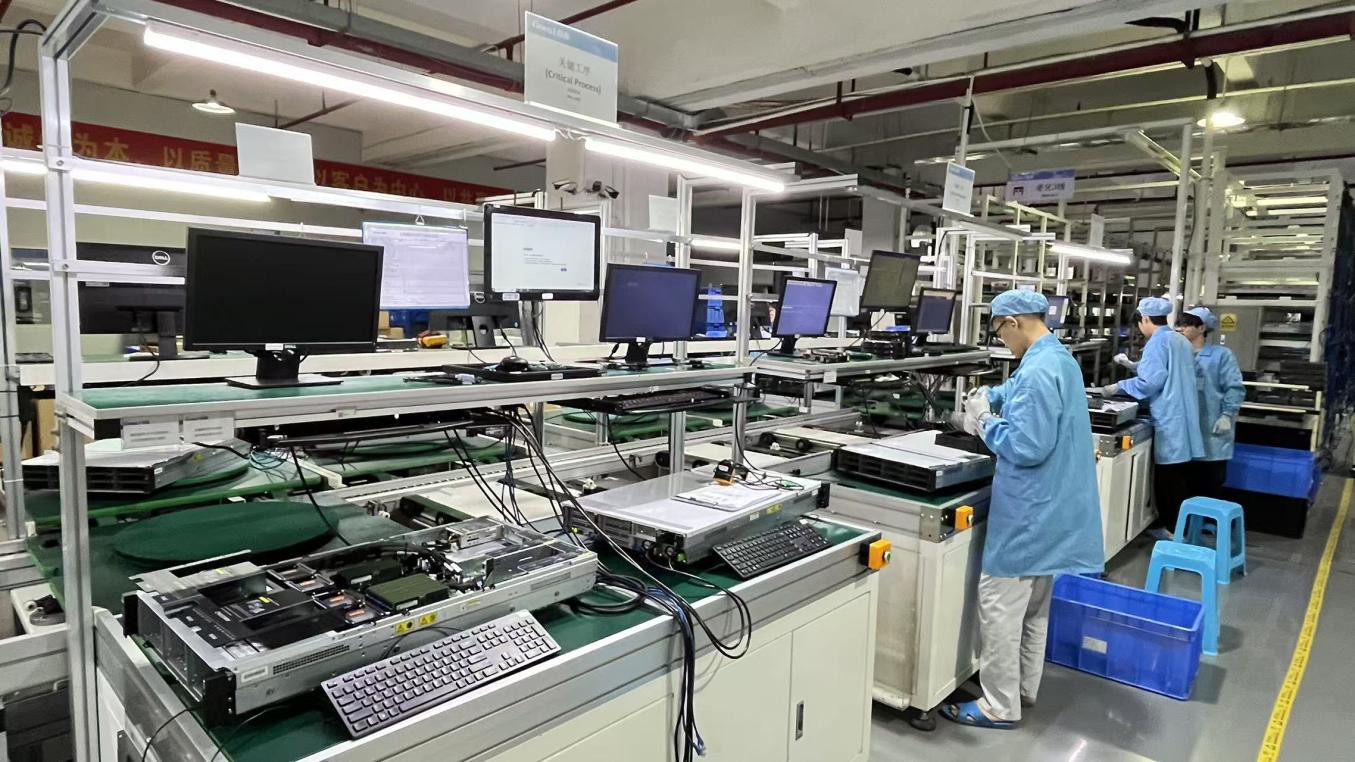
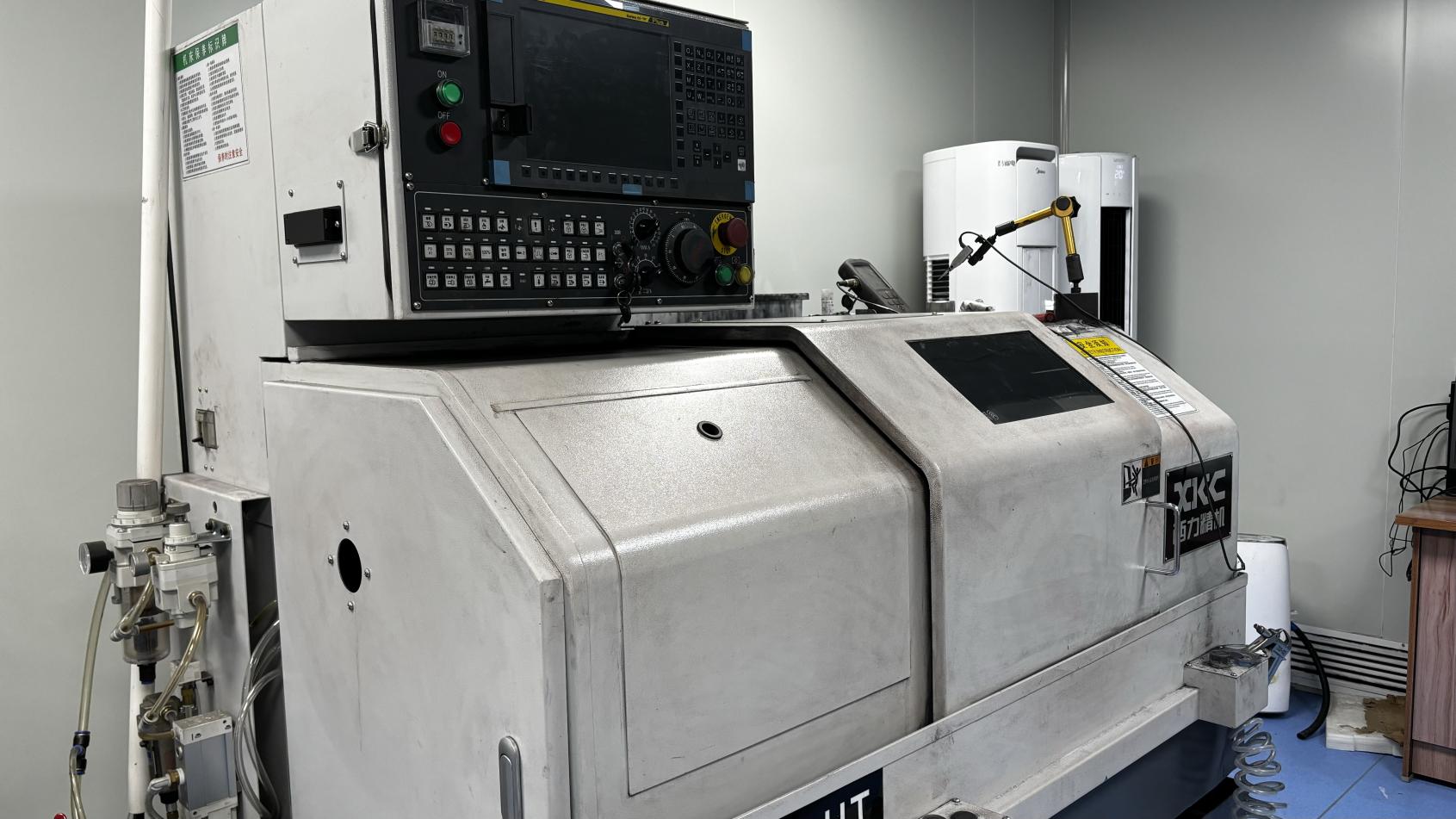
Xelivor Optoelectronics Co., Ltd. is a professional manufacturer of optical transceivers and fiber connectivity solutions, dedicated to serving global data center, telecom, enterprise network, and cloud computing industries. Established in 2016, the company operates from a modern manufacturing facility covering 386 m² and has built a strong reputation for delivering reliable, high-performance optical communication products worldwide. This advanced facility acts as our primary quality control hub, featuring precision assembly stations, thermal testing equipment, and cleanroom areas to support high-yield production runs.
With over 8 years of industry experience and 6 years of export experience, Xelivor has achieved annual export revenues exceeding USD 12 million. Our products are exported to customers across North America, Europe, Southeast Asia, the Middle East, and South America, supporting a wide range of networking applications from enterprise infrastructure to hyperscale data centers.
Quality is at the core of our operations. Our quality management system incorporates incoming material inspection, in-process quality control, aging tests, compatibility verification, optical parameter testing, and final product inspection. A professional quality assurance team of 32 inspectors ensures every product meets strict international standards before shipment.
The company maintains long-term cooperation with more than 850 supply chain partners, enabling stable sourcing, efficient production, and rapid delivery capabilities. Our flexible manufacturing system supports OEM, ODM, private label, customized firmware, customized labeling, and packaging services to satisfy diverse customer requirements.
A glimpse into Xelivor's modern manufacturing lines, cleanroom test facilities, and high-speed packaging centers.


Addressing engineering, compatibility, and logistical questions regarding 2.5G to 6G optical transceiver systems.
Every transceiver module is programmed with vendor-specific EEPROM code using our custom programming systems. We test the compatibility of our modules in-house against various hardware platforms. This process verifies that DDM functions, diagnostic reports, and link speeds integrate seamlessly with the host system without causing firmware conflicts or port lockouts.
Commercial-grade optical modules operate within a standard temperature envelope of 0°C to 70°C, which is suitable for climate-controlled data centers. Industrial-grade modules feature rugged components, allowing them to operate reliably in harsh outdoor cabinets or uncooled production facilities from -40°C to 85°C. These industrial options are vital for applications like municipal public safety grids, traffic cameras, and rail line networks across Europe.
Copper SFP transceivers (specifically 2.5GBASE-T, 5GBASE-T, and 10GBASE-T) consume more power than their optical counterparts because of the complex DSP processing required to transmit data over copper wiring. Unoptimized designs can draw upwards of 2.0W to 2.5W per port, leading to high thermal accumulation in high-density switch configurations. Xelivor's copper SFP+ modules are engineered to consume less than 1.5W (typically 1.0W for shorter distances), which reduces thermal stresses and improves long-term reliability.
Our 32-person quality assurance team conducts a comprehensive multi-stage testing protocol for all transceivers: incoming quality control (IQC) for components, in-process checking during optical sub-assembly, dynamic thermal aging, bit error rate (BER) checks, optical parameter analysis (verifying eye pattern, receiver sensitivity, and optical power output), and a final compatibility test on target network switch interfaces.
Traditional CPRI (Option 3 to 7) runs on constant-bitrate point-to-point connections, requiring higher optical capacities as networks scale. eCPRI (enhanced CPRI) splits functions within the physical layer, allowing data transmission to be carried over standard Ethernet networks. Our 6G and 10G optical modules support both protocols, providing flexibility for legacy 4G LTE architectures and new 5G/6G wireless networks.
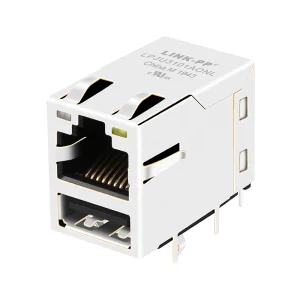
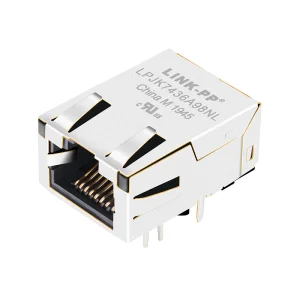
A comprehensive range of SFP cage modules, fiber optical transceivers, and high-performance magnetic connectors.