Xelivor
Xelivor
Xelivor
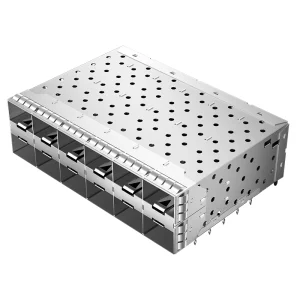
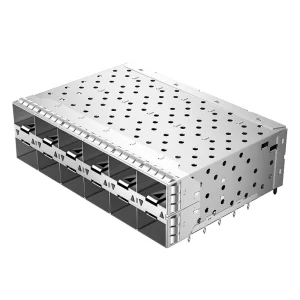
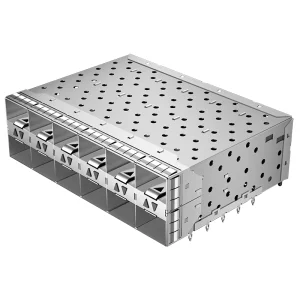
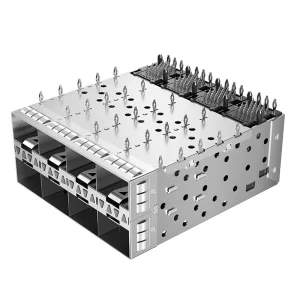
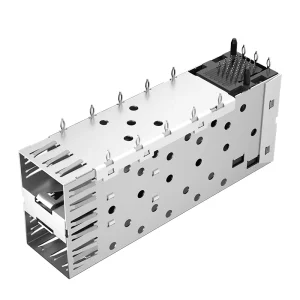
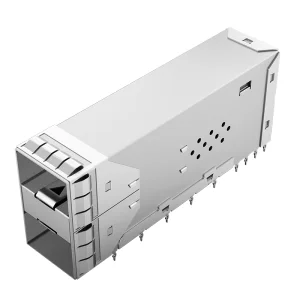
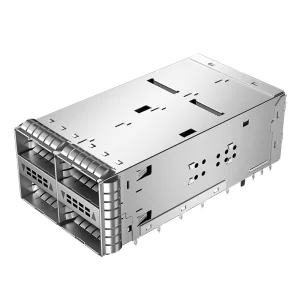
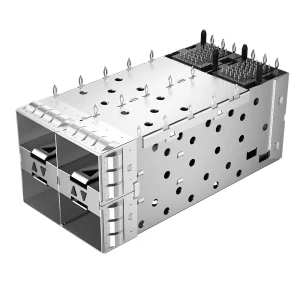
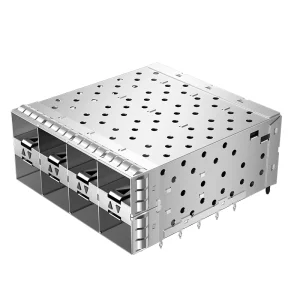
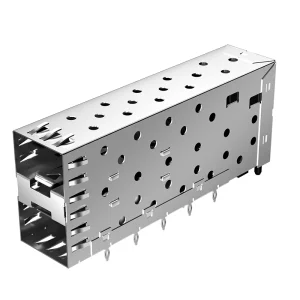
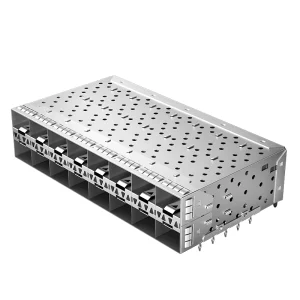
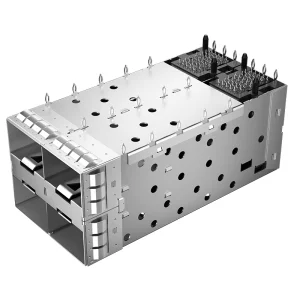
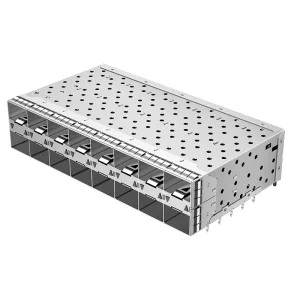
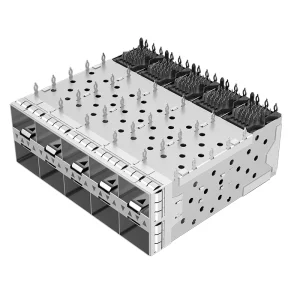
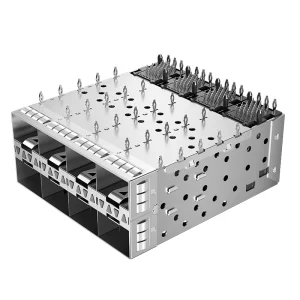
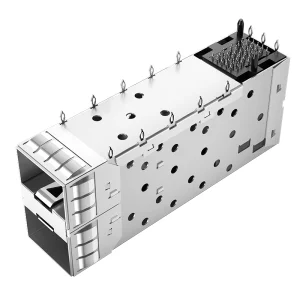
Optimized SFP+ & SFP28 stacked configuration cages engineered for dense server architectures, telecom switches, and metropolitan network equipment.
As Malaysia advances its digital economy under the MyDIGITAL blueprint, Kuala Lumpur and the adjacent Klang Valley (including Cyberjaya) have rapidly become the primary hub for data centers and network modernization in Southeast Asia. This growth is driven by massive hyper-scale investments, the expansion of regional cloud architectures, and the deployment of nationwide 5G infrastructure. Telecom operators and enterprise network providers are constantly pushed to upgrade their transmission capabilities while managing space and power constraints inside local facilities.
Within this ecosystem, the physical layer plays a critical role. Network switches, routers, and host systems require high-density fiber interfaces to support massive throughput. 2xN (Stacked Ports) configurations—such as 2x4, 2x6, and 2x8 SFP+ / SFP28 cages—allow engineers to double the port density on standard 1RU (Rack Unit) faceplates, maximizing throughput per square foot of rack space. By eliminating horizontal gaps and stacking connectors, network hardware manufacturers serving the Kuala Lumpur market can achieve high performance while minimizing the footprint of core routing platforms.
“In high-humidity, high-density environments like the Klang Valley’s modern data hubs, thermal management and EMI shielding are not optional upgrades—they are fundamental engineering requisites for signal integrity at speeds above 10Gbps.”
Scaling data rates to 25Gbps (SFP28) and beyond creates physical design challenges, particularly with crosstalk and electromagnetic interference (EMI). Stacked 2xN cages place high-frequency signal lines in close physical proximity, creating opportunities for noise coupling. To mitigate this risk, Xelivor’s TE, Molex, and Pulse compatible stacked SFP+/SFP28 cages are engineered with enhanced EMI shielding features, including elastomeric gaskets and metal spring fingers that contain radiative noise within the Faraday cage structure.
Additionally, press-fit compliant pin technology replaces traditional wave soldering. This method ensures reliable mechanical and electrical connections with minimal signal distortion, while supporting robust assembly processes. Our product lines feature 240-position (for 2x6 ports) and 320-position (for 2x8 ports) configurations that match standard industry footprints, allowing local developers to use standard PCB layouts while gaining high signal integrity performance.
| Feature Parameter | Standard Stacked SFP+ (10G) | Next-Gen zSFP+ / SFP28 (25G-56G) | zQSFP+ Stacked (100G+) |
|---|---|---|---|
| Data Rate Support | Up to 10 Gbps per Port | 25 Gbps to 56 Gbps PAM4 | Up to 112 Gbps per Channel |
| EMI Shielding Type | Metal Spring Fingers | Elastomeric Gasket + Spring Tabs | Advanced Elastomeric Gaskets |
| Mating Interface | Press-Fit Compliant Pins | Press-Fit (Eye-of-the-needle design) | Ultra-low Profile Press-Fit |
| Operating Temp (Tropical) | -40°C to +85°C | -40°C to +85°C (Extended Thermal) | -40°C to +90°C (Optimized TIM) |
Managing heat dissipation is a key challenge for electronic components in Southeast Asia. Kuala Lumpur’s warm climate and high relative humidity put extra load on data center cooling systems. Standard stacked configurations can act as thermal blockages if they are not designed with proper ventilation. Airflow must pass through the faceplate and around the optical transceivers to keep the internal lasers within their safe operating temperatures (typically below 70°C for commercial class and 85°C for industrial class).
To address this, Xelivor’s stacked SFP+ and SFP28 cages feature integrated light pipes and optional thermal heatsink attachments. The light pipes allow status LEDs to be routed through the front panel without blocking airflow, while custom heatsink designs increase convective cooling efficiency. This reduces the risk of thermal shutdown and extends the lifespan of active optical transceivers, resulting in more reliable operations for local networks.
To support high-bandwidth applications, our product line includes larger 2xN layouts and zQSFP+ architectures, providing the higher data rates required for core switch aggregation in major telecommunications hubs.
How Xelivor supports network development in Kuala Lumpur through scalable manufacturing, strict quality control, and direct logistics.
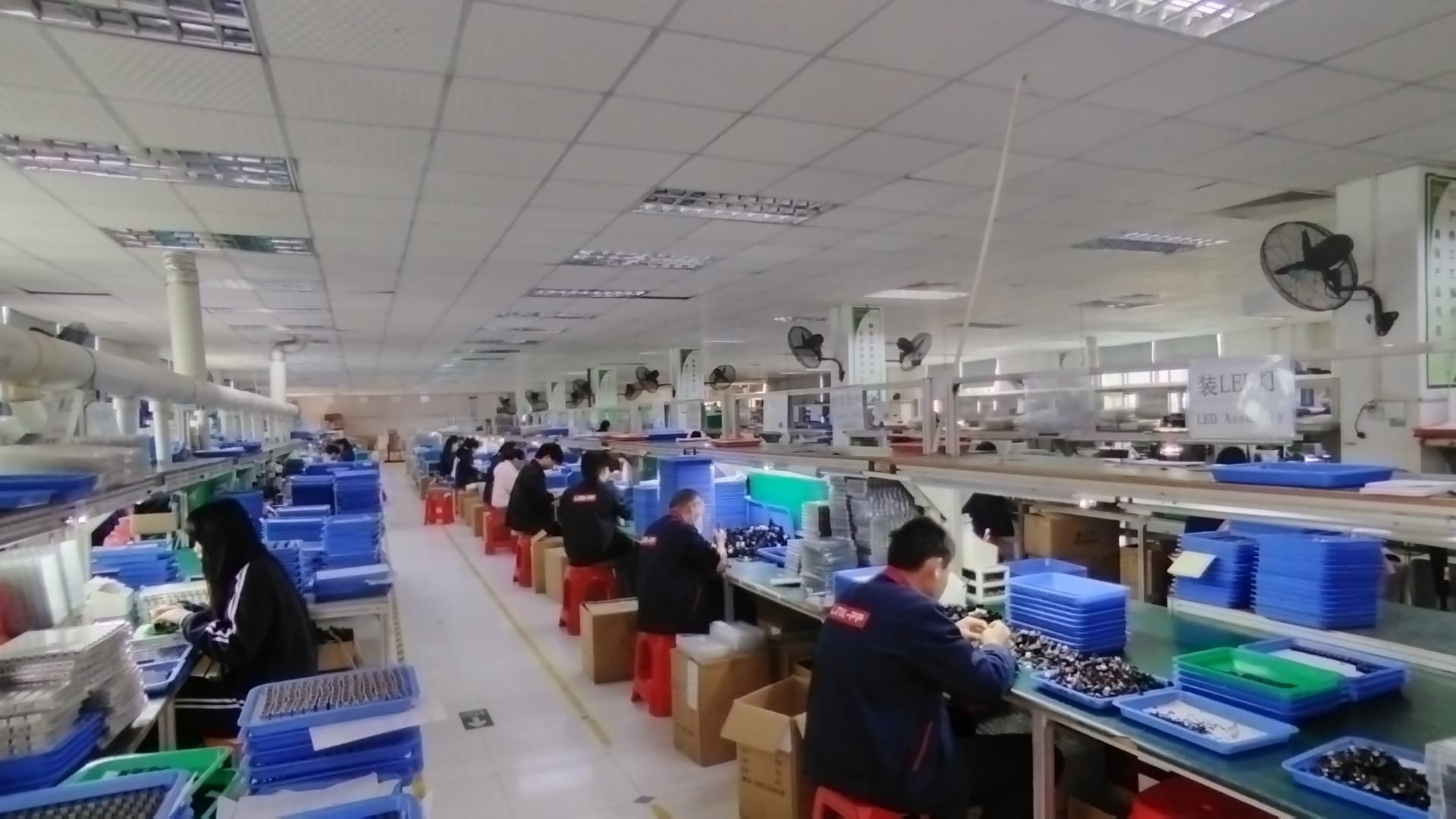
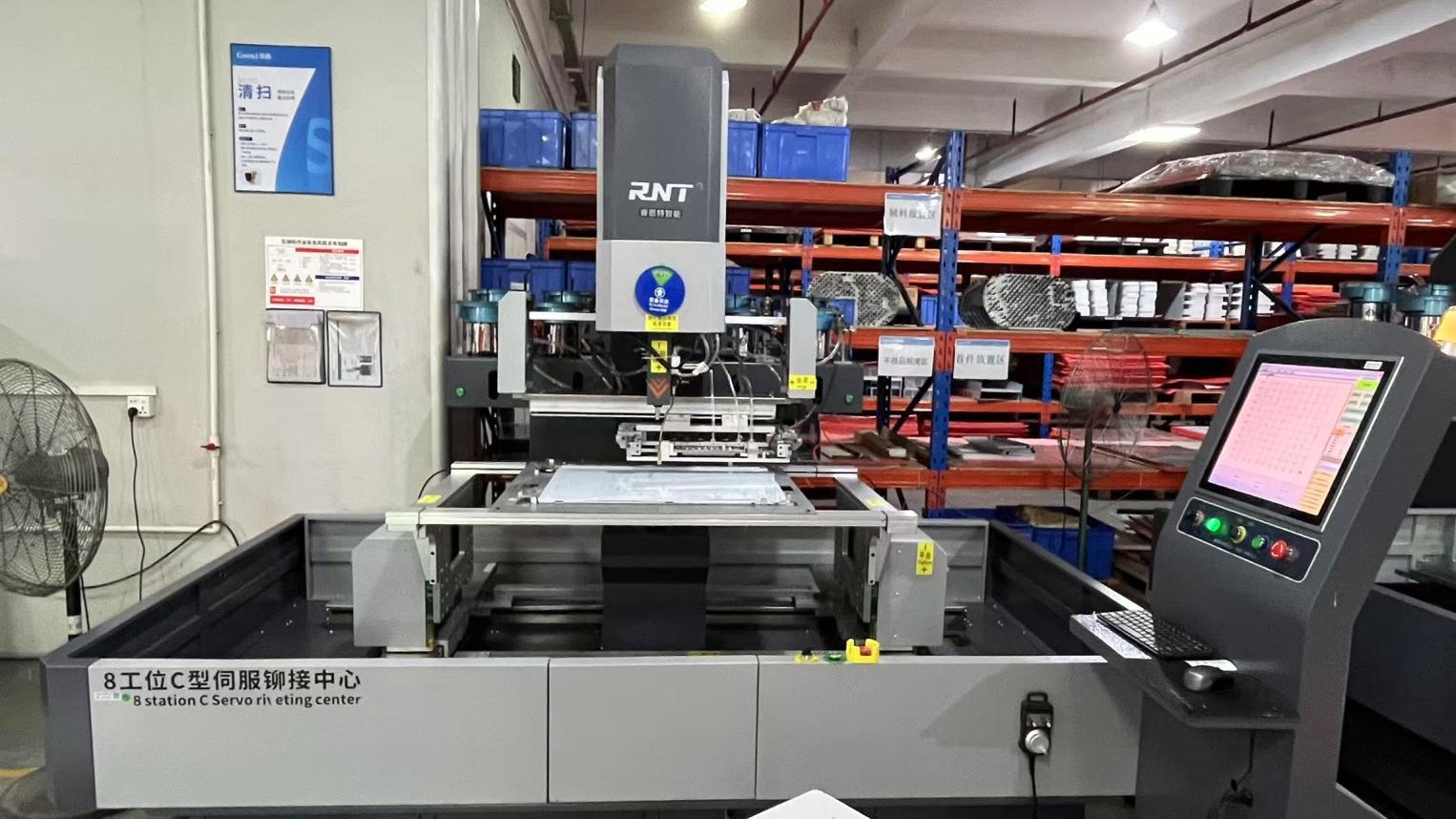
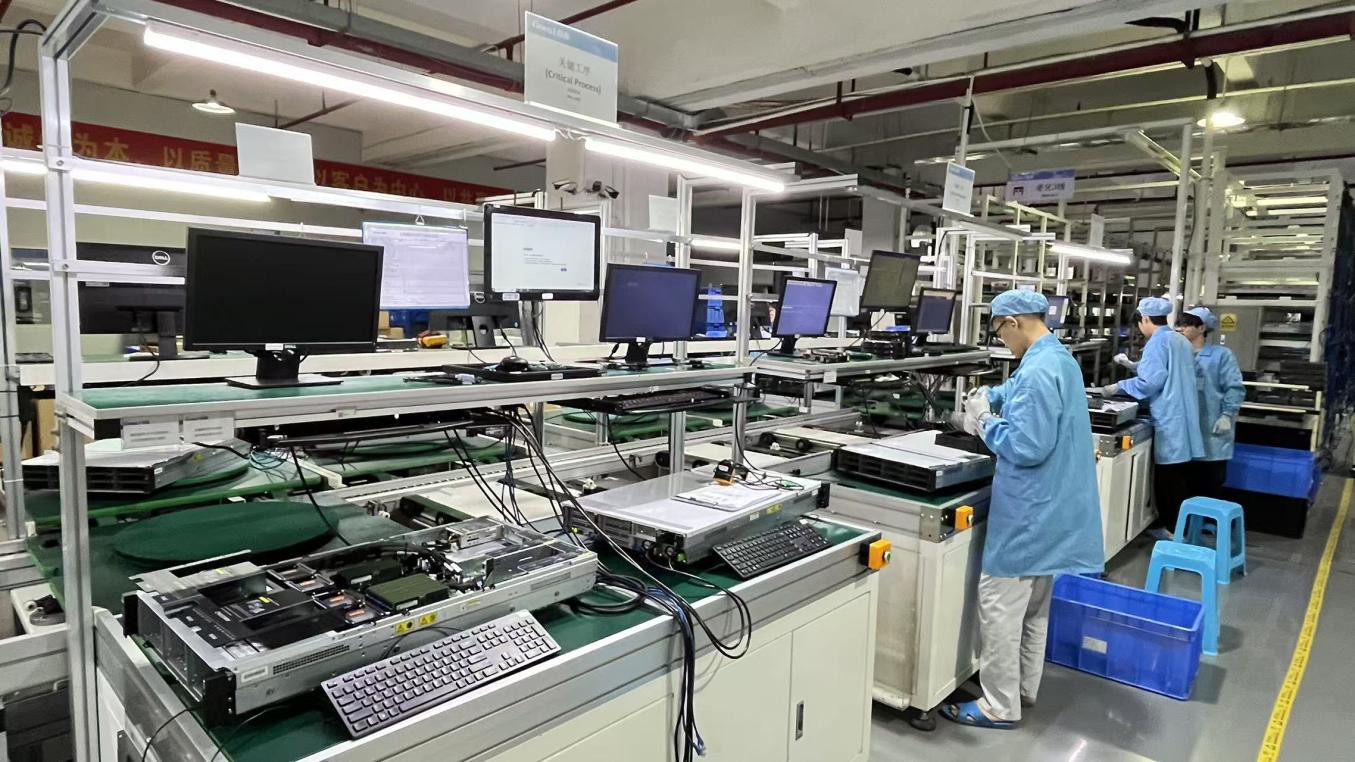
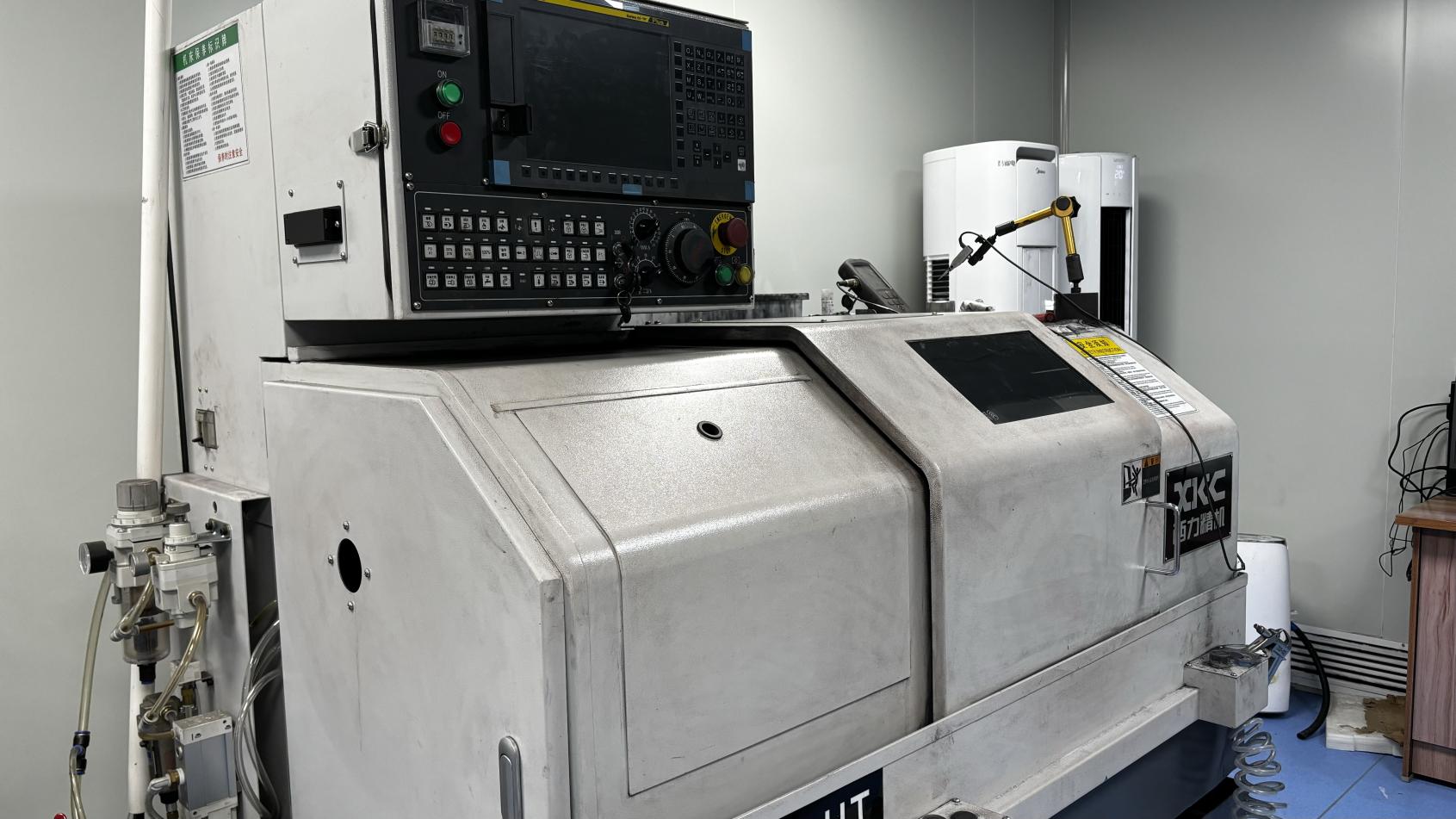
Founded in 2016, Xelivor Optoelectronics Co., Ltd. operates a modern manufacturing facility. Our facility is equipped with automated assembly lines, high-precision molding equipment, and multi-axis pressing machines designed to produce complex high-density stacked connectors.
With an engineering team of 68 R&D professionals, we handle the entire product lifecycle in-house—from design and mechanical simulation to final electrical validation. This integration enables us to launch over 85 new designs annually, helping us keep pace with the shifting standards of the global telecommunications industry.
By partnering with more than 850 raw material and tooling suppliers, we maintain stable production capacity even during broader supply chain disruptions. This network ensures consistent delivery timelines for system integrators and telecommunications operators across Southeast Asia.
To ensure high performance in critical network systems, Xelivor maintains a strict Quality Assurance protocol overseen by 32 inspectors. Every batch of 2xN SFP and QSFP cages undergoes a multi-stage testing process:
Our products comply with international standards such as CE, RoHS, and REACH, ensuring seamless integration into local systems in Malaysia and other global markets.
Ensuring reliable hardware supply through optimized shipping networks and local compliance support.
Reliable network installations depend on predictable hardware lead times. Xelivor leverages its proximity to major global logistics nodes in Shenzhen and Guangzhou to offer direct shipping routes to Malaysia. For bulk hardware shipments, we utilize direct sea freight to Port Klang, which handles the main volume for the Selangor and Klang Valley industrial zones. For urgent network upgrades and prototype deployments, we use air freight to Kuala Lumpur International Airport (KLIA), allowing delivery within 3 to 5 business days.
Our sales and logistics teams assist with custom declarations, import duty processing, and technical documentation, helping to prevent clearance delays. By offering flexible OEM services, we also provide custom label designs and packaging options that align with the specific installation practices of Malaysian contractors and network integrators.
Technical answers on electrical performance, mechanical design, and deployment practices for high-speed hardware.
Browse our range of press-fit and through-hole SFP/SFP+ stacked configurations, designed for carrier networks and high-density computing switches.
Connect with Xelivor's engineering team today for technical consultation, pricing details, and sample evaluations.
Send Inquiry Now