Xelivor
Xelivor
Xelivor
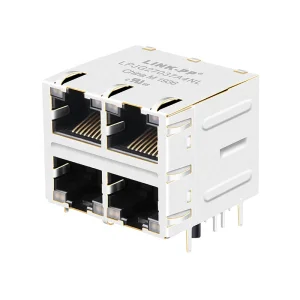
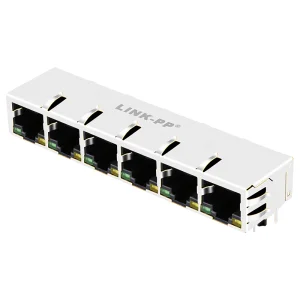
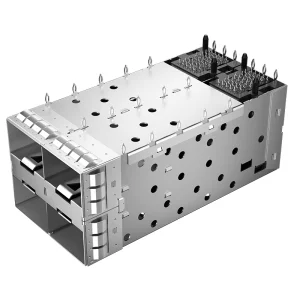
Explore our leading-edge SFP cages, low-profile magnetic jacks, and transceiver solutions engineered for telecommunications and hyperscale data centers.
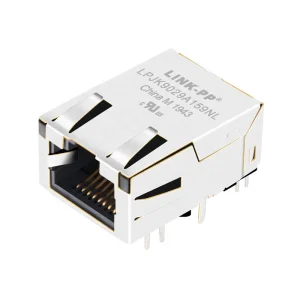
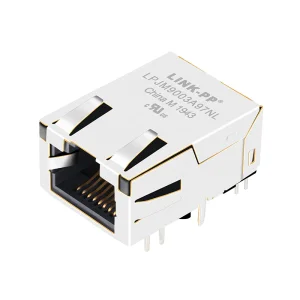
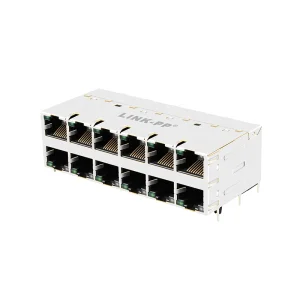
As electronic infrastructure pivots toward miniaturization and enhanced volumetric density, the demand for Low Profile Ethernet Jacks has experienced exponential growth. Standard RJ45 modules, while robust, present physical integration limits for modern ultra-thin industrial laptops, 1U rack-mount switches, embedded IoT computing nodes, and dense telecom panels. A low-profile architecture reduces the vertical clearance requirement of the connector on the Printed Circuit Board (PCB), allowing designers to shave off critical millimeters from product chassis height.
Implementing a CE Certified Low Profile Ethernet Jack involves balancing spatial efficiency with structural integrity and electrical characteristics. In high-frequency, multi-gigabit setups (such as 2.5G, 5G, and 10G Base-T networks), signal degradation, electromagnetic interference (EMI), and heat dissipation become critical failure points. By sourcing hardware that conforms to CE, RoHS, and REACH guidelines, engineering teams ensure compliance with rigorous European standards for safety, health, and environmental protection, mitigating regulatory risks in international markets.
Technical parameters and supply chain dynamics driving international industrial Ethernet infrastructure procurement.
Hardware engineers and enterprise procurement managers face distinct challenges when selecting connectivity suppliers. Key variables such as lead times, custom pin configurations, compatibility with high-speed surface-mount technology (SMT) reflow profiles, and mechanical tolerances dictate system reliability. Sourcing from a verified manufacturer ensures components handle the extreme thermo-mechanical stresses of automatic assembly without warping or losing coplanarity.
| Technical Characteristic | Standard Requirement | Low-Profile Optimized Specification | System Benefit |
|---|---|---|---|
| Vertical Height (Profile) | 13.5 mm to 16.5 mm | < 9.5 mm to 11.5 mm | Allows integration into ultra-thin devices and 1U standard enclosures. |
| Signal Transmission Speed | 10/100/1000 Mbps | Up to 10 Gbps (10G Base-T) | Supports high-throughput workloads and next-generation Edge Compute interfaces. |
| EMI Shielding | Partial brass plating | Multi-point grounded stainless steel/copper alloy with EMI tabs | Attenuates electromagnetic emissions, preventing crosstalk in high-density arrays. |
| Soldering Type | Wave Soldering (THT) | Through-Hole Reflow (THR) / Surface Mount (SMD) | Compatible with automated pick-and-place systems, reducing assembly cycles. |
| Contact Gold Plating | 6µ" to 15µ" gold plating | 30µ" to 50µ" gold over nickel | Ensures high corrosion resistance and at least 750 mechanical mating cycles. |
Beyond electrical specifications, supply chain stability remains a top priority. In an era marked by geopolitical disruption, sourcing parts that have cross-compatibility with industry standards—such as replacements for TE Connectivity, Pulse Electronics, or Molex designs—ensures assembly lines remain active. Xelivor Optoelectronics addresses this directly by offering drop-in replacements for widely utilized components, maintaining a robust ecosystem of over 850 raw material partners.
The technological trajectory of Ethernet jacks in industrial automation, medical robotics, and modern hyperscale computing.
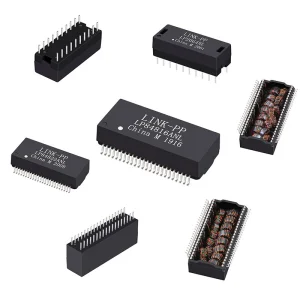
High-density computing arrays generate massive electromagnetic interference. Modern low-profile magnetic jacks feature built-in common-mode chokes, isolation transformers, and robust metal shield cages with spring fingers to dissipate ESD directly to chassis ground.
For automated SMT lines, coplanarity is maintained at <0.10mm. Engineering our connectors with high-temperature liquid crystal polymer (LCP) housings prevents mechanical warpage at peak temperatures of up to 260°C during lead-free reflow cycles.
Delivering up to 30W of Power-over-Ethernet requires precise copper pin alloy engineering. Our low-profile magnetic jacks balance high power delivery with minimal temperature rise, conforming to the thermal safety standards of IEEE 802.3at.

Established in 2016, Xelivor Optoelectronics Co., Ltd. is a specialized manufacturer of high-density interconnect and fiber connectivity solutions. Serving global data centers, telecommunications networks, industrial automation, and cloud computing ecosystems, we combine agile manufacturing with world-class engineering.
Our modern production facility operates under strict quality management structures. A dedicated team of 68 R&D engineers drives continuous product innovation, launching over 85 customized products in the past year alone. This persistent focus on product evolution ensures our partners receive jacks, transceivers, and cages that support high-speed data transmission rates (from Fast Ethernet up to 25G, 40G, and 100G architectures).
Quality assurance at Xelivor is systematic. Our 32 QA inspectors perform incoming material analysis (IQC), in-process inspections (IPQC), environmental aging chambers, high-frequency network analyzer validation, compatibility matrices, and final pre-shipment inspections. This multi-layered approach ensures that every low-profile RJ45 connector and SFP assembly conforms to strict CE, FCC, RoHS, and REACH guidelines.
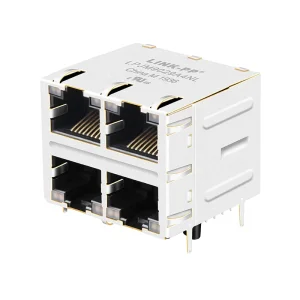
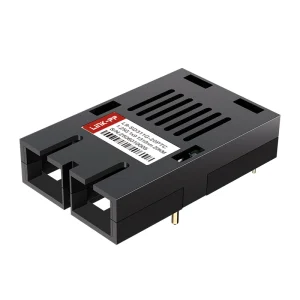
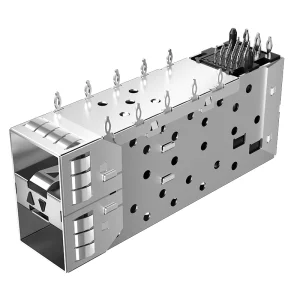
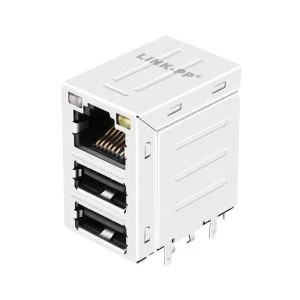
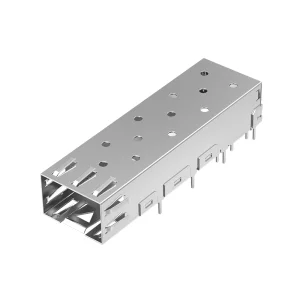
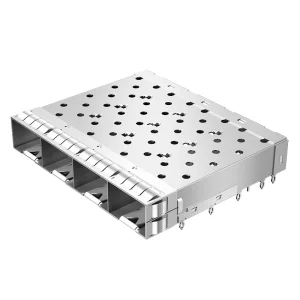
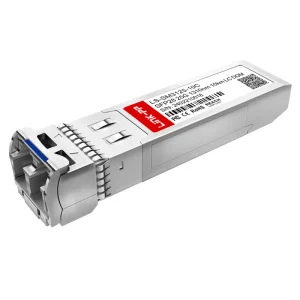
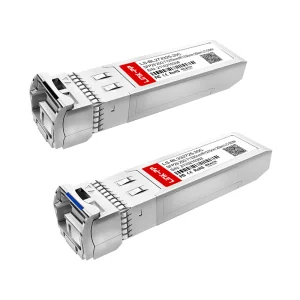
Explore our specialized high-speed SFP cages, multi-port stacked configurations, and replacement modules for industry-standard networking panels.
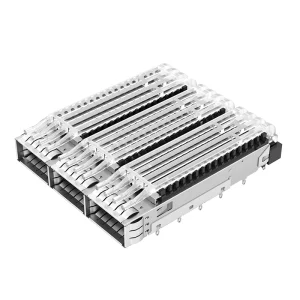
Deep engineering insights into impedance matching, crosstalk minimization, and physical trace optimizations.
Designing printed circuit boards with low-profile connectors requires strict attention to the physical layer (PHY) layout. When the profile of an Ethernet jack is reduced, the physical space between the internal signal contacts, the integrated magnetics (if using an ICM), and the PCB ground plane is compressed. This configuration can lead to capacitive coupling and degraded high-frequency performance if not properly designed. Our technical roadmap focuses on optimization across three key areas:
Maintaining a 100-ohm differential impedance across the differential signal pairs is critical for limiting signal reflection (Return Loss). Our low-profile pins are shaped to control parasitical inductance and capacitance through the dielectric transitions.
By incorporating internally wrapped magnetic wire topologies and precise spacing on the internal lead frames, we achieve Near-End Crosstalk (NEXT) and Far-End Crosstalk (FEXT) attenuation characteristics that exceed IEEE standards.
The external housing is encased in a premium copper-alloy shield. When soldered into the board's chassis ground plane, it forms a continuous Faraday shield, minimizing susceptibility to radiated environmental noise.
Direct engineering answers to technical queries on low-profile integration, compliance, and custom hardware configurations.
A standard RJ45 connector typically has a physical height above the PCB board ranging from 13.5 mm to 16.5 mm. Low-profile Ethernet jacks are engineered to limit this vertical height to less than 11.5 mm, with ultra-thin profiles dropping down to 9.5 mm or less. This reduction allows network design engineers to integrate them into thin appliances, embedded systems, and compact 1U telecom enclosures.
CE Certification indicates that the low-profile Ethernet jacks conform to European safety, health, and environmental protection directives. For industrial networks, CE marking guarantees compliance with the Low Voltage Directive (LVD) and Electromagnetic Compatibility (EMC) standards. This is essential for hardware deployed in the European Economic Area (EEA), verifying that the components will not cause electromagnetic interference or present electrical hazards.
Yes, specialized low-profile jacks are designed to support IEEE 802.3af (PoE), IEEE 802.3at (PoE+), and even IEEE 802.3bt (PoE++). Doing so requires optimizing the internal magnetics to handle DC currents of up to 600mA or 1000mA per pair without saturating the magnetic cores, while managing thermal dissipation within a smaller footprint.
The choice of "Tab-Up" or "Tab-Down" refers to the orientation of the physical release latch on the mating RJ45 plug. Tab-Up configurations allow LEDs to be mounted close to the PCB, whereas Tab-Down designs place the latch at the bottom of the jack. The orientation is selected based on trace-routing layers, component spacing, and ease of access for the end-user.
Industrial-grade connectors feature phosphor bronze contacts plated with a layer of nickel (50 micro-inches minimum), followed by gold plating (ranging from 30 to 50 micro-inches). Gold plating provides high wear resistance and prevents oxidation, ensuring stable signal transmission over hundreds of mating cycles in humid or corrosive industrial settings.
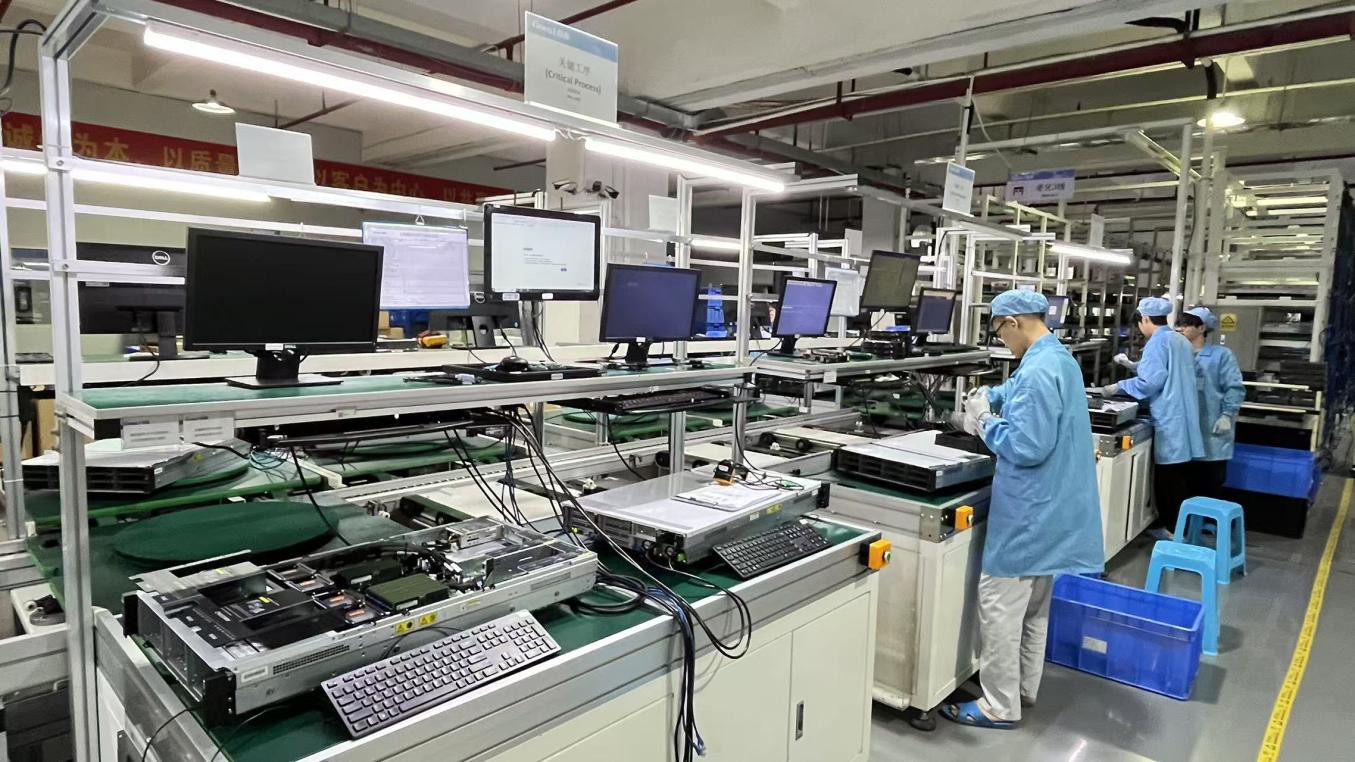
A visual tour of our cleanrooms, precision automated testing machines, and manufacturing footprint.
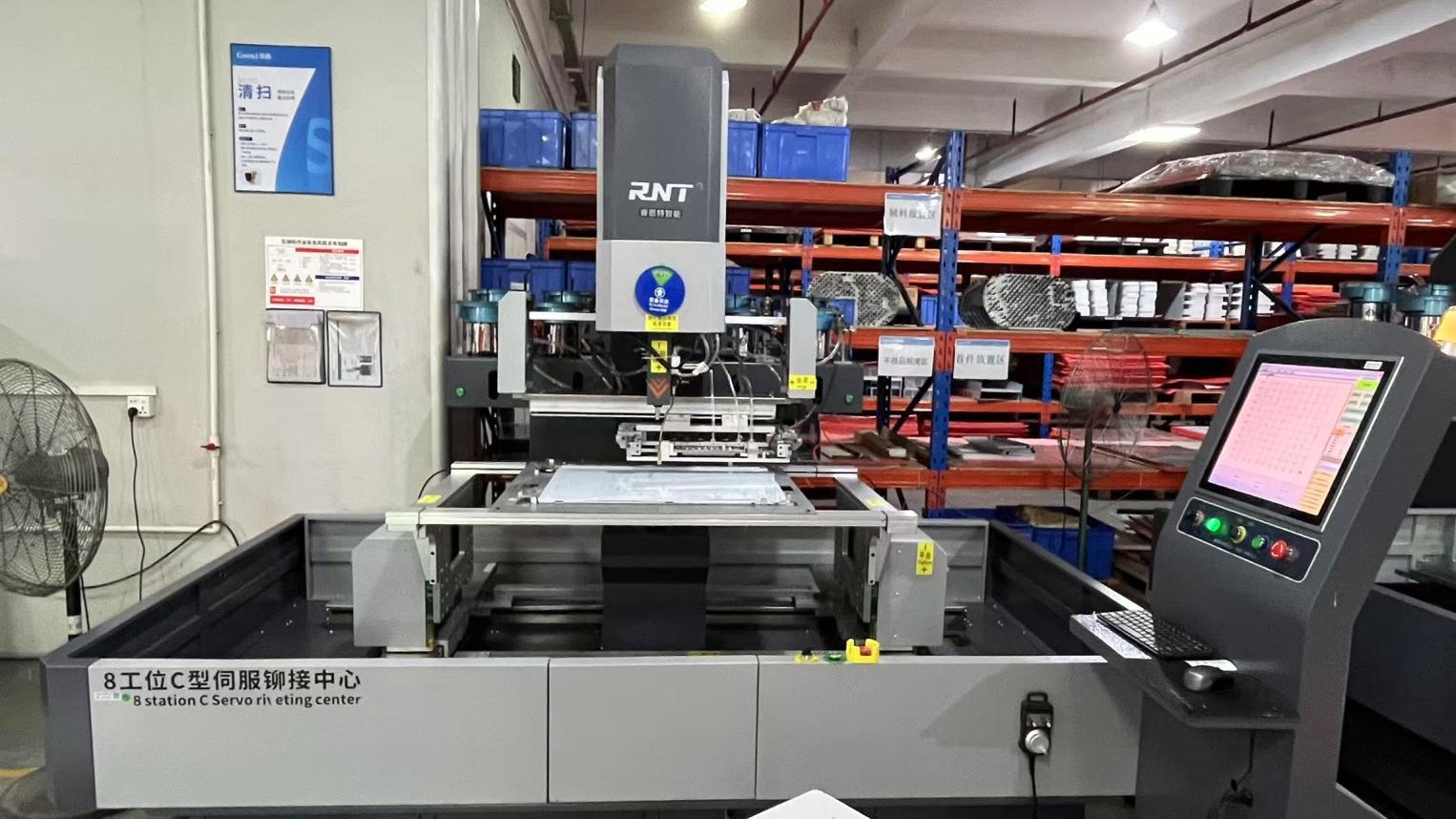
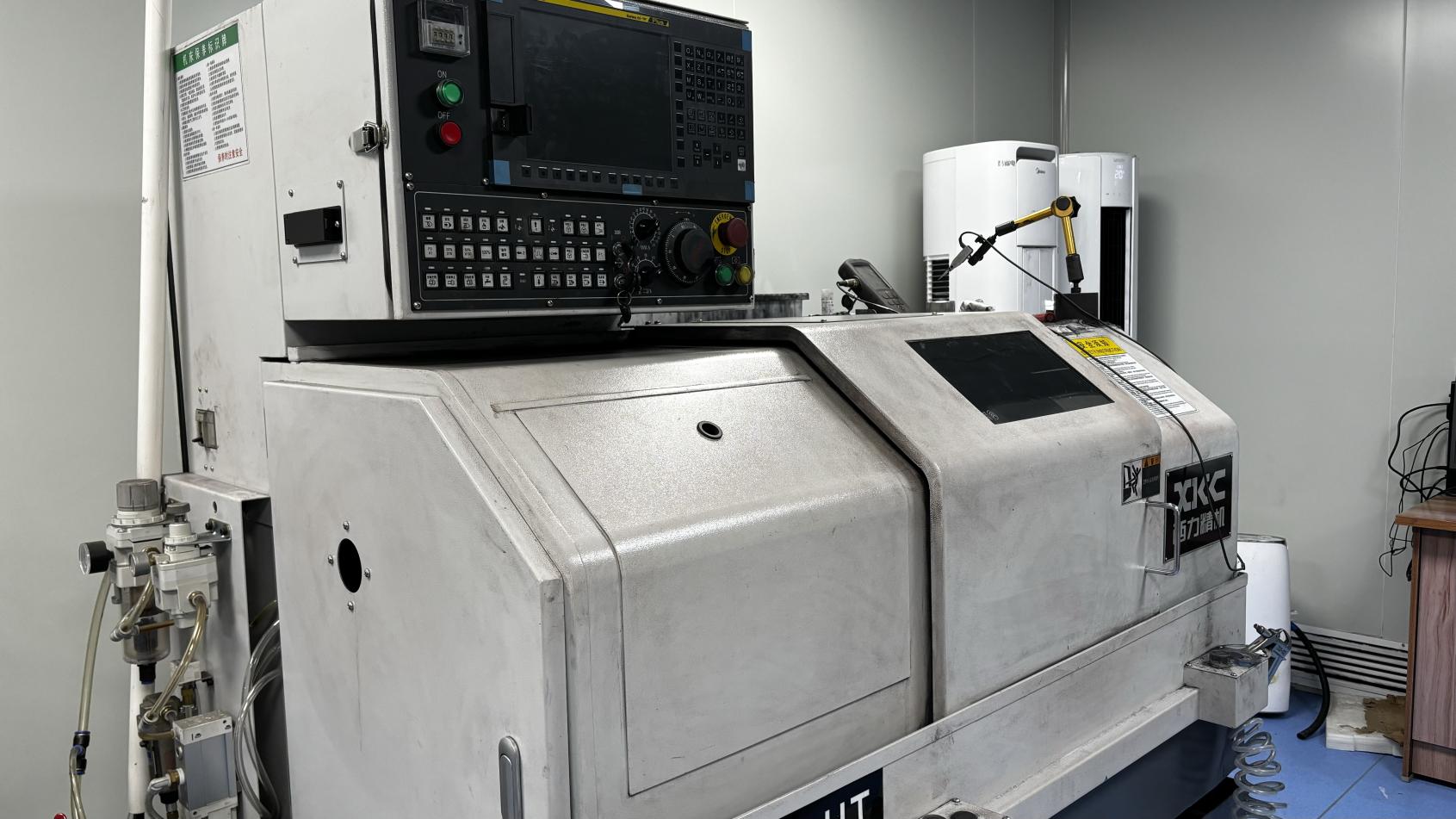
Xelivor Optoelectronics operates from a specialized, modern facility to ensure stable production control. We maintain a broad supply network that includes more than 850 component partners. This depth helps us manage supply volatility, providing reliable sourcing, rapid order processing, and manufacturing flexibility for OEM, ODM, and customized firmware or labeling requests.
Whether you require dropship logistics, high-volume production runs, or technical consultation on signal integrity, our R&D and QA departments are structured to support your project lifecycle. Contact our sales department to request spec sheets, mechanical drawings, or evaluation samples.