Xelivor
Xelivor
Xelivor
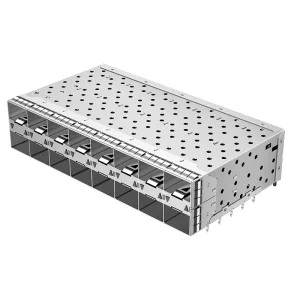
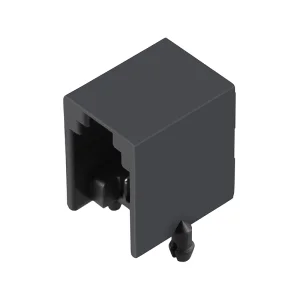
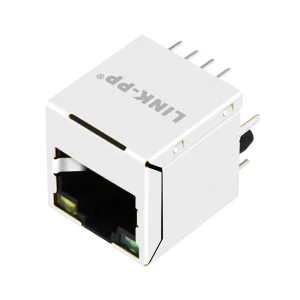
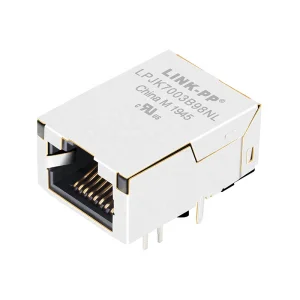
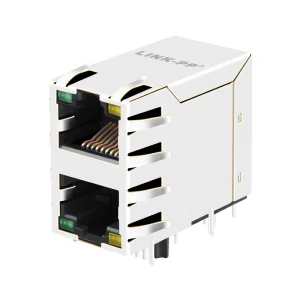
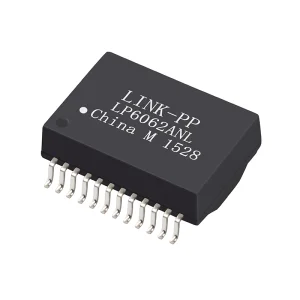
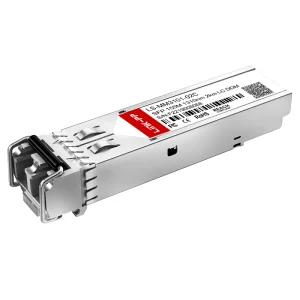
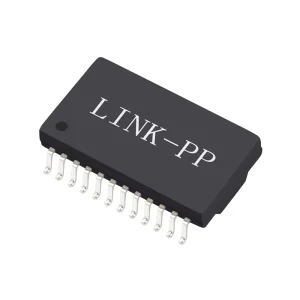
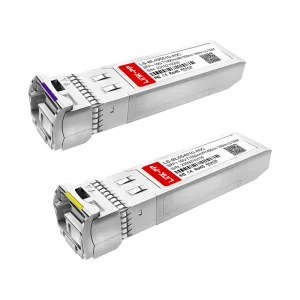
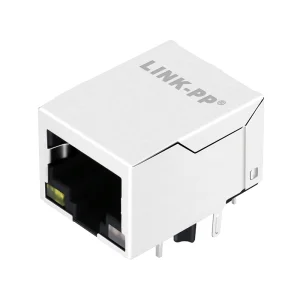
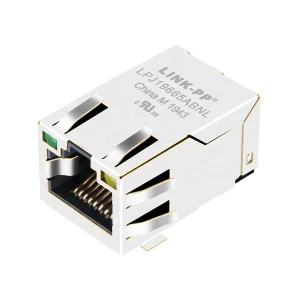
Industrial-grade RJ45 magnetic connectors, PCB modular jacks, and high-frequency optical transceiver interfaces engineered for zero packet loss.
In high-speed data transmission networks, the physical termination layer remains the most critical vulnerability. Traditional crimped connections often introduce uneven physical stress across the conductor wires, leading to variations in signal impedance, localized capacitance spikes, and premature corrosion due to microscopic air pockets. This structural variation is particularly problematic in Cat6, Cat6A, and Cat8 applications where operating frequencies scale from 250 MHz up to 2000 MHz.
RJ45 Compression Connectors address these vulnerabilities directly through radial compression. By securing the connector with an even, 360-degree force around the outer shield and dielectric sheath, the internal twist ratios of the twisted-pair cable are kept structurally intact up to the termination plane. This prevents Return Loss (RL) degradation and Near-End Crosstalk (NEXT), ensuring that copper interfaces operate with identical signal integrity characteristics to optical circuits.
Empowering the world's most critical network backbones with high-performance copper and optical systems since 2016.
Xelivor Optoelectronics Co., Ltd. is a leading manufacturer of high-speed interconnect products, optical transceivers, and advanced fiber-to-copper connectivity interfaces. We support critical architectures in global data centers, enterprise networks, cloud-computing centers, and telecom infrastructure. Operating from a highly specialized micro-manufacturing and assembly facility, our engineers maintain tight mechanical and electrical tolerances to deliver dependable hardware to system integrators and telecommunications operators worldwide.
Since our founding in 2016, we have expanded our capacity to support substantial global demands, recording annual export revenues exceeding USD 12 million. Our products are deployed across North America, Europe, Southeast Asia, the Middle East, and South America. We provide solutions that ease the transition between high-bandwidth optical trunks and high-density copper access networks.
Innovation and quality control define our business. With 68 research and development engineers, we continuously adapt to new standards, having launched more than 85 products last year to support high-speed networks. Our quality management framework operates at every stage of production—from incoming material verification and in-process quality control (IPQC) to compatibility testing, thermal chamber aging, optical parameters checks, and final audits.
Supported by a QA team of 32 specialized inspectors, we verify that every modular connector, SFP transceiver, and magnetics assembly exceeds international standards such as RoHS, REACH, and UL flammability ratings. This rigorous process guarantees reliable deployment in high-availability environments.
Understanding the economic, industrial, and technological ecosystem that drives our manufacturing performance.
China's tooling ecosystems in major manufacturing hubs allow us to create high-cavity, high-frequency connector molds. We achieve mold dimensional tolerances of ±0.005 mm, ensuring that the critical alignment of gold contacts within the RJ45 guide channels matches theoretical specifications. This precision minimizes signal loss at high operating frequencies.
Our long-term collaboration with over 850 raw material suppliers gives us immediate access to high-grade phosphor bronze alloys, advanced engineering polycarbonates (UL 94V-0), and high-spec electroplating solutions. This integrated supply chain protects us from material shortages and allows us to scale production quickly in response to market demands.
By employing automated optical inspection (AOI) systems alongside specialized environmental testing chambers, we run continuous quality checks on raw materials and finished products. This comprehensive testing ensures our products meet strict international electrical and mechanical standards before shipment.
An engineer's guide to the structural properties that define reliable connectivity.
For an RJ45 connector to support Cat6A and Cat8 frequencies without signal degradation, contact material science is paramount. We use premium Phosphor Bronze base alloys, which provide excellent elasticity and low contact resistance. These contacts are plated with a 100u" nickel undercoat to prevent intermetallic migration, followed by up to 50u" gold plating on the mating interface.
Gold's corrosion resistance ensures that the connector maintains low contact resistance (less than 20 milliohms) through at least 750 mating cycles, meeting FCC Part 68 requirements. Standard connectors with thinner plating (such as 3u" or flash gold) can oxidize in high-humidity or corrosive environments, leading to packet loss and network errors.
Modern networks increasingly deliver power and data over the same twisted pair. Our compression connectors are fully compatible with IEEE 802.3bt (PoE++) Type 4 systems, which deliver up to 90W/100W of power. This high current capacity requires contact geometries that minimize resistance and heat build-up. Our connectors are designed to limit thermal rise to less than 15°C under maximum current load, protecting the cable assembly from degradation over time.
| Connector Type | Shielding Material | EMI Attenuation | Primary Application |
|---|---|---|---|
| Unshielded (UTP) | Polycarbonate (UL 94V-0) | Minimal (Structural isolation) | Standard Office LAN (Cat5e/Cat6) |
| Shielded (FTP) | Nickel-Plated Brass Shell | >40dB @ 100MHz | Industrial automation, EMI areas |
| High-Density Shielded | 360-degree Grounding Collar | >60dB @ 500MHz | Cat6A / Cat8 Data Centers |
Note: Effective shielding requires 360-degree grounding continuity throughout the cable assembly to prevent ground loops and EMI leakage.
Adapting physical layer infrastructure to meet the demands of modern application environments.
In modern hyperscale data centers, in-rack copper links handle short-reach interconnects between servers and Top-of-Rack (ToR) switches. Using shielded compression RJ45 connectors alongside optical fiber transceivers (SFP/SFP+) creates a flexible, cost-effective hybrid infrastructure that simplifies deployment and maintenance.
Industrial settings expose connections to constant vibration, temperature fluctuations, and electromagnetic noise. Our heavy-duty compression connectors provide high pull-out resistance (greater than 89N/20 lbs) and a secure ground path, ensuring stable data transmission on automated factory floors.
Smart building infrastructure relies on structured cabling to support IP security cameras, wireless access points, and HVAC controllers. High-quality compression connectors simplify termination in tight plenum spaces, ensuring consistent performance for PoE++ lighting and IoT endpoints.
How we align our production lines with the logistical and engineering requirements of international buyers.
We work closely with global distributors, system integrators, and equipment vendors to deliver custom connectivity products that align with their mechanical and brand requirements. Our facility supports comprehensive OEM/ODM services, including customized contact geometries, shielding configurations, firmware adjustments for active transceiver components, and specialized packaging.
To ensure smooth integration into automated logistics systems, we offer customized labeling, barcoding, and master carton configurations. Our engineering team can translate electrical blueprints into production-ready designs within 10 working days, helping our partners bring new solutions to market efficiently.
We manage supply chain risks by maintaining backup sources for critical materials and keeping a buffer stock of standard products. This approach helps protect our clients from supply disruptions, ensuring reliable delivery schedules even during periods of high demand.
Our logistics network offers multiple shipping options—including air, ocean, and express routes—giving clients flexibility in balance speed and transportation costs.
Preparing physical infrastructures for the demands of upcoming network standards.
SPE technology is changing industrial cabling by carrying data and power over a single pair of copper wires up to distances of 1000m. This approach simplifies wiring architectures and reduces overall cabling weight, supporting the expansion of IoT and industrial sensor networks.
Cat8 cabling supports speeds up to 25Gbps and 40Gbps over short runs (up to 30m), providing a cost-effective copper option for server-to-switch connections. Meeting these speeds requires high-precision shielding and termination to manage high-frequency crosstalk.
Modern networks are increasingly hybrid, combining the high speed of fiber with the easy deployment of copper. We focus on developing connectors that bridge these two media, enabling smoother integration across network environments.
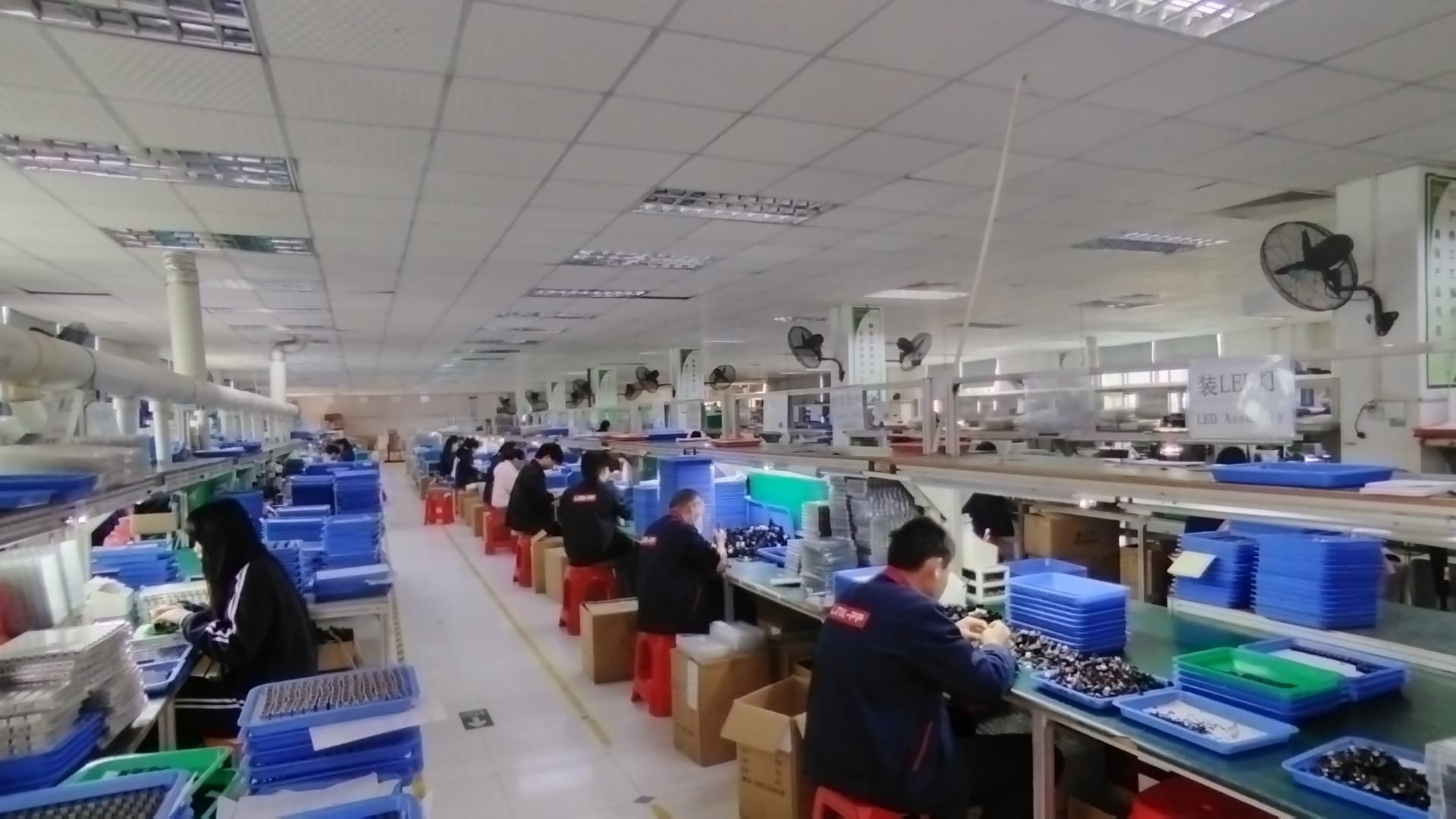
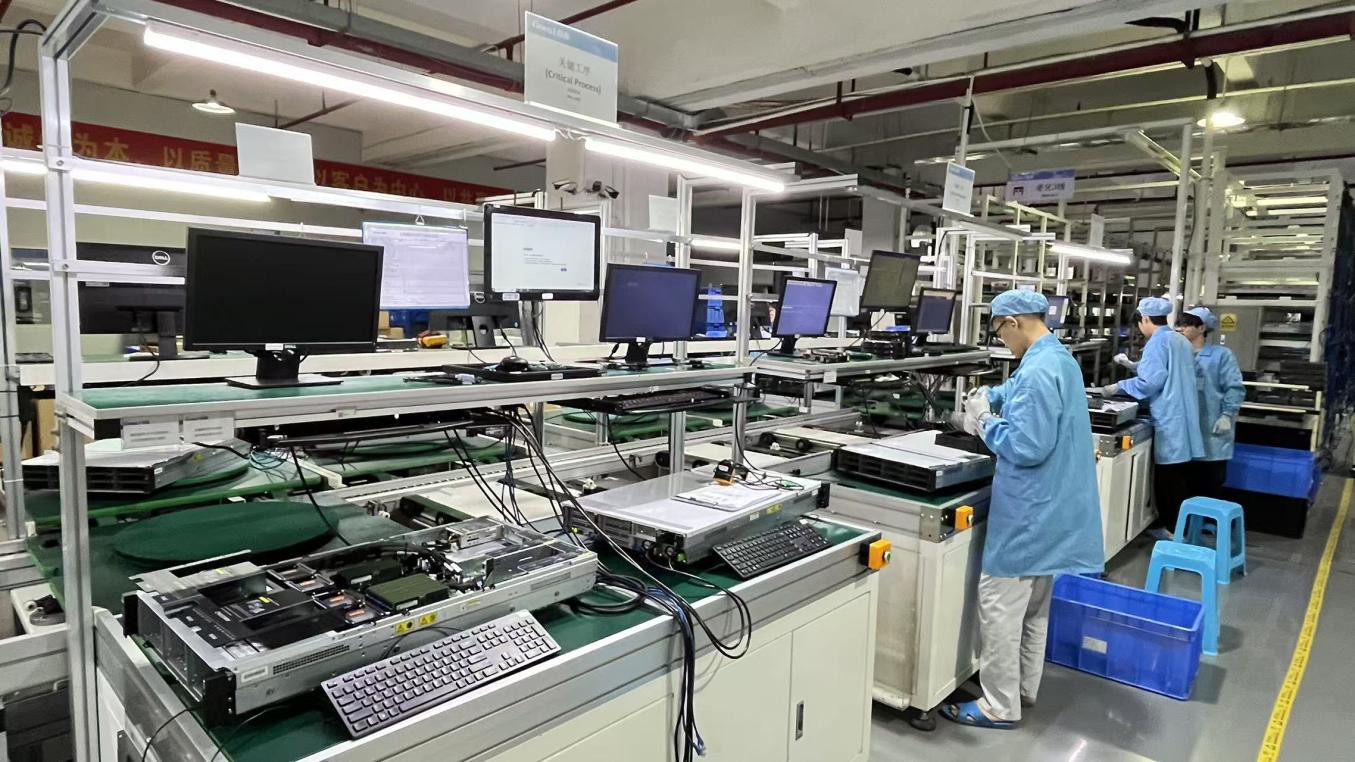
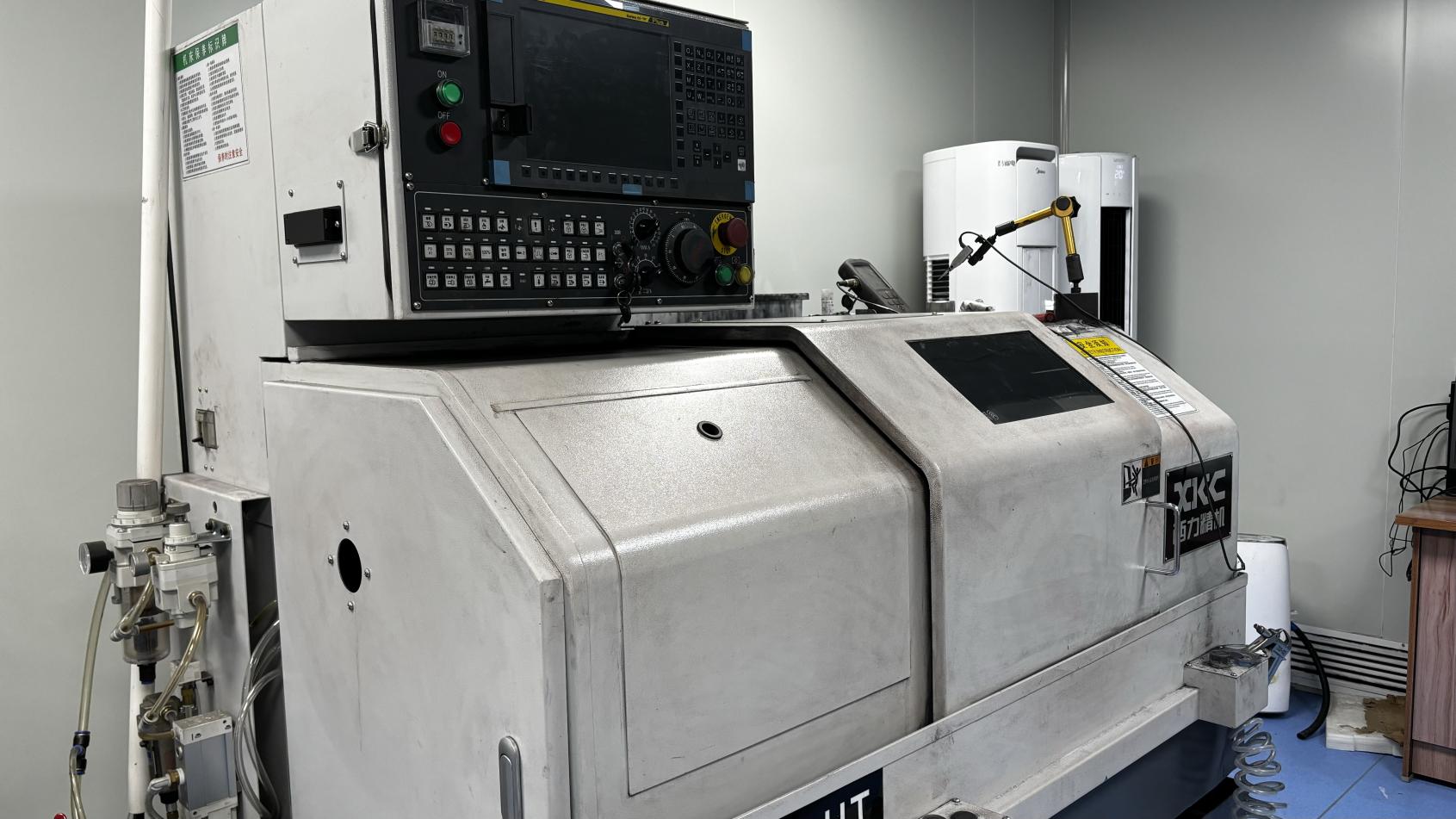
A look inside our assembly, testing, and quality control departments.

Technical answers to common queries regarding RJ45 compression design and selection.
A standard crimp connector uses a vertical wedge tool to compress the internal contact pins onto the wire conductors, which can apply uneven pressure and slightly alter the internal twist geometry of the cable. An RJ45 compression connector uses a radial compression tool to apply uniform 360-degree force around the outer jacket and shield. This maintains the cable's internal geometry and shielding integrity, helping to prevent Return Loss and Crosstalk in high-frequency applications like Cat6A and Cat8.
Gold is used on contacts because of its high conductivity and resistance to oxidation. Thicker gold plating (such as 50 micro-inches) provides a durable contact surface that can withstand at least 750 insertion cycles without exposing the underlying nickel undercoat to oxidation. Thinner plating (like 3u" or flash gold) wears away quickly, which can lead to increased contact resistance, intermittent connections, and packet loss, especially in humid or high-vibration environments.
Yes, our connectors are designed to support IEEE 802.3bt (PoE++) Type 4 applications, which deliver up to 90W/100W of power. We use high-quality phosphor bronze alloys and robust contact geometries to ensure low resistance and minimize temperature rise under full load. This design helps prevent overheating and degradation of the adjacent insulation in high-density installations.
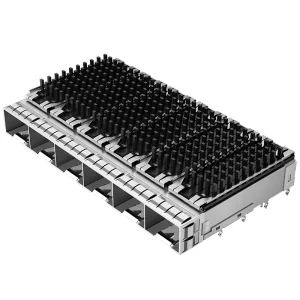
Our testing labs maintain a wide selection of active network hardware from major manufacturers like Cisco, Juniper, and Arista. We test our transceivers, SFP cages, and RJ45 connectors with these systems to verify that physical and electrical interfaces, signal levels, and EEPROM profiles align with OEM standards, ensuring plug-and-play compatibility in mixed-vendor environments.
We provide full customization options for our business partners. This includes adjusting housing dimensions, modifying shield grounding tabs, altering LED colors on magnetic jacks, customizing EEPROM firmware for active transceivers, and creating bespoke packaging and labels. Our engineering team can develop a custom prototype design within 10 days of receiving your technical specifications.
Explore our line of modular connectors, high-speed SFP cages, and optical fiber transceiver modules.