Xelivor
Xelivor
Xelivor
Deploying industry-leading interconnect configurations optimized for low crosstalk, signal integrity, and exceptional mechanical protection in demanding enterprise network architectures.
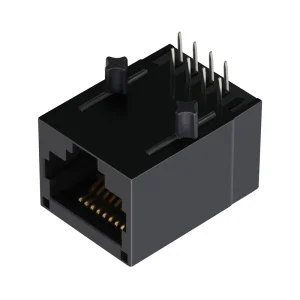
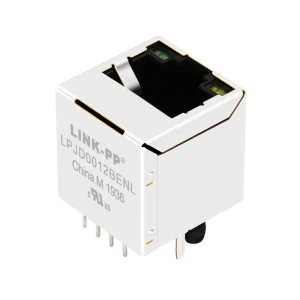
The RJ45 connector housing is far more than a plastic shell; it is the structural backbone that preserves link stability, shielding integrity, and physical connection reliability in Ethernet deployments. High-performance housings are designed to manage electromagnetic interference (EMI), mechanical strain, and thermal dissipation in dense configurations like 1U/2U rack servers, enterprise switches, and industrial gateways.
In manufacturing, engineering an optimized RJ45 connector housing demands precision in material selection and mechanical tolerances. From minimizing Insertion Loss (IL) and Return Loss (RL) to providing customized tab options (Tab-Up or Tab-Down), OEM/ODM factories play a critical role. Choosing between unshielded configurations (UTP) and shielded designs (STP) using nickel-plated copper alloys directly affects the electrical performance under heavy cross-talk conditions.
Housings integrated with multi-point EMI grounding fingers and metal shield wraps divert ambient high-frequency noise, preserving differential signal channels without packet loss.
Using engineering plastics like LCP (Liquid Crystal Polymer) or High-Temperature Nylon (PA9T/PA6T) prevents deformation during high-heat reflow soldering processes.
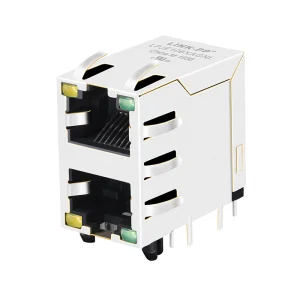
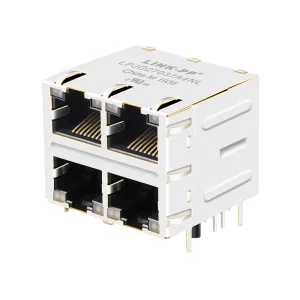
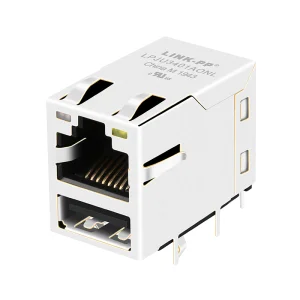
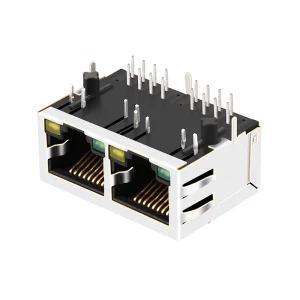
OEM ODM designs frequently incorporate integrated LED light pipes and dual-row combinations (such as 2x1, 2x2, or RJ45 + USB stacking) to optimize PCB real estate.
As networks evolve to Cat8 standards supporting up to 40 Gbps and frequency levels of 2 GHz, connector components face strict engineering limits. Our technical roadmap focuses on addressing these constraints through material science and micro-structural design.
| Performance Class | Bandwidth Limit | Housing Shielding Requirement | Material Integrity Standard | Key Application Environment |
|---|---|---|---|---|
| Cat5e / Cat6 | 100 - 250 MHz | Standard copper-alloy wrap / Unshielded | PBT, UL94-V0 Flammability rated | Enterprise VoIP, IP Cameras, Legacy LANs |
| Cat6A (10G) | 500 MHz | Full 360-degree shield with EMI fingers | Nylon 9T / PA6T reflow-stable polymers | High-Density Switch Stacking & NAS storage |
| Cat8 (25G/40G) | 2000 MHz | Individually shielded pairs & metal partitions | LCP (Liquid Crystal Polymer), High Dielectric strength | Data Center Server-to-Switch Interconnects |
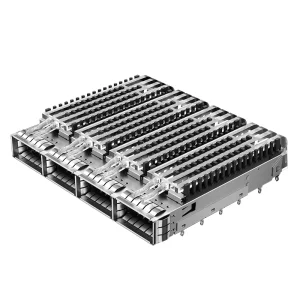
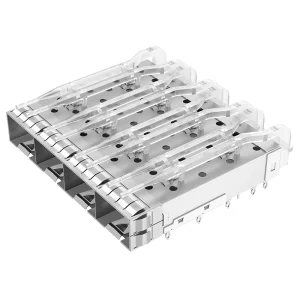
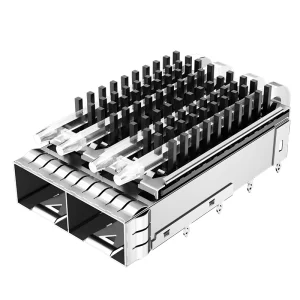
The future of hardware design points toward space optimization. OEMs are moving away from single-port connectors to multi-port stacked setups (e.g., ganged 1x4, 2x8 configurations) containing integrated magnetics (MagJacks). The housing must provide cross-talk partitioning and keep cross-talk levels below -40dB at higher frequencies. Developing housing configurations that incorporate both RJ45 ports and SFP+ cages on a single frame helps address these density requirements.
Different deployment environments present unique physical and electrical challenges. Custom housings protect copper terminations to ensure continuous uptime.
In hyperscale data centers, servers require steady Out-of-Band (OOB) management ports. These need robust RJ45 jacks with low-profile housings, enabling continuous remote server telemetry without blocking chassis airflow paths.
Industrial machinery subject to constant vibration, dust, and temperature swings requires IP67-rated waterproof housings. These utilize overmolded plastic structures and bayonet locking mechanisms to maintain connection stability.
Outdoor small cells and 5G base stations rely on PoE++ (Power over Ethernet up to 90W/100W). This calls for thermal-resistant housings capable of handling current-carrying temperature rises without losing structural alignment.
Established in 2016, Xelivor Optoelectronics Co., Ltd. is a specialized manufacturer of optical transceivers, fiber connectivity systems, and high-performance connector housings. Operating from a modern facility engineered to meet high-level industry specifications, Xelivor has become a reliable supplier for global data centers, enterprise networks, and telecom operators.
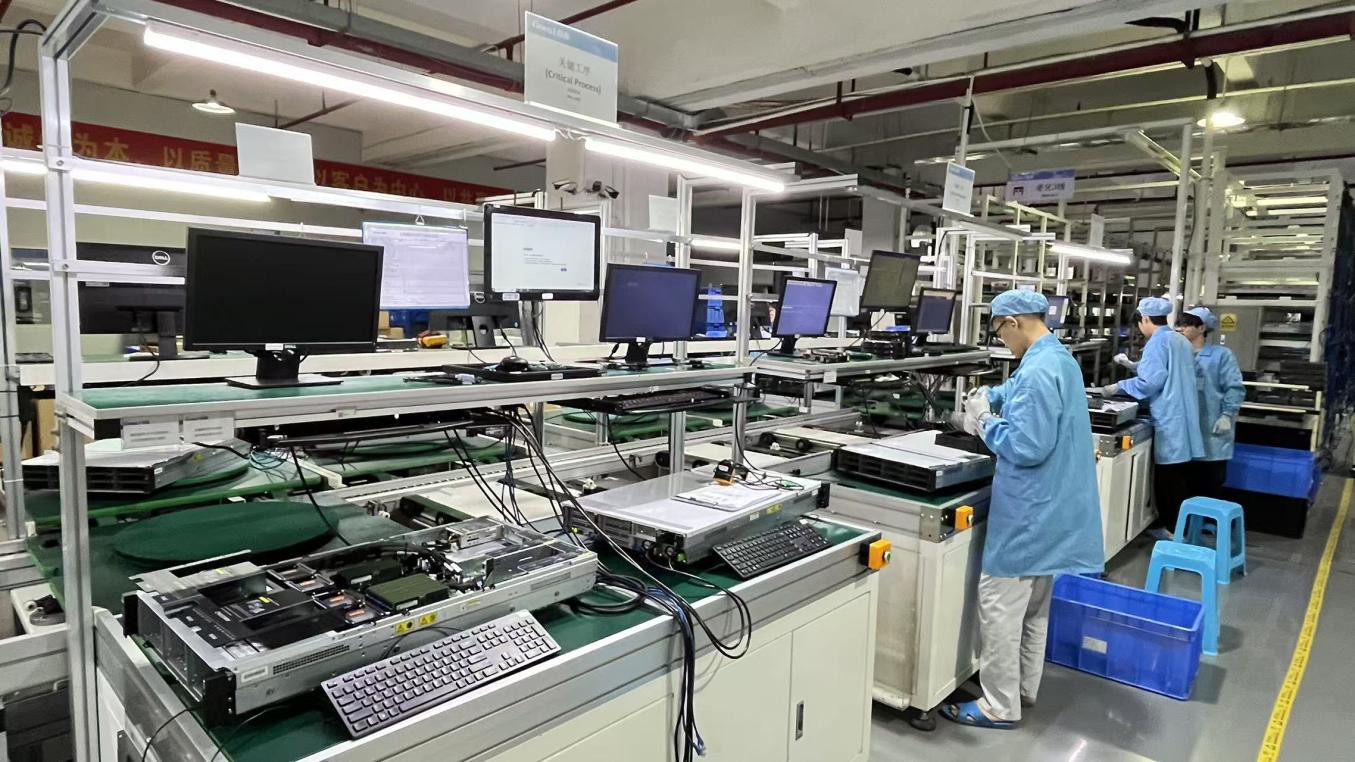
With a focus on engineering precision, our quality management system monitors every phase of production. We conduct strict incoming material inspection, in-process quality control, thermal aging tests, mechanical mating cycles testing, compatibility verification, and final optical/electrical parameter testing. Supported by a dedicated quality assurance team of 32 inspectors, every shipment complies with global networking norms. Our production workflows allow us to provide flexible OEM/ODM, private label, custom firmware, and custom packaging services.
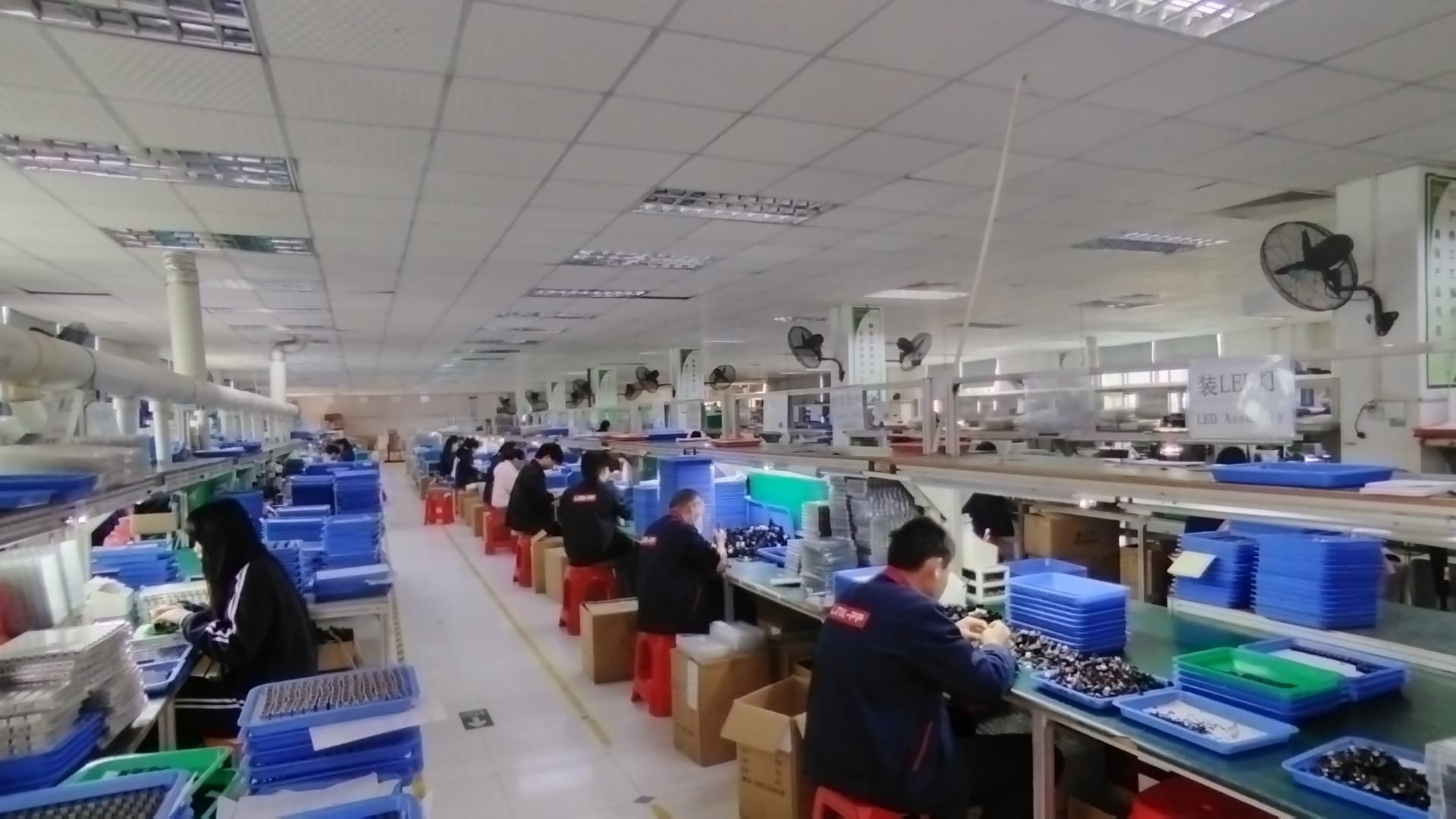
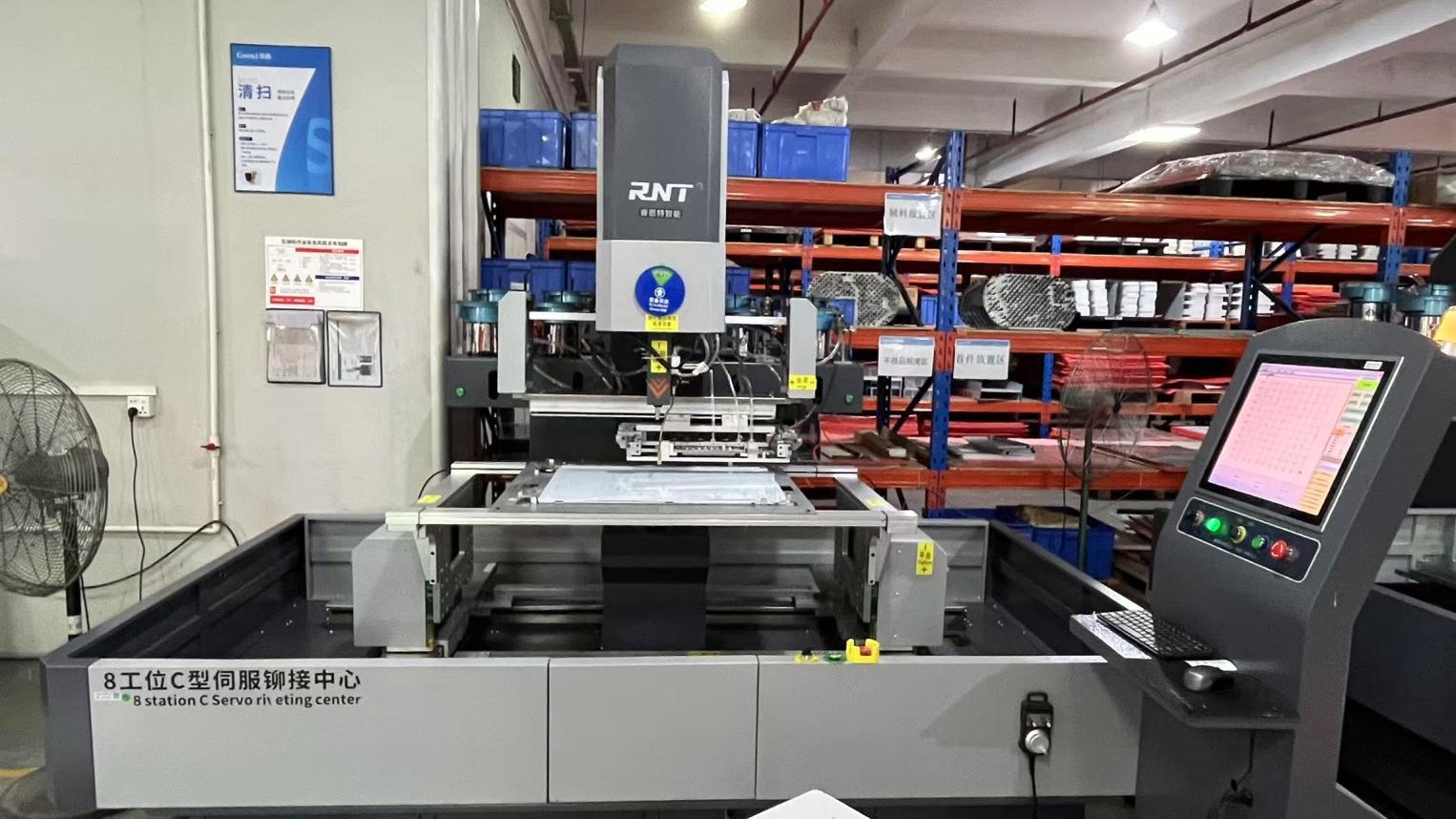
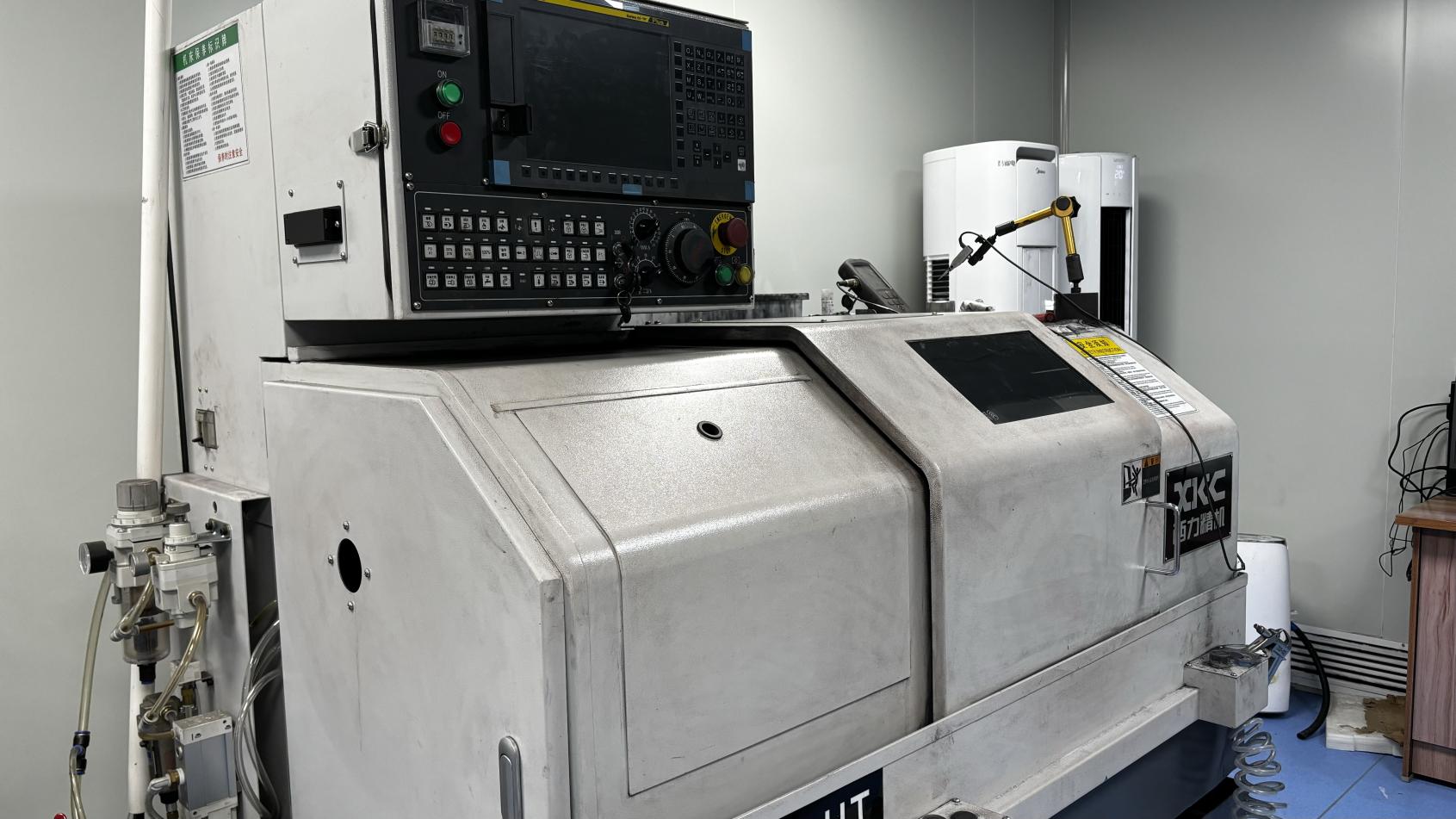
High-precision injection tooling forms the foundation of a reliable RJ45 housing. A variance of even 0.02mm can lead to loose latching, poor electrical contact, or loss of shielding continuity. Our manufacturing facility leverages automated precision tooling, maintaining strict control over production tolerances.
Automated terminal insertion lines assemble contacts and shield wraps, reducing human assembly errors and maintaining stable mechanical yields.
Precision 3D AOI vision inspection systems check contact flatness, alignment, and housing dimensions in real-time, isolating defects early.
By partnering with domestic and global chemical polymer suppliers, we secure a stable supply of LCP and Nylon resins to keep lead times predictable.
When sourcing RJ45 connector housings from Chinese factories, procurement teams should evaluate specific technical benchmarks to ensure compatibility with Western and international system architectures:
Always specify UL94-V0 rated flame retardants. Standard V1 or V2 plastics do not meet strict building safety requirements.
Specify 50 micro-inches (50u") gold plating over nickel on mating terminals to prevent oxide build-up and maintain low resistance over time.
Products must be fully certified under RoHS 3.0 and REACH, ensuring they are free of restricted hazardous substances.
Request test data validating compatibility with wave soldering (260°C peak temperature) or SMT reflow profiles to prevent housing warping.
Here are detailed answers to common engineering and sourcing questions regarding RJ45 connectors and housing options.
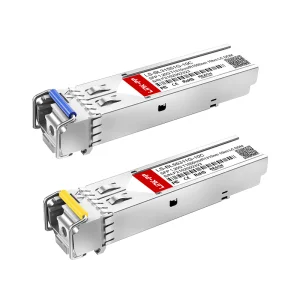
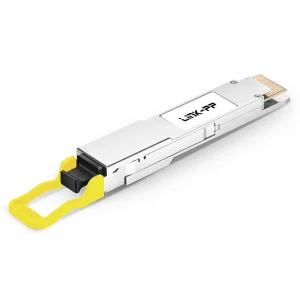
Explore our range of optical transceivers and shielded cage assemblies designed for high-density network systems.