Xelivor
Xelivor
Xelivor
Engineered for high signal integrity, optimal EM shielding, and seamless integration in network environments.
In the era of hyper-scale cloud computing, edge computing deployments, and high-performance smart manufacturing, the global corporate demand for robust network interfaces has shifted significantly. Standard network components are no longer sufficient; the demand is for customized, ruggedized, and highly efficient solutions. System integrators and telecom enterprises require specialized Low Profile RJ45 Connectors and high-speed copper SFP transceivers to mitigate structural space constraints and signal integrity bottlenecks.
The ongoing convergence of Information Technology (IT) and Operational Technology (OT) demands multi-rate copper and optical interfaces that maintain continuous up-time. Modern edge gateways and industrial automation systems frequently deploy 1000Base-T Integrated Magnetics Modules to maintain noise-immune link reliability over long cables. Xelivor's products bridge the gap between traditional copper networks and next-generation architecture.
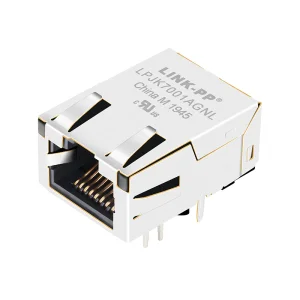
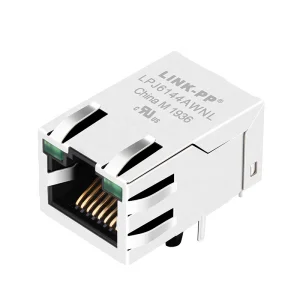
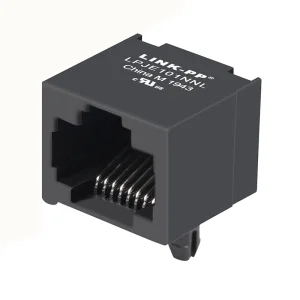
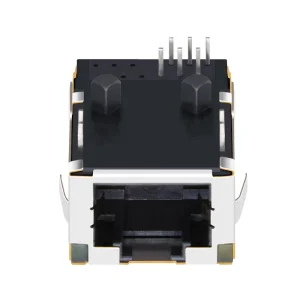
Requires space-optimized connectors, such as low-profile tab-up RJ45 modules with integrated magnetics, ensuring maximum electromagnetic isolation in high-noise environments.
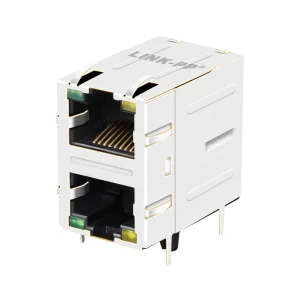
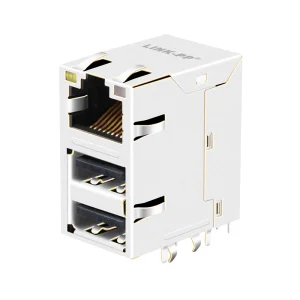
Utilizes multi-port vertical and stacked RJ45 connectors with built-in LEDs and SFP+ optical transceivers for dense structural integration.
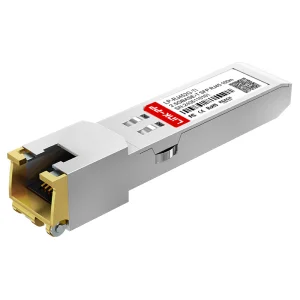
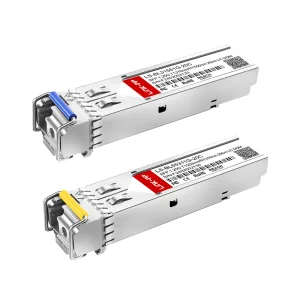
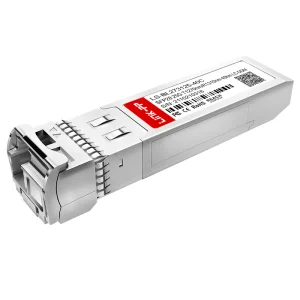
Demands cost-efficient Multi-Gigabit copper modules (e.g., 2.5G/5G/10G BASE-T SFP) and high-speed Bidi optical transceivers for uplink operations.
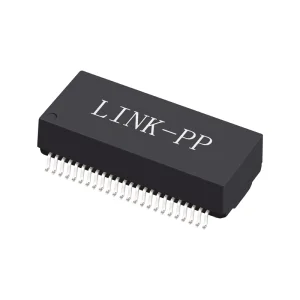
The engineering of RJ45 Network Interface components has evolved from simple mechanical interfaces into complex, active electronic systems. High-frequency signaling demands precise PCB routing, minimal crosstalk, and excellent return loss. To achieve this, integrated magnetic modules (commonly known as Magjacks) incorporate isolation transformers, common-mode chokes, and Bob Smith termination circuits directly inside the connector housing.
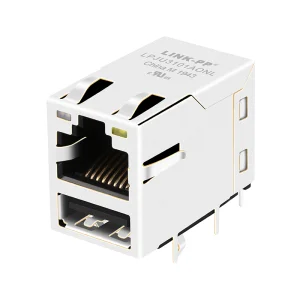
Without integrated magnetics, Ethernet signals are highly susceptible to electromagnetic interference (EMI) from adjacent power supplies, high-speed buses, and external noise. The integration of high-performance ferrite cores and internal shielding shields the physical layer (PHY) chip. Products like the L829-1X1T-91 Low Profile RJ45 Jack incorporate precise mechanical shielding panels to prevent electrical noise coupling and ensure compliance with global FCC Part 15 and EN 55022 EMC standards.
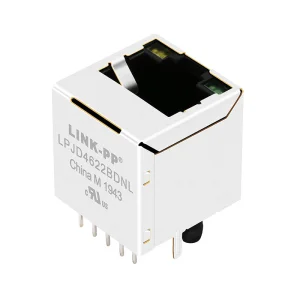
As speeds progress from 10/100 Base-T to Gigabit Ethernet and up to 10G Base-T, the challenges of insertion loss, return loss, and near-end crosstalk (NEXT) grow exponentially. The physical pins of a modern vertical RJ45 connector, such as the JXD2-0015NL with LEDs, must be geometrically arranged to minimize capacitive and inductive coupling, maintaining signal integrity over standard Cat5e and Cat6 cabling.
A trusted global manufacturing partner of optical transceivers and high-performance copper interconnects.
Established in 2016, Xelivor operates a modern manufacturing facility covering 386 m², dedicated to the design, prototyping, and volume production of active fiber transceivers (SFP, SFP+, SFP28, QSFP28, QSFP-DD, OSFP) and structural copper connectivity solutions. Our flexible manufacturing capabilities support customized firmware, private labeling, and diverse OEM/ODM requirements for telecommunications operators, cloud service providers, and global system integrators.


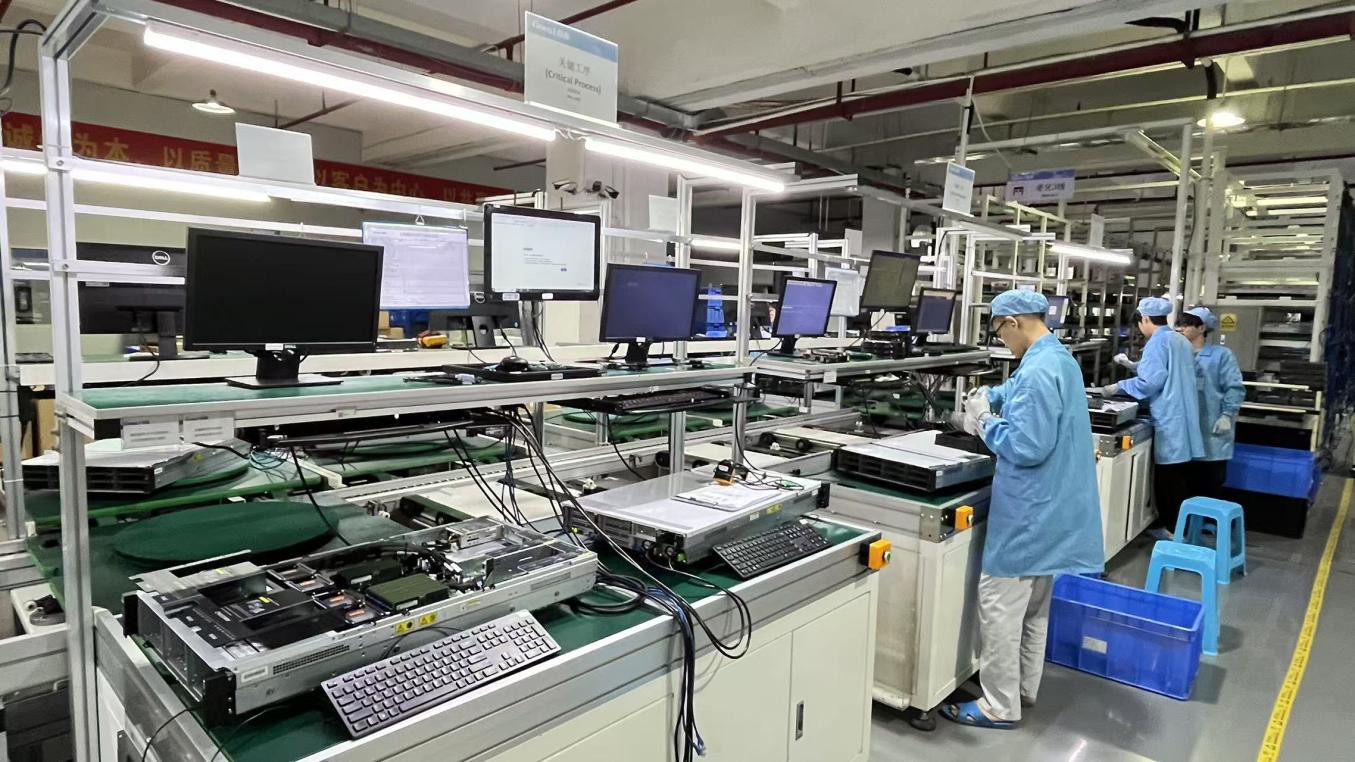
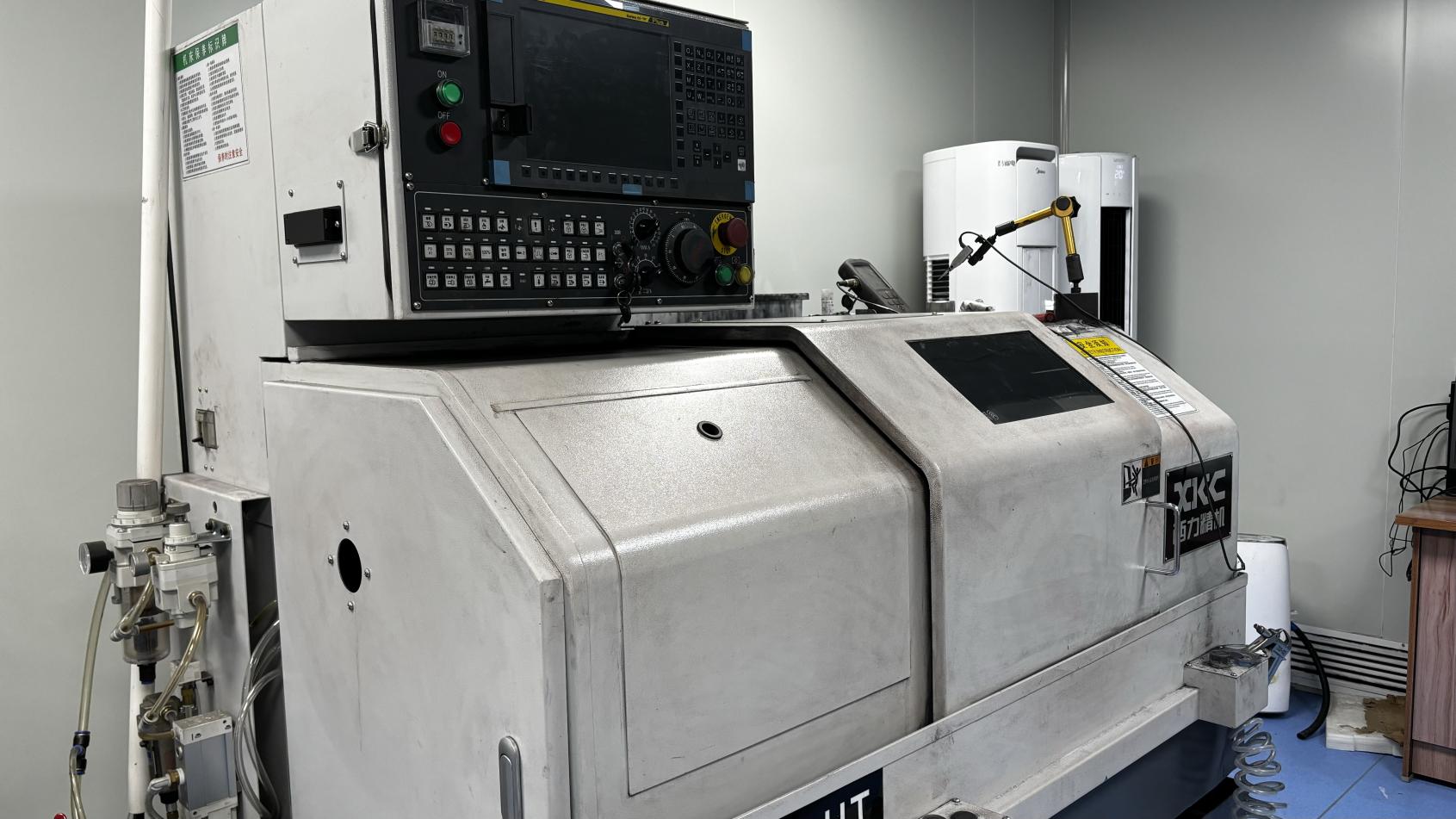
Delivering networking hardware to global enterprises requires strict compliance with international standards. Xelivor enforces a quality assurance program that covers incoming material verification, high-temperature dynamic burn-in testing, and compatibility validation across major networking switches.
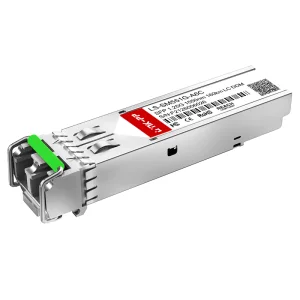
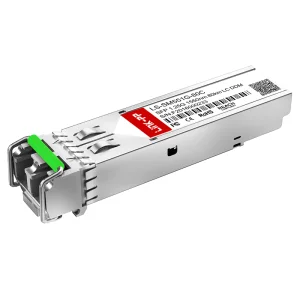
Every active transceiver and passive magnetic connector is subjected to functional, optical, and electronic verification. For active components like the 25G SFP28 BiDi Transceiver or the 1G Bidi SFP, our engineers test optical parameters such as eye diagrams, bit error rates (BER), and receiver sensitivity.
For passive and magnetic components, like the RM3-138A9V1F Multi-Port RJ45 Connector, electrical tests measure Hi-pot isolation, turn ratio accuracy, and common-mode rejection. We source all raw materials in compliance with RoHS and REACH standards to meet European and North American environmental directives.
Explore our highly integrated RJ45 connectors, SFP cages, and optical transceivers for data processing applications.
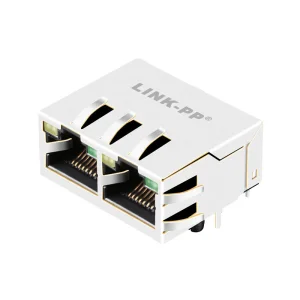
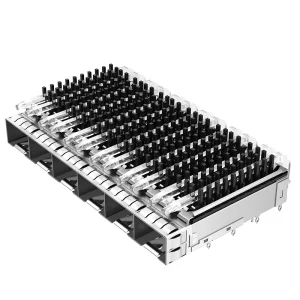
A reference for network architects, hardware design engineers, and purchasing professionals.