 Xelivor
Xelivor
Xelivor
Explore our premium grade transceiver modules, shielded cages, and high-reliability interconnect components designed for high-density networking applications.
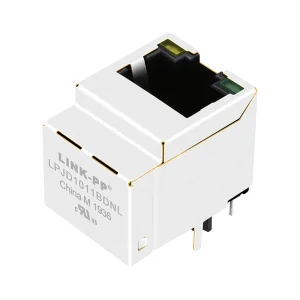
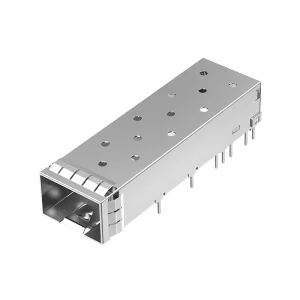
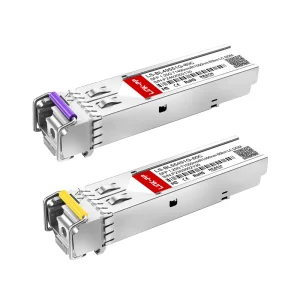
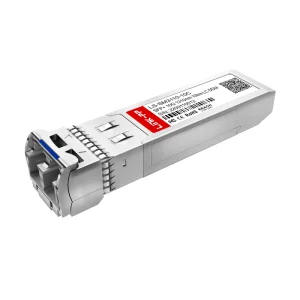
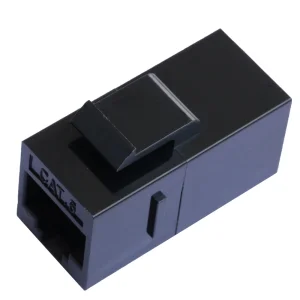
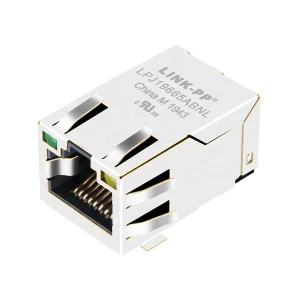
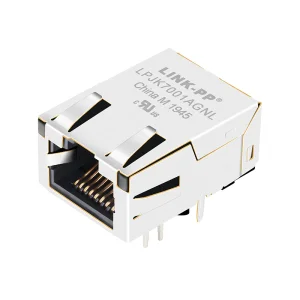
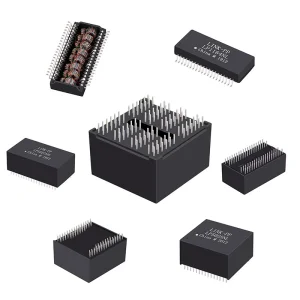
Xelivor Optoelectronics Co., Ltd. is a professional manufacturer of optical transceivers and fiber connectivity solutions, dedicated to serving global data center, telecom, enterprise network, and cloud computing industries. Established in 2016, the company operates from a modern manufacturing facility covering 386 m² and has built a strong reputation for delivering reliable, high-performance optical communication products worldwide.
With over 8 years of industry experience and 6 years of export experience, Xelivor has achieved annual export revenues exceeding USD 12 million. Our products are exported to customers across North America, Europe, Southeast Asia, the Middle East, and South America, supporting a wide range of networking applications from enterprise infrastructure to hyperscale data centers.
Xelivor specializes in the design, development, and production of optical transceivers, including SFP, SFP+, SFP28, QSFP28, QSFP-DD, OSFP, DAC, and AOC solutions. Backed by a dedicated R&D team of 68 engineers, the company continuously invests in innovation and launched more than 85 new products in the past year to meet the evolving demands of high-speed optical networks.

Exploring the evolution of optoelectronic interfaces and emerging physics behind high-speed optical interconnects.
Integrating lasers directly onto silicon chips reduces power consumption and increases spectral efficiency. Silicon photonics (SiPh) changes transceiver design by replacing discrete components with on-chip waveguide networks, enhancing transceiver durability and lowering thermal dissipation.
As transmission rates push past 800G toward 1.6T, Co-Packaged Optics (CPO) relocates the optical engine next to the host ASIC. This approach shortens trace lengths, reduces insertion loss, and manages power demands in hyperscale cloud architectures.
Coherent optical modules are moving from long-haul backbones to metro and edge environments. Leveraging advanced DSPs, coherent networks support multi-wavelength transmission over single fibers, increasing existing infrastructure capacity without new fiber laying.
The roadmap for transceiver form factors reflects the balance between density, thermal dissipation, and signal loss. The transition from legacy SFP and SFP+ modules to SFP28, QSFP28, and QSFP-DD footprints represents a significant increase in spatial data density. For industrial settings, these advances require advanced thermal management, such as phase-change interface materials and upgraded heat sinks, to keep internal components within safe operating temperatures.
Enabling robust optical communication across challenging industrial applications.
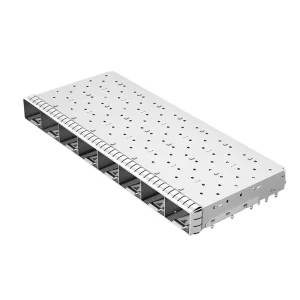
High-voltage substations present strong electromagnetic interference (EMI) and electrostatic discharge (ESD) challenges. Xelivor's range of transceivers and shielded metal cage systems (such as the TE Compatible 2007194-2) offer reliable shielding to maintain signal integrity.
In accordance with IEC 61850 standards, network switches and optical links must operate without interruption under transient voltage spikes. Industrial-grade single-mode transceivers supply the optical budget needed to connect substations over long distances, ensuring real-time telemetry and protection control.
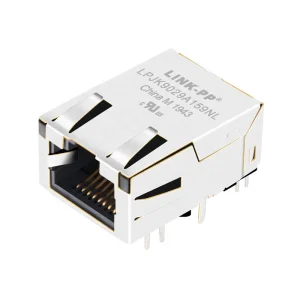
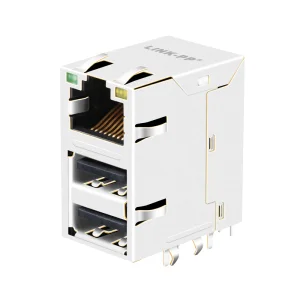
Modern production facilities run on real-time Ethernet protocols like EtherCAT and PROFINET. These systems depend on low-latency connections to keep automated arms and sensors synchronized. By implementing vertical PoE jacks (such as the HFJV1-2450 series) and low-profile RJ45 magnetic modules, machinery can receive both power and data through a single, clean connection, simplifying cabling on the factory floor.
Petrochemical plants require networks that are both reliable and safe to operate in hazardous zones. Optical transceivers isolate electrical currents, removing the spark hazards associated with copper wire cabling. Xelivor's optical modules are built to operate across a broad temperature range (-40°C to +85°C), enabling steady data links from remote wellheads to centralized control rooms.
Roadside cabinets and rail control hubs experience wide temperature variations and mechanical vibration. Standard commercial transceivers may fail early under these conditions due to solder joint fatigue or laser wavelength drift. Industrial-grade optical modules feature reinforced physical designs and temperature compensation algorithms to maintain link stability under vibration and thermal stress.
How Xelivor blends precision manufacturing with a broad partner network to deliver production efficiency.
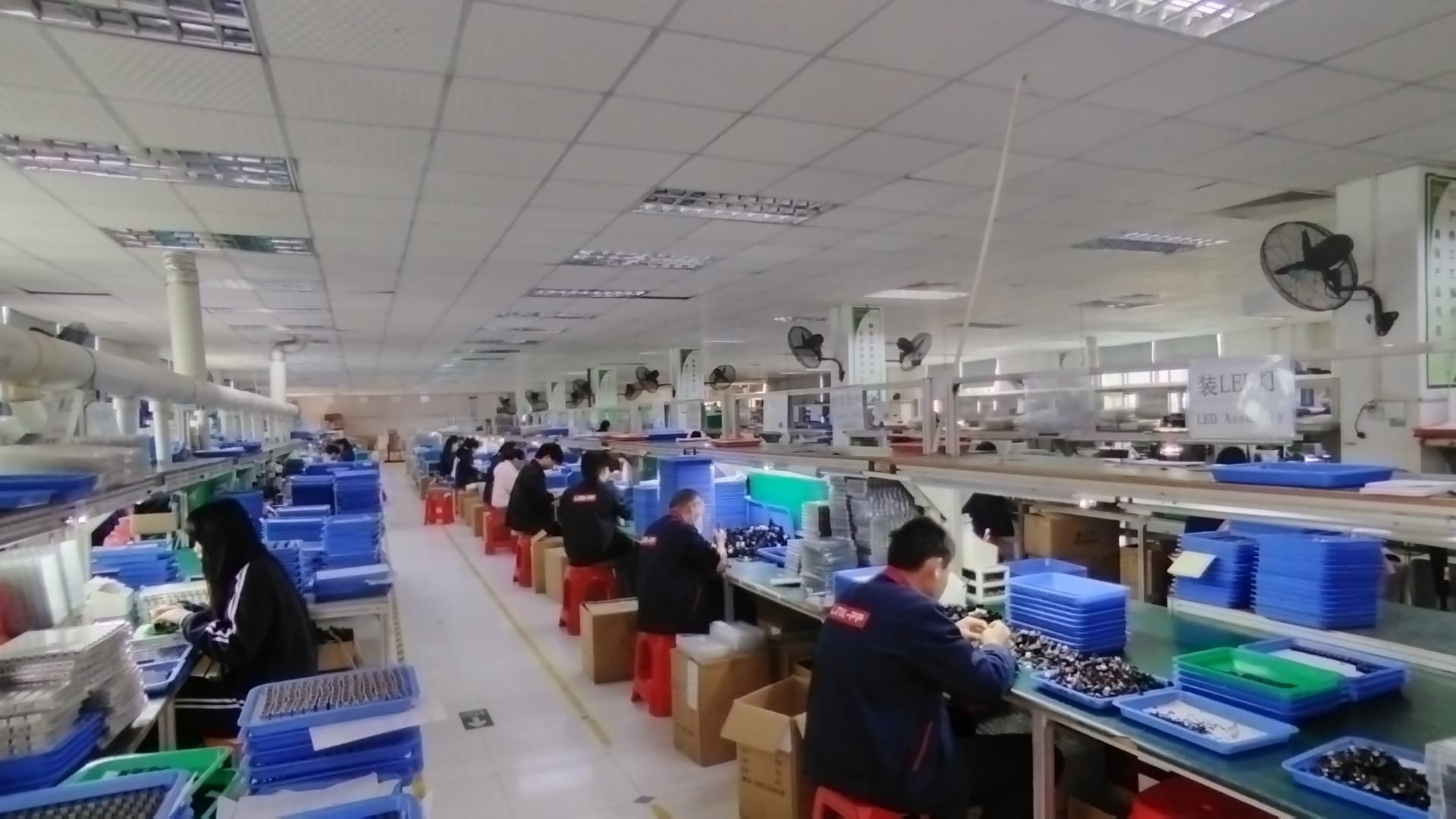
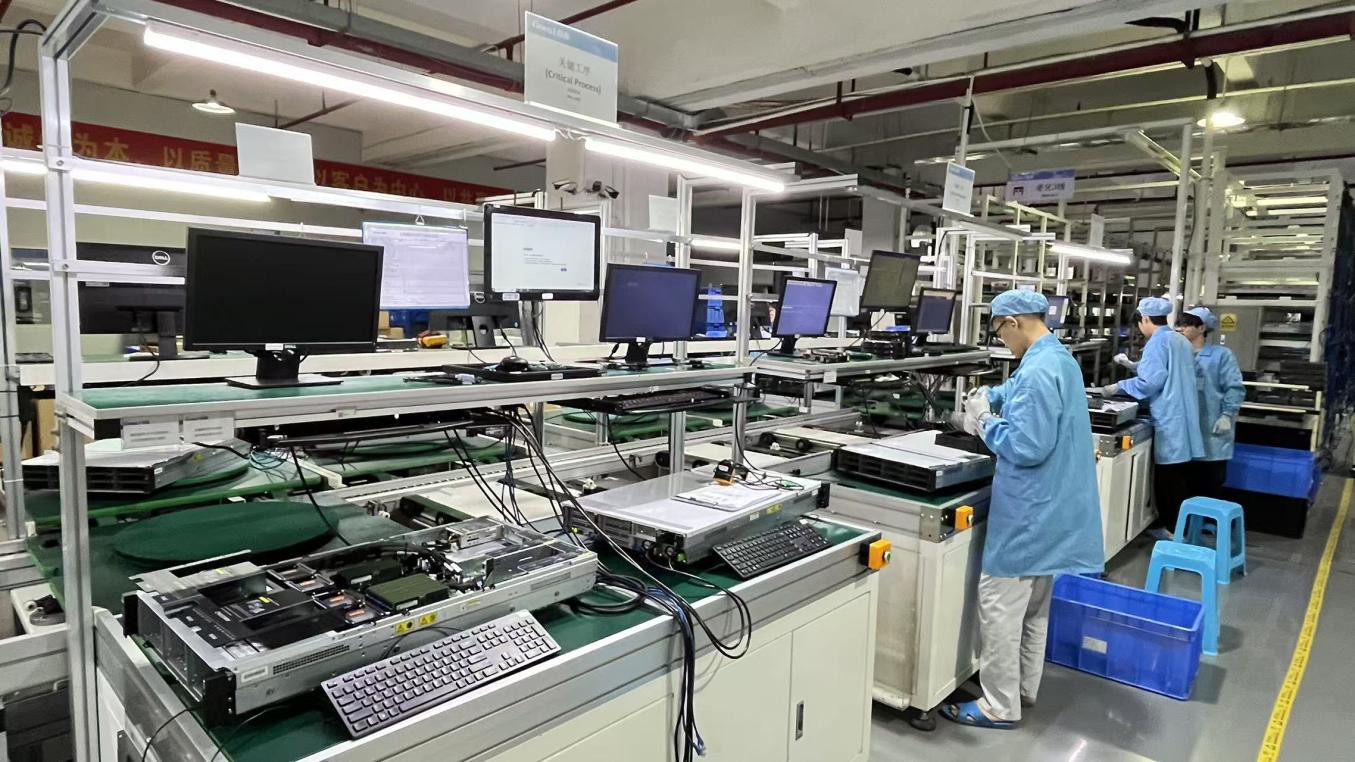
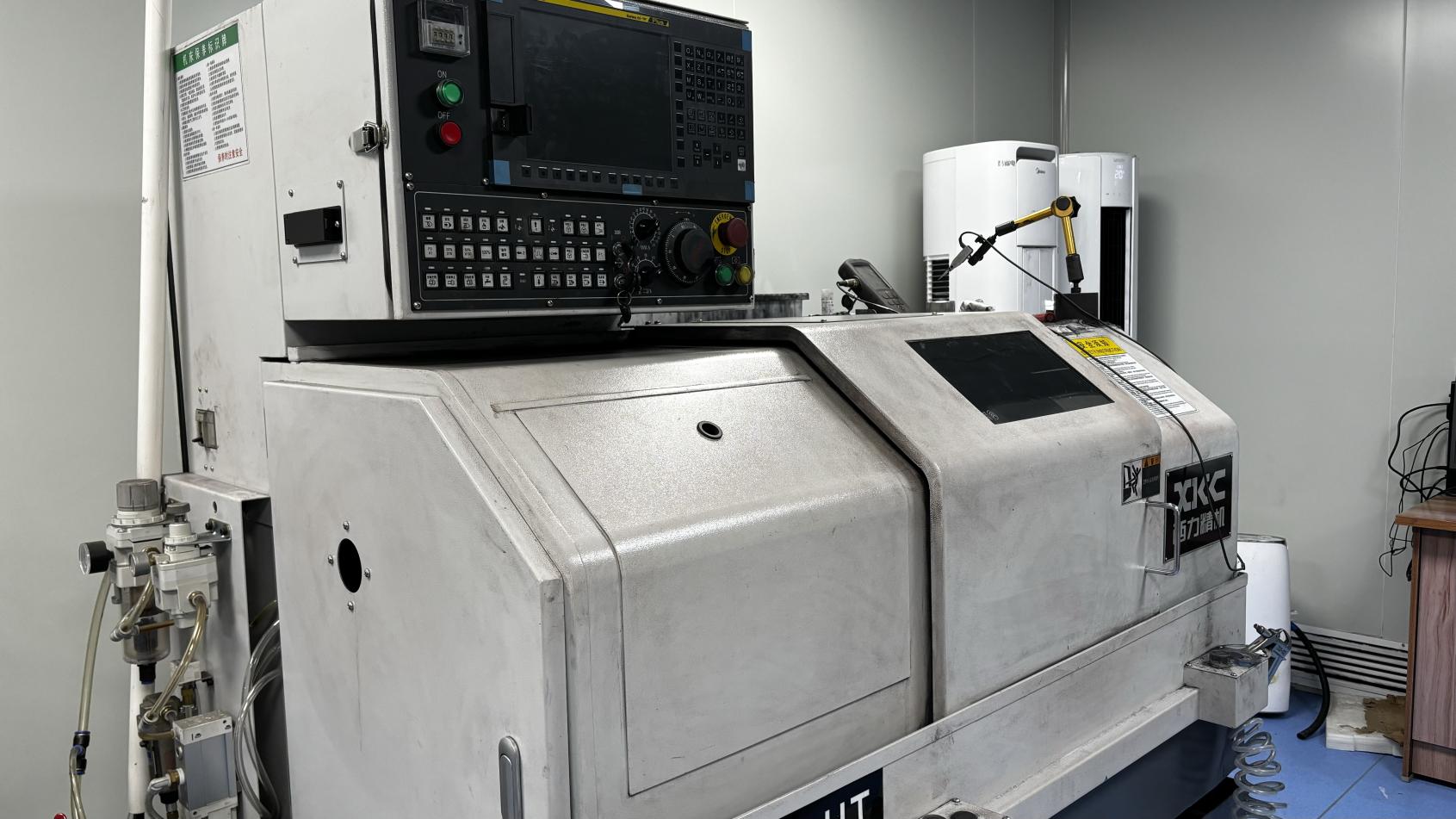
Sourcing from a leading exporter like Xelivor Optoelectronics Co., Ltd. offers benefits beyond cost. It provides access to a complete industrial ecosystem. Our modern 386 m² cleanroom and testing facility uses advanced alignment and optical verification systems to achieve high production yields.
Maintaining close partnerships with over 850 suppliers allows us to source optical sub-assemblies (TOSA/ROSA), laser diodes, and semiconductor chips reliably, mitigating global supply chain disruptions.
Our manufacturing setup supports both high-volume runs and custom configurations. This flexibility allows us to quickly adjust to changing product requirements, packaging needs, or specialized firmware loads.
Under the supervision of our 32 QA inspectors, every optical module undergoes incoming component checks, real-time board testing, thermal chambers aging, and compatibility verification on target switch hardware.
Assessing total cost of ownership, multi-vendor compatibility, and customized product options.
| Procurement Parameter | Commercial-Grade Transceiver | Industrial-Grade Transceiver | Xelivor Specification & Margin |
|---|---|---|---|
| Operating Temperature | 0°C to +70°C | -40°C to +85°C | Guaranteed -40°C to +85°C with built-in thermal margins |
| Laser Stabilization | Uncooled VCSEL / DFB | Temperature-Compensated DFB / EML | Customized bias current control with automatic power monitoring |
| MTBF (Mean Time Between Failures) | < 1,000,000 hours | > 5,000,000 hours | Strict incoming inspections to ensure component longevity |
| DDM / DOM Support | Optional / Basic | Mandatory (Real-time monitoring) | Full real-time parameter tracking via I2C interface |
| Housing Design | Standard zinc die-cast | Enhanced EMI shielding | Compatible with TE 2007194-2 and ganged cage options |
For enterprise purchasing managers, initial transceiver cost is only one factor. Network downtime can quickly exceed the savings of using cheaper components. Investing in quality transceivers reduces long-term maintenance costs. Our OEM/ODM support lets buyers request custom firmware compatibility (e.g., coding for Cisco or HPE Aruba), private labels, and custom packaging, simplifying deployment across mixed-vendor environments.
Navigating global regulatory compliance, environmental standards, and technical support requirements.
Operating in global markets like North America, Europe, Southeast Asia, and South America requires strict compliance with international standards. Xelivor’s manufacturing and design processes meet MSA (Multi-Source Agreement) requirements, ensuring mechanical and electrical compatibility across various switch brands.
On the environmental front, our production lines comply with RoHS (Restriction of Hazardous Substances) and REACH directives, minimizing hazardous materials in our electronics. This compliance is essential for operators in Europe and North America who prioritize sustainability.
Our quality system covers incoming materials, assembly, high-temperature aging, and optical testing. Our 32 QA inspectors verify that every transceiver complies with FCC Part 15 Class B and CE EMI limits. In addition, all transceivers meet Class 1 Laser Safety standards, protecting installation and maintenance crews.
To support global deployments, Xelivor offers custom labels, serialized tracking, and localized technical support. This helps system integrators troubleshoot firmware or compatibility issues quickly, preventing project delays.
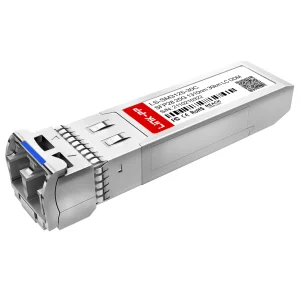
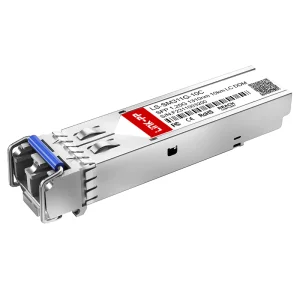
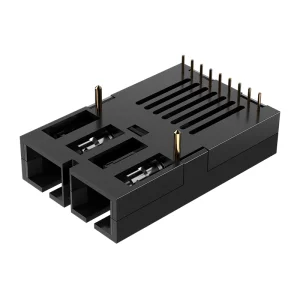
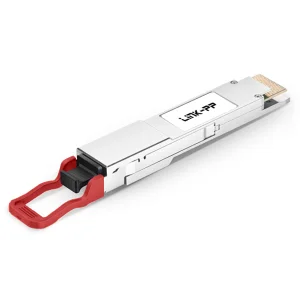
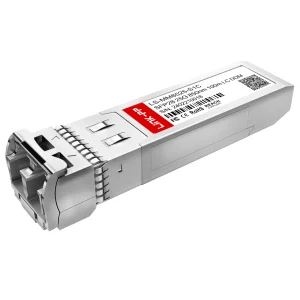
Browse our advanced optical modules, media converters, and multi-port cage assemblies engineered for enterprise infrastructure.
Crucial engineering insights and purchasing considerations for global network builders.