Xelivor
Xelivor
Xelivor
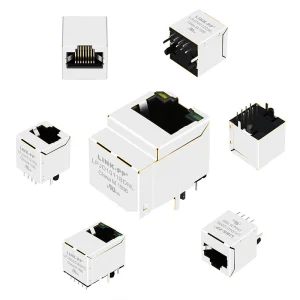
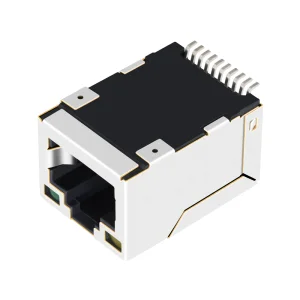
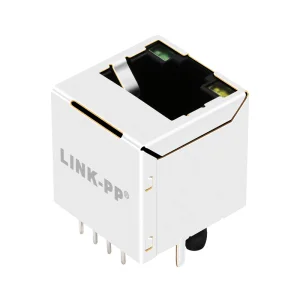
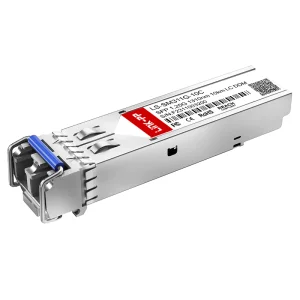
Premium copper modules, active transceivers, and EMI shielding solutions optimized for modern network switches and physical interfaces.
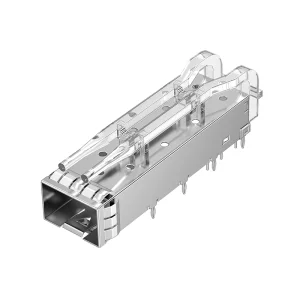
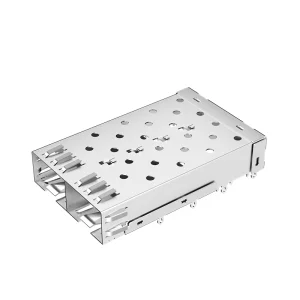
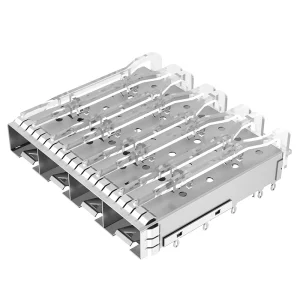
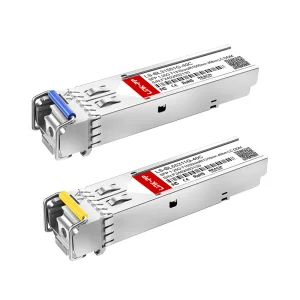
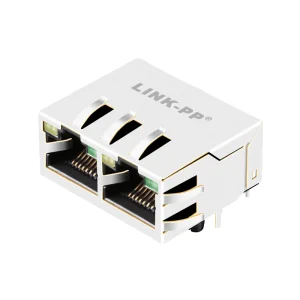
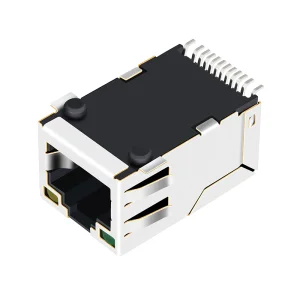
Within physical-layer data transmission networks, the RJ45 modular connector remains a critical baseline technology. Despite widespread transitions to fiber optics for long-haul routes, copper-based modular interfaces dominate the LAN edge, industrial machinery networks, and power delivery architectures. As global data demands expand, standard modular structures are evolving to handle speeds up to 10Gbps (via Category 6A) and even 40Gbps (via Category 8 in short runs) while simultaneously carrying power loads through Power over Ethernet (PoE) protocols.
Modern electrical interconnect systems demand high levels of physical precision and advanced electromagnetic shielding. High-frequency signals are highly susceptible to Near-End Crosstalk (NEXT), Far-End Crosstalk (FEXT), and electromagnetic interference (EMI) from surrounding factory machinery. Top-tier production facilities in China mitigate these signals by integrating advanced magnetic line isolation systems directly into modular jacks. Integrating internal magnetic cores, shielding cages, and gold-plated alloy contacts forms the technical baseline for stable, high-performance gigabit physical links.
As networks face increasingly dense deployments, standard off-the-shelf connectors frequently fail to meet specialized industry demands. Modern application environments require tailor-made solutions:
Minimum specifications required for enterprise-grade RJ45 connector deployments:
Typically 50 micro-inches (µ") gold plating over nickel to prevent oxidation and ensure stable contacts over 750+ mating cycles.
Compliance with IEEE 802.3at/bt protocols, maintaining thermal limits even at maximum current levels (up to 1A per pair).
Internal dielectric strength ratings of at least 1500V AC RMS to prevent system damage from line transients.
Understanding supply logistics, component sourcing, and technical customization strategies in China's advanced industrial hubs.
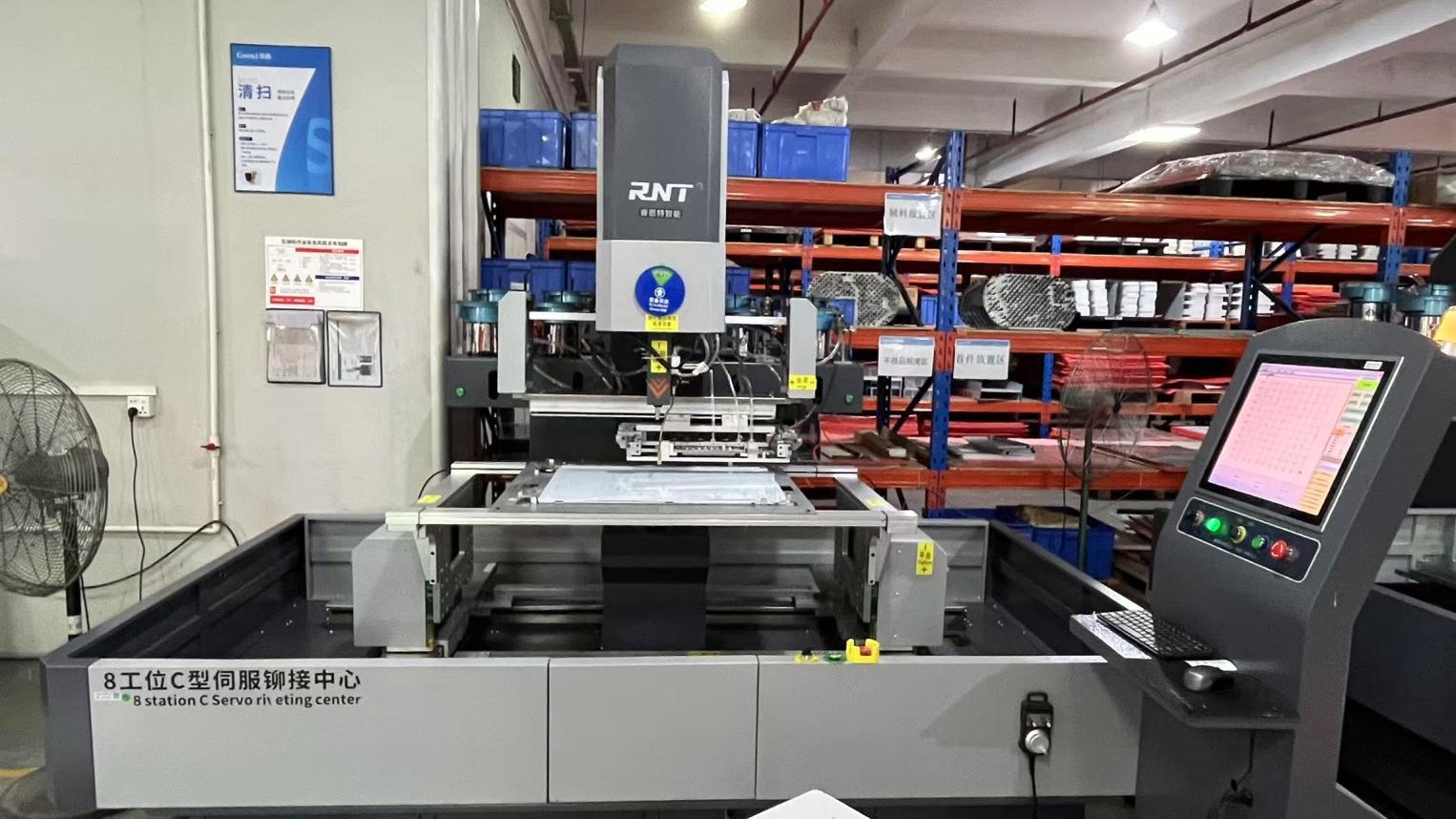
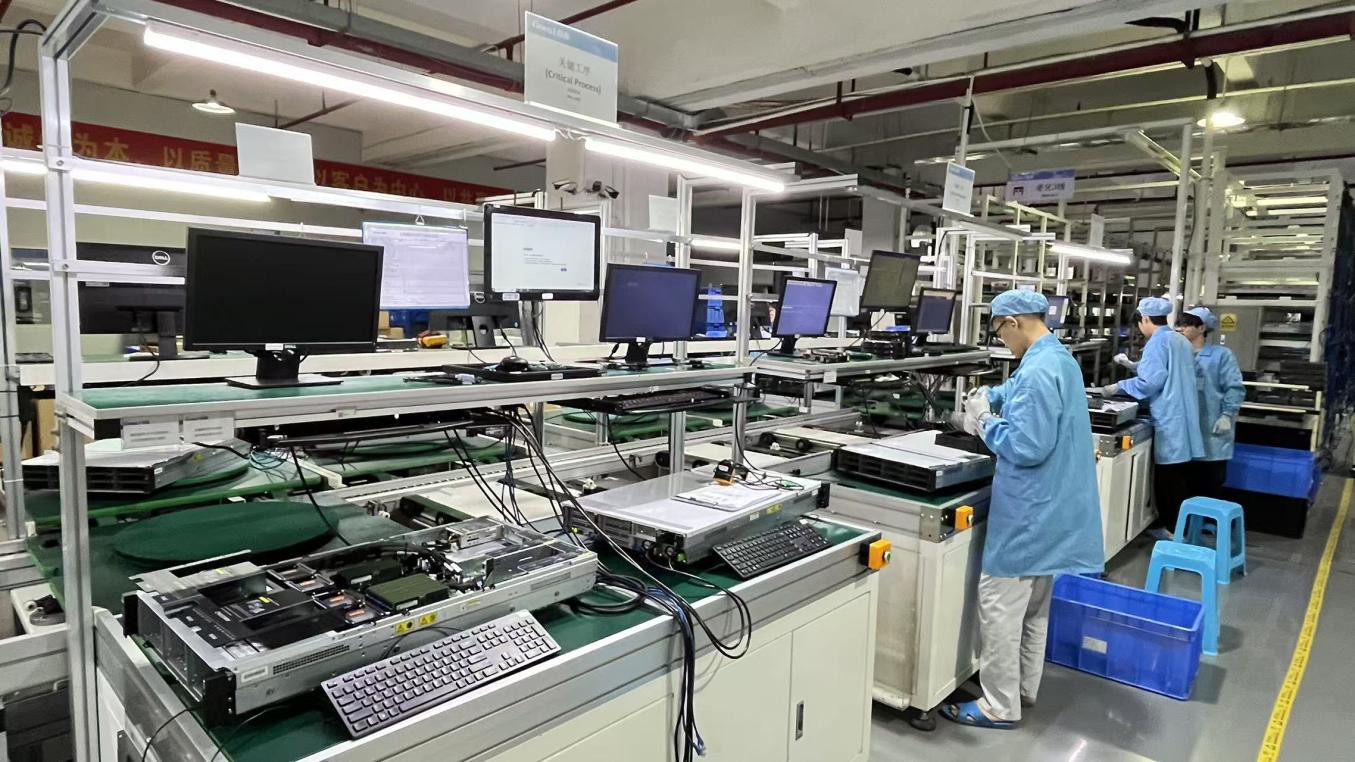
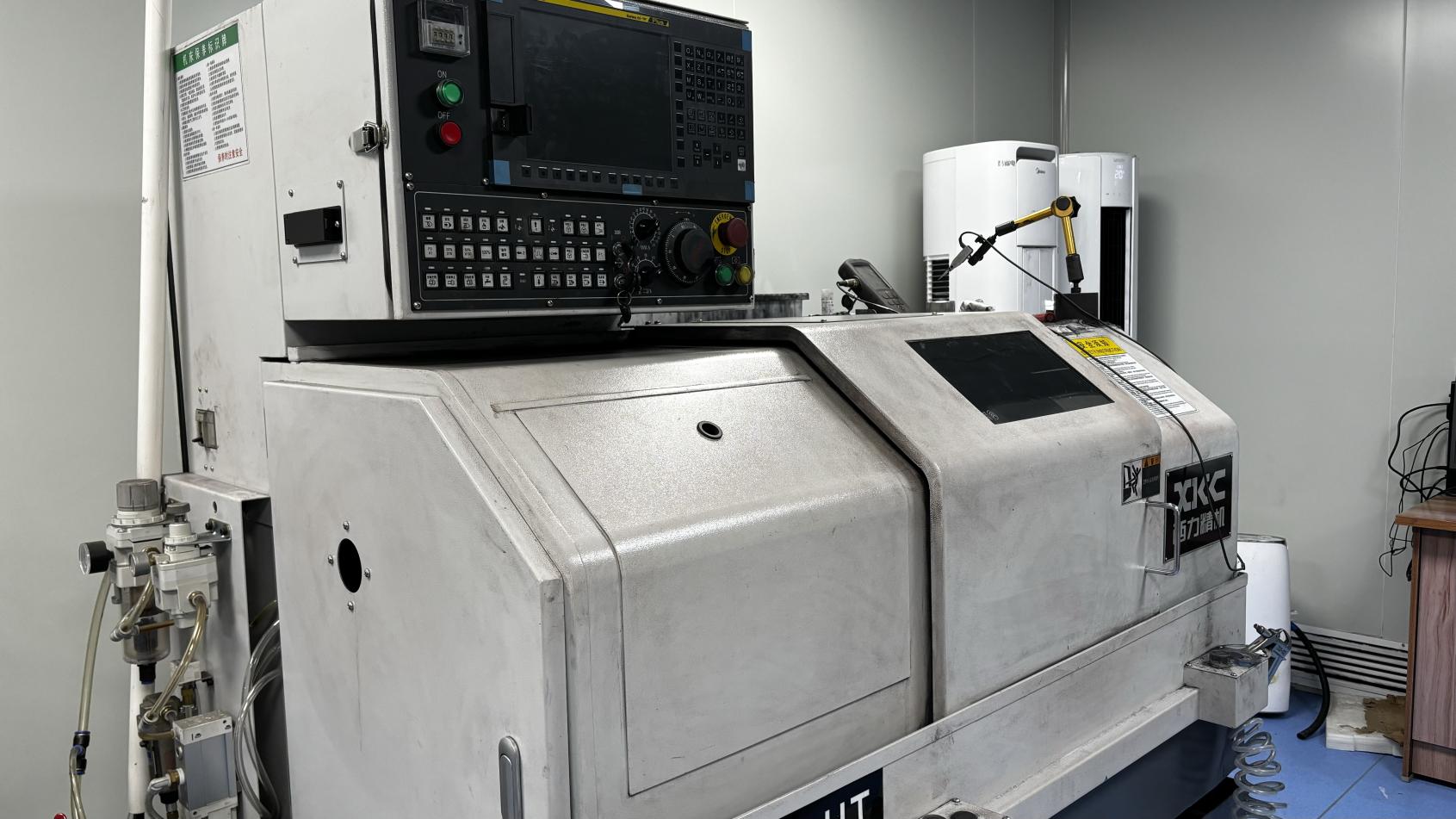
Manufacturing high-end RJ45 and SFP cage components requires access to specialized industrial ecosystems. China's electronic manufacturing hubs bring together key resources like high-speed stamping presses, advanced plastic injection molding systems, and automated testing lines. This concentrated supply chain allows for rapid production scaling and helps maintain strict control over tight mechanical tolerances.
By maintaining long-term partnerships with hundreds of materials suppliers, top-tier factories secure high-quality raw phosphor-bronze, high-temp LCP resins, and nickel under-plating at scale. This integration keeps raw material sourcing costs stable and predictable, shielding global customers from sudden price shifts or supply interruptions.
Modern IT systems often require tailored electrical footprints. Leading manufacturers provide comprehensive OEM/ODM services, including customized PCB layouts, adjustable LED indicator colors, built-in resistor values, and custom transceiver firmware. This flexibility helps network engineers seamlessly integrate new components into legacy switch architectures.
To successfully integrate modular connectors like RJ45s or optical transceivers into high-density routing hardware, engineers must carefully evaluate the physical layer parameters. System performance relies on keeping Insertion Loss and Return Loss within strict limits across all operating frequencies. The table below outlines the core electrical characteristics that top China RJ45 and optical transceiver manufacturers target to ensure reliable operation:
| Product Category | Key Parameters | Standards Alignment | Optimal Performance Threshold |
|---|---|---|---|
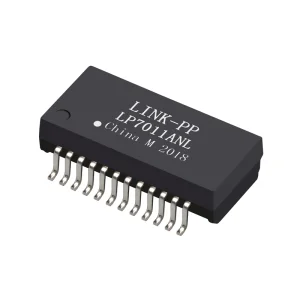
| Magnetic RJ45 Jacks | Turns Ratio, Inductance (OCL), Cross Talk | IEEE 802.3 (10G Base-T, PoE++) | 350uH Min Inductance @ 8mA Bias, -1dB Max Insertion Loss |
| SFP+ / QSFP Cages | EMI Fingers, Press-Fit Insertion Force | SFF-8432, SFF-8431 Standards | Low ground impedance, multi-port pitch compatibility |
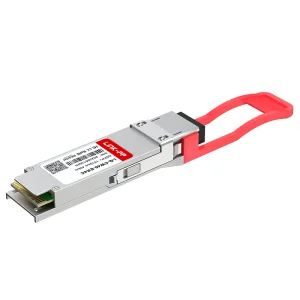
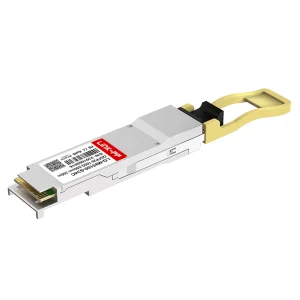
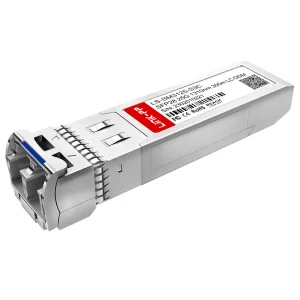
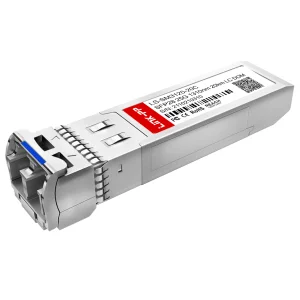
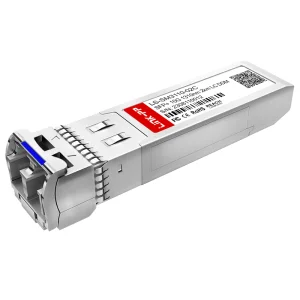
| Optical Transceivers | Tx/Rx Power, Center Wavelength, DDM | MSA Multi-Source Agreement Compliant | Strict compliance with Cisco/TE/Huawei routing systems |
For high-frequency systems, mechanical dimensions require extreme accuracy. For example, press-fit SFP cages must maintain structural alignment within tolerances as small as 0.05 mm. Standard PCB layout footprints also require highly consistent solder pin alignment. Achieving this level of precision requires advanced computerized optical inspection (COI) systems and automated assembly equipment to ensure every batch performs consistently.
How design practices align with specific industrial applications and installation environments.
Outdoor cabinets face wide temperature shifts and humidity risks. Standard connectors are prone to early degradation. To counter this, specialized designs use gold contacts up to 50µ" thick along with water-resistant housings to ensure stable links over long periods.
Heavy machinery creates strong mechanical vibrations and high electromagnetic noise. Industrial designs address this with heavy-duty metal shielding tabs and locking clips. This physical security keeps connections stable and prevents packet loss under stress.
Modern distribution hubs rely on real-time tracking. These systems use integrated magnetic RJ45 connectors to process sensor signals reliably. Fast, low-latency data transmission helps prevent system processing bottlenecks.
Where the industry is moving: Future milestones and evolving standards for modular copper and high-speed fiber transceivers.
To support high-speed data needs, manufacturers are transitioning modular copper designs to Cat8 networks. This shift requires improved shielding structures to minimize cross-pair signal interference at higher operating frequencies.
IoT automation projects are increasingly adopting Single Pair Ethernet. SPE simplifies physical cabling by using a single pair of copper wires for both data and power. This reduces cable volume by up to 60%, making it ideal for tight routing channels.
As transmission speeds reach 800G and beyond, systems are moving toward co-packaged optics. This approach places optical transceivers and silicon chips on the same substrate, minimizing signal path lengths and reducing power consumption.
Establishing physical-layer network reliability through strict quality control, engineering innovation, and robust supply chain integration.
Xelivor Optoelectronics Co., Ltd. is a professional manufacturer of optical transceivers and fiber connectivity solutions, dedicated to serving global data center, telecom, enterprise network, and cloud computing industries. Established in 2016, the company operates from a modern manufacturing facility covering 386 m² and has built a strong reputation for delivering reliable, high-performance optical communication products worldwide.
With over 8 years of industry experience and 6 years of export experience, Xelivor has achieved annual export revenues exceeding USD 12 million. Our products are exported to customers across North America, Europe, Southeast Asia, the Middle East, and South America, supporting a wide range of networking applications from enterprise infrastructure to hyperscale data centers.
Xelivor specializes in the design, development, and production of optical transceivers, including SFP, SFP+, SFP28, QSFP28, QSFP-DD, OSFP, DAC, and AOC solutions. Backed by a dedicated R&D team of 68 engineers, the company continuously invests in innovation and launched more than 85 new products in the past year to meet the evolving demands of high-speed optical networks. Quality is at the core of our operations. Our quality management system incorporates incoming material inspection, in-process quality control, aging tests, compatibility verification, optical parameter testing, and final product inspection. A professional quality assurance team of 32 inspectors ensures every product meets strict international standards before shipment.
The company maintains long-term cooperation with more than 850 supply chain partners, enabling stable sourcing, efficient production, and rapid delivery capabilities. Our flexible manufacturing system supports OEM, ODM, private label, customized firmware, customized labeling, and packaging services to satisfy diverse customer requirements.

Industrial networking installations require strict adherence to international safety and environmental regulations. Top manufacturers ensure their components meet or exceed key industry standards to support smooth global deployment:
Answers to common engineering questions regarding the deployment and maintenance of physical layer networking components.
Premium RJ45 sockets, magnetic jacks, and transceiver interfaces designed for enterprise-level networking hardware.