Xelivor
Xelivor
Xelivor
In the modern era of hyperscale cloud infrastructures, multi-gigabit enterprise environments, and edge computing paradigms, the reliability of physical-layer components determines the uptime of global operations. Xelivor Optoelectronics Co., Ltd. stands at the forefront of this industrial transformation. Established in 2016, we have grown from an elite optical transceiver engineering firm into a premier global manufacturer of advanced fiber connectivity solutions and high-performance copper interconnects, including Cat6 RJ45 connectors.
Operating from a state-of-the-art 386 m² specialized R&D and pilot manufacturing cleanroom facility, we align our production lines with global automation trends. Our strategic expansion into hybrid copper-fiber deployments serves a diverse array of global partners. Xelivor leverages over 8 years of core engineering experience and 6 years of global export proficiency, achieving sustained annual export revenues exceeding USD 12 million.
Our market footprint covers critical economic hubs across North America, the European Union, Southeast Asia, the Middle East, and South America. By maintaining structured supply chains and integrating advanced manufacturing methodologies, we deliver critical connectivity components designed to meet rigorous thermal, mechanical, and electrical tolerances.
Whether supplying telecom-grade optical modules or high-precision Cat6 8P8C plugs, Xelivor guarantees that every component performs consistently under heavy traffic and demanding environments, satisfying the strict requirements of network operators and systems engineers worldwide.
Cat6 RJ45 connectors represent the standard for gigabit-level copper transmission. As networks transition from legacy Fast Ethernet to 10GBASE-T, maintaining signal integrity at higher frequencies becomes critical. Cat6 cabling requires components to operate reliably up to 250 MHz, where signal attenuation and electromagnetic interference increase significantly.
Our proprietary contact layouts inside the 8P8C cavity are designed to reduce Near-End Crosstalk (NEXT) and Far-End Crosstalk (FEXT). By isolating the staggered pin alignment, we minimize capacitive coupling between adjacent pairs.
To prevent oxidation and reduce insertion wear over thousands of cycles, we use a 50-micro-inch nickel-underplated gold layer on our contact prongs, ensuring low contact resistance and long lifecycle reliability.
As Power over Ethernet delivery increases to 90W (IEEE 802.3bt Type 4), connectors must withstand localized heating. Our polycarbonate housings are rated up to UL 94V-0 to resist thermal degradation under high power loads.
| Performance Specification | Cat6 Requirements (TIA-568.2-D) | Xelivor Engineering Target | Primary Industrial Benefit |
|---|---|---|---|
| Operating Frequency | 1 - 250 MHz | Up to 350 MHz (Extended headroom) | Support for 10GBASE-T over shorter runs |
| Contact Resistance | < 20 mΩ | < 10 mΩ (50μ" Gold Plating) | Lower thermal rise under high-wattage PoE++ |
| Insertion Life Cycles | Min 750 matings | > 1200 mating cycles | Improved field durability in patch centers |
| Shielding Effectiveness | 30 dB min (30-250 MHz) | > 45 dB (Nickel-Plated Brass Shell) | Suppression of alien crosstalk (ANEXT) in bundles |
IT buyers and hardware designers need components that simplify deployment and ensure compliance. Our design team focuses on solving common installation challenges, such as wire slippage, shield termination failures, and compatibility with variable insulation diameters.
Our connectors and transceivers undergo extensive physical testing to ensure clean integration with standard hardware ecosystems, including Cisco, Juniper, and Arista. This compatibility minimizes insertion loss and return loss at key interfaces, reducing packet drop rates and improving overall channel capacity.
For electrically noisy industrial sites or dense data center pathways, shielding is critical. Xelivor's Cat6 connectors are available in both unshielded (UTP) and shielded (STP) configurations. The shielded options feature a metal housing that offers 360-degree contact to the cable drain wire, providing a reliable path to ground and protecting high-speed signals from EMI.
Compliance is a priority for global supply chains. Our products carry international approvals, helping our customers meet regional regulatory requirements:
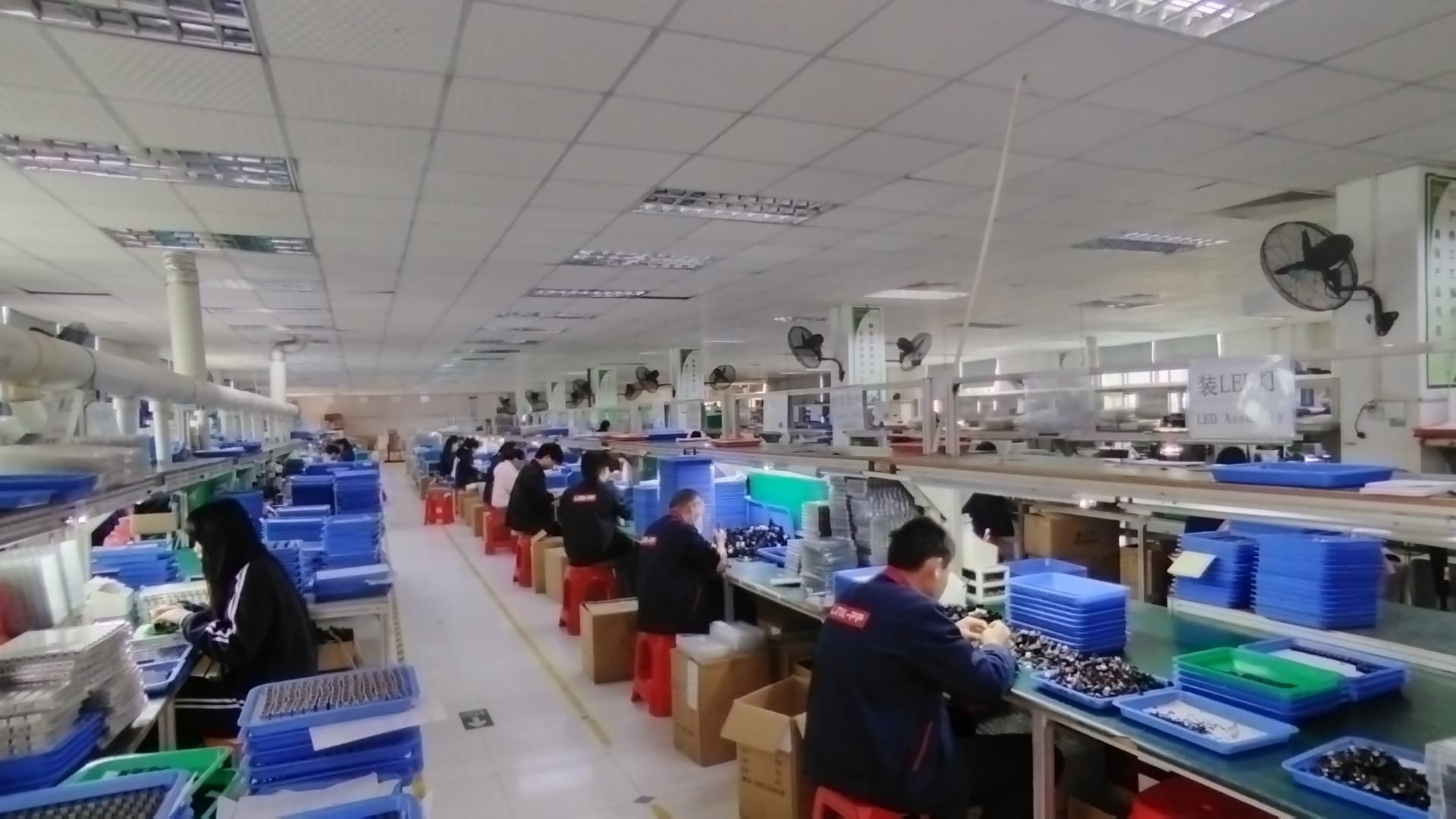
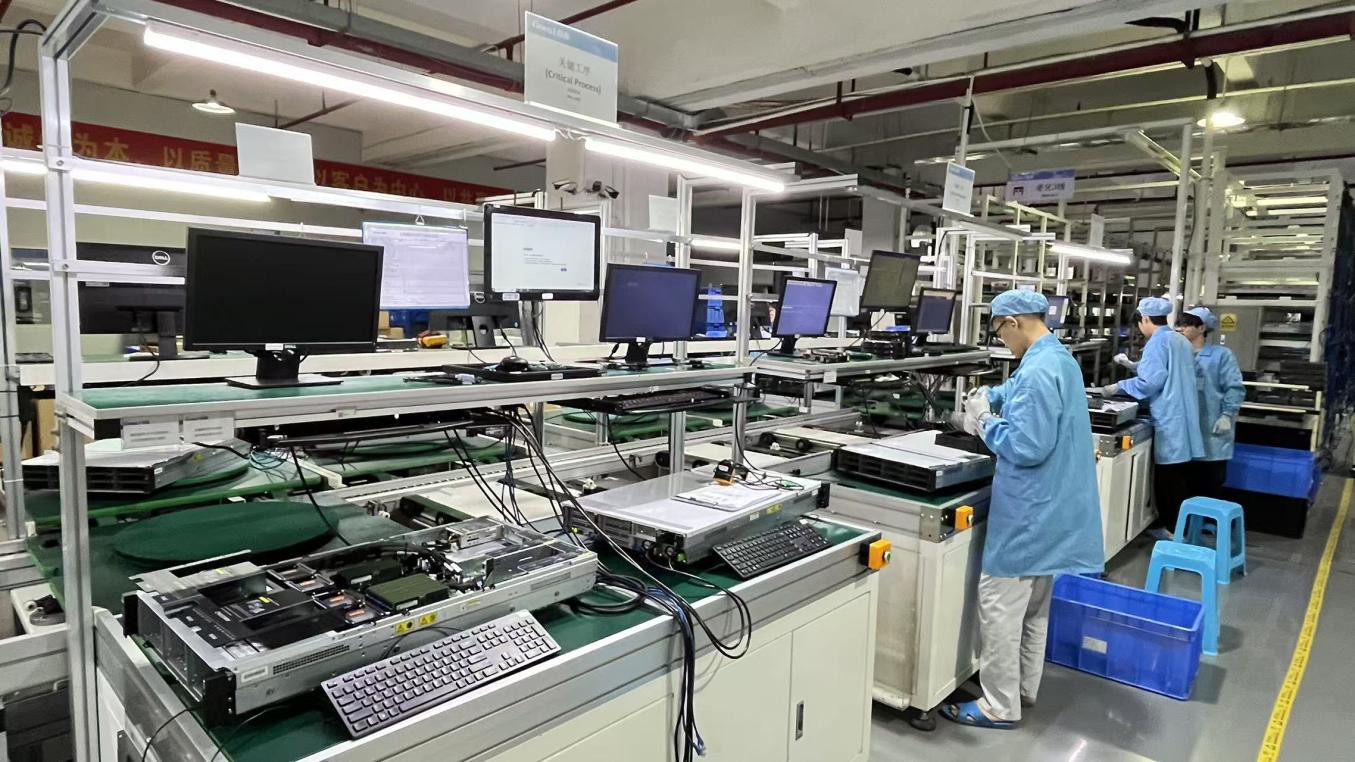
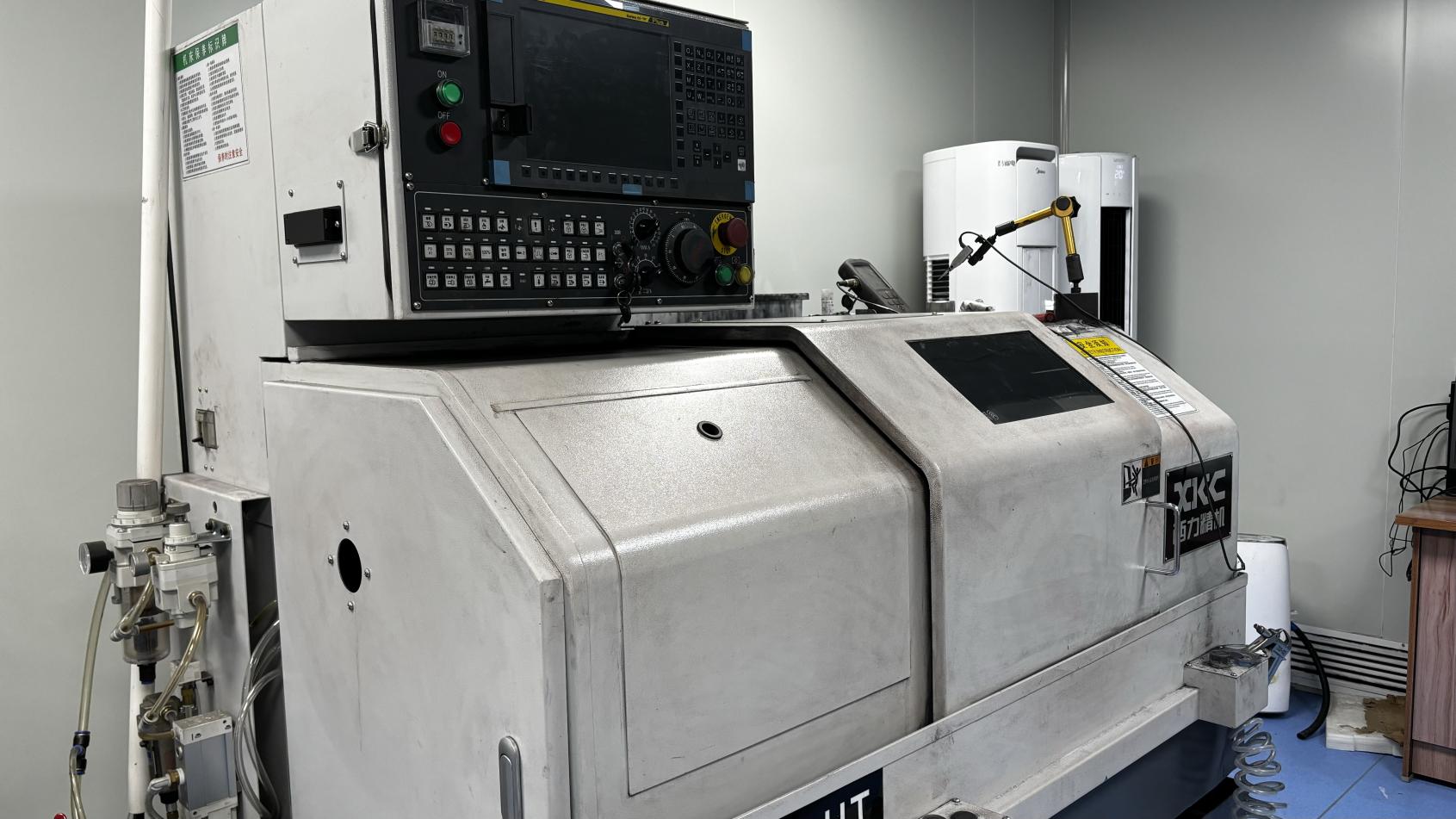
Xelivor integrates advanced manufacturing technologies, automated assembly systems, and strict testing protocols to deliver high-quality networking components at scale.
Our manufacturing operations rely on automated insert-molding, high-speed terminal crimping, and computerized optical inspection. By reducing manual processing, we achieve tight mechanical tolerances and consistent performance across production runs.
With a network of over 850 vetted supply partners, we maintain stable access to raw materials and core components. This supply chain foundation enables us to respond quickly to large-volume orders and adapt to changing global trade environments, ensuring reliable delivery timelines for our clients.

Modern enterprise networks rely on a mix of optical and copper infrastructure. Xelivor provides hardware designed to bridge these technologies, supporting various networking environments and demands.
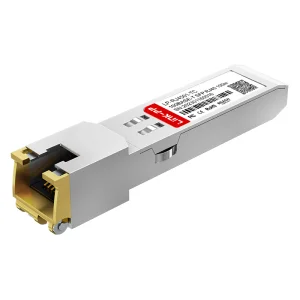
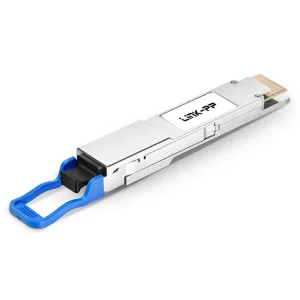
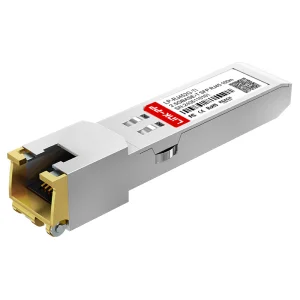
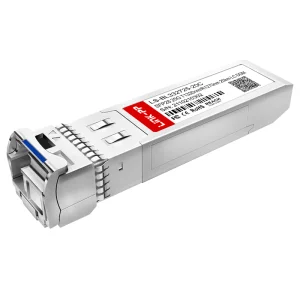
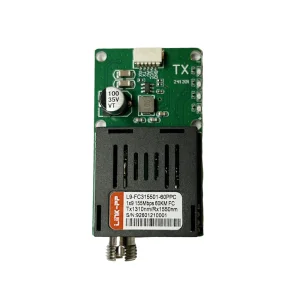
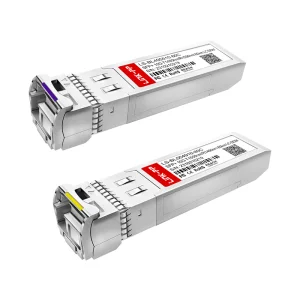
Our high-speed optical transceivers (QSFP28, QSFP-DD, OSFP) handle high-volume data transport between core switches, while our copper Cat6 and patch solutions manage out-of-band networks, server control ports, and management networks.
We design our products to handle challenging environmental conditions. Telecom central offices and remote terminal cabinets rely on our shielded copper connectors and optical components to maintain continuous signal path integrity.
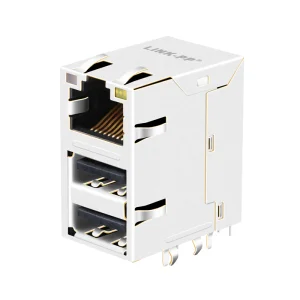
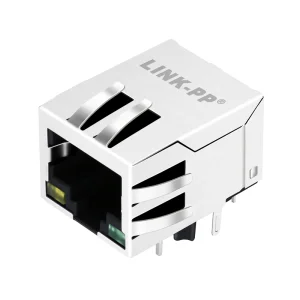
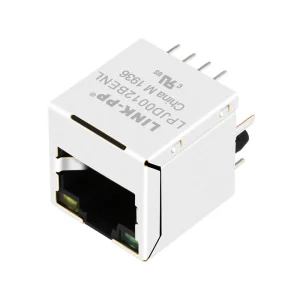
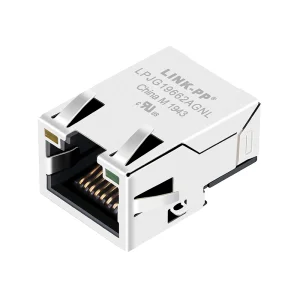
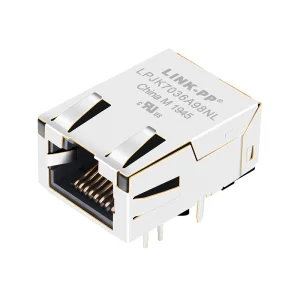
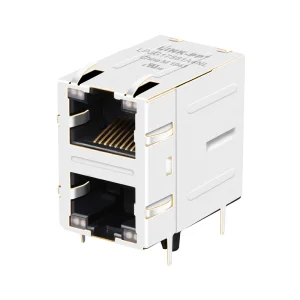
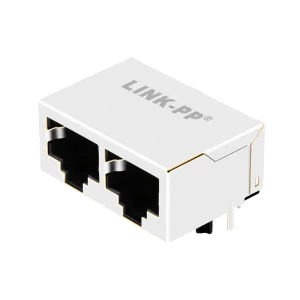
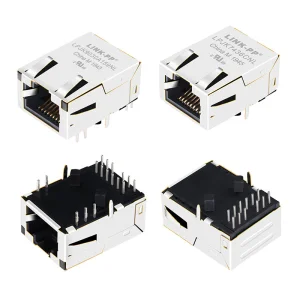
Factory environments present physical challenges like electrical noise, mechanical vibration, and moisture. Our shielded RJ45 plugs and magnetic jacks protect signals against electromagnetic interference (EMI) on the factory floor.
Data demands continue to grow, driving evolution in copper cabling and transceivers. While Cat6 remains a key standard for gigabit distribution, development of next-generation standards like Cat6A, Cat8, and Single Pair Ethernet (SPE) is addressing emerging high-bandwidth needs.
Cat6 cables support 10GBASE-T up to 55 meters. For full 100-meter channel lengths, Cat6A operates at frequencies up to 500 MHz. Cat8 expands performance further, supporting up to 2000 MHz over 30 meters for specialized top-of-rack data center links. Xelivor develops connectors designed to control crosstalk at these high frequencies, helping networks scale up when needed.
For smart building automation and industrial monitoring, Single Pair Ethernet (IEEE 802.3cg) delivers data and power over a single pair of copper wires up to 1000 meters. This standard reduces weight and cabling complexity. Xelivor's engineering team tracks these changes, designing modular connections that help legacy systems interface with newer networks.
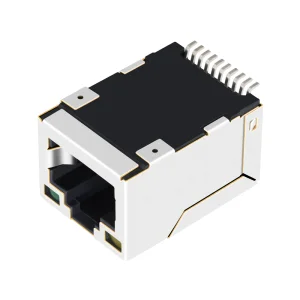
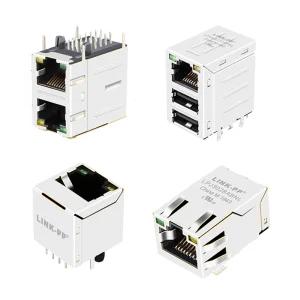
Xelivor offers custom design services (OEM/ODM) to meet specific layout and functional needs. We tailor mechanical form factors, mounting types (such as vertical, right-angle, or SMT), and electrical configurations to match our clients' hardware requirements.
Our engineering team also provides custom EEPROM firmware configuration for optical transceivers. We adjust identification tables, threshold values, and diagnostic options to resolve compatibility issues with specific host switches, helping to avoid interface warnings.
Quality control is integrated at every production stage. Raw materials, mechanical parts, and electrical components undergo incoming inspection to verify purity and tolerances. Our test labs check parameters like return loss, eye-diagram shapes, and insertion loss to ensure every unit meets target standards before packaging.
By managing these variables, Xelivor helps clients lower failure rates, simplify installation, and maintain network reliability in their operational systems.
Expert answers to technical queries from hardware developers, engineers, and procurement managers.
Gold is highly resistant to oxidation and corrosion. The 50-micro-inch (50μ") thickness is the industry standard for enterprise-grade connections, maintaining low contact resistance under repetitive matings. Thinner plating (such as 3μ" or 15μ") can wear away quickly, exposing the base metal (nickel or bronze) to air. This leads to oxidation, which increases contact resistance, causes transmission errors, and degrades signal quality over time.
Our connectors are built with heat-resistant materials and low-resistance contacts. Under the IEEE 802.3bt Type 4 standard (PoE++ up to 90W), current flowing through the small contact points can generate heat. Xelivor uses high-purity phosphor bronze contacts with 50μ" gold plating to limit electrical resistance, keeping temperature rise to a minimum. Additionally, our housings are made from UL 94V-0 rated polycarbonate, which resists thermal warping and helps maintain continuous mechanical contact pressure.
Shielded (STP) connectors feature a metallic outer shell, typically nickel-plated brass, that wraps around the plastic core to shield the signal wires from external electromagnetic interference (EMI) and radio frequency interference (RFI). Unshielded (UTP) connectors rely on the natural balance of twisted wire pairs to reduce noise. Choose STP for industrial environments, medical imaging rooms, or dense data pathways where cables run near high-voltage lines. UTP is generally preferred for standard office spaces and commercial layouts to save on material and installation costs.
Yes. Xelivor offers design customization (OEM/ODM) to meet specific mechanical layouts and assembly preferences. We can adjust the thickness of the nickel plating, change housing colors for patch panel coding, or design custom wire management bars to fit different solid and stranded conductor gauges. For distributors, we provide custom packaging, direct labeling, and serialized barcode configurations to streamline regional logistics and intake processing.
Every product goes through test validations. For optical components, we use hardware testing stations with switches from Cisco, Juniper, and HP to check real-world link functionality and verify that diagnostics report correctly. For copper connectors, we run mechanical stress tests, dielectric withstanding voltage checks, and signal analysis using Fluke DSX analyzers. This testing confirms that insertion loss, return loss, and crosstalk parameters meet or exceed the performance thresholds defined by TIA-568-C.2.