Xelivor
Xelivor
Xelivor
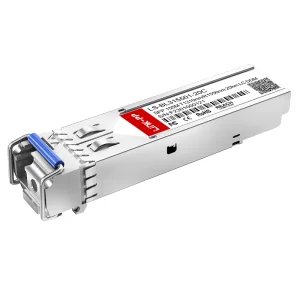
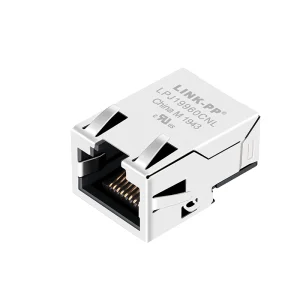
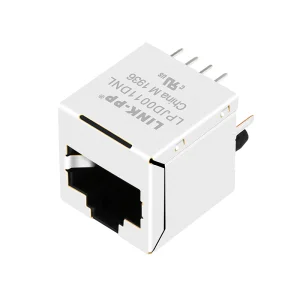
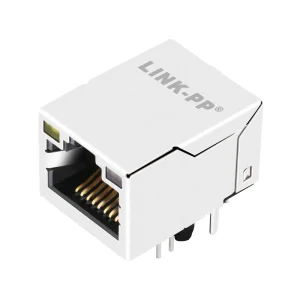
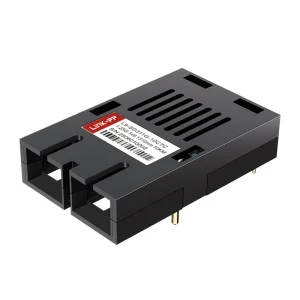
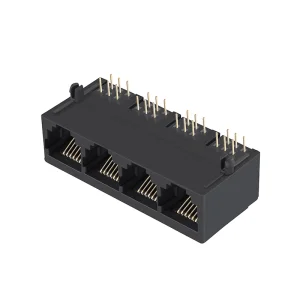
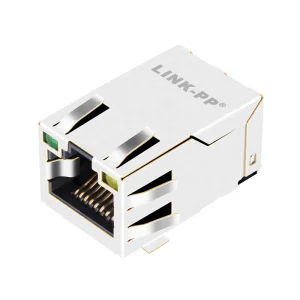
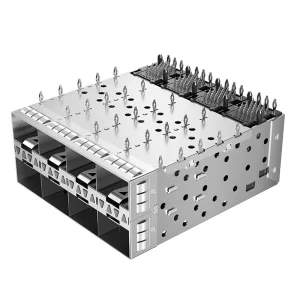
Explore our primary selection of enterprise-grade optical modules, SFP enclosures, and integrated modular RJ45 connectivity matrices designed to achieve low attenuation and absolute transmission stability.
In the era of hyper-scale computational frameworks and enterprise-wide digitization, physical network stability represents the fundamental layer of operations. The transition from legacy punch-down terminal blocks to toolless RJ45 keystones and connectors represents a significant advancement in transmission design. Historically, Category 5e and Category 6 structural channels relied on impact tools, which introduced terminal stress variations, uneven contact resistance, and exposure to conductor oxidization.
Modern high-density data pipelines—particularly those governed by Category 6A (Cat6A) and Category 8 (Cat8) standards—demand absolute geometric precision. This is critical to maintain crosstalk mitigation performance and minimize insertion loss margins at frequencies reaching up to 2000 MHz. Toolless RJ45 connectors feature integrated hinge mechanisms and internal IDC (Insulation Displacement Contact) pathways. This design ensures uniform pressure across all 8 conductors simultaneously, without requiring specialized tools.
By removing variable human force from the punch-down termination equation, toolless IDC modules maintain standard gas-tight joints. This guarantees sustained low contact resistance over decades of deployment in vibrating machinery bays.
High-speed electrical performance relies on maintaining wire twist structures right up to the IDC pin. Our toolless configuration limits wire untwisting to less than 1.5mm, effectively eliminating Near-End Crosstalk (NEXT) at the point of termination.
Field tests show a 40% reduction in installation time compared to traditional modular plugs. This efficiency translates to significant cost savings during massive data center rollouts.
The international market for copper interconnect infrastructure is undergoing rapid structural evolution. The growth of industrial Internet of Things (IIoT) architectures, combined with global 5G network expansions, has led to a surging demand for ruggedized, high-throughput copper termination interfaces. High-end data centers rely heavily on optical transceivers (such as our high-performance SFP and QSFP series) for backbone runs. Simultaneously, they utilize shielded toolless RJ45 systems to manage critical out-of-band management, server racks, and edge node routing.
Globally, engineering compliance models are evolving. Standard compliance is no longer just about passing basic continuity tests; systems must now withstand harsher environmental stresses. European and North American projects require verified performance under continuous power transmission, such as Power over Ethernet (PoE++ Type 4, delivering up to 90W-100W of DC power). At this power level, minor contact mismatches can cause thermal buildup and micro-arcing. Consequently, manufacturers must follow strict metallurgical processes to ensure consistent performance.
We bridge the gap between high-volume copper distribution matrices and complex fiber-optic transceivers. Our hardware solutions are engineered for reliable deployment across diverse industry verticals.
In environments with electromagnetic interference from heavy machinery, standard connectors can suffer packet drops. Our shielded, zinc-alloy die-cast toolless RJ45 connectors feature full 360-degree EMI cages, ensuring error-free communication on the automated assembly floor.
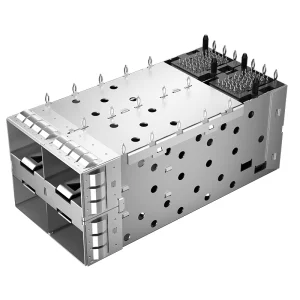
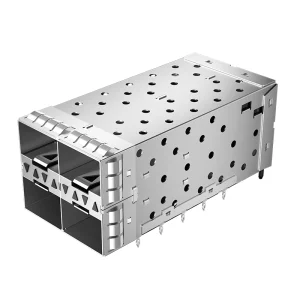
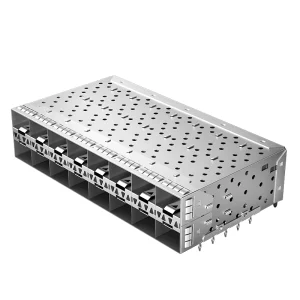
Our solution combines high-density SFP+ cages and cages with integrated connectors with toolless RJ45 distribution blocks. This hybrid architecture simplifies pathing, facilitates hot-swappable interface transitions, and optimizes rack airflow management.
Utilizing corrosion-resistant phosphorus bronze finished with 50-microinch gold plating over nickel, our toolless connectors resist oxidation in high-humidity and saline atmospheres, keeping offshore facilities continuously connected.
| Application Scenario | Connector Type Required | Recommended Spec / Standard | Key Performance Benefit |
|---|---|---|---|
| High-Density Switch Bays | Shielded Toolless Cat6A / SFP+ Cage | ANSI/TIA-568.2-D, IEEE 802.3ae | Zero alien crosstalk, high-density port allocation |
| Robotics & Assembly Lines | IP67 Sealed Toolless RJ45 | IEC 60603-7-51, Vibration Proof | Chemical resistance, gas-tight contact protection |
| PoE Lighting & IP Surveillance | High-Power Toolless RJ45 Plug | IEEE 802.3bt (PoE++ / Type 4) | No spark damages under load disconnects (IEC 60512-99-002) |
| Telecom Backhaul Node | Fiber SFP to Copper RJ45 Bridge | SFF-8472, GR-1089-CORE | Long-distance optical links converting to local copper paths |
Achieving reliable performance in high-speed networks requires strict compliance with electro-mechanical tolerances. The design of our toolless RJ45 units focuses on limiting signal distortion. Below is an overview of the key design metrics that differentiate our products in high-stress networks:
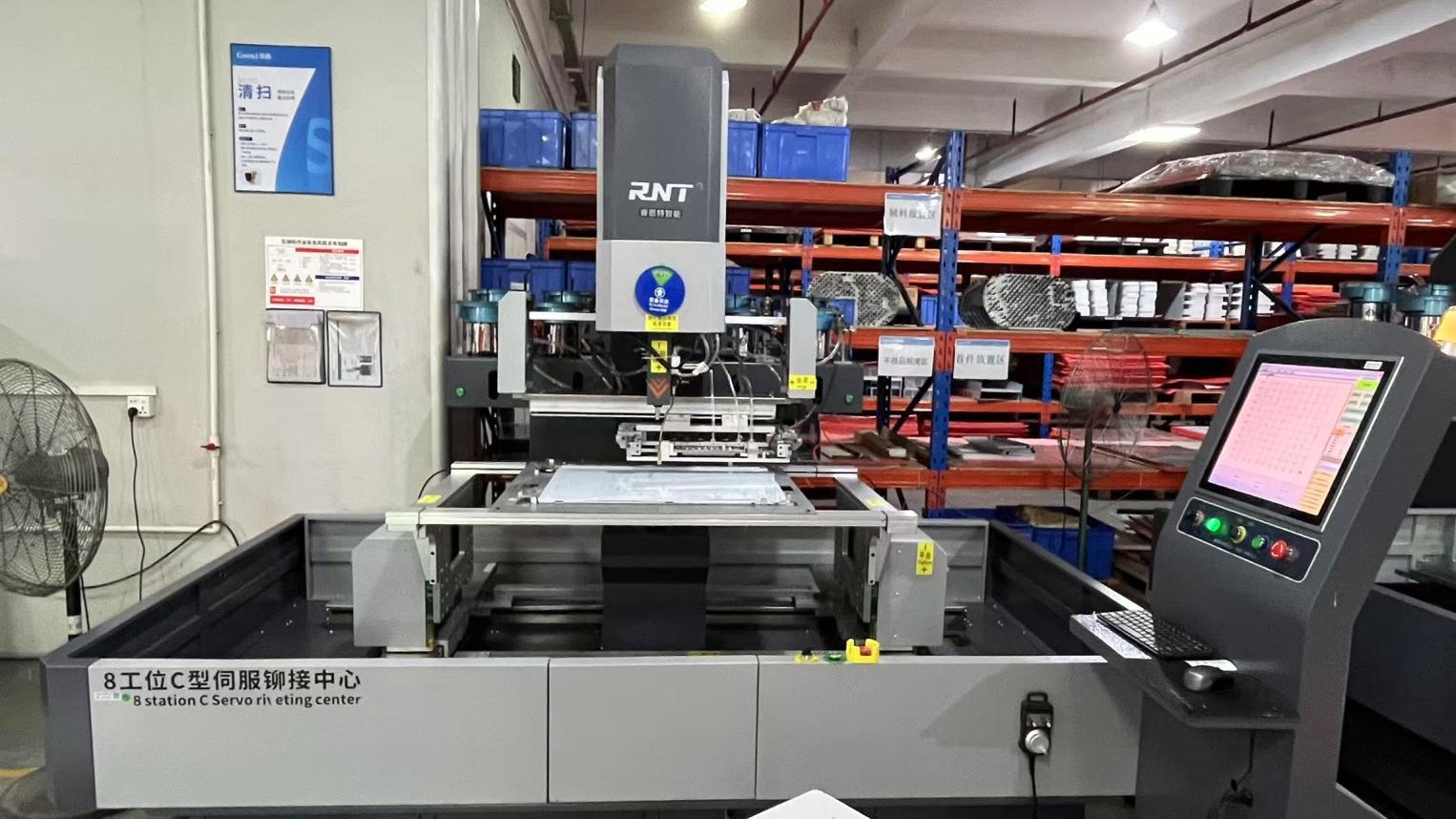
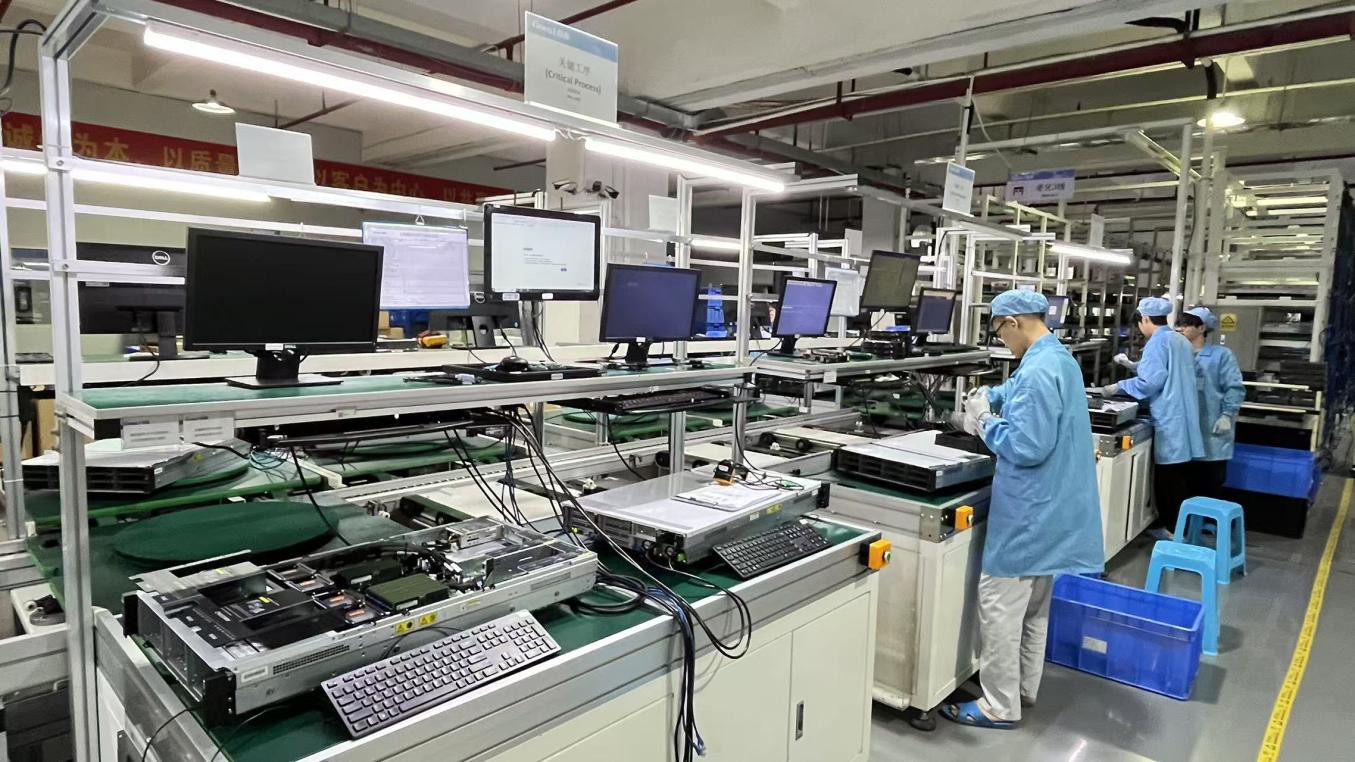
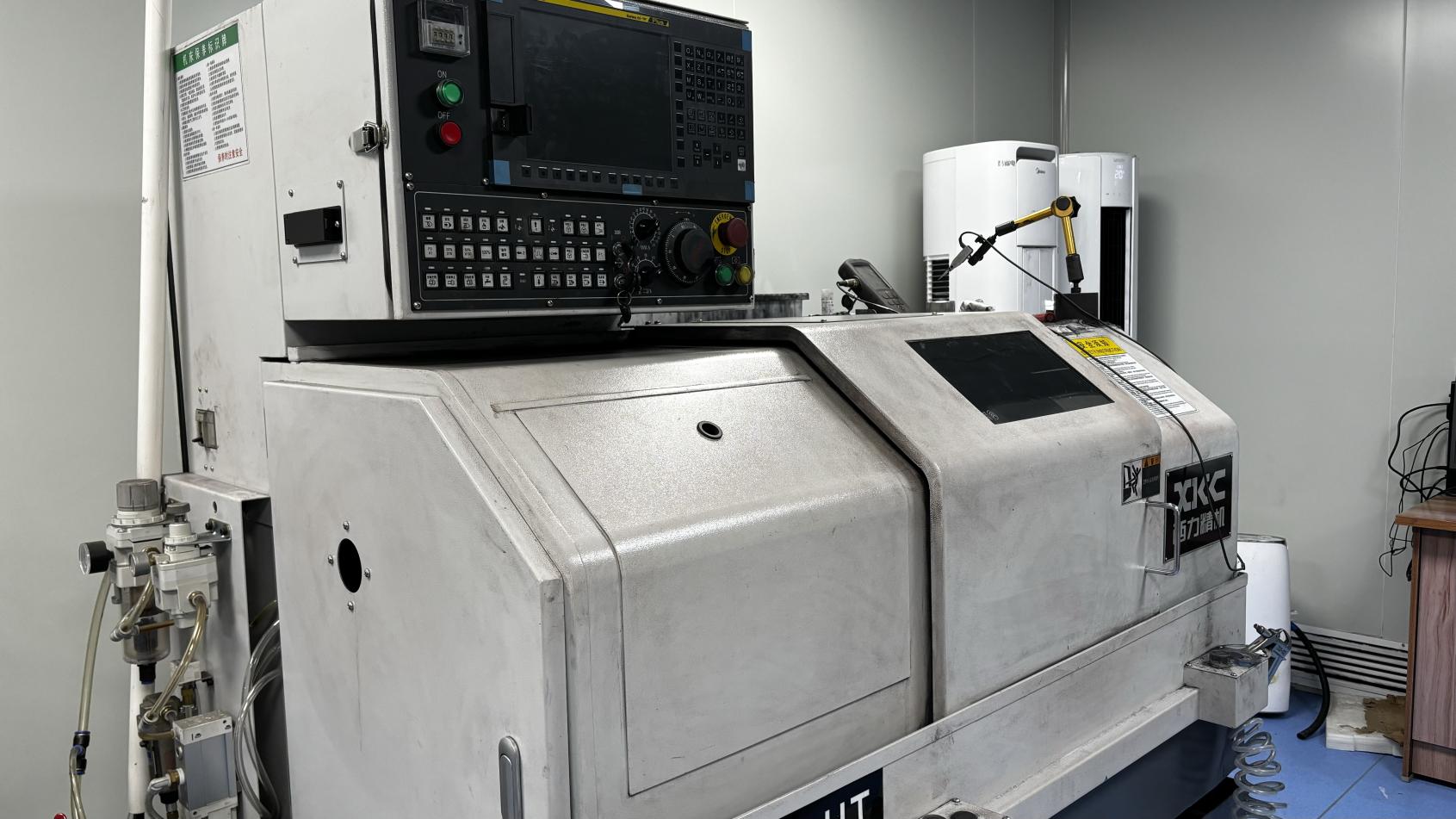
Xelivor Optoelectronics Co., Ltd. is a professional manufacturer of optical transceivers and fiber connectivity solutions, dedicated to serving global data center, telecom, enterprise network, and cloud computing industries. Established in 2016, the company operates from a modern manufacturing facility covering 386 m² and has built a strong reputation for delivering reliable, high-performance optical communication products worldwide.
With over 8 years of industry experience and 6 years of export experience, Xelivor has achieved annual export revenues exceeding USD 12 million. Our products are exported to customers across North America, Europe, Southeast Asia, the Middle East, and South America, supporting a wide range of networking applications from enterprise infrastructure to hyperscale data centers.
Xelivor specializes in the design, development, and production of optical transceivers, including SFP, SFP+, SFP28, QSFP28, QSFP-DD, OSFP, DAC, and AOC solutions. Backed by a dedicated R&D team of 68 engineers, the company continuously invests in innovation and launched more than 85 new products in the past year to meet the evolving demands of high-speed optical networks.
Quality is at the core of our operations. Our quality management system incorporates incoming material inspection, in-process quality control, aging tests, compatibility verification, optical parameter testing, and final product inspection. A professional quality assurance team of 32 inspectors ensures every product meets strict international standards before shipment.
The company maintains long-term cooperation with more than 850 supply chain partners, enabling stable sourcing, efficient production, and rapid delivery capabilities. Our flexible manufacturing system supports OEM, ODM, private label, customized firmware, customized labeling, and packaging services to satisfy diverse customer requirements.

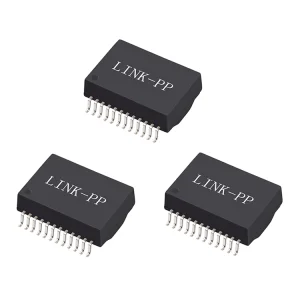
In global connectivity deployments, regulatory compliance is critical. We ensure that our toolless RJ45 connectors, SFP assemblies, and magnetics modules meet regional environmental and performance certifications.
Every batch of raw polycarbonates, zinc-alloys, and copper-plated IDC structures is fully certified to ensure they are free from restricted heavy metals, facilitating smooth import clearance in European markets.
To safeguard critical data centers from fire hazards, our connector housings and IDC carrier blocks are molded from self-extinguishing engineering plastics that meet UL94 V-0 standards.
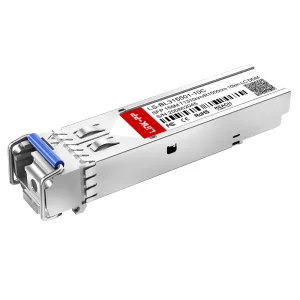
Our SFP cages and optical modules are designed to meet MSA standard configurations, ensuring physical and electrical compatibility with top-tier routing systems.
As bandwidth demands approach the limits of physical media, copper and optical networks are merging. For distances under 30 meters, high-performance Category 8 copper connections using toolless connectors remain a cost-effective choice compared to fiber optics. However, for longer distances and high-speed data pathways, optical modules are essential.
Our long-term development strategy focuses on co-packaging designs that integrate copper transceivers, network transformers, and SFP interfaces into unified network systems. This integration minimizes space requirements and reduces thermal profiles on high-density line cards. By optimizing both media paths, we provide network planners with the flexibility needed for next-generation network architectures.
Technical guidance from our senior engineering team to help you optimize network termination workflows and media selection.
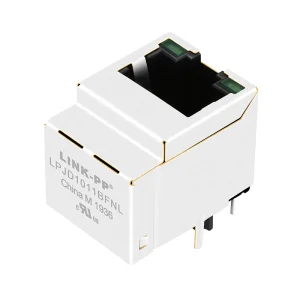
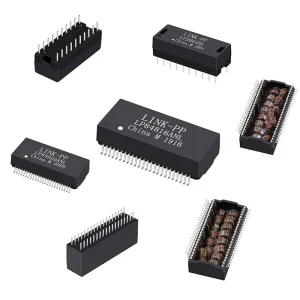
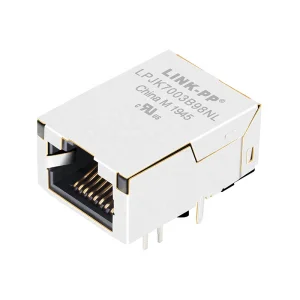
From SFP+ press-fit shielded cages to high-performance telecom transformers and surface-mount jacks, discover components engineered for critical networking systems.