Xelivor Xelivor

100G/200G/400G Module Manufacturer & Exporters in Chicago

Empowering Midwest Cloud Infrastructure, Low-Latency Financial Trading, and Enterprise Hyperscale Interconnects with Tier-1 Optical Transceivers.

Primary Deployments

High-Priority Chicago Edge Optical Transceivers

Optimized for high-density switches across Chicago's primary financial carrier hotels and Edge nodes.
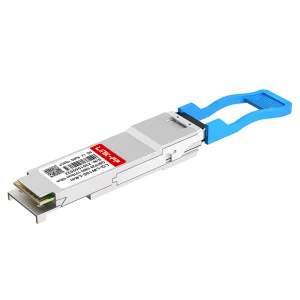
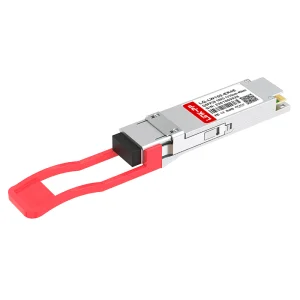
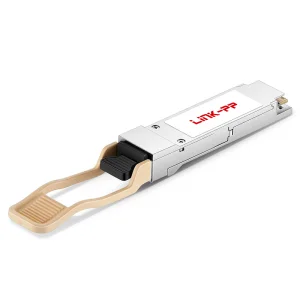
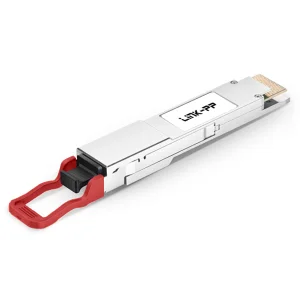
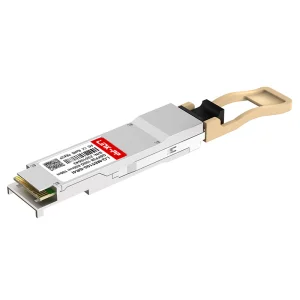
100G Base-t Ethernet Module

100G Base-t Ethernet Module 850nm 100m MPO QSFP28 Optical Transceiver

Learn More & Get Quote
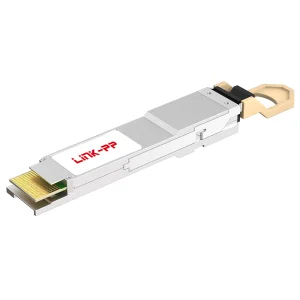
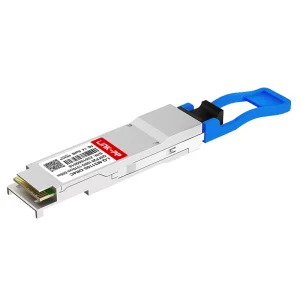
QSFP28 100G Base-t MMF Transceiver

QSFP28 100G Base-t 850nm 100m MPO MMF Fiber Optical Transceiver Module

Learn More & Get Quote
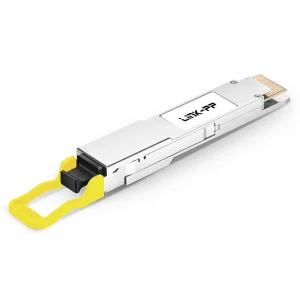
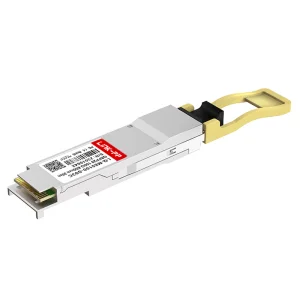
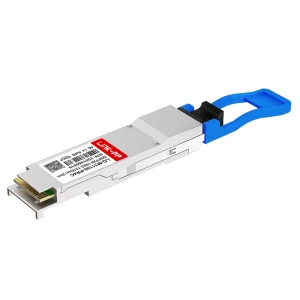
100GBASE-LR4 Duplex LC SMF

100GBASE-LR4 Duplex LC SMF Optical Transceiver Module Single Mode 1310nm 100G QSFP28 10km

Learn More & Get Quote
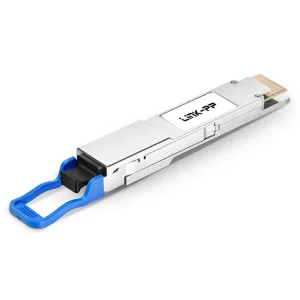
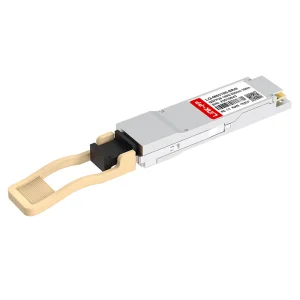
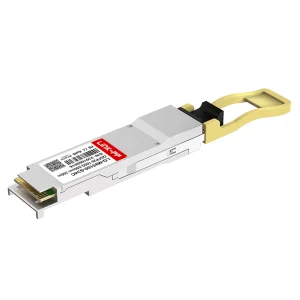
100GBASE-ER4 SMF QSFP28

100GBASE-ER4 SMF QSFP28 Transceiver Duplex LC Single Mode 1310nm 100G Optical Module 40km

Learn More & Get Quote
Market Intelligence

Chicago's Position in the Global Fiber Optic Matrix

How Midwest cloud hubs and global network gateways drive the demand for high-speed transceivers.

As the third-largest metropolitan area in the United States, Chicago acts as a vital carrier-neutral telecommunication corridor. The digital backbone of Chicagoland is centered around massive multi-tenant data center ecosystems in Elk Grove Village, Franklin Park, and the iconic Cermak Road corridor. These locations host thousands of servers that process petabytes of data daily for financial markets, healthcare giants, and advanced manufacturing sectors.

For network architects managing these locations, upgrading to 100G, 200G, and 400G optical architectures is no longer optional. Low latency is critical to Chicago's algorithmic trading systems, where a microsecond delay can impact millions of dollars. High-speed QSFP28, QSFP56, and QSFP-DD modules form the physical foundation that links financial exchanges directly to edge cloud nodes, minimizing latency jitter.

Chicago Local Interconnect Demands

  • Extreme Low Latency: Financial trading infrastructures depend on optimized transceiver firmware to eliminate packet loss and serialization delay.
  • Density Transitions: Legacy 10G/40G networks are quickly transitioning to 100G QSFP28 and 400G QSFP-DD form factors to maximize space in legacy racks.
  • High Thermal Demands: Local data centers require high-quality transceivers with low power consumption parameters to operate efficiently under diverse seasonal conditions.
Extended Reach Portfolio

High-Performance Single Mode & Multimode Modules

Supporting Chicago’s campus connections, metropolitan loops, and inter-city transport networks.
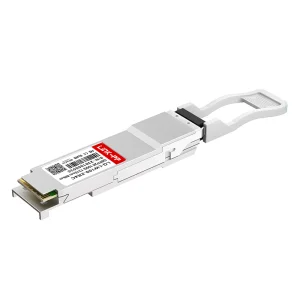
100GBASE-ZR4 Duplex LC SMF

100GBASE-ZR4 Duplex LC SMF Optical Module 1310nm Single Mode 100G QSFP28 Transceiver 80km

Learn More & Get Quote
200GBASE-SR4 MTP/MPO-12

200GBASE-SR4 Optical Transceiver Module MTP/MPO-12 MMF Multimode 850nm 200G QSFP56 100m

Learn More & Get Quote
400G DR4 QSFP-DD PAM4

400G DR4 QSFP-DD PAM4 1310nm 500m MTP/MPO-12 APC SMF Optical Transceiver Module

Learn More & Get Quote
Single Mode 400G CWDM QSFP-DD

Single Mode 400G CWDM QSFP-DD LR4 10km Duplex LC SMF Optical Transceiver Module

Learn More & Get Quote
Technology Roadmap

The Roadmap of Optical Modules: From NRZ to PAM4 and Co-Packaged Optics (CPO)

Understanding how modulation changes affect high-capacity hardware setups in the Midwest.

85+
New Products Launched Yearly
68
R&D Engineers On-Site
32
QA Inspectors & Testers
850+
Global Supply Partners

In high-bandwidth enterprise environments, transmission technologies have evolved rapidly. While 100G networks historically relied on NRZ (Non-Return-to-Zero) modulation over 4 parallel channels, modern 400G architectures rely on PAM4 (Pulse Amplitude Modulation 4-Level). PAM4 doubles the transmission capacity by sending two bits of information per symbol interval, reducing the necessary fiber count and optical interface complexity.

Looking to the future, 800G and 1.6T environments will implement silicon photonics and Co-Packaged Optics (CPO) to manage high thermal output and limit signal attenuation. Xelivor's engineering team designs active transceivers featuring low power consumption (often under 10W per 400G module) to control heat loads and improve reliability in busy data center environments.

Module Standard Modulation Scheme Typical Connector Maximum Distance Primary Application Profile
100G QSFP28 SR4 NRZ MPO-12 (MMF) 100m Intra-rack, switch-to-switch patch connections
100G QSFP28 LR4 NRZ Duplex LC (SMF) 10km Campus backbones, inter-building distribution
200G QSFP56 SR4 PAM4 MTP/MPO-12 (MMF) 100m Next-generation AI acceleration fabrics
400G QSFP-DD DR4 PAM4 MTP/MPO-12 APC 500m Hyperscale cloud spine-leaf fabrics
400G QSFP-DD FR4 PAM4 Duplex LC (SMF) 2km Inter-building enterprise connections, metro access
Factory to Enterprise

Chinese Factory Efficiencies Meet Chicago Enterprise Demands

How Xelivor combines efficient manufacturing with local logistics to deliver high-quality optical modules.

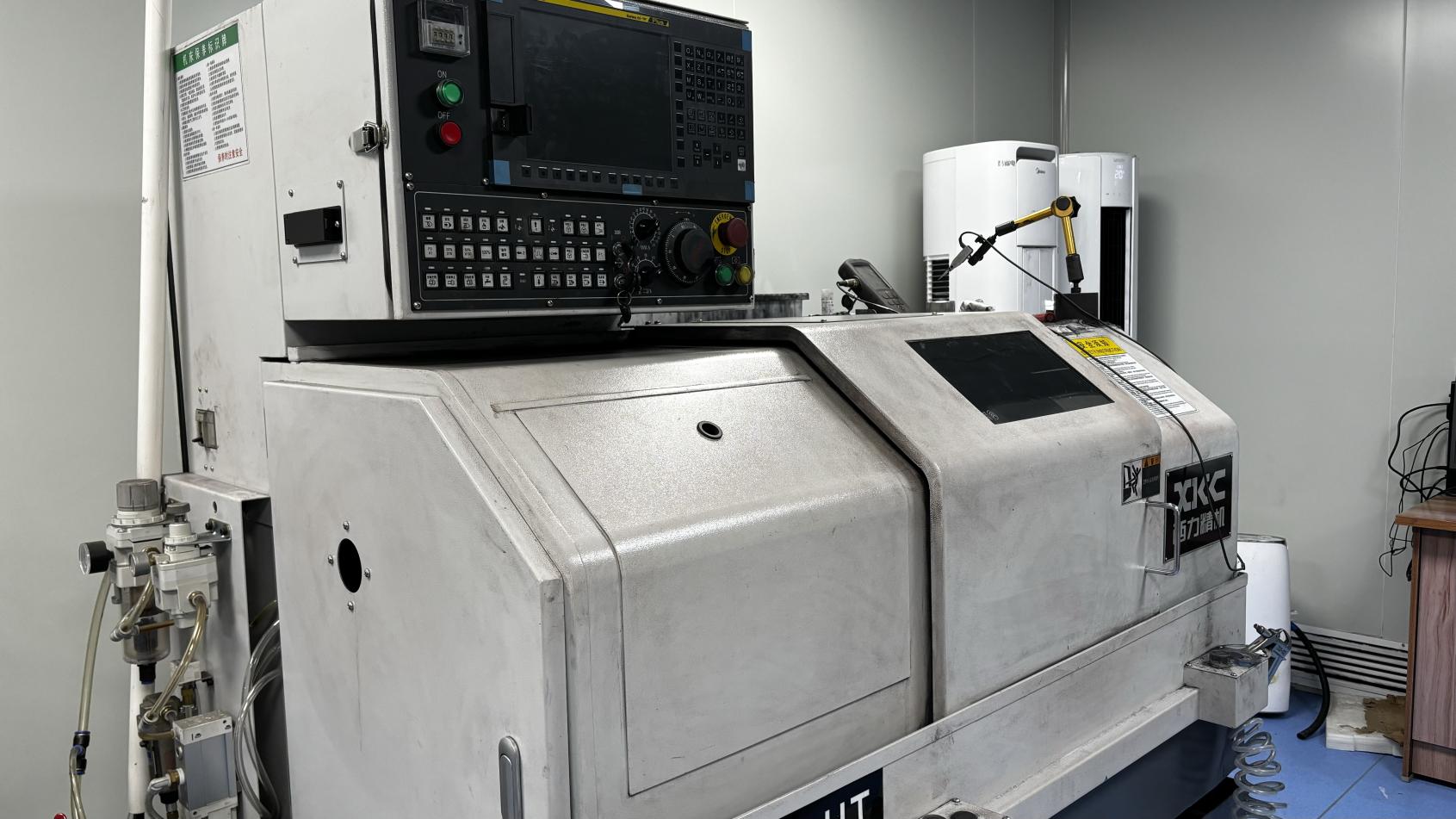
Xelivor Optoelectronics Co., Ltd. manages a modern 386 m² production facility. By integrating direct manufacturing in China with logistics services in the Chicago area, we resolve traditional import delays. Our supply chain features over 850 partners, securing raw components even during high-demand cycles.

This structural efficiency translates into competitive pricing for domestic purchasers. We support OEM/ODM layouts, customized firmware loading, and compatibility configuration for major switches (including Cisco, Arista, and Juniper). This ensures that every module is ready for plug-and-play installation straight out of the box.

Strict Quality Assurance Standards: Every optical module undergoes rigorous dual-stage testing. Our process includes incoming material inspection, high-temperature burn-in aging tests, optical parameter verification, and compatibility checks. This comprehensive approach ensures that our annual export revenue exceeds USD 12 million, reflecting our focus on quality control.


Comprehensive Portfolio

Enterprise-Grade Optical Transceivers

A comprehensive range of 100G, 200G, and 400G transceivers for data centers and enterprise networks.
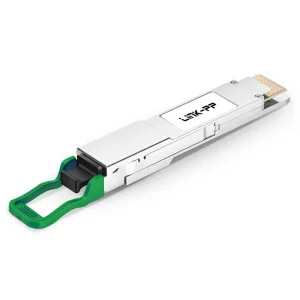
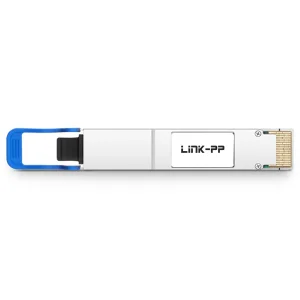
400GBASE-FR4 Duplex LC

400GBASE-FR4 Duplex LC Optical Module 400G CWDM QSFP-DD PAM4 2km DDM SMF Optical Transceiver

Learn More & Get Quote
400GBASE-LR8 Duplex LC

400GBASE-LR8 Duplex LC Optical Transceiver Module SMF 1310nm 400G QSFP-DD 10km

Learn More & Get Quote
400GBASE-ER8 Single Mode

400GBASE-ER8 Single Mode 1310nm 400G QSFP-DD 40km Duplex LC SMF Optical Transceiver Module

Learn More & Get Quote
Multiple Mode 850nm 400G

Multiple Mode 850nm 400G QSFP-DD SR8 100m MTP/MPO-16 APC MMF Optical Transceiver Module

Learn More & Get Quote
100GBASE-PSM4 QSFP28

100GBASE-PSM4 QSFP28 1310nm 500m SMF 100G MPO-12 Optical Transceiver Module

Learn More & Get Quote
QSFP28 100GBASE-PLR4L

QSFP28 100GBASE-PLR4L 1310nm 2km 100G MPO-12 SMF Optical Transceiver Module

Learn More & Get Quote
100GBASE-ESR4 QSFP28

100GBASE-ESR4 QSFP28 100G 850nm 300m MPO-12 MMF Optical Transceiver Module

Learn More & Get Quote
100GBASE-SL4 Multimode

100GBASE-SL4 Multimode 100G QSFP28 850nm 30m MPO-12 MMF Optical Transceiver Module

Learn More & Get Quote
FAQ

Answers to Crucial Optical Transceiver Queries

Detailed technical advice for network architects, hardware engineers, and deployment managers.

1. How does Xelivor guarantee module compatibility with legacy switches like Cisco or Arista?
We use a dedicated software testing matrix that programs internal EEPROM coding. This matches the exact vendor signatures required by platforms like Cisco Catalyst/Nexus, Arista EOS, and Juniper Junos. We check every transceiver for MSA compliance before shipping, preventing port configuration issues.
2. What are the key differences between PAM4 (Pulse Amplitude Modulation 4-Level) and NRZ in 100G vs 400G modules?
NRZ uses two levels to represent 1 bit of data per clock cycle (0 or 1), which is ideal for 100G configurations using 4 lanes of 25Gbps. For 400G and faster connections, NRZ requires too many physical lanes. PAM4 uses four signal levels to transmit 2 bits per clock cycle, doubling the data rate over the same optical path. This allows a 400G module to operate over 4 lanes of 100Gbps PAM4.
3. How can I order customized labeling and package setups for Chicago deployments?
Our flexible manufacturing lines support complete OEM/ODM options. You can customize label markings, serial numbering, case colors, and packaging configurations. Let our team know your requirements through the contact form to establish your tracking parameters.
4. What shipping options and delivery timelines apply to imports into Illinois?
We offer express air freight options via DHL, FedEx, and UPS to complete local deliveries in Chicago within 3 to 7 business days for stock items. Larger enterprise shipments can also be processed via ocean freight. This allows you to manage transport schedules and project timelines effectively.
5. What is the typical power budget and thermal design of Xelivor 400G transceivers?
Our 400G QSFP-DD modules are designed to draw less than 12W (and typically below 10W for shorter-reach variants like DR4 and FR4). This design supports dense chassis setups and keeps cooling requirements low. Excellent thermal dissipation helps extend the lifespan of the transceivers and reduces operating costs.

Accelerate Your Network Speed Today

Get in touch with our engineering team for customized pricing, compatibility validation, and reliable delivery options tailored to your project needs.

Send Inquiry Now