Xelivor
Xelivor
Xelivor
Explore our foundational 100G QSFP28 form-factor modules deployed extensively in the metropolitan aggregation rings of São Paulo, Rio de Janeiro, and Fortaleza.
Brazil is the main digital engine of South America, hosting over 45% of Latin America's entire data center capacity. With major hubs established in Campinas, Hortolândia, and Jundiaí in the State of São Paulo, cloud players like AWS, Microsoft, and Google are continuously scaling up. The massive subsea fiber optic networks landing in Fortaleza (such as Monet, EllaLink, and SAC) serve as the gateways for international traffic.
This influx of subsea traffic demands seamless transition pathways into mainland Brazil. It requires highly stable, low-latency 100G, 200G, and 400G optical transceivers to handle the massive traffic backhaul from coastal landing stations to inland server farms.
Unlike North American or European markets where telecom oligopolies dominate completely, Brazil features a highly fragmented yet robust ISP (Internet Service Provider) ecosystem. Thousands of regional "provedores" have successfully laid down hundreds of thousands of kilometers of fiber throughout the interior, bypassing traditional capital constraints.
As these local providers grow, they transition from standard GPON/10G backbones to advanced DWDM topologies. There is a surging demand for QSFP28 100G ZR4 and ER4 modules capable of traversing long physical distances (up to 80km without inline amplification) to link remote municipalities to central metropolitan exchange points (IX.br).
A technical analysis of how Brazilian telecommunication infrastructures transition from legacy 10G/40G structures to next-generation optoelectronics.
Utilizing NRZ (Non-Return-to-Zero) modulation for direct connections (SR4, LR4) and PAM4 for advanced single-channel links. The QSFP28 form factor remains the undisputed workhorse of the Brazilian regional backhaul, offering low thermal generation and a highly mature ecosystem compatible with legacy switches.
Serving as an intermediate step to higher densities, 200G QSFP56 utilizes 4 lanes of 50G PAM4 to double bandwidth without expanding physical layouts. This technology is widely adopted by regional core switching interfaces to transition gradually towards high-rate deployments.
By doubling electrical interface lanes to 8, the QSFP Double Density (QSFP-DD) achieves 400G performance. Utilized in dense data center environments (DR4, FR4) and coherent transport setups (400G ZR), it establishes the baseline standard for Tier-1 operators in Brazil.
With the rapid rollout of cloud availability zones, data center operators in São Paulo require massive throughput links between discrete server locations. Our 400G DR4 and FR4 modules enable cost-effective inter-cabinet and inter-facility networking, allowing multi-lane PAM4 traffic to route over standard single-mode optical paths.
Additionally, edge data centers supporting localized low-latency caching require 100G and 200G access interfaces that do not overwhelm passive thermal control systems.
Connecting the Brazilian inland regions (interior de São Paulo, Minas Gerais, and Northeast states) requires reliable optical architectures. In these areas, physical fibers are subject to environmental stresses, and active inline amplification is highly expensive to maintain.
Our 100G QSFP28 ZR4 (80km) and 100G ER4 (40km) transceivers offer high receiver sensitivity, overcoming dispersion and attenuation challenges to maintain active communication routes between remote municipalities.
Selling optical modules to telecommunication operators in Brazil requires ANATEL (Agência Nacional de Telecomunicações) homologation. Telecom equipment must undergo thorough testing in designated local laboratories to ensure adherence to electromagnetic compatibility (EMC) and functional safety regulations.
As a dedicated supplier, Xelivor works closely with your local OCD (Organismo de Certificação Designado) to provide complete documentation, circuit schematics, and testing samples to streamline compliance approvals.
Importing networking equipment into Brazil involves navigating complex custom tax structures (including II, IPI, PIS, COFINS, and local ICMS). Working directly with Xelivor allows Brazilian buyers to access optimized packaging sizes, custom HS codes (usually NCM 8517.62.59), and logistical flexibility to manage landing costs efficiently.
We support multiple shipping modes (air cargo and sea transport) and provide comprehensive, accurate documentation to prevent custom delays in Santos or Guarulhos.
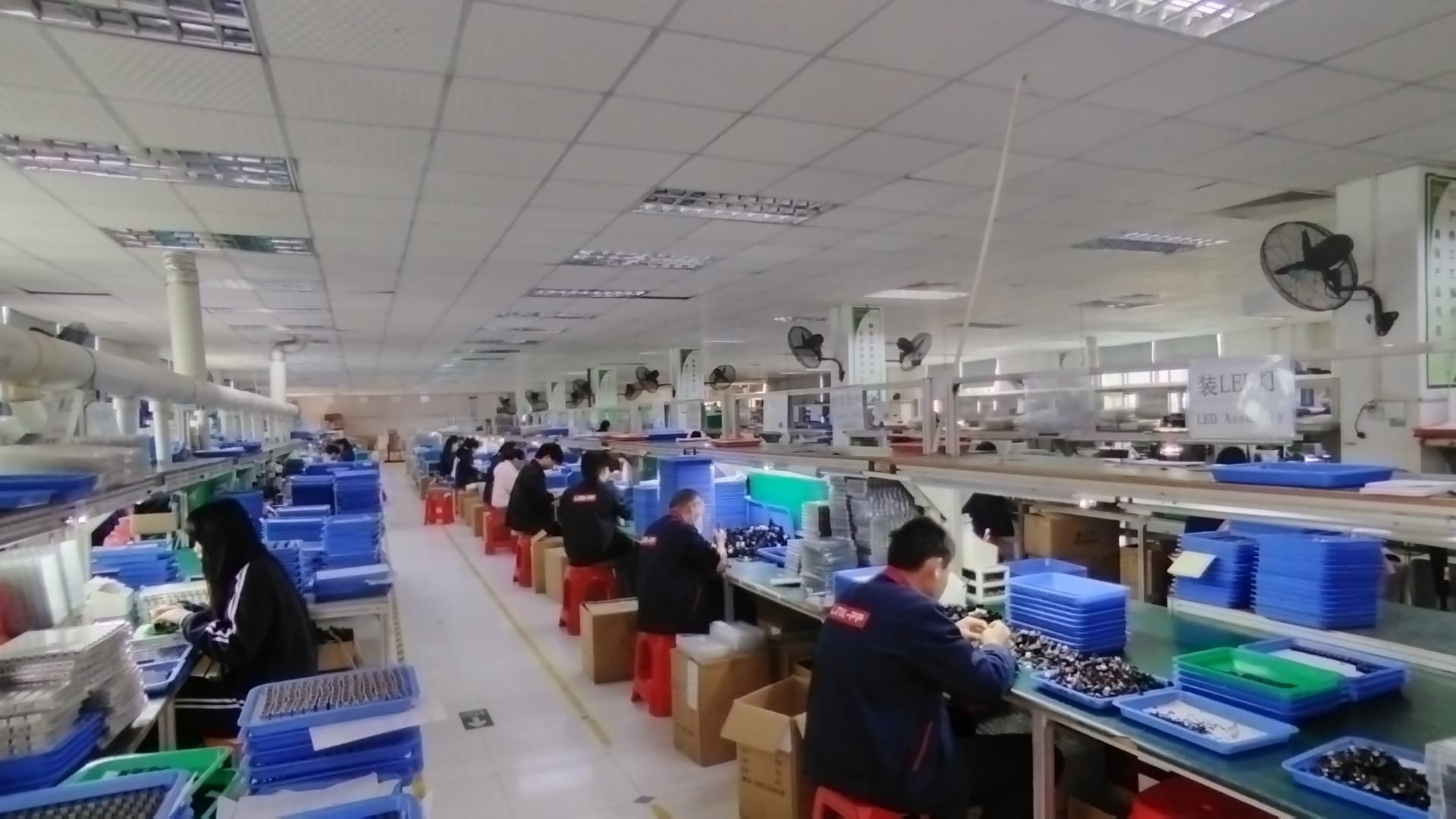
Established in 2016, Xelivor Optoelectronics Co., Ltd. has established a global reputation as a professional manufacturer of high-speed optical transceivers and fiber connectivity solutions. Operating from our advanced manufacturing facility, we manage all production stages, from high-precision packaging to deep firmware validation.
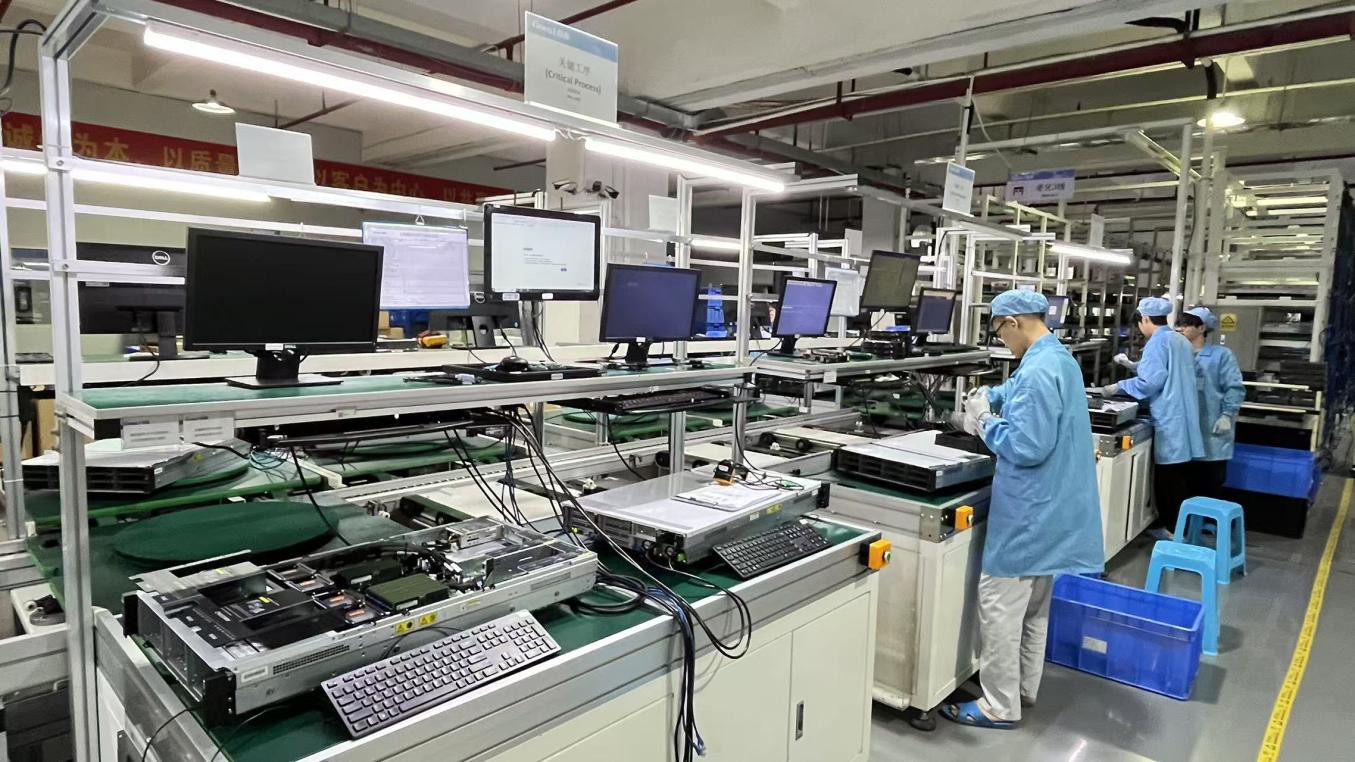
Our facility operates advanced optoelectronic testing labs and automated assembly lines. Backed by a dedicated R&D team of 68 engineers, we focus on high-speed innovation, launching more than 85 new products in the past year to keep pace with global networking demands.
Our quality management system oversees incoming material inspection, in-process quality control, aging tests, compatibility verification, optical parameter testing, and final product inspection. A professional quality assurance team of 32 inspectors ensures every product meets international standards before shipment.
With over 8 years of industry experience and 6 years of export experience, Xelivor has achieved annual export revenues exceeding USD 12 million. We maintain long-term partnerships with more than 850 supply chain partners, enabling stable raw material sourcing, efficient production, and reliable delivery.
Our flexible manufacturing setup supports OEM, ODM, private label options, custom firmware, and specialized labeling to meet the requirements of distributors, system integrators, and telecom operators worldwide.

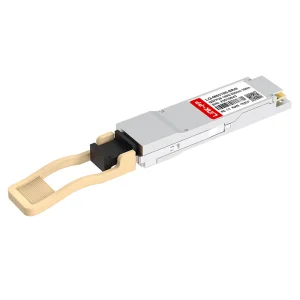
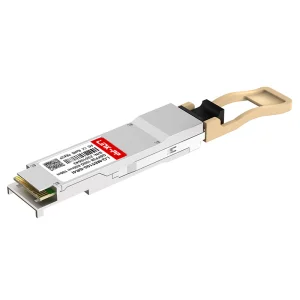
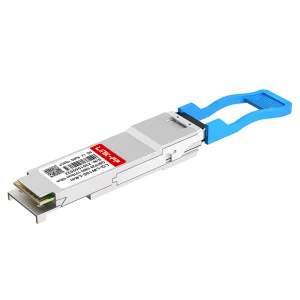
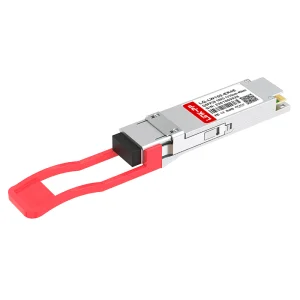
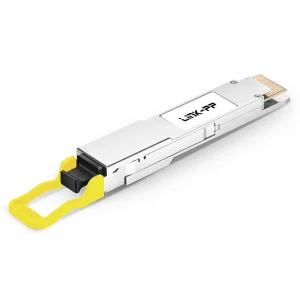
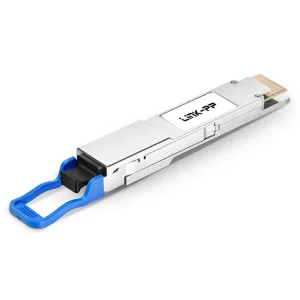
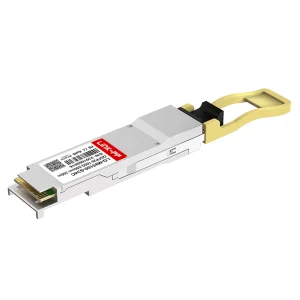
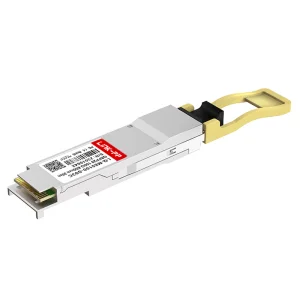
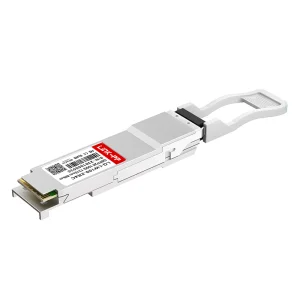
Designed for high density and maximum compatibility. Click on individual products to view specifications and datasheet details.
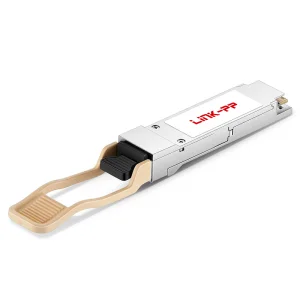
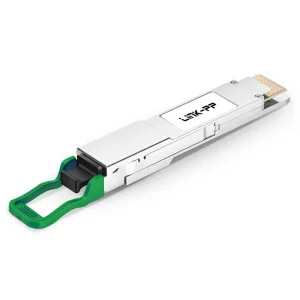
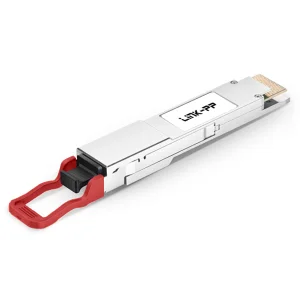
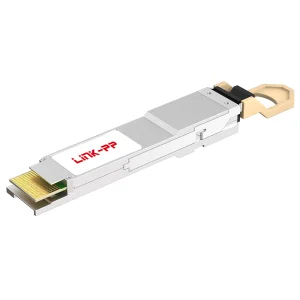
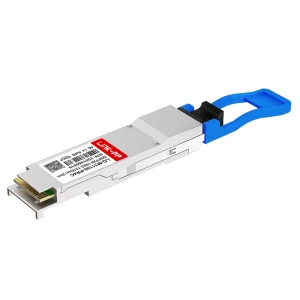
For international procurement teams, sourcing 100G/200G/400G transceivers involves assessing long-term performance, compatibility, and maintenance costs alongside upfront unit pricing. Below is how we support global procurement strategies:
We maintain a multi-vendor testing suite replicating physical environments for major networking platforms, including Cisco, Juniper, Huawei, H3C, Arista, and Dell. Every module is verified on-switch to match original vendor configurations.
High-rate modules (especially 400G QSFP-DD) generate substantial heat. Our transceivers use optimized DSP and optoelectronic designs to keep typical power consumption under 12W, lowering overall cooling costs.
Our QA protocol tracks component quality from the initial TO-can packaging down to final laser calibration. This process keeps our field failure rate under 0.05%, reducing the need for costly replacements in production environments.
We run a dedicated EEPROM coding lab where we customize the transceiver's firmware to match specific host vendor parameters (such as Cisco, Juniper, Edge-Core, or Huawei). This step ensures the host switch recognizes the modules without warning flags, enabling full access to digital diagnostics monitoring (DDM).
Our 100G QSFP28 ER4 utilizes APD receivers and LAN-WDM lasers to support transmission distances up to 40km over standard single-mode fiber (G.652) without amplification. For longer spans up to 80km, the 100G ZR4 is the industry standard. It incorporates an internal optical amplifier (SOA) inside the transceiver to overcome attenuation and dispersion penalties over extended runs.
We supply comprehensive technical dossiers, including component datasheets, design schematics, block diagrams, test reports, and factory ISO certifications. We can also coordinate the delivery of engineering evaluation units directly to designated accredited testing labs in Brazil.
Through our network of over 850 supply chain partners, we secure key optical sub-assemblies (TOSA/ROSA) and DSP chips ahead of production cycles. Our facility manages testing and programming, allowing us to maintain stable lead times even during global supply fluctuations.