Xelivor
Xelivor
Xelivor
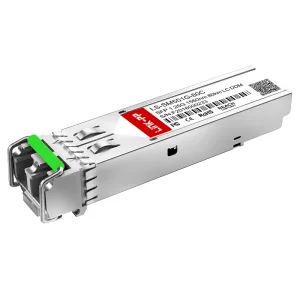
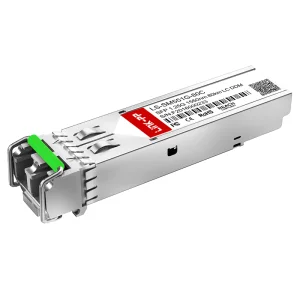
Featured 1.25G Gigabit SFP modules engineered for maximum optical parameter stability and direct compatibility with major enterprise switch brands.
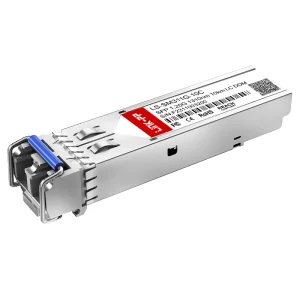
The Tokyo metropolitan area—spanning major financial and industrial sectors such as Chiyoda-ku, Minato-ku, and Otemachi—demands highly resilient, low-latency, and rock-solid network environments. Tokyo operates as one of East Asia's premier cloud and data center hubs, housing major hyperscale centers interconnected through dense dark fiber networks. While 10G, 100G, and 400G transceivers dominate the optical cores, the 1.25G SFP module remains a critical component in edge routing, FTTH infrastructure, industrial factory automation, transit control networks, and corporate access terminals.
Due to the complexity of Tokyo's legacy and new hybrid infrastructures, network engineers require optical modules that support multi-vendor systems and demonstrate high immunity to electromagnetic interference (EMI) in high-density environments. Our SFP transceivers satisfy these demanding requirements, integrating top-tier laser diodes (DFB/FP) and highly sensitive photodetectors (PIN/APD) for consistent packet delivery.
Tokyo's complex infrastructure relies on a mix of modern networks and older legacy fiber lines. The 1.25G SFP provides a crucial bridge, allowing older legacy equipment to communicate with modern multi-gigabit switches without requiring expensive hardware upgrades.
Optimized for Tokyo's vast transit network (including JR East and Tokyo Metro signaling networks) with enhanced electrical-magnetic shielding, ensuring zero packet loss even in environments subject to high vibrations and noise.
Xelivor Optoelectronics Co., Ltd. delivers high-end optical solutions with rapid turnaround times, rigid testing procedures, and customizable OEM configurations.
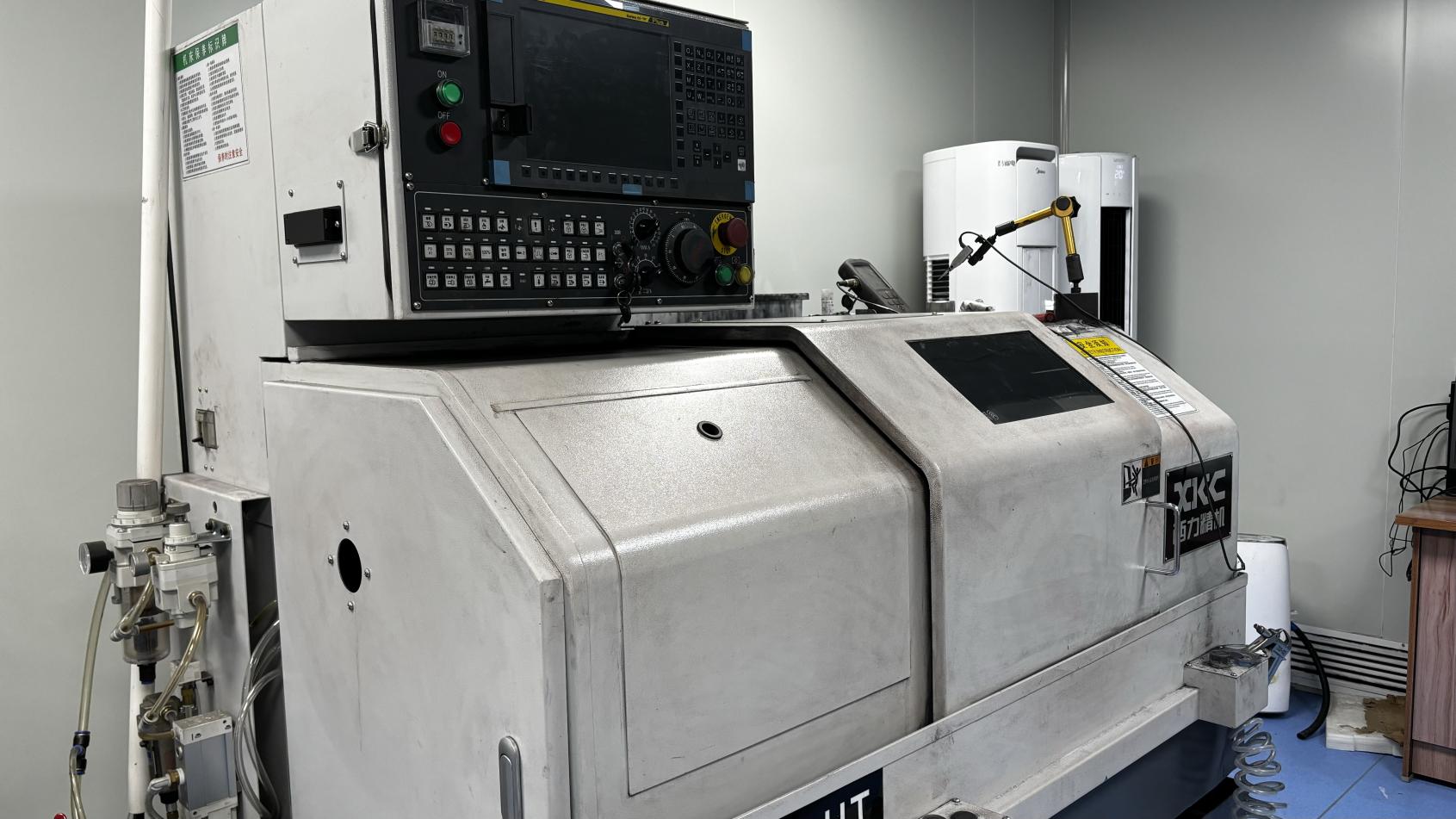
Based in China, Xelivor Optoelectronics Co., Ltd. is a leading manufacturer specializing in high-performance optical transceivers and fiber connectivity solutions. Established in 2016, we maintain a specialized high-precision manufacturing and cleanroom testing facility covering 386 m², dedicated to ensuring top-tier optical alignment and calibration.
We leverage China's unparalleled electronics supply chain to source components from over 850 vetted suppliers, ensuring product stability and rapid manufacturing cycles. Backed by a dedicated R&D team of 68 engineers and an expert quality control department featuring 32 inspectors, we guarantee that every SFP module shipped complies with rigorous international parameters.
We understand that Tokyo network operators deploy hardware from diverse brands (such as Cisco, Allied Telesis, NEC, Fujitsu, and Juniper). To prevent compatibility blockages, Xelivor offers custom firmware modifications and EEPROM coding. We match the exact coding profiles required by your specific switches, enabling 100% plug-and-play operation with fully functional Digital Optical Monitoring (DOM) data.
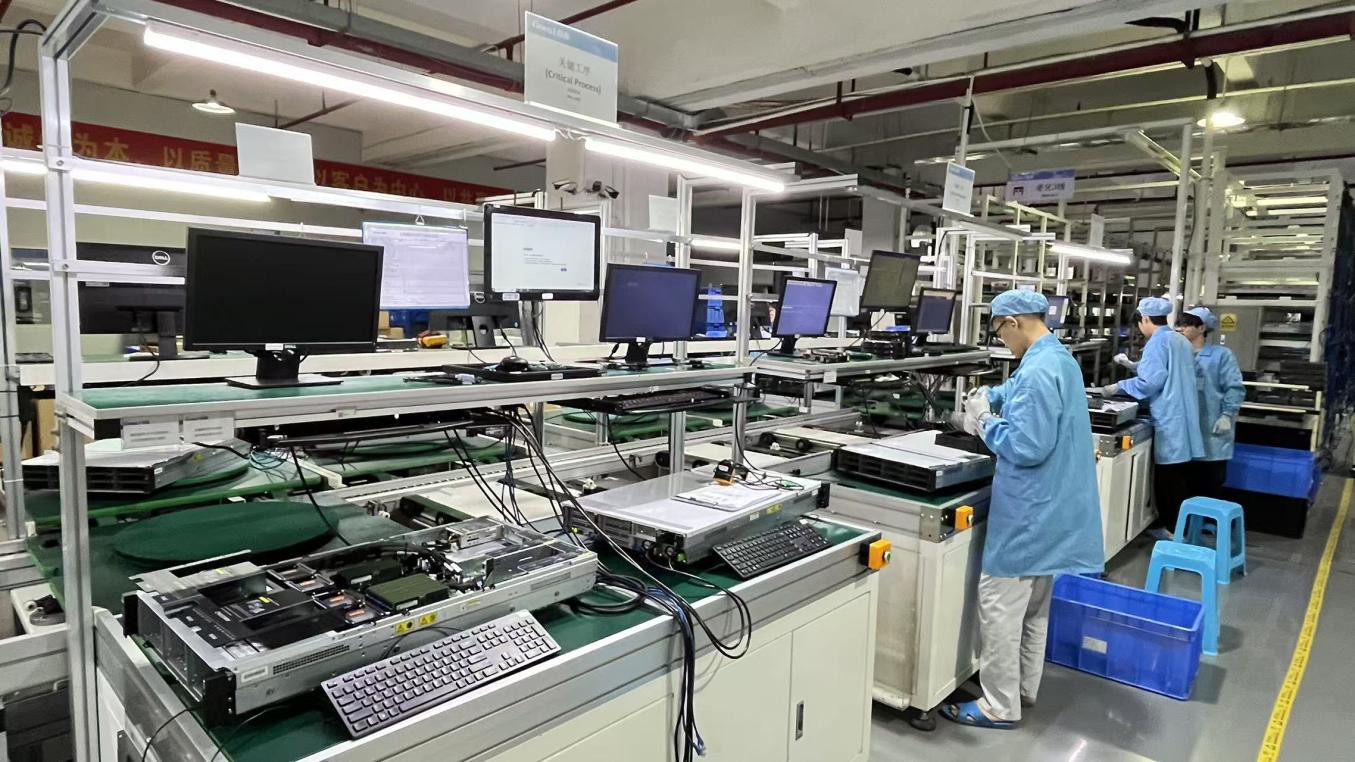
Our quality assurance process integrates real-time BER (Bit Error Rate) sweeps, eye-diagram validation, temperature testing chamber cycles, and strict component screening to ensure an incredibly low failure rate (<0.01%).
Send OEM/ODM Inquiry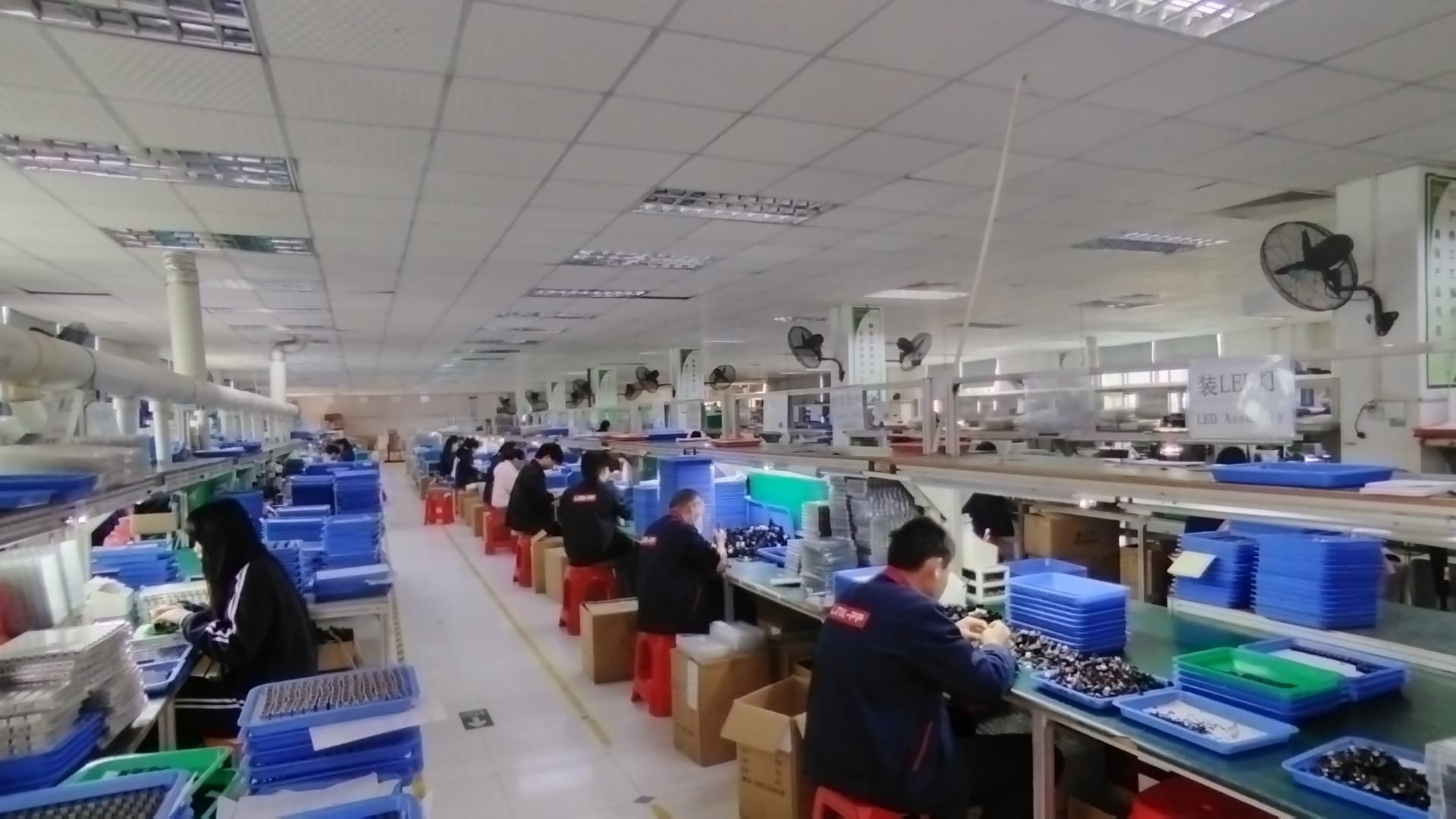

Aligning with Japanese technical compliance, environmental mandates, and integration standards for frictionless procurement.
Our optical transceivers undergo rigorous evaluations to ensure they meet JATE (Japan Approvals Institute for Telecommunications Equipment) and TELEC specifications, certifying electrical and radio-frequency safety.
To operate smoothly inside high-density multi-tenant commercial centers in Tokyo without disrupting adjacent sensitive computing nodes, our modules comply with strict VCCI electromagnetic emission parameters.
Aligned with green initiatives across corporate Tokyo, all materials used in Xelivor transceivers are lead-free and fully compliant with RoHS and REACH regulations, matching the strict standards of corporate Japan.
Where are 1.25G SFP modules deployed in Tokyo's modern digital environment?
Global procurement teams targeting Japan deployment need more than simple hardware; they look for consistency, fast shipments, and professional support. Working with a Chinese direct manufacturer like Xelivor offers significant advantages:
A detailed comparison matrix of our standard 1.25G SFP optical modules available for Tokyo procurement teams.
| Part Category / Standard | Wavelength (nm) | Fiber Type | Connector Type | Max Link Distance | TX Power (dBm) | RX Sensitivity (dBm) |
|---|---|---|---|---|---|---|
| 1000BASE-SX | 850nm | MMF (OM2/OM3) | Duplex LC | 550m | -9.5 to -3 | < -17 |
| 1000BASE-LX/LH | 1310nm | SMF / MMF | Duplex LC | 10km / 20km | -9 to -3 | < -20 |
| 1000BASE-EX | 1550nm | SMF | Duplex LC | 40km | -5 to 0 | < -23 |
| 1000BASE-ZX | 1550nm | SMF | Duplex LC | 80km / 100km | -2 to +3 | < -24 |
| 1000BASE-EZX | 1550nm | SMF | Duplex LC | 120km / 160km | 0 to +5 | < -30 to -34 |
| 1G BiDi (Simplex) | 1310TX / 1550RX | SMF | Simplex LC | 20km | -9 to -3 | < -20 |
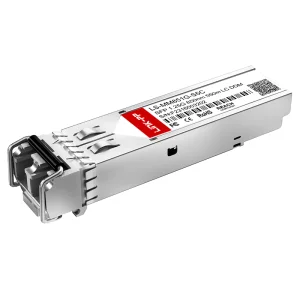
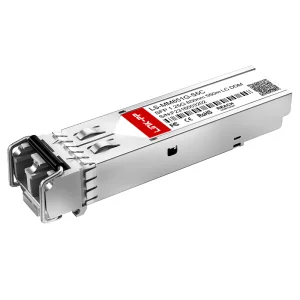
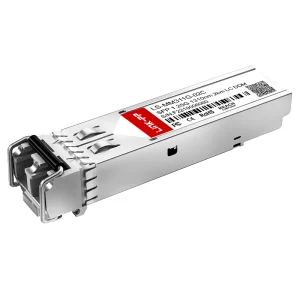
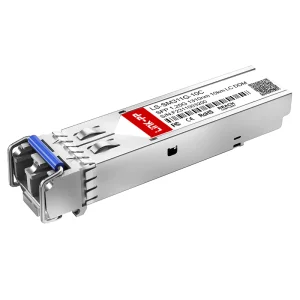
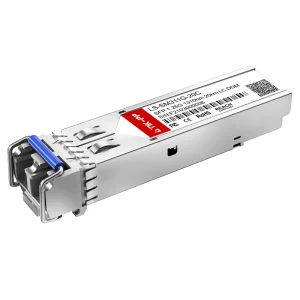
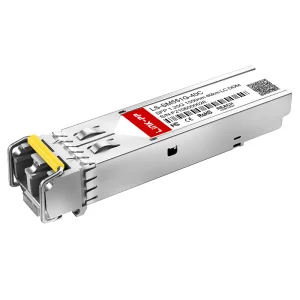
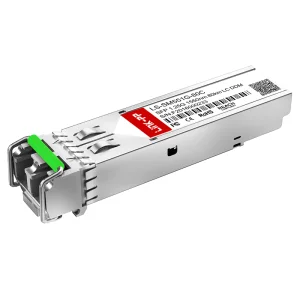
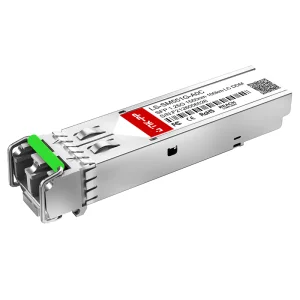
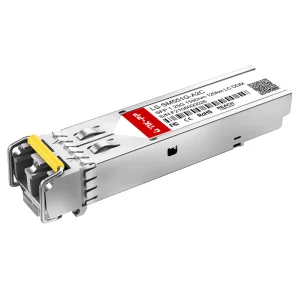
Explore our complete range of high-performance optical modules, utilizing industry-standard form factors and fully customizable DOM support.
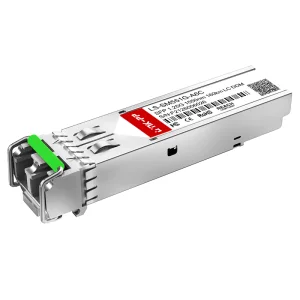
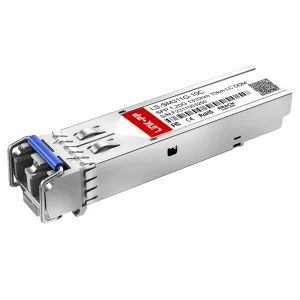
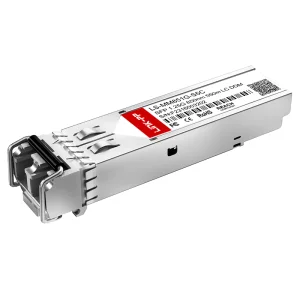
Clear, direct answers regarding industrial applications, distance configurations, and multi-vendor compatibility.
Every batch of our 1.25G SFP transceivers is custom-programmed using the EEPROM memory files specific to our clients' switch environments. We maintain a database of configurations for Allied Telesis, NEC, Fujitsu, and Cisco JP to guarantee 100% host recognition without showing warning messages, complete with real-time DDM/DOM monitoring data.
The classifications define the module's target transmission range and optical wavelength. SX uses 850nm over multimode fiber for short distances (typically up to 550m). LX uses 1310nm for single-mode runs up to 10km or 20km. ZX uses 1550nm for backhaul spans up to 80km, while EZX uses high-sensitivity receivers (like APD detectors) to span ultra-long spans of 120km to 160km without needing inline amplifiers.
This depends on the host switch's configuration. Many enterprise switches feature dual-rate ports (1G/10G) that automatically down-rate to 1G speed when a 1.25G module is detected. However, you must configure the port speed manually to "1000" in the switch's operating system interface, as some devices do not support auto-negotiation for SFP slots.
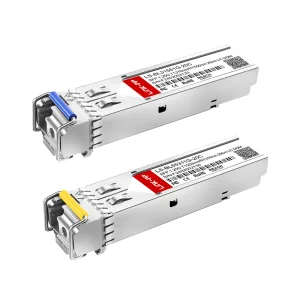
BiDi (Bidirectional) SFP modules transmit and receive data over a single fiber strand using two distinct wavelengths (for example, 1310nm TX / 1550nm RX). In areas like Tokyo where dark fiber leasing rates are high, using BiDi transceivers allows network operators to double their capacity without having to lease new fiber runs.
Our manufacturing facility and products carry CE, FCC, RoHS, and REACH certifications. For our clients in Japan, we supply TELEC (Radio Law) and JATE (Telecom Law) testing reports, verifying that our products comply with local electromagnetic and electrical safety standards.