Xelivor
Xelivor
Xelivor
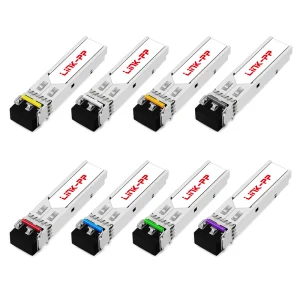
Optimized optical interfaces and modular hardware configured for the high-capacity access layers of local service providers and corporate intranets across Metro Manila.
The telecommunications environment in Metro Manila—encompassing key financial zones such as Makati CBD, Bonifacio Global City (BGC), and Ortigas Center—is undergoing a rapid infrastructure expansion. Driven by an insatiable demand for high-speed fiber internet, mobile broadband expansion, and decentralized corporate networks, ISPs like PLDT, Globe Telecom, and Dito Telecommunity are upgrading their metropolitan rings. Access layers are transitioning from legacy 1G interfaces to 2.5G, 5G, and 6G multi-rate nodes to support next-generation FTTH architectures and 5G cellular fronthaul.
For system integrators, municipal engineering teams, and network operators in Manila, sourcing consistent, carrier-grade transceiver modules is crucial. Operating conditions in tropical urban spaces demand hardware that can withstand high temperatures inside outdoor street cabinets, resist electromagnetic interference (EMI) from dense urban RF fields, and run smoothly under power grid fluctuations. Selecting components designed for industrial reliability ensures uninterrupted service for high-density BPO (Business Process Outsourcing) districts and manufacturing zones in nearby Cavite and Laguna.
• CPRI / Wireless Fronthaul: 6G optical modules provide the critical link interface for CPRI (Common Public Radio Interface) protocols inside LTE-Advanced and mid-band 5G remote radio heads (RRH).
• GPON/EPON Aggregation: 2.5G transceivers form the backbone of local optical line terminal (OLT) aggregation switches, delivering high broadband speeds to residential and commercial sectors.
• Industrial IoT & Smart Grid: Resilient components, including shielded RJ45 modules and optical converters, sustain data collection systems in regional utility stations and ports.
Built to withstand Manila's tropical humidity and heat. Available in industrial operating temperature ranges (-40°C to +85°C) with moisture-resistant housing coatings.
Multi-Source Agreement (MSA) compliant design guarantees seamless operations across diverse setups, including Cisco, Juniper, Huawei, and Mikrotik network switches.
Real-time parameter tracking—including optical output power, receiver sensitivity, operating voltage, and laser temperature—enables predictive maintenance.
Our optical transceivers are engineered using advanced transmitter and receiver architectures to ensure broad network compatibility and minimal signal attenuation.
| Module Configuration | Typical Applications | Interface / Wavelength | Max Distance | Core Benefits |
|---|---|---|---|---|
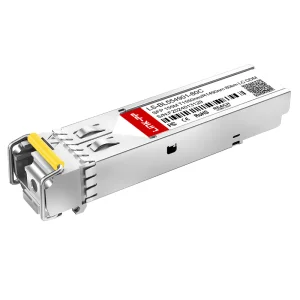
| 2.5G SFP Series | GPON OLT, SDH STM-16, Metro Ring access | Duplex LC / Bidi (1310/1490nm) | 20km - 80km | Low power draw, cost-effective bandwidth scaling |
| 6G SFP+ Series | LTE-A Backhaul, CPRI Option 5/6 wireless hubs | Duplex LC / CWDM / DWDM | 10km - 40km | Jitter-free high-frequency RF transmission |
| 10G / 25G SFP28 | Data center leaf-spine, 5G NR fronthaul | LWDM, CWDM, Duplex SMF LC | 10km - 40km | Optimized optical budget, high density footprint |
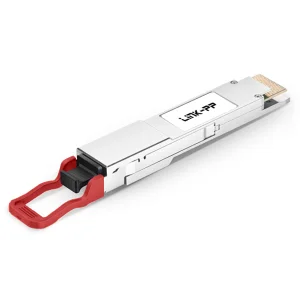
| 100G / 400G QSFP-DD | Hyperscale core networks, DCI (Data Center Interconnect) | 1310nm Duplex LC, PAM4 modulation | Up to 40km (ER8) | Ultimate data throughput, low latency interconnects |
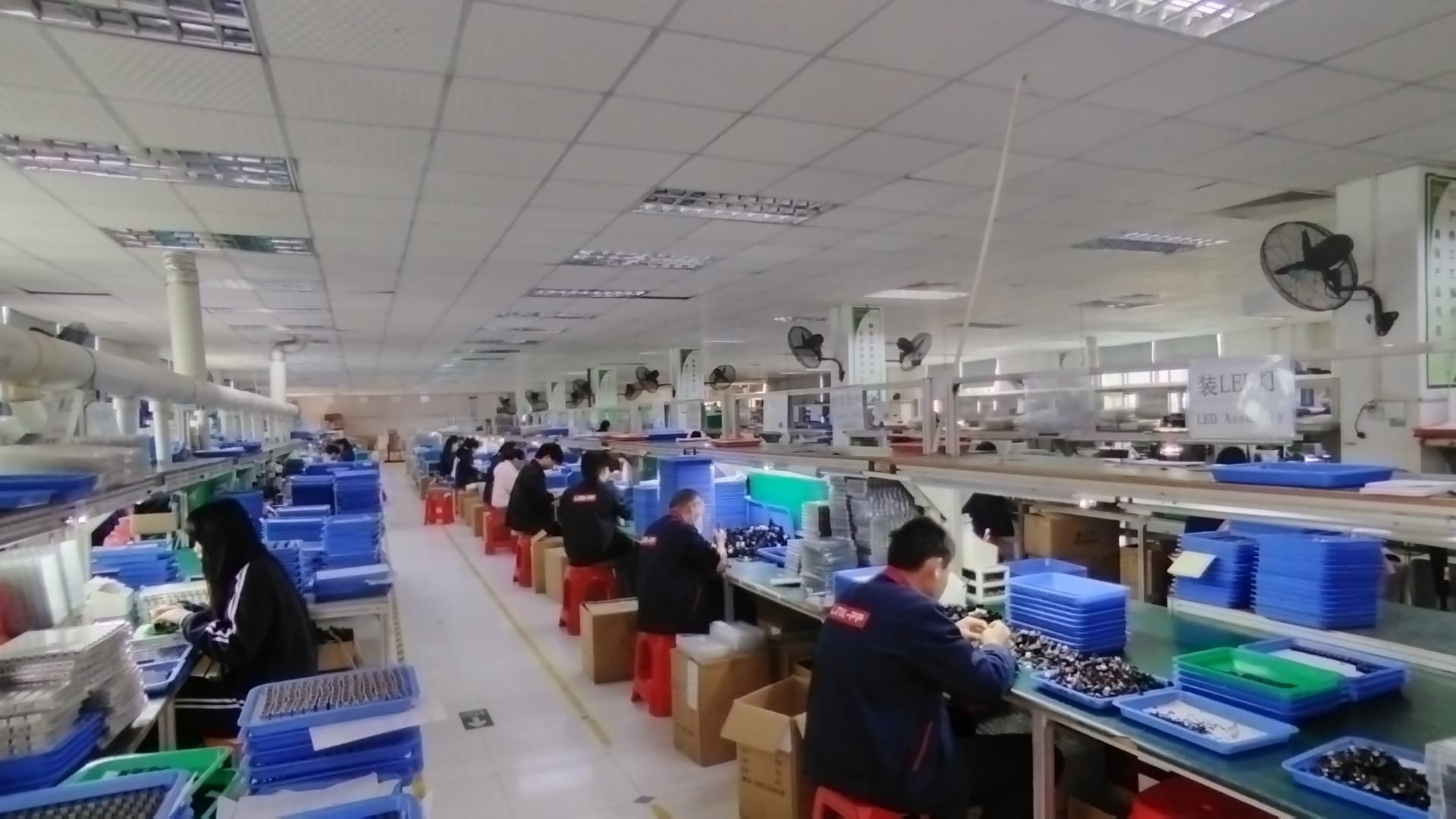
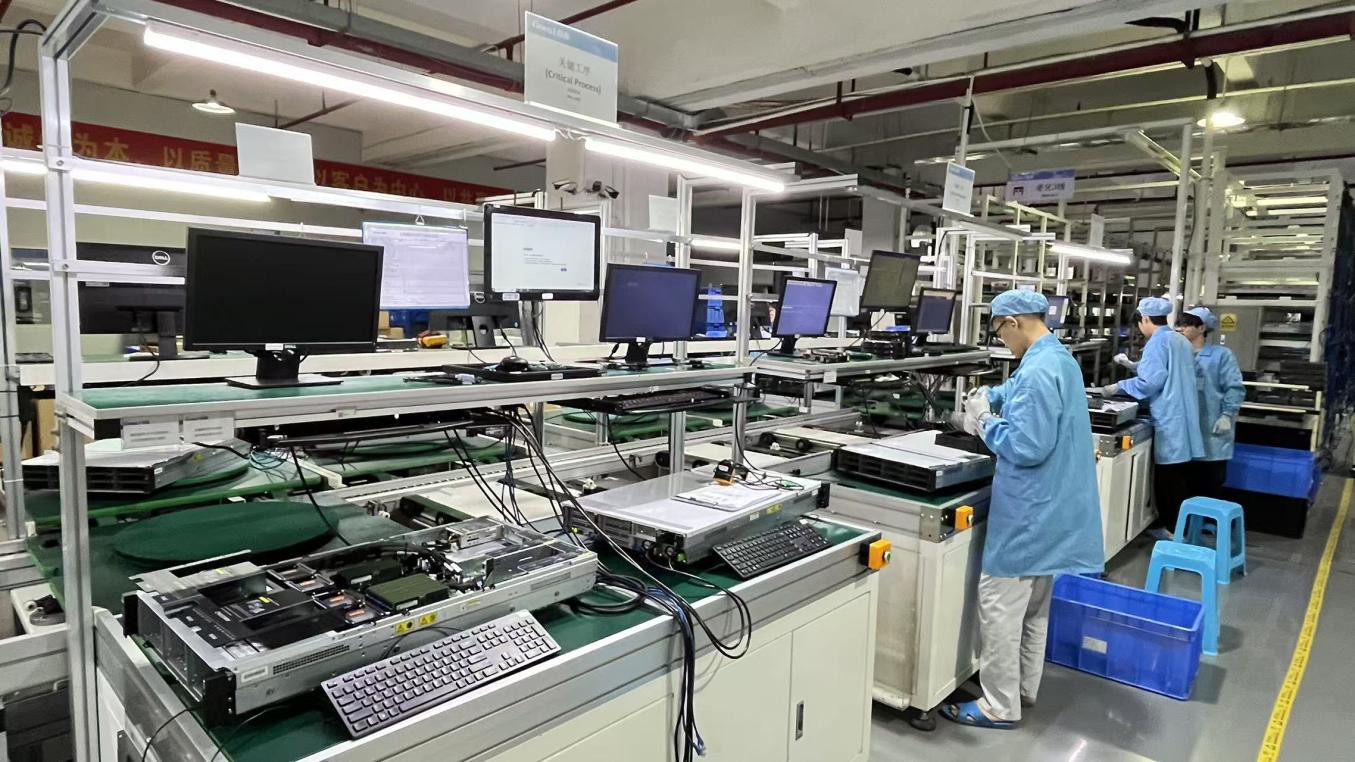
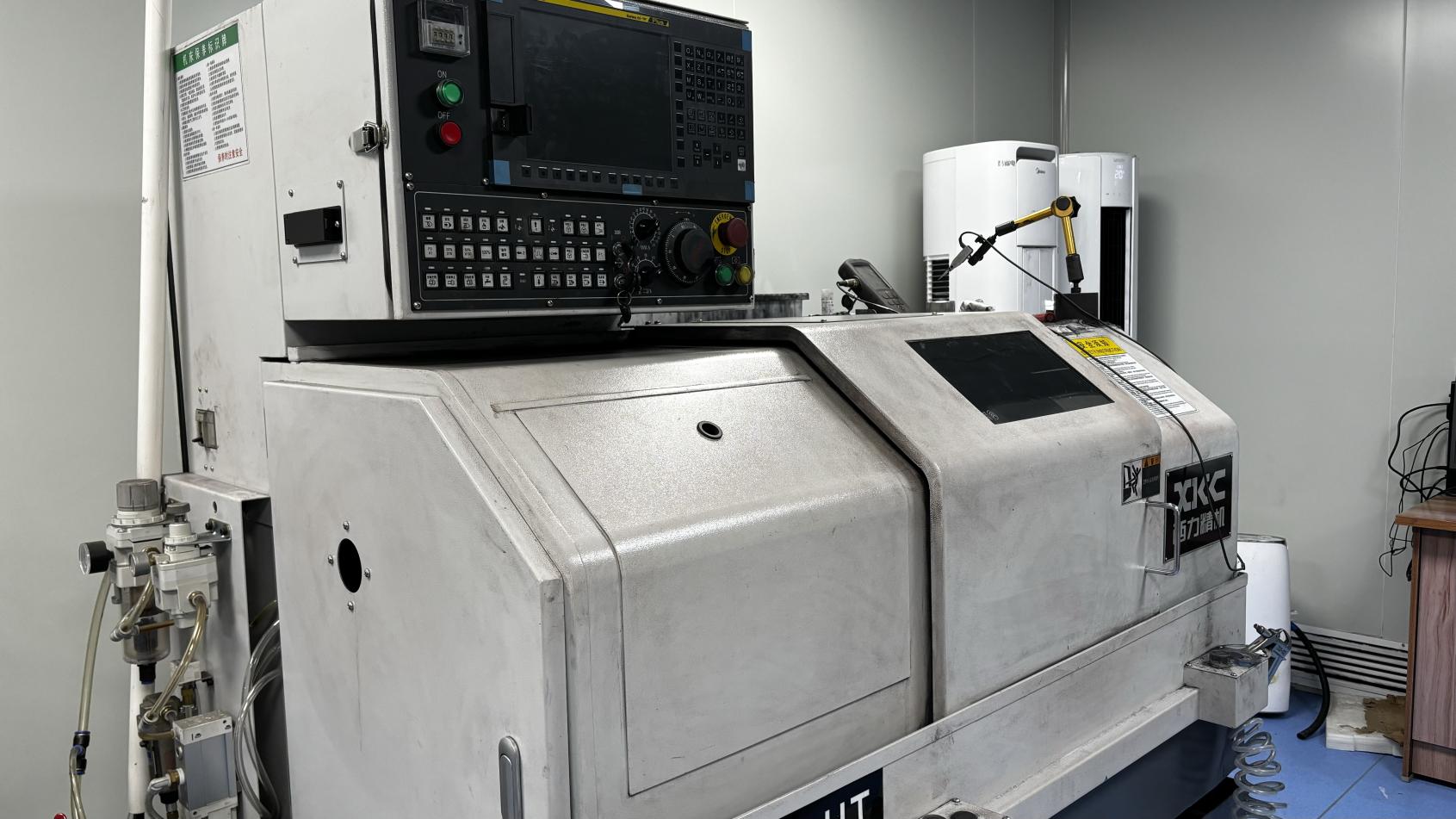
Xelivor Optoelectronics combines state-of-the-art production environments with rigorous quality inspection systems to deliver world-class connectivity products.
Xelivor Optoelectronics Co., Ltd. is a professional manufacturer of optical transceivers and fiber connectivity solutions, dedicated to serving global data center, telecom, enterprise network, and cloud computing industries. Established in 2016, the company operates from a modern manufacturing facility covering 386 m² and has built a strong reputation for delivering reliable, high-performance optical communication products worldwide.
With over 8 years of industry experience and 6 years of export experience, Xelivor has achieved annual export revenues exceeding USD 12 million. Our products are exported to customers across North America, Europe, Southeast Asia, the Middle East, and South America, supporting a wide range of networking applications from enterprise infrastructure to hyperscale data centers.
Xelivor specializes in the design, development, and production of optical transceivers, including SFP, SFP+, SFP28, QSFP28, QSFP-DD, OSFP, DAC, and AOC solutions. Backed by a dedicated R&D team of 68 engineers, the company continuously invests in innovation and launched more than 85 new products in the past year to meet the evolving demands of high-speed optical networks.
Quality is at the core of our operations. Our quality management system incorporates incoming material inspection, in-process quality control, aging tests, compatibility verification, optical parameter testing, and final product inspection. A professional quality assurance team of 32 inspectors ensures every product meets strict international standards before shipment.
The company maintains long-term cooperation with more than 850 supply chain partners, enabling stable sourcing, efficient production, and rapid delivery capabilities. Our flexible manufacturing system supports OEM, ODM, private label, customized firmware, customized labeling, and packaging services to satisfy diverse customer requirements.
As a company with strong independent R&D capabilities, advanced testing equipment, and a customer-oriented approach, Xelivor serves distributors, system integrators, telecommunications operators, data center providers, network equipment vendors, and enterprise customers worldwide.

Engineered system architectures configured to meet the unique challenges of infrastructure projects across Metro Manila.
Supporting high-throughput, low-latency cross-connects between Manila data centers. By integrating 100G and 400G QSFP-DD modules with optimized chromatic dispersion control, we provide seamless point-to-point links across municipal networks.
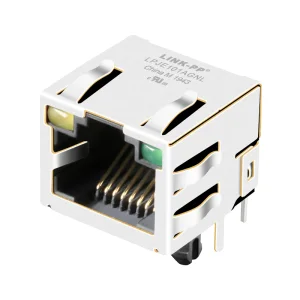
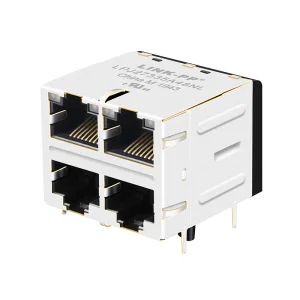
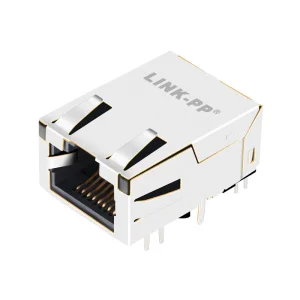
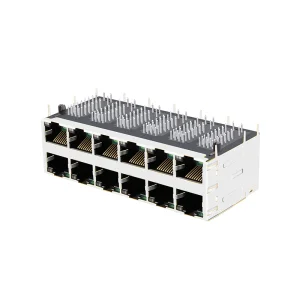
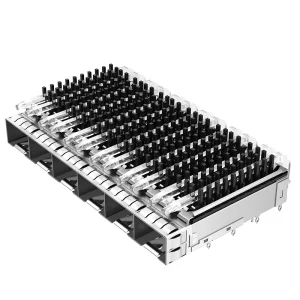
Providing secure, high-density connections for IT-BPO hubs in Quezon City, Pasig, and Taguig. Features shielded SFP cages and integrated magnetic RJ45 connectors to prevent electromagnetic interference and maintain packet integrity.
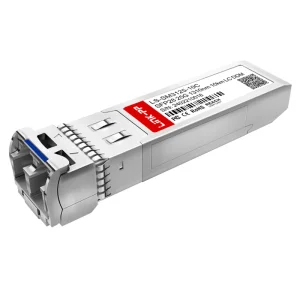
Enhancing carrier networks using 6G SFP+ modules configured for CPRI protocols. Engineered with high-stability DFB/EML transmitters, they deliver low-jitter signal paths from baseband units (BBU) to remote radio units (RRU).
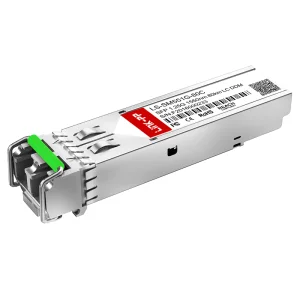
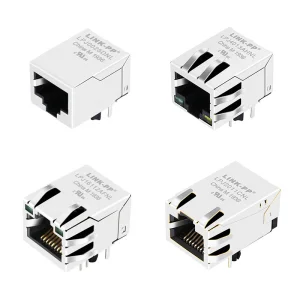
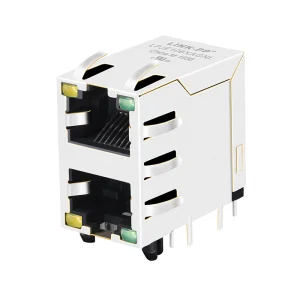
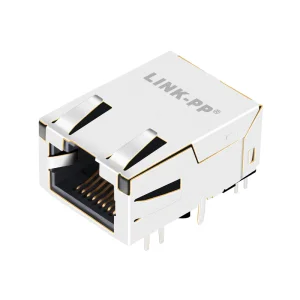
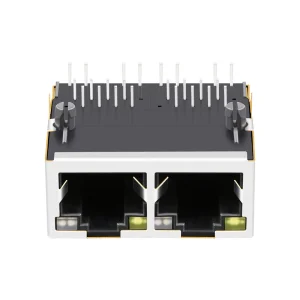
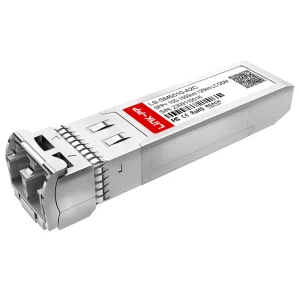
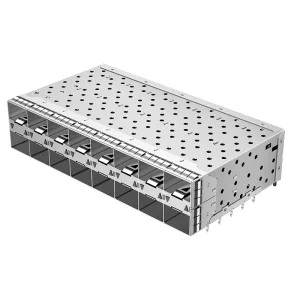
A comprehensive selection of core transceivers, PCB jacks, and SFP shielding cages designed for telecom assemblies and system integration.
Ensuring efficient logistics, custom firmware adjustments, and strict regulatory compliance for our business partners in the Philippines.
We work with established logistics partners to coordinate shipments directly to the Port of Manila (International Container Terminal) or Ninoy Aquino International Airport (NAIA) Cargo Terminal. By managing customs documentation, tax reporting, and product classifications under international HS codes, we minimize customs delays for local distributors and contractors.
Our packaging processes are designed to protect electronic components from physical impacts and electrostatic discharge (ESD) during shipping, ensuring that optical transceivers and modular connectors arrive ready for installation.
We provide compatibility verification for diverse hardware setups. Network operators in Manila often run multi-vendor environments that integrate Cisco, Juniper, and Huawei equipment on a single fiber line. Our engineers write custom EEPROM firmware codes to ensure our modules are recognized by host switches, avoiding vendor lock-in and compatibility errors.
Every module is tested on-site using hardware validation scripts that analyze diagnostic telemetry interfaces (DDM/DOM) to confirm performance metrics prior to packaging.
Common questions regarding the selection, deployment, and environmental tolerance of optical components in tropical metropolitan networks.
Outdoor enclosures in tropical locations like Metro Manila can experience internal temperatures exceeding 65°C due to solar load. Our industrial-grade transceivers are rated for temperatures from -40°C to +85°C, using stabilized lasers and internal heat sinks to prevent thermal degradation and optical output drift.
6G SFP+ transceivers are designed to support the specific data rates needed for CPRI (Common Public Radio Interface) Option 5 (4.915 Gbps) and Option 6 (6.144 Gbps). This helps avoid the power consumption and cost overhead of 10G modules while providing more capacity than 1.25G interfaces, optimizing mobile backhaul setups.
We use a dedicated EEPROM programming setup to configure each transceiver's compliance data according to OEM hardware specifications. This helps prevent initialization issues and compatibility warnings when connecting to different host switches.
Standard production and processing typically take 7 to 14 working days. Delivery to the Port of Manila or NAIA Air Cargo usually takes an additional 3 to 5 days, depending on custom clearance times and local shipping schedules.
Yes. We support custom branding, tailored packaging, and custom labels on all SFP modules, cages, and RJ45 connectors. You can specify compatibility data, custom model numbers, and branding designs during order placement.
Partner with a reliable manufacturer of multi-rate optical modules and network interfaces. Our engineering team can help configure transceivers, customize EEPROM settings, and coordinate shipping for your deployment.