Xelivor
Xelivor
Xelivor
High-performance transceivers matching Geneva's ultra-low latency & stringent optical budget requirements
Annual Export Revenues
Dedicated Optical R&D Team
Launched Annually
Global Supply Chain Network
How Geneva's unique position as a hub for science, finance, and international governance dictates optical network specs
Geneva, Switzerland, stands as a critical vertex in the global information superhighway. Home to some of the world's most intensive computing clusters—including the computing grid for the European Organization for Nuclear Research (CERN), hundreds of private private banks, and international institutions like the UN, WTO, and WHO—the city demands optical connectivity architectures characterized by maximum throughput, rock-solid physical layer reliability, and complete protocol compatibility. In this dense ecosystem, the 40G QSFP+ (Quad Small Form-factor Pluggable Plus) module continues to serve as a pivotal standard, ensuring seamless transition channels and robust link performance between core, aggregation, and access layer devices.
As networks in Geneva transition from legacy 10G networks to 40G, 100G, and even 400G infrastructures, high-quality 40G QSFP+ optical transceivers provide the necessary economic efficiency and technical reliability. For system integrators, data center operators, and telecom providers in the Canton of Geneva, choosing a reliable exporter and manufacturer capable of matching Swiss quality expectations while offering competitive global pricing is paramount. This whitepaper analyzes the engineering landscape, deployment criteria, supply chain factors, and localization standards of 40G QSFP+ transceivers in Geneva.
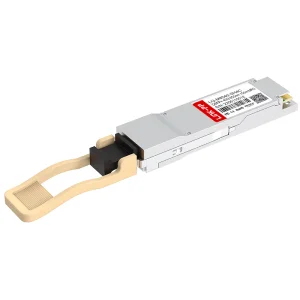
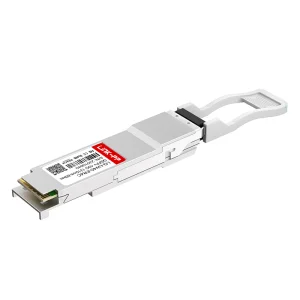
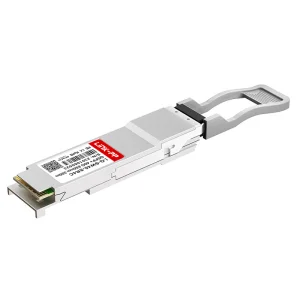
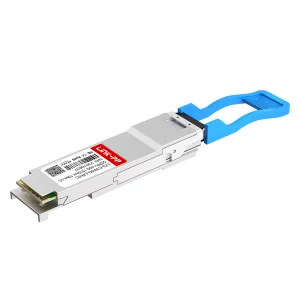
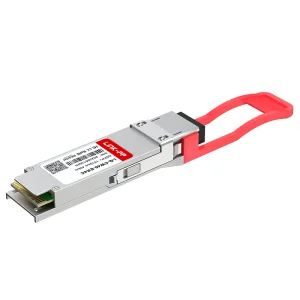
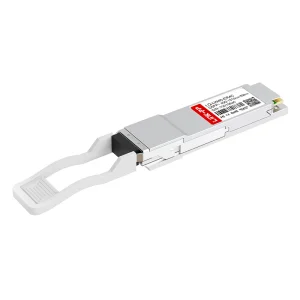
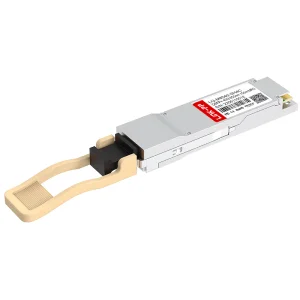
The 40G QSFP+ standard represents a significant upgrade over traditional SFP+ modules. By integrating four independent transmit and receive channels, each operating at 10 Gbps (via IEEE 802.3ba standards), a single QSFP+ transceiver delivers aggregate 40 Gbps bandwidth. This parallel design allows operators to optimize rack space, reduce power consumption, and scale bandwidth dynamically.
| Standard | Fiber Type | Connector Type | Wavelength | Max Link Distance | Ideal Application |
|---|---|---|---|---|---|
| 40GBASE-SR4 | Multimode (MMF) | MPO-12 / MTP | 850 nm | 100m (OM3) / 150m (OM4) | Intra-rack, switch-to-switch in data centers |
| 40GBASE-SR BiDi | Multimode (MMF) | Duplex LC | 850 nm / 900 nm | 100m (OM3) / 150m (OM4) | Upgrading 10G LC links to 40G without cable refit |
| 40GBASE-LR4 | Single Mode (SMF) | Duplex LC | 1271, 1291, 1311, 1331 nm (CWDM) | 10 km | Inter-building campus links, Metropolitan backbones |
| 40GBASE-ER4 | Single Mode (SMF) | Duplex LC | 1271, 1291, 1311, 1331 nm (CWDM) | 40 km | Long-haul telco loops, dispersed research networks |
| 40GBASE-ZR4 | Single Mode (SMF) | Duplex LC | 1271, 1291, 1311, 1331 nm (CWDM) | 80 km | Regional Swiss metro backhauls, disaster recovery sites |
Enterprise and colocation facilities in Geneva (such as Safe Host, Equinix GV series, and local private clouds) continuously weigh the cost benefits of MMF vs SMF transceivers. 40GBASE-SR4 utilizes MPO-12 connectors, transmitting 4 separate channels of 10G over parallel fibers. While the modules themselves are highly cost-effective, the installation of high-density parallel MPO cabling represents a capital expenditure factor. Conversely, single-mode solutions like 40GBASE-LR4 employ Coarse Wavelength Division Multiplexing (CWDM) to combine four 10G signals onto a single pair of LC duplex fibers. This enables transmission over distances up to 10 kilometers without deploying new fiber routes, preserving valuable campus cable plants.
For operations aiming to minimize infrastructure upgrades, BiDi (Bidirectional) transceivers are highly preferred. Utilizing a dual-wavelength design (850nm and 900nm) on a single LC duplex multimode fiber, BiDi modules allow data centers to reuse their existing 10G OM3 or OM4 LC cabling directly for 40G connectivity, resulting in massive savings in both materials and labor costs.
Why procurement managers and IT architects in Geneva trust Xelivor’s industrial optical solutions
Every 40G QSFP+ module undergoes rigorous, brand-specific EEPROM coding and testing to match systems from Cisco, Arista, Juniper, HPE, and Dell, eliminating vendor-lock cost penalties.
Built with optimized internal circuitry and premium TOSA/ROSA lasers, reducing jitter and signal loss—crucial for high-frequency trading platforms in the Geneva financial sector.
Fully certified under international environmental and safety frameworks, complying with Swiss Federal Act on Data Protection (FADP) hardware safety baselines and European standards.
How Xelivor marries massive production efficiency with premium, high-yield quality control systems
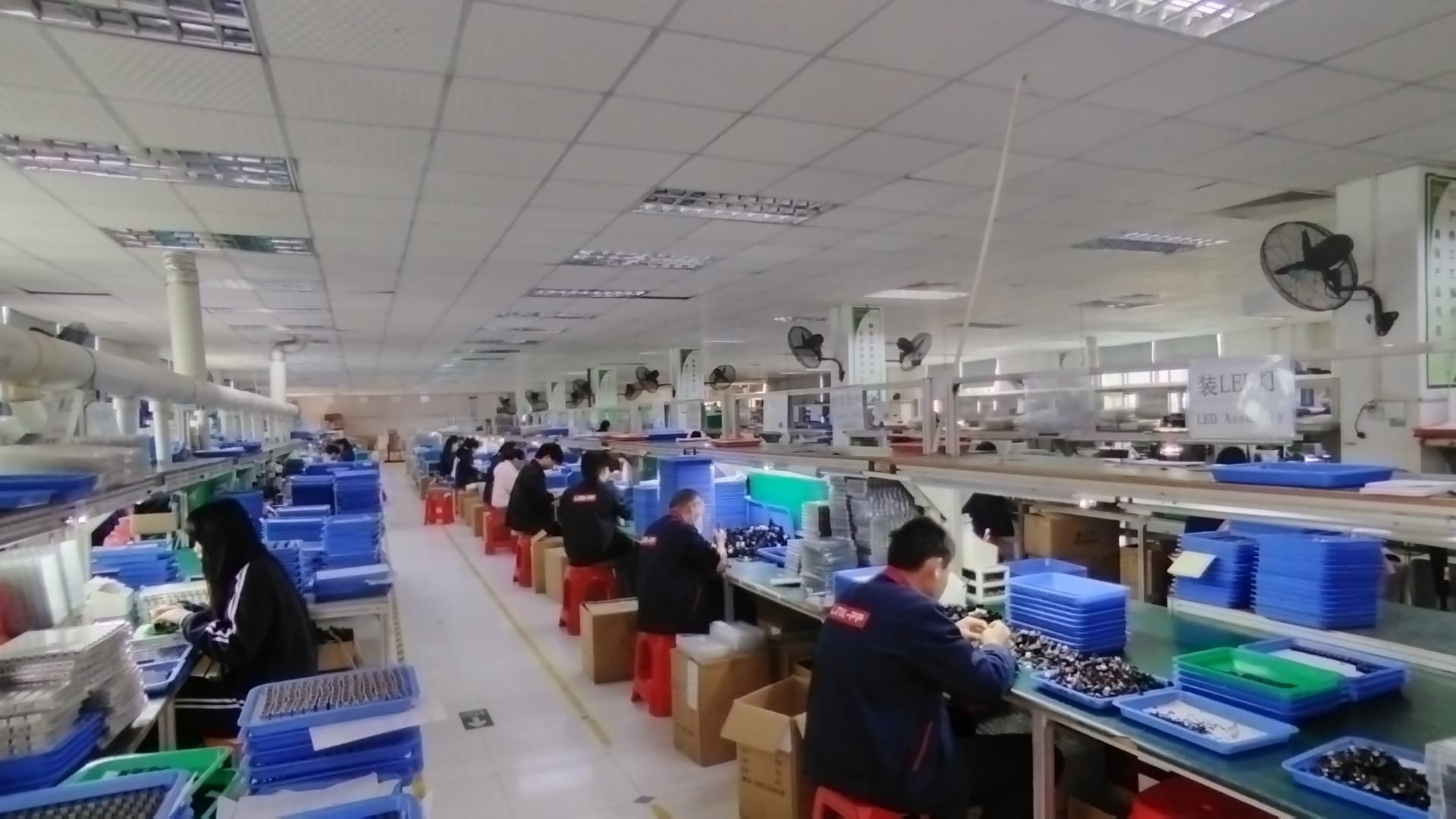
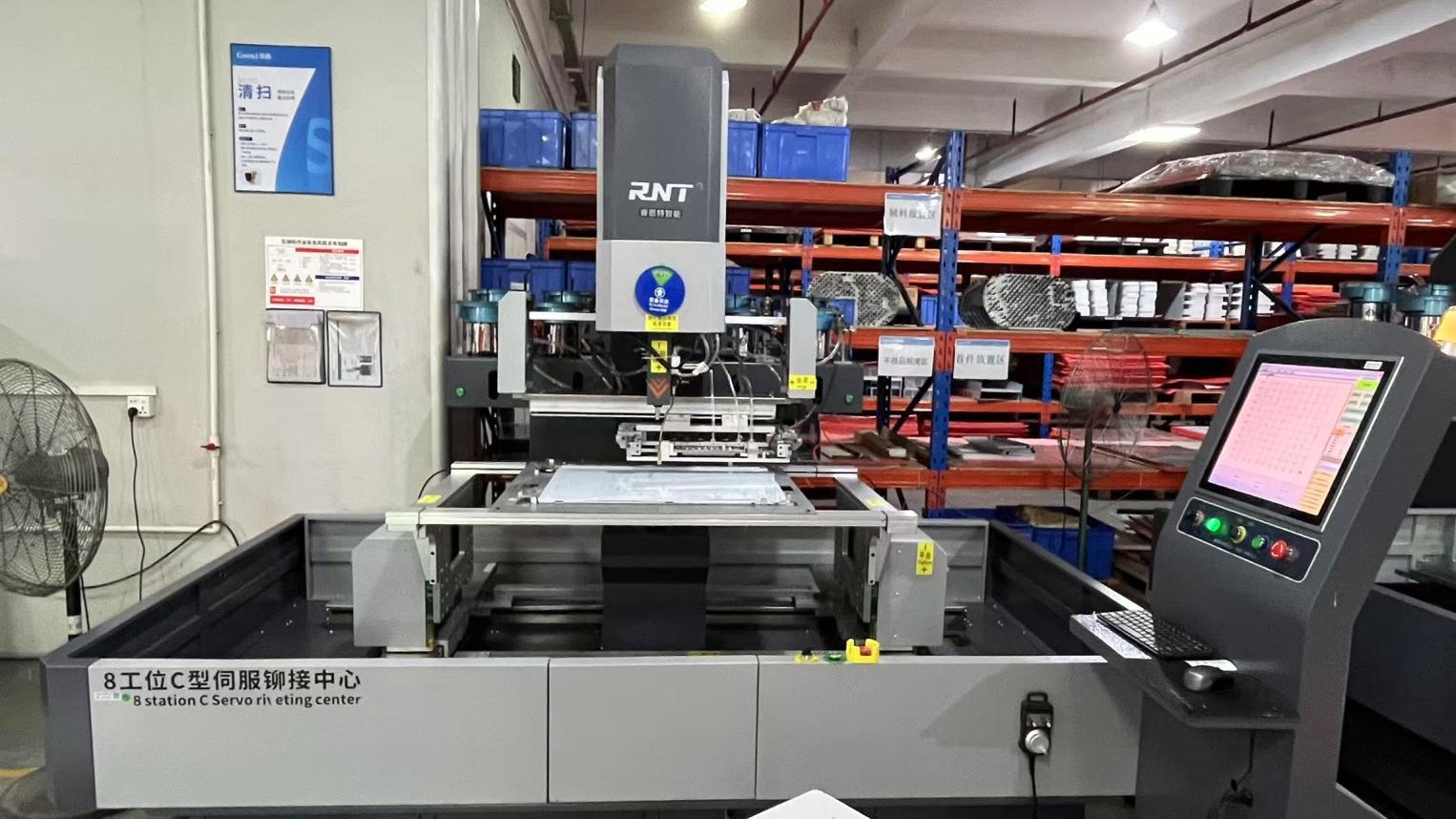
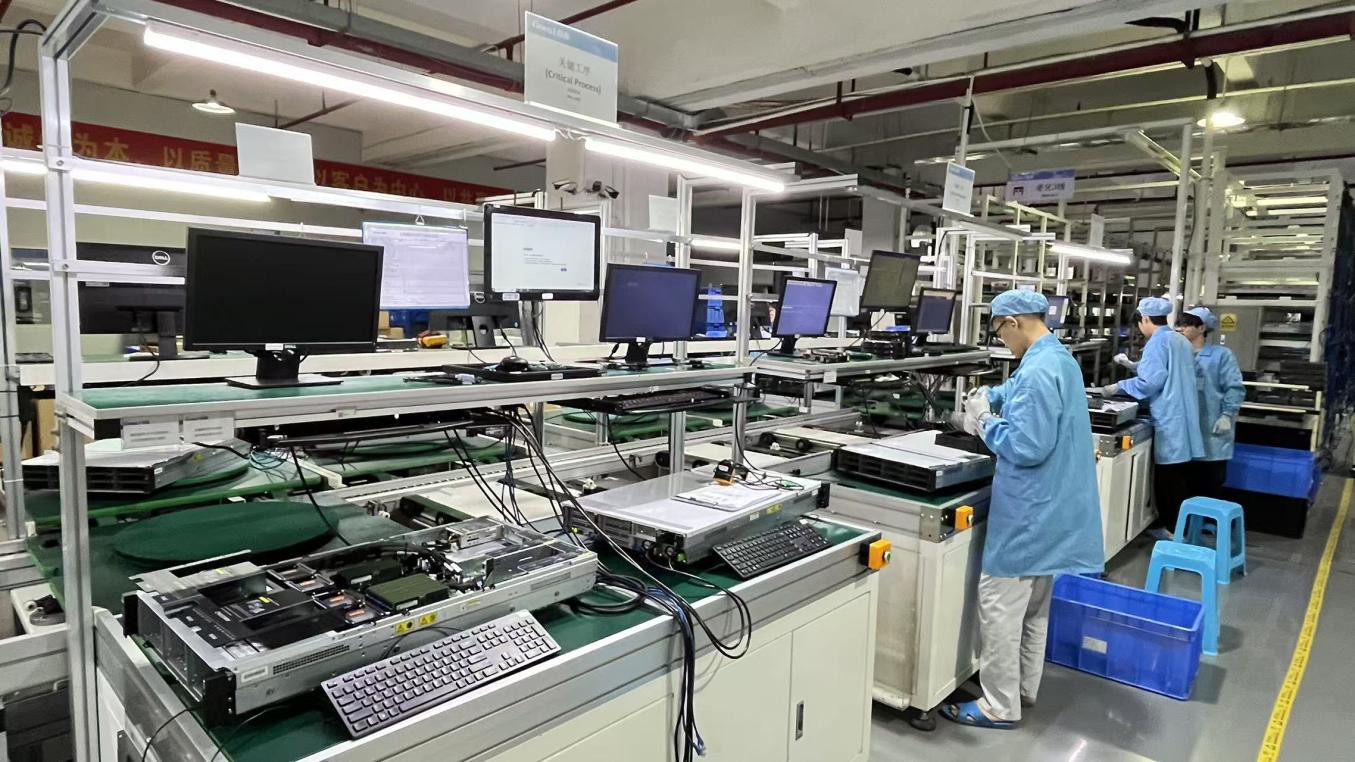
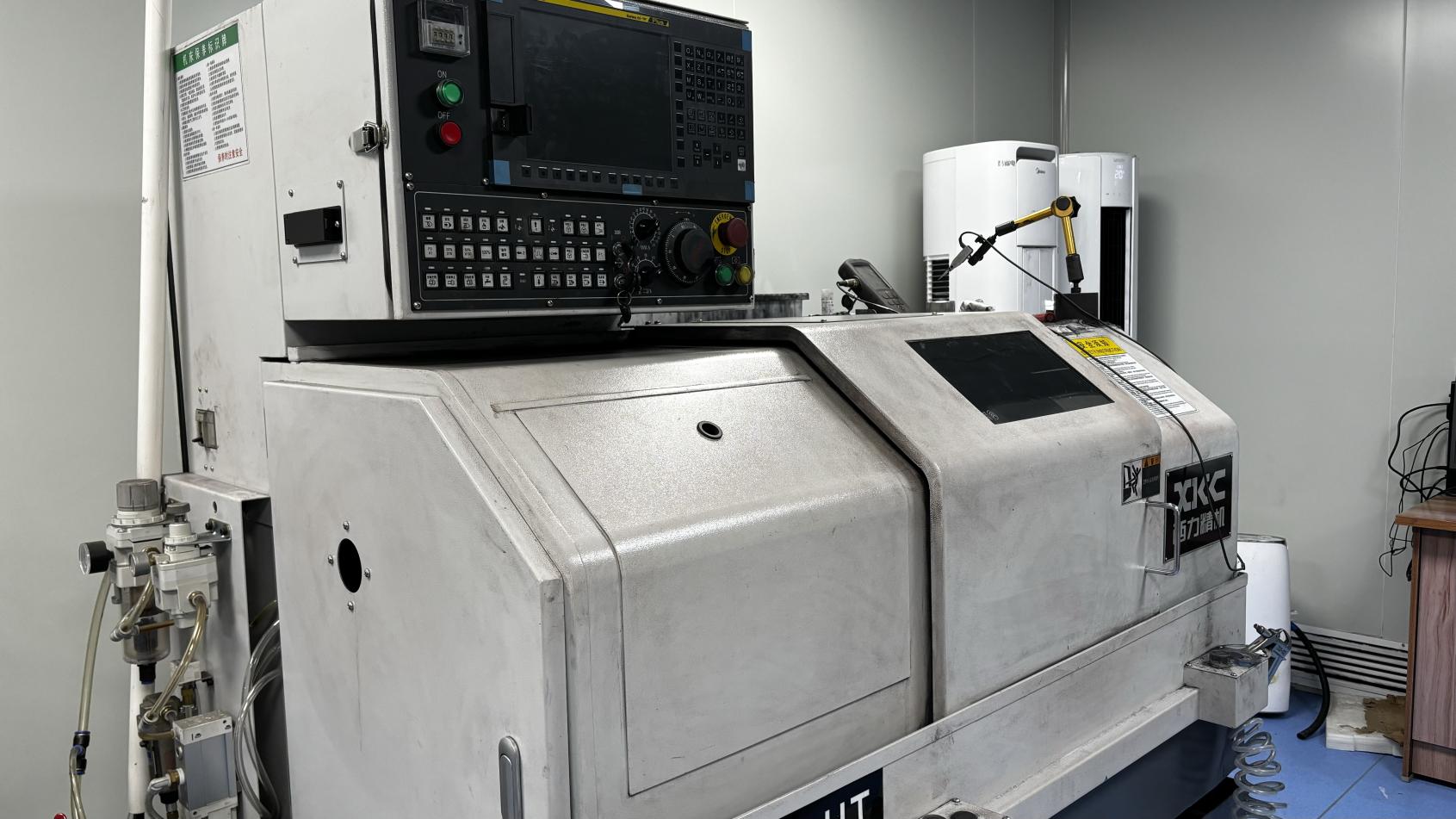
Xelivor Optoelectronics Co., Ltd. serves as a leading global manufacturer and exporter of advanced optical transceivers and high-density connectivity products. Operating out of a state-of-the-art facility utilizing automated high-frequency testing benches, precise pick-and-place robotics, and cleanroom packaging environments, we build modules that perform flawlessly under extreme temperature fluctuations and continuous traffic loads. Our manufacturing facility spans an expertly organized modern area optimized for rapid throughput, ensuring short lead times even for large-scale infrastructure deployments.
Our quality system is rooted in zero-defect principles. A specialized quality assurance team of 32 expert inspectors monitors every phase of the manufacturing process, from raw materials screening to the final shipping inspection. We conduct mandatory 100% active aging tests, compatibility confirmation across 80+ switch platforms, and precise optical performance verification (measuring TX optical power, RX sensitivity, and eye diagram paths) on every single module. Backed by 68 R&D engineers, Xelivor continually updates transceiver firmware to guarantee full digital diagnostic monitoring (DDM/DOM) integration, giving network administrators in Geneva real-time visibility into laser temperature, bias current, supply voltage, and received optical power.
We understand that supply chain agility is a top priority for Swiss enterprises. Working with more than 850 verified supply chain partners, we ensure a steady supply of high-grade raw components, shielding our customers from semiconductor shortages and logistics bottlenecks. Our close partnership with major air freight services ensures that orders reach Geneva Airport (GVA) quickly. Furthermore, we handle all export documentation, providing compliance certifications, custom tariff codes (HS Codes), and packing declarations to guarantee smooth customs clearance in Switzerland.
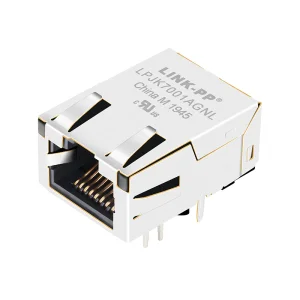
Explore our full line of compatible transceivers, interconnect adapters, and chassis enclosures
Inside Xelivor's high-tech manufacturing plant where reliability meets innovation
Direct engineering answers regarding compatibility, compliance, and custom optical firmware
Get in touch with our optical engineering team today to review your link budgets, compatibility profiles, and request evaluation samples.
Send Inquiry Now