Xelivor
Xelivor
Xelivor
Engineered for high mechanical vibration resistance, reliable pin retention, and exceptional lifecycle performance in harsh industrial plant layouts.
Nagoya and the broader Aichi Prefecture represent the absolute global benchmark for physical manufacturing, widely referred to as *Monozukuri*. Dominated by automotive titans, heavy aerospace engineering, and industrial robotics integrators, the local procurement landscape is defined by zero-defect tolerances and strict adherence to environmental regulations.
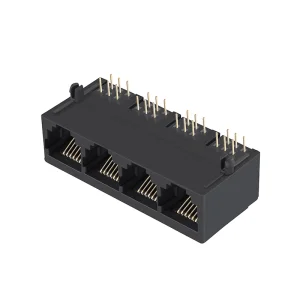
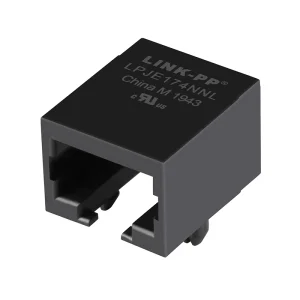
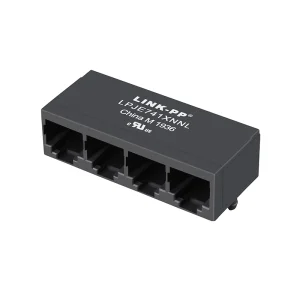
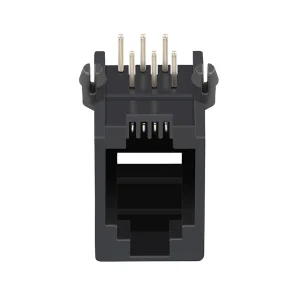
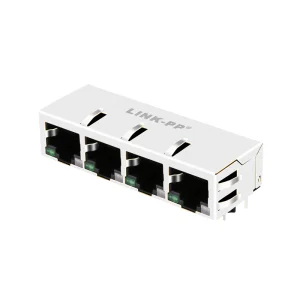
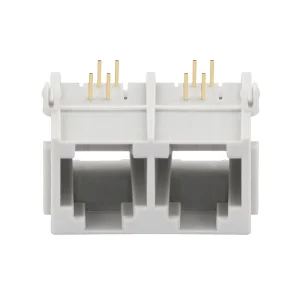
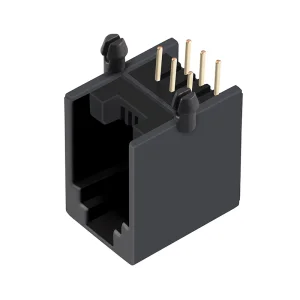
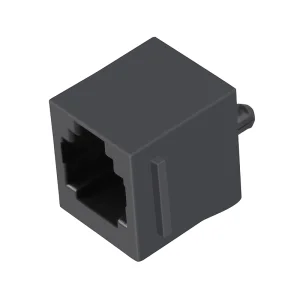
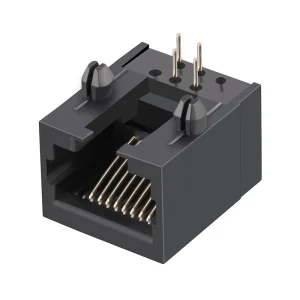
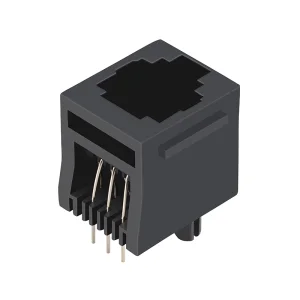
In Nagoya's highly automated factories, RJ11 and RJ12 modular interfaces serve as vital nodes for RS-232, RS-485, and Modbus serial loops, connecting programmable logic controllers (PLCs), optical sensors, stepper motor drives, and legacy CNC diagnostic ports. A single component failure in a fast-cycling assembly line can trigger thousands of dollars per minute in downtime. Therefore, modular jacks must possess excellent mechanical resilience, high thermal tolerances, and robust gold-plating options to survive constant shop-floor vibration and environmental oxidation.
| Parameters | Commercial-Grade RJ11 | Xelivor Industrial-Grade (Nagoya Spec) | |
|---|---|---|---|
| Gold Plating | Flash to 3u" | 15u" to 50u" Heavy Gold Plating options | High-frequency mating cycles, corrosion prevention |
| Operating Temp | -20°C to +70°C | -40°C to +85°C Industrial Standard | Reliable in dynamic factory environments |
| Housing Material | Standard PBT / ABS | LCP / High-Temp Nylon (UL94V-0 Rated) | Supports SMT reflow profile up to 260°C |
| Mating Cycles | Min 500 cycles | Min 750 to 1,000 mating cycles | Longevity under repetitive physical testing |
How Xelivor combines high-density automated production lines with strict Japanese QC expectations to build future-ready telecom and data interconnect solutions.
Globally, procurement departments are navigating intense cost reduction directives alongside strict requirements for supply chain resilience. Traditional domestic Japanese electronic components components manufacturers, while renowned for their quality, often struggle with longer lead times and high capital expenditures for customized layouts. Sourcing directly from modern Chinese facilities provides Nagoya system integrators with a vital strategic alternative.
By partnering with Chinese manufacturing centers like Xelivor Optoelectronics Co., Ltd., procurers gain access to vertically integrated component ecosystems, high R&D agility, and large-scale manufacturing efficiencies. This structural cost advantage enables businesses to invest in thicker contact gold plating, enhanced shielding, and customized packaging without stretching project budgets.
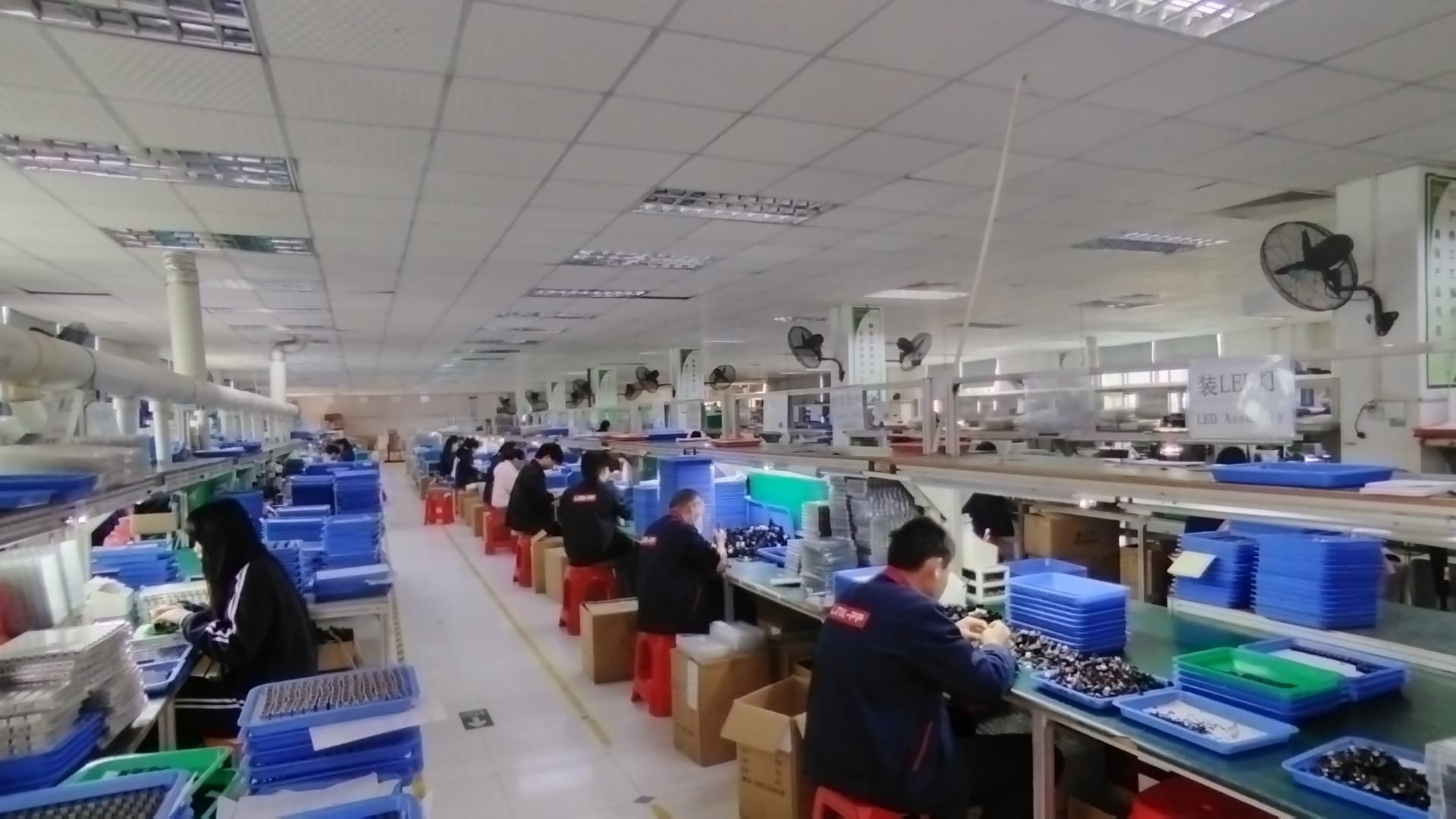
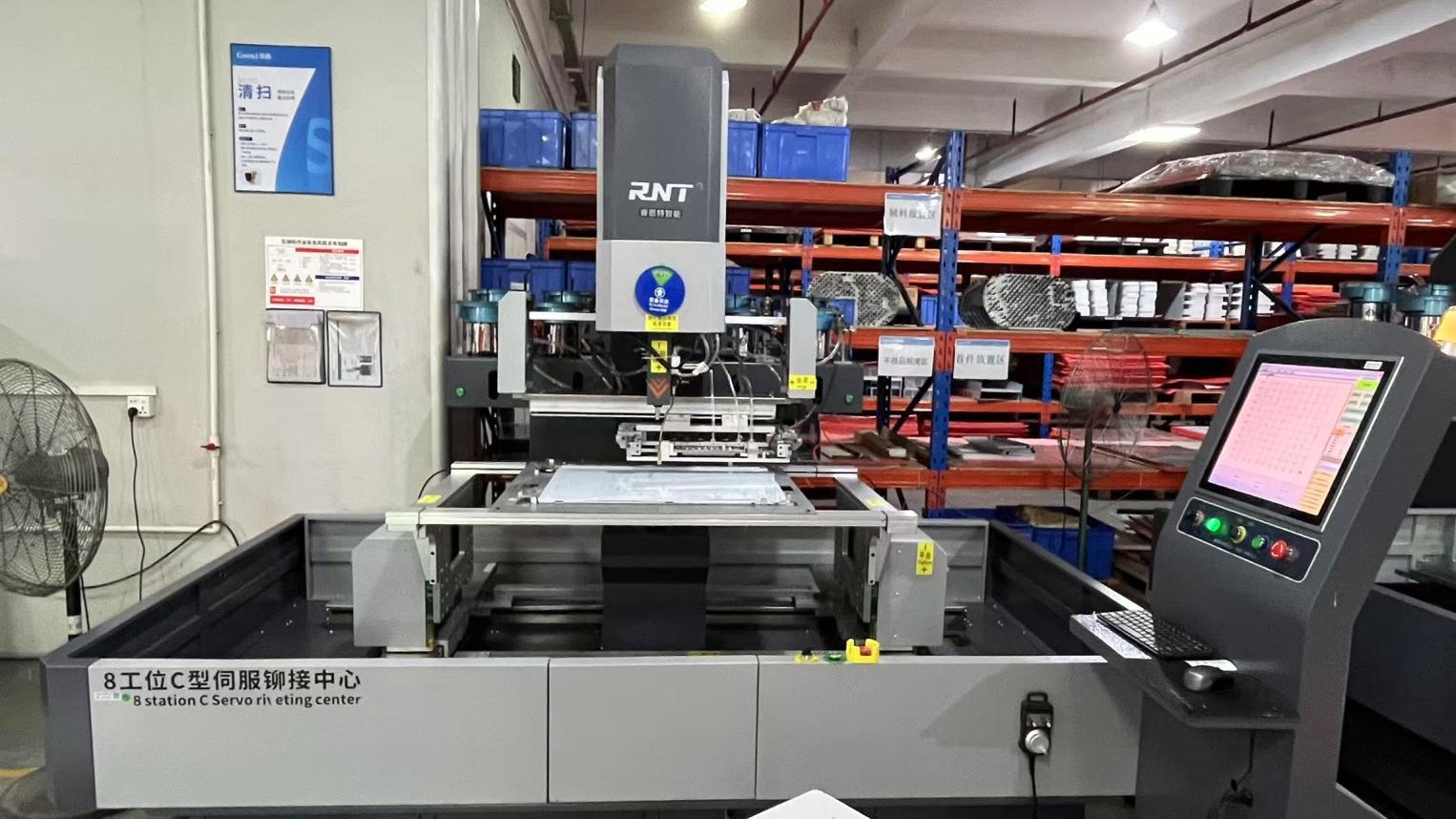
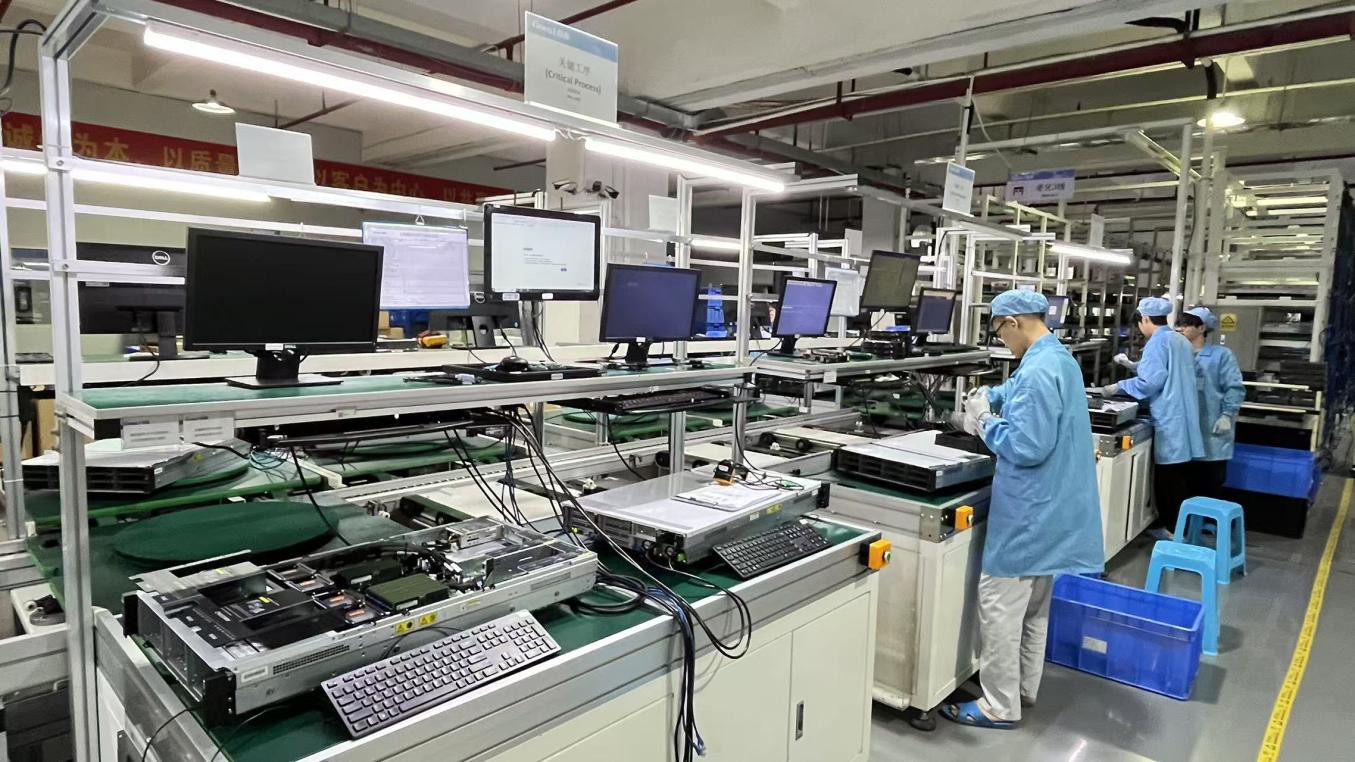
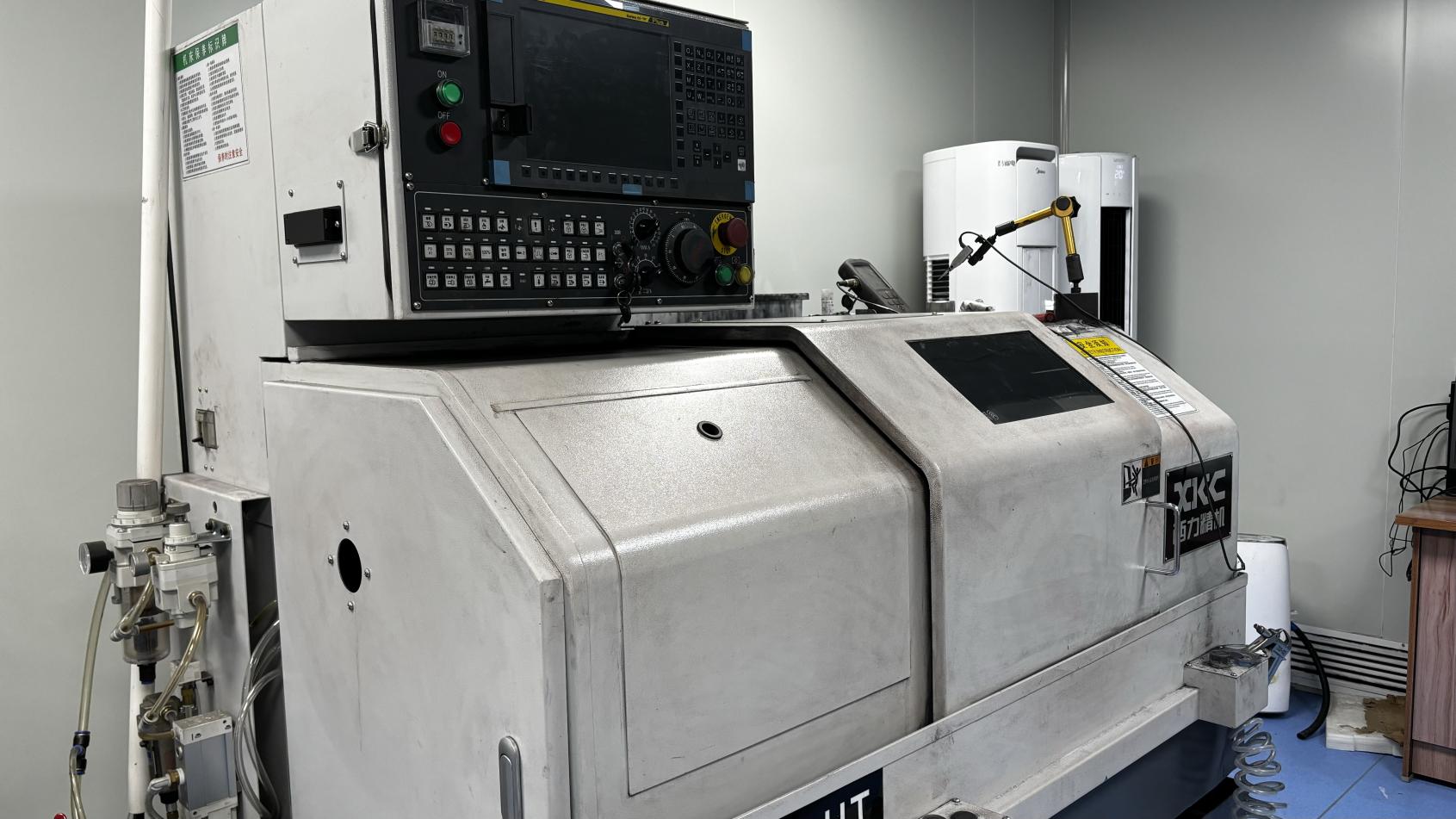
Xelivor operates modern production spaces utilizing rigid, multi-stage testing loops to guarantee that all optical, network, and modular copper products meet the standards of Nagoya buyers.
Established in 2016, Xelivor Optoelectronics Co., Ltd. has developed specialized competency in optical transceivers and physical media connectivity. While operating a highly optimized precision assembly facility, we manage strict, end-to-end quality assurance operations: incoming raw materials verification, high-temperature thermal cycling tests, pin insertion force evaluations, optical param testing, and pre-shipment compatibility inspections. For Nagoya-based distributors and OEM partners, we provide customizable parameters including firmware modification, private branding, packaging, and specific gold-plating thickness options.
How system engineers integrate RJ11 modular connectors and multi-port interfaces across local automation ecosystems.
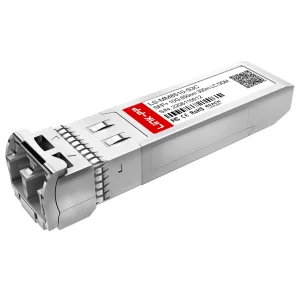
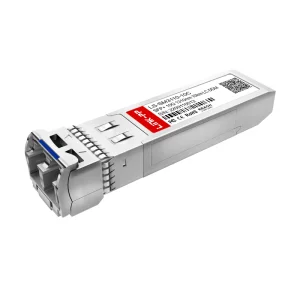
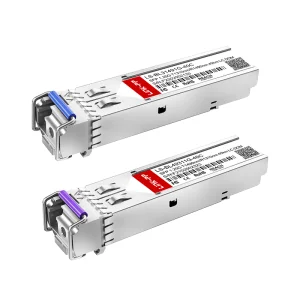
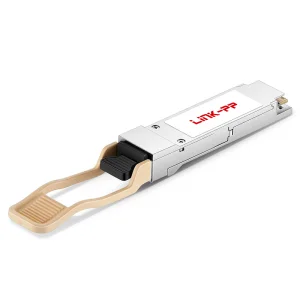
In addition to copper-based modular interfaces, Xelivor supplies high-performance optical modules to handle the high data throughput required by modern automated vision systems.
Expert answers addressing the key technical and logistics questions raised by Japanese procurement directors and electrical engineers.
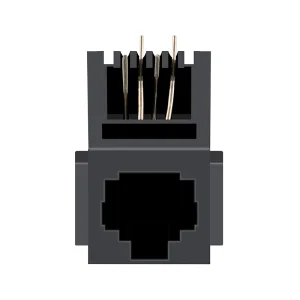
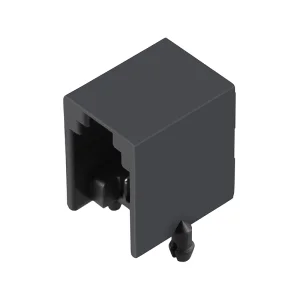
Select from our complete range of unshielded, top-entry, and side-entry modular connectors for PCB integrations.