Xelivor
Xelivor
Xelivor
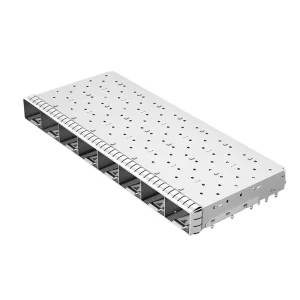
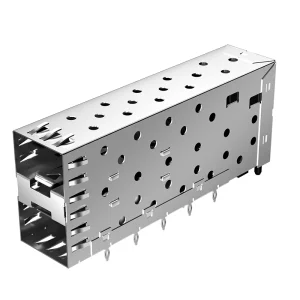
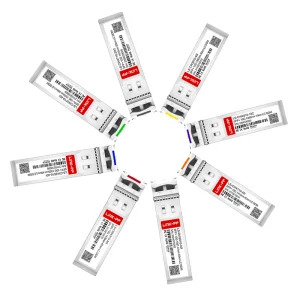
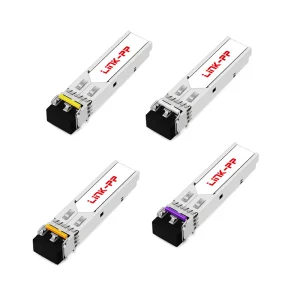
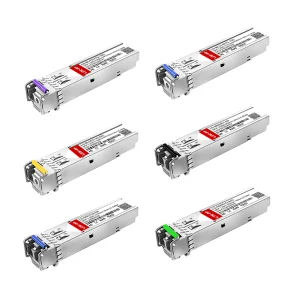
As one of the world's most technologically advanced nations, Japan is rapidly expanding its high-speed connectivity framework under the initiatives of the Digital Agency (デジタル庁) and NTT's IOWN (Innovative Optical and Wireless Network) framework. The demand for ultra-low latency, energy-efficient thermal dissipation, and high electromagnetic compatibility (EMC) in physical layer networking has never been higher. Standard SFP (Small Form-factor Pluggable) cages, SFP+ systems, and advanced stacked configurations represent the foundational backbone of this infrastructure. Operating in critical hubs like Tokyo (Inzai, Chiba cluster) and Osaka, hyperscale data centers require high-density interconnect environments where EMI noise must be kept to absolute minimums to guarantee signal integrity.
Specifically engineered with integrated EMI spring fingers and 360-degree shielding gaskets to prevent signal degradation in dense Japanese telecom layouts.
Optimized with customizable heatsink configurations and airflow-friendly ventilation patterns designed to survive the hot, humid summers of Central Japan.
Designed in full compliance with RoHS, REACH, VCCI Class B criteria, and JIS specifications to ensure hassle-free customs clearance and local integration.
As optical networks transition from 10G/25G (SFP+) to 100G, 400G, and even 800G platforms (QSFP-DD and OSFP), SFP cages represent the crucial mechanical structure that maintains the optical module's physical connection to the system PCB. High-quality SFP cages must prevent electrostatic discharge (ESD) and manage heat generation from high-power transceivers. Sourcing from a reliable exporter that understands the precise technical demands of Japanese original equipment manufacturers (OEMs) and system integrators is key to sustaining production reliability.
High-frequency signal routing in printed circuit board assembly (PCBA) requires mechanical components to align precisely to maintain characteristic impedance and minimize return loss. High-performance SFP, SFP+, and zSFP+ cages manufactured for Japan use premium copper alloys with multi-stage plating processes. The base substrate is typically phosphor bronze or stainless steel, which offers high mechanical yield strength and excellent resistance to deformation under insertion loads.
To protect against oxidation and facilitate smooth module insertion, the cage surface undergoes a nickel-plating process followed by optional tin plating on the solder/press-fit tails. For high-speed applications running at 25 Gbps or 56 Gbps per channel (such as SFP28 and SFP56 configurations), the contacts and housing configurations must meet strict dimensional tolerances (typically within ±0.05 mm). This precision maintains electrical continuity and ensures the ground paths interface reliably with the transceiver casing.
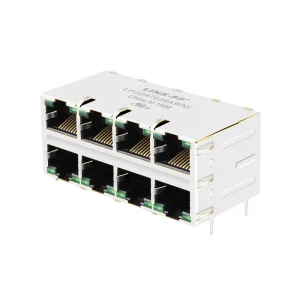
Furthermore, electromagnetic compatibility (EMC) is a primary consideration in Japanese telecommunication hardware design. SFP cages utilize EMI shielding spring fingers around the bezel opening. These fingers compress against the chassis cutout, establishing a continuous conductive path to ground and sealing gaps that could emit high-frequency noise. Standard configurations include ganged (1xN) and stacked (2xN) layouts, offering flexibility for chassis layout designs.
Thermal management is another critical design criterion. Modern optical transceivers operate under high thermal densities, often producing up to 3.5 watts or more per port. To address this, cages feature open structures that accept customized copper or aluminum heatsinks, or built-in ventilation channels that leverage the system's active airflow.
We provide full structural modifications, including custom heatsink heights, light-pipe configurations, and specific press-fit pin lengths to meet your exact PCB layout requirements.
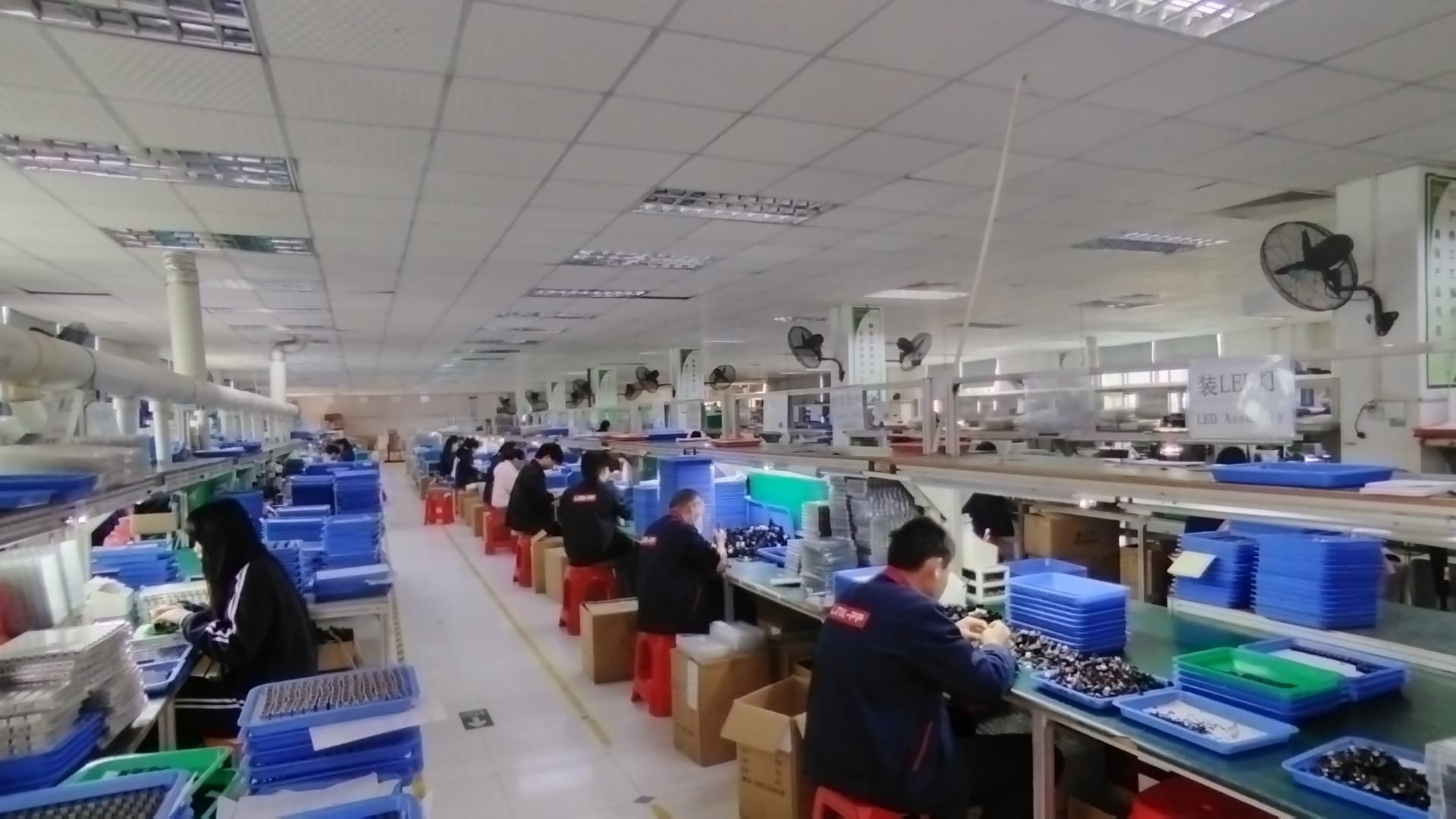
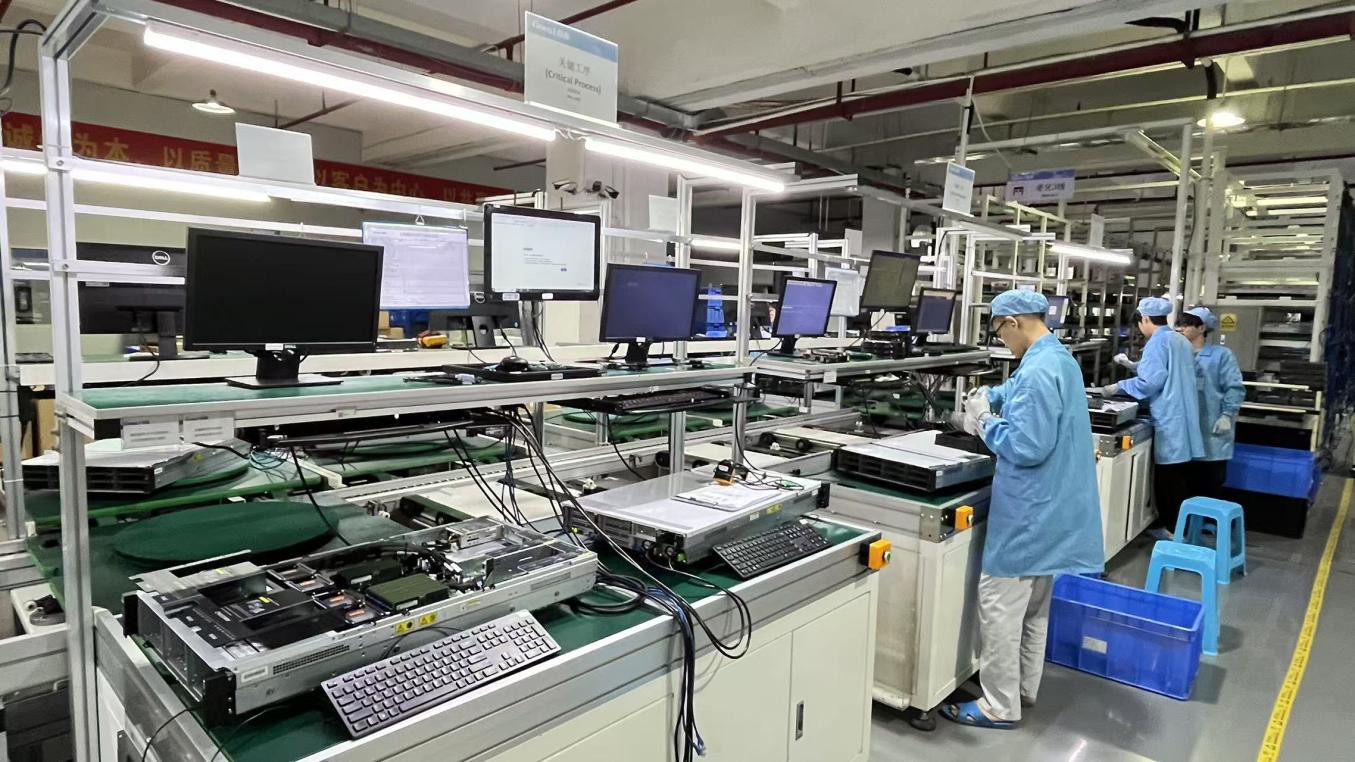
Xelivor Optoelectronics Co., Ltd. is a professional manufacturer of optical transceivers and fiber connectivity solutions, dedicated to serving global data center, telecom, enterprise network, and cloud computing industries. Established in 2016, the company operates from a modern manufacturing facility and has built a strong reputation for delivering reliable, high-performance optical communication products worldwide.
With over 8 years of industry experience and 6 years of export experience, Xelivor has achieved annual export revenues exceeding USD 12 million. Our products are exported to customers across North America, Europe, Southeast Asia, the Middle East, and South America, and we are rapidly expanding our partnerships with distributors and integrators in Japan. Our manufacturing and logistical frameworks are optimized to support a wide range of networking applications from enterprise infrastructure to hyperscale data centers.
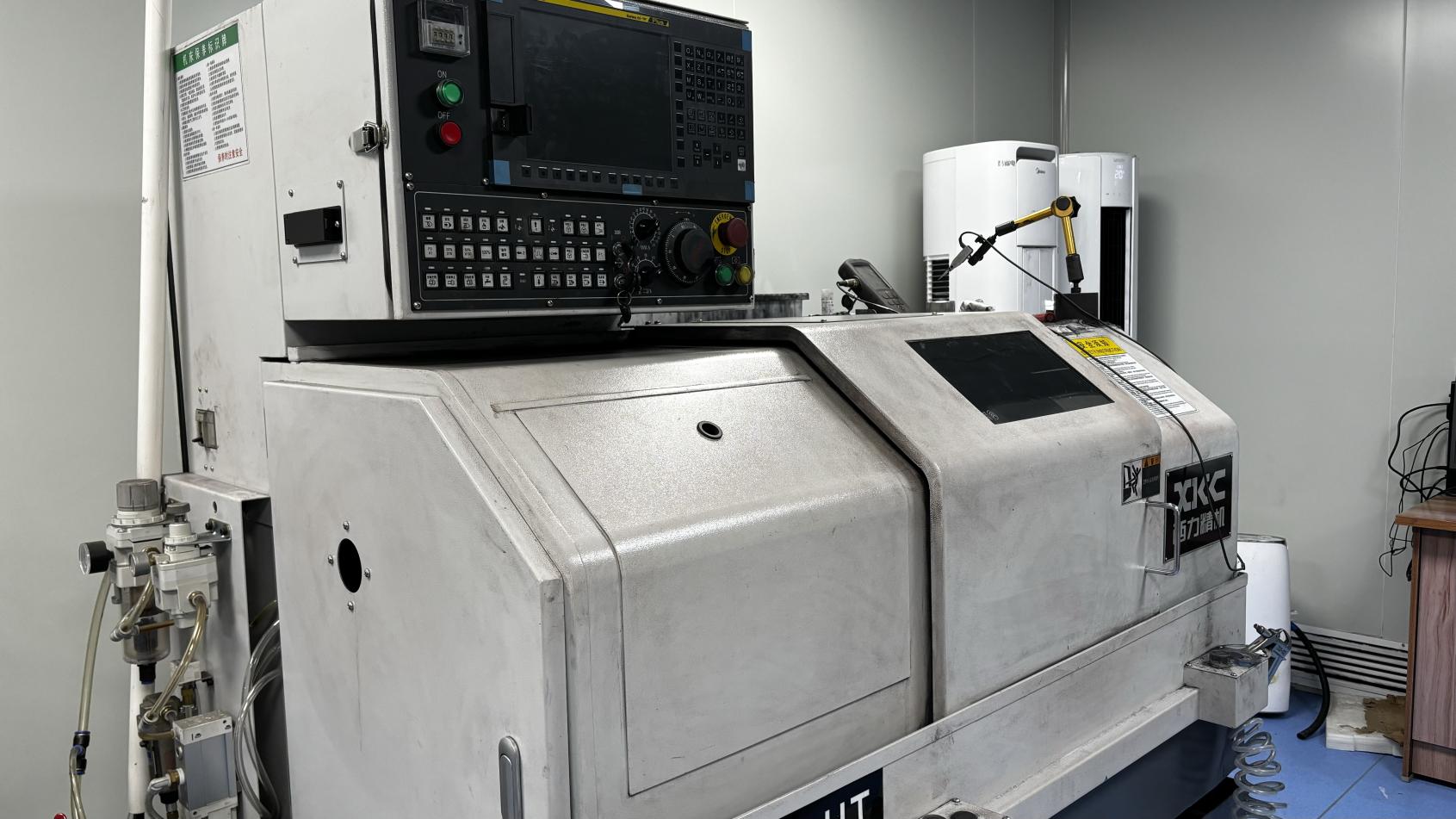
Quality is at the core of our operations. Our quality management system incorporates incoming material inspection, in-process quality control, aging tests, compatibility verification, optical parameter testing, and final product inspection. A professional quality assurance team of 32 inspectors ensures every product meets strict international standards before shipment. The company maintains long-term cooperation with more than 850 supply chain partners, enabling stable sourcing, efficient production, and rapid delivery capabilities. Our flexible manufacturing system supports OEM, ODM, private label, customized firmware, customized labeling, and packaging services to satisfy diverse customer requirements.

Deploying network systems in Japan requires strict adherence to localized compliance frameworks, ecological laws, and business practices. To ensure smooth integration and long-term reliability, our supply chain and manufacturing operations provide a comprehensive suite of support services tailored specifically for Japanese partners:
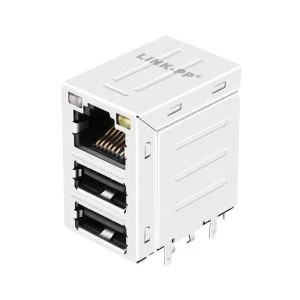
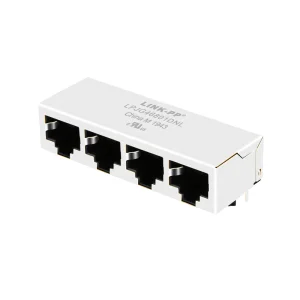
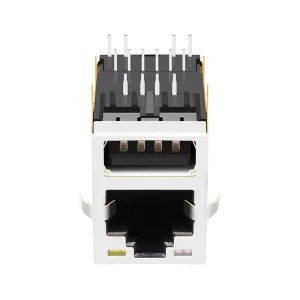
All SFP cages, transceivers, and RJ45 connectors are verified to align with VCCI Class B standards for noise emission limit compliance in data environments.
Environmental regulations are strictly followed. We provide detailed chemical substance documentation, including RoHS certificates and REACH declarations of conformity.
Our press-fit configurations are optimized for standard Japanese multi-layer PCB boards (FR4/High-Tg substrates) to prevent delamination during automated assembly.
Partner with Xelivor today. Whether you need standard SFP, SFP+, stacked SFP cages, or localized custom modifications for Japanese hardware architectures, our R&D and QA teams are ready to support you.