Xelivor
Xelivor
Xelivor
Explore our premium CE certified network modules, SFP interfaces, and specialized optical transceiver hardware engineered for critical uptime, seamless interoperability, and low-latency throughput.
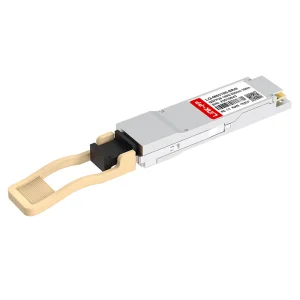
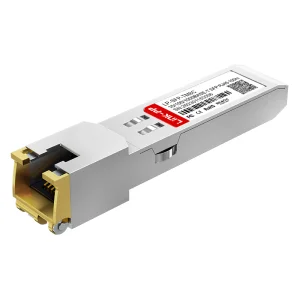
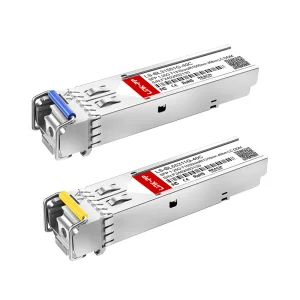
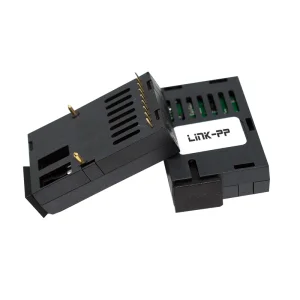
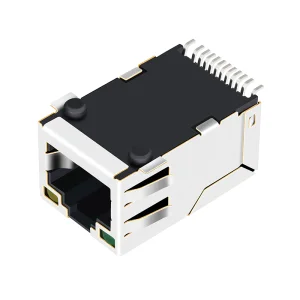
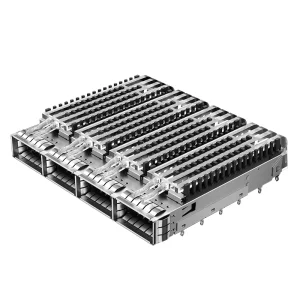
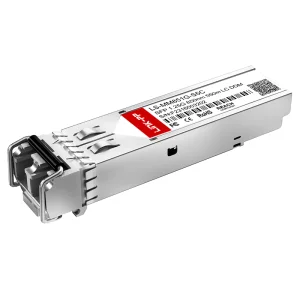
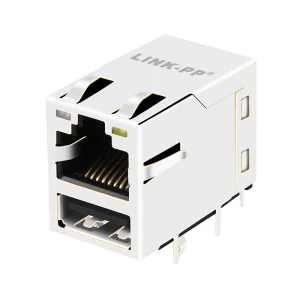
Within enterprise data infrastructure, local networks, and telecom applications, the Network Interface Card (NIC) and associated transceivers represent critical links in the physical and datalink layers. For system integrators and global companies, deploying hardware without verified compliance is an operational vulnerability. CE (Conformité Européenne) certification is not merely a regional legal passport for the European Economic Area; it is a global benchmark of electromagnetic compatibility (EMC), low voltage safety (LVD), and hazardous substance restrictions (RoHS).
Our manufacturing and quality validation pipelines ensure that every piece of hardware—ranging from 100G QSFP28 modules to SFP cage assemblies and integrated RJ45 connectors—complies strictly with standard harmonized specifications. This guarantees robust resistance against electromagnetic interference (EMI) and safeguards thermal dissipation paths, protecting adjacent system motherboards from cascading electrical faults.
Non-certified networking components frequently suffer from high return loss, poor heat dissipation, and inadequate shielding, leading to packet drops, increased latency, and switch-port failures. Standardizing on CE-certified factories mitigates these operational risks, ensuring uninterrupted uptime for high-frequency trading networks, cloud datacenters, and industrial operations.
Established in 2016, Xelivor Optoelectronics Co., Ltd. has developed into a top manufacturer of optical transceivers and high-performance network interface connectivity solutions.
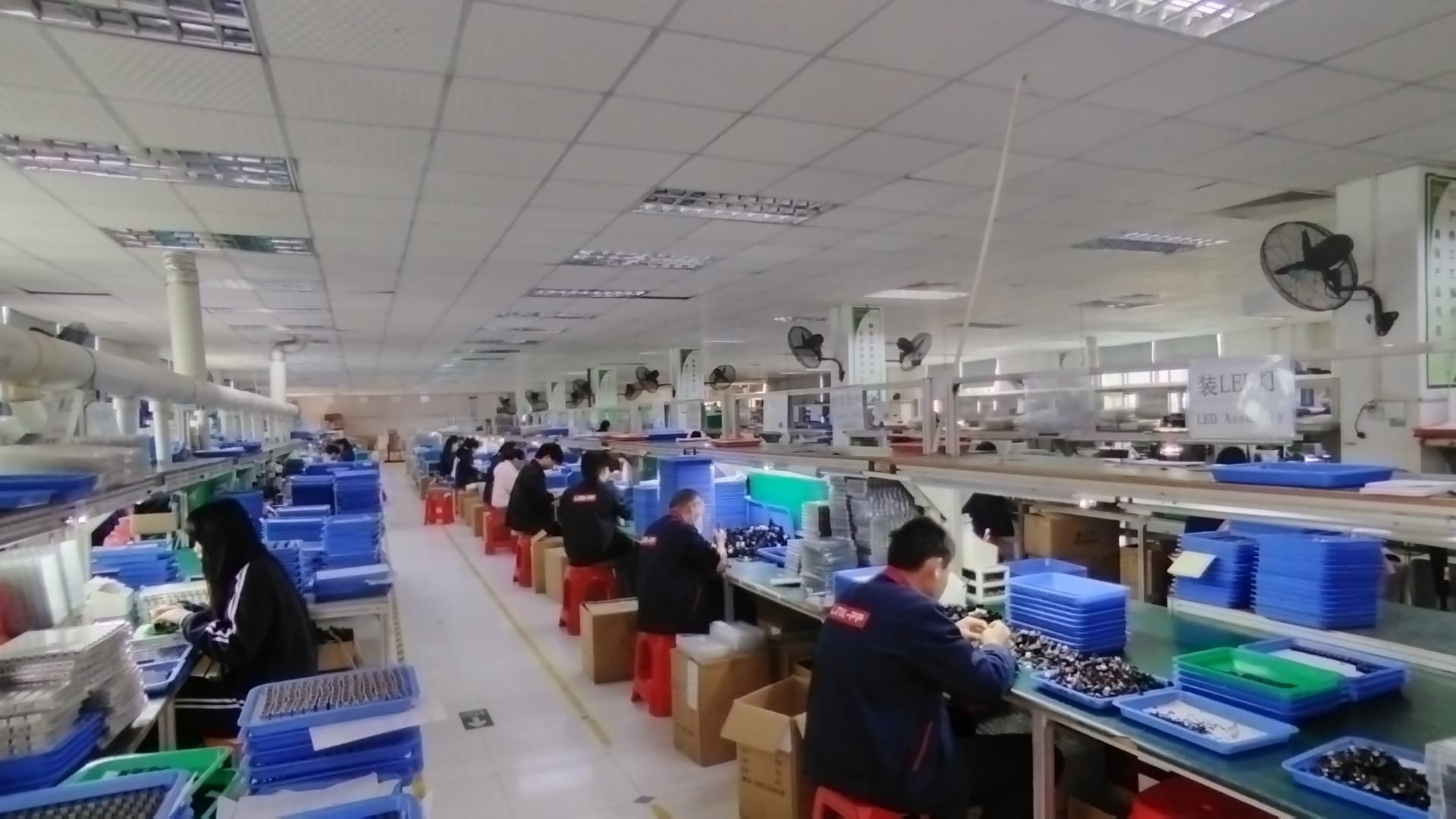
Our modern manufacturing facility covers 386 m² and features high-efficiency dust filtration systems, ensuring that optical transceivers, including sub-components like laser diodes and photodetectors, are assembled without microscopic contamination. This cleanroom precision is critical to preventing signal degradation over long-distance single-mode fiber links.
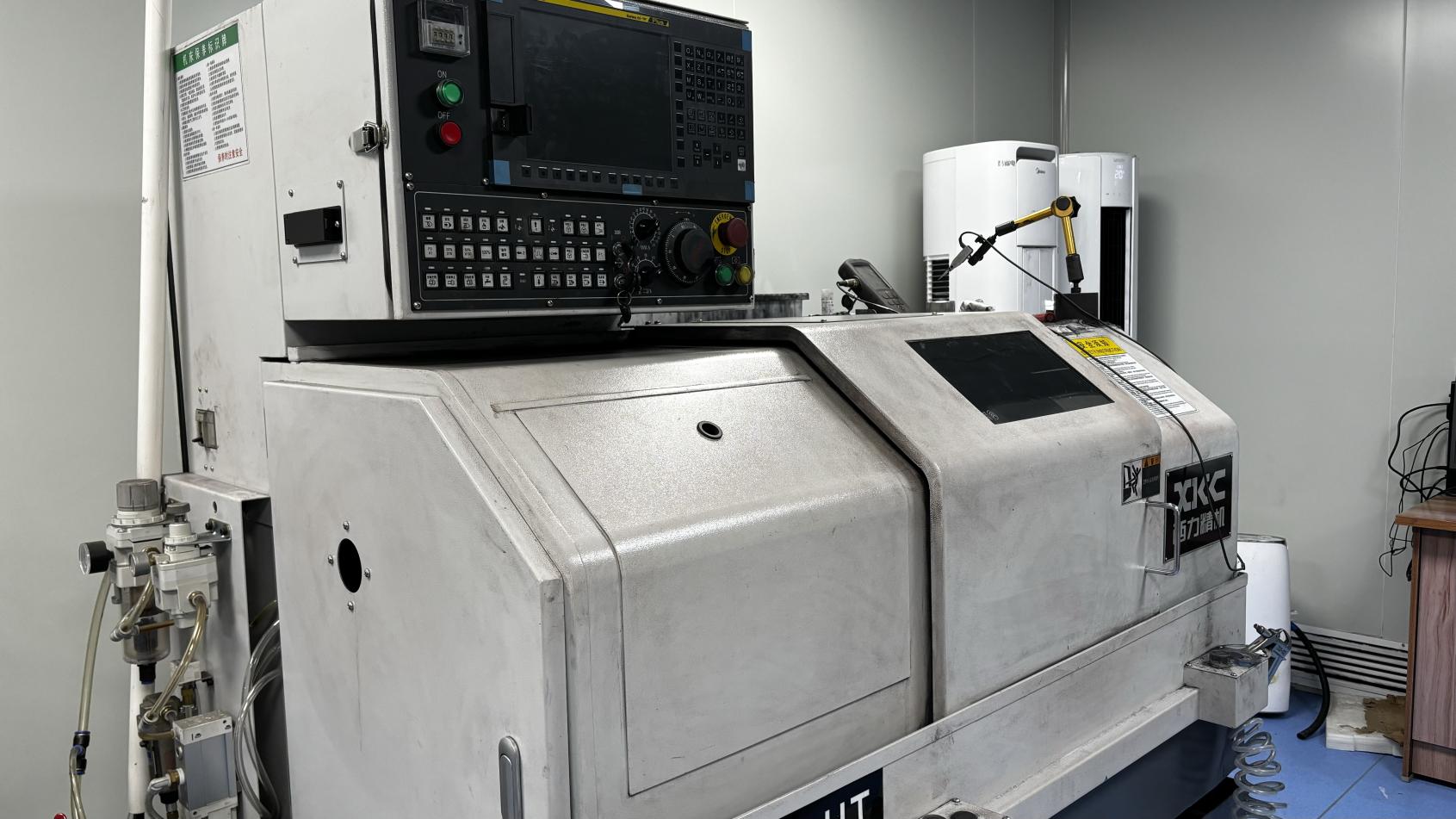
Our Quality Assurance system includes incoming material inspections, dynamic aging tests, compatibility verifications on target platforms, and optical eye diagram testing. Guided by 32 QA inspectors, we verify that every module satisfies standard thresholds for Tx power, Rx sensitivity, and jitter.
China's specialized manufacturing ecosystem provides distinct structural advantages for enterprise optical transceivers, network interface accessories, and physical-layer interconnect systems. By centralizing active optical components, passives, precision stamping machinery, and high-frequency connector manufacturers in regional clusters, we optimize production cycles and maintain competitive cost structures.
This localized supply chain allows Xelivor to rapidly prototype, scale production, and offer extensive customization options, including private labeling, custom firmware coding, and packaging design. This agility allows us to deliver high-quality, customized products faster than traditional manufacturing pipelines.
Our CE certified network modules, SFP interfaces, and connectors are designed for high reliability across diverse operating environments.
Integrating high-density 100G QSFP28 modules and premium transceiver cages inside switch systems to maximize throughput and achieve the energy efficiency targets required by modern cloud providers.
Deploying specialized industrial-temperature copper SFPs (compatible with Moxa and Siemens switches) inside manufacturing lines, substations, and transport systems to maintain link stability under harsh thermal environments.
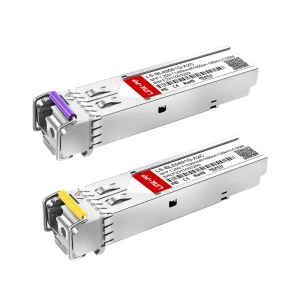
Utilizing high-performance 1G/10G BiDi (Bidirectional) simplex fiber transceivers to extend link distances up to 40km or 120km, reducing infrastructure costs by halving fiber cabling requirements.
The networking industry is moving rapidly toward higher spectral efficiency, automated optical paths, and lower energy footprints. Key trends shaping global procurement over the next five years include:
Silicon Photonics Integration: Integrating optical waveguides directly into silicon microchips reduces fabrication complexity and significantly boosts link speed-to-power efficiency.
Co-Packaged Optics (CPO): Traditional pluggable modules will coexist with co-packaged optics, bringing the optoelectronic conversion interfaces closer to the host ASIC to mitigate electrical signaling loss in multi-terabit routing switches.
Green Networking & Circular Economy compliance: Future network nodes must balance high bandwidth with strict power limits. Standardizing on RoHS and CE-compliant manufacturing processes ensures that hardware meets the emerging energy-efficiency regulations of global telecom networks.
Xelivor continuously invests in technological innovation, introducing over 85 new products last year to support high-speed optical networks. Our engineering division works to ensure our transceiver designs, high-speed SFP cage structures, and interface connectors align with emerging IEEE 802.3 and SFF MSA standards, helping keep our clients' networks ready for future upgrades.
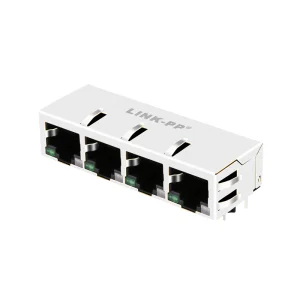
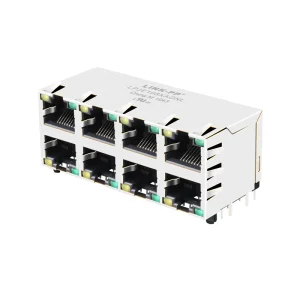
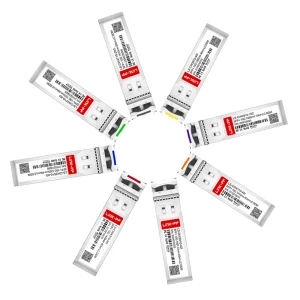
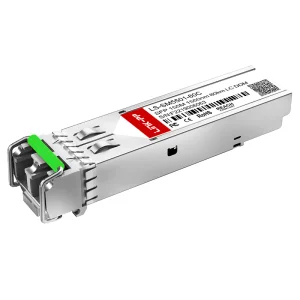
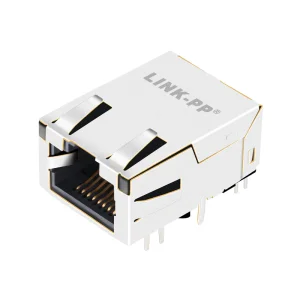
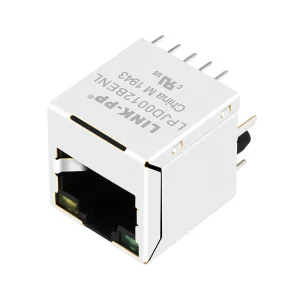
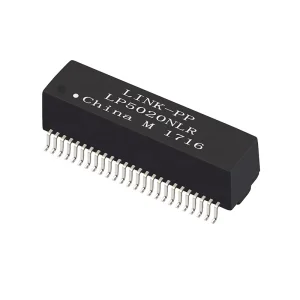
Browse our complete catalog of physical-layer hardware, including high-speed modular jacks, EMI-shielded cage structures, and dual-port LAN transformers.
Access authoritative answers to technical and regulatory compliance queries concerning global network hardware deployment.
CE certification signifies that optical transceivers and network interface hardware comply with EU standards for safety, health, and environmental protection. Without it, components cannot be legally imported into the EEA. More importantly, it verifies that the devices operate within safe electromagnetic parameters, minimizing interference with adjacent server blades and network modules in high-density installations.
Industrial transceivers, such as the MOXA compatible 10/100/1000BASE-T SFP, are designed to perform reliably across wide temperature ranges (-40°C to 85°C). They must feature robust copper PHYs and specialized mechanical designs to withstand vibrations, voltage surges, and electrostatic discharge, making them suitable for factories, transport infrastructure, and outdoor telecom nodes.
Integrated RJ45 connectors with built-in magnetics (such as MagJacks) combine the physical connection port with electrical isolation transformers. This integration saves board space and improves signal integrity by reducing electromagnetic radiation. Built-in LED status indicators simplify physical diagnostic checks inside server rooms.
BiDi transceivers use Wavelength Division Multiplexing (WDM) to transmit and receive signals on a single fiber link, utilizing distinct wavelengths (e.g., 1310nm/1550nm). This allows operators to double their capacity on existing fiber runs without installing new cables, lowering installation and lease costs for long-distance telco spans (40km to 120km).
Explore Xelivor's modern assembly floors, precision testing labs, and high-capacity manufacturing lines, designed to produce reliable optoelectronic components.