Xelivor
Xelivor
Xelivor
In the era of hyper-connectivity, fiber optic splitters have transitioned from simple passive components to critical infrastructure assets. As global data consumption skyrockets—driven by AI, 8K video streaming, and the Internet of Things (IoT)—the demand for efficient signal distribution is at an all-time high. A Fiber Optic Splitter, primarily utilizing PLC (Planar Lightwave Circuit) or FBT (Fused Biconical Taper) technology, is the heart of Passive Optical Networks (PON), enabling a single optical interface to be shared among multiple end-users.
The global fiber optic splitter market is projected to reach billions by 2030, fueled by national FTTH (Fiber to the Home) mandates and the global rollout of 5G small cells.
Traditional copper networks are being phased out in favor of optical fibers, which offer lower latency and significantly higher bandwidth capacity for smart city applications.
Localized data processing requires high-density splitting solutions to manage traffic between edge servers and centralized data centers efficiently.
Xelivor Optoelectronics Co., Ltd. is a professional manufacturer of optical transceivers and fiber connectivity solutions, dedicated to serving global data center, telecom, enterprise network, and cloud computing industries. Established in 2016, we have built a robust reputation for high-performance optical communication products.
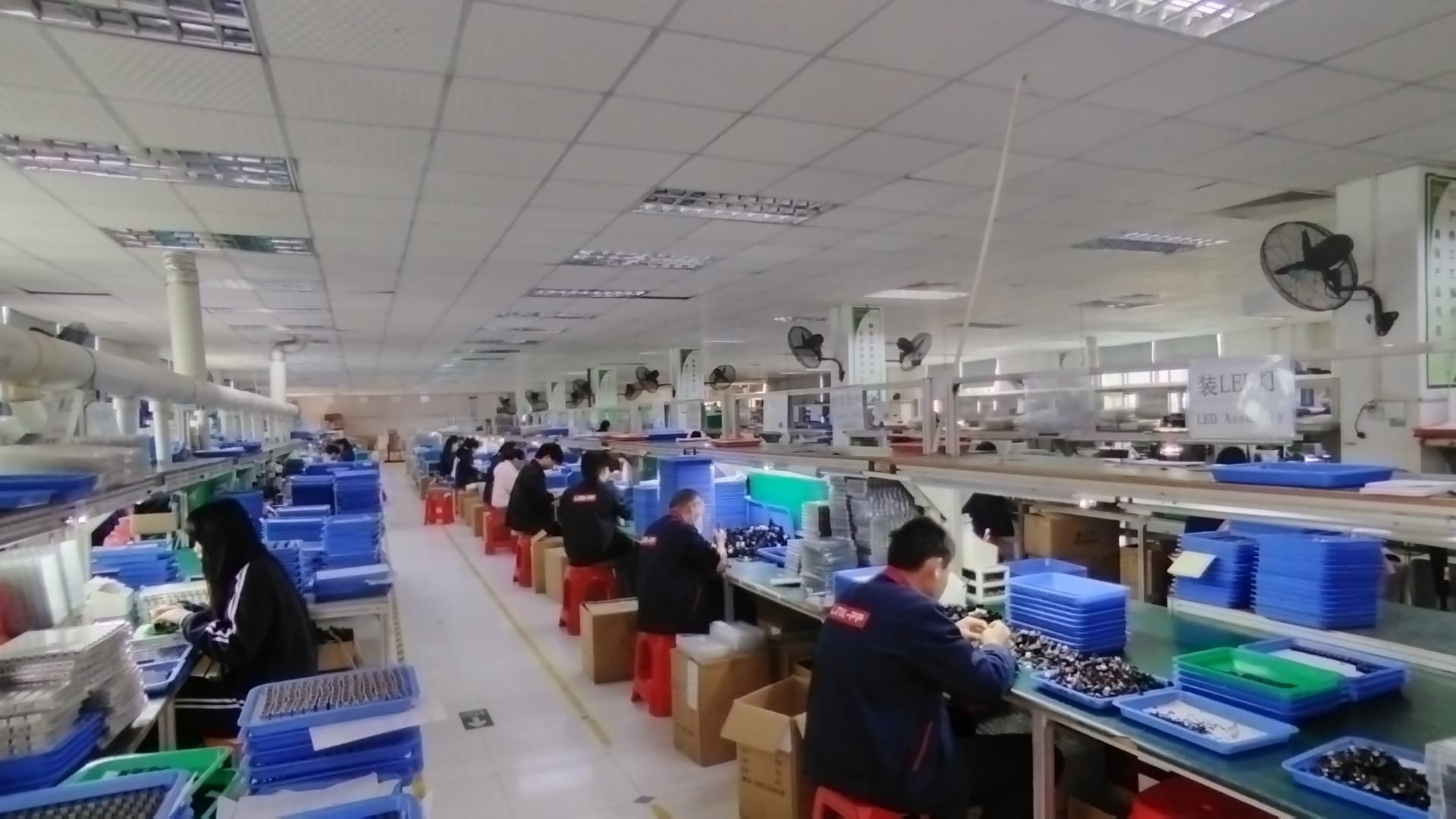
Our modern manufacturing facility covers 386 m² and is optimized for the production of SFP, SFP+, QSFP28, and high-precision splitters. With over 8 years of industry expertise and 6 years of direct export experience, Xelivor is a trusted partner for North American, European, and Southeast Asian networking leaders.
The global dominance of Chinese manufacturers in the fiber optic sector is not just about cost—it’s about ecosystem synergy and technical precision. At Xelivor, we leverage the unparalleled supply chain of the Pearl River Delta to offer:
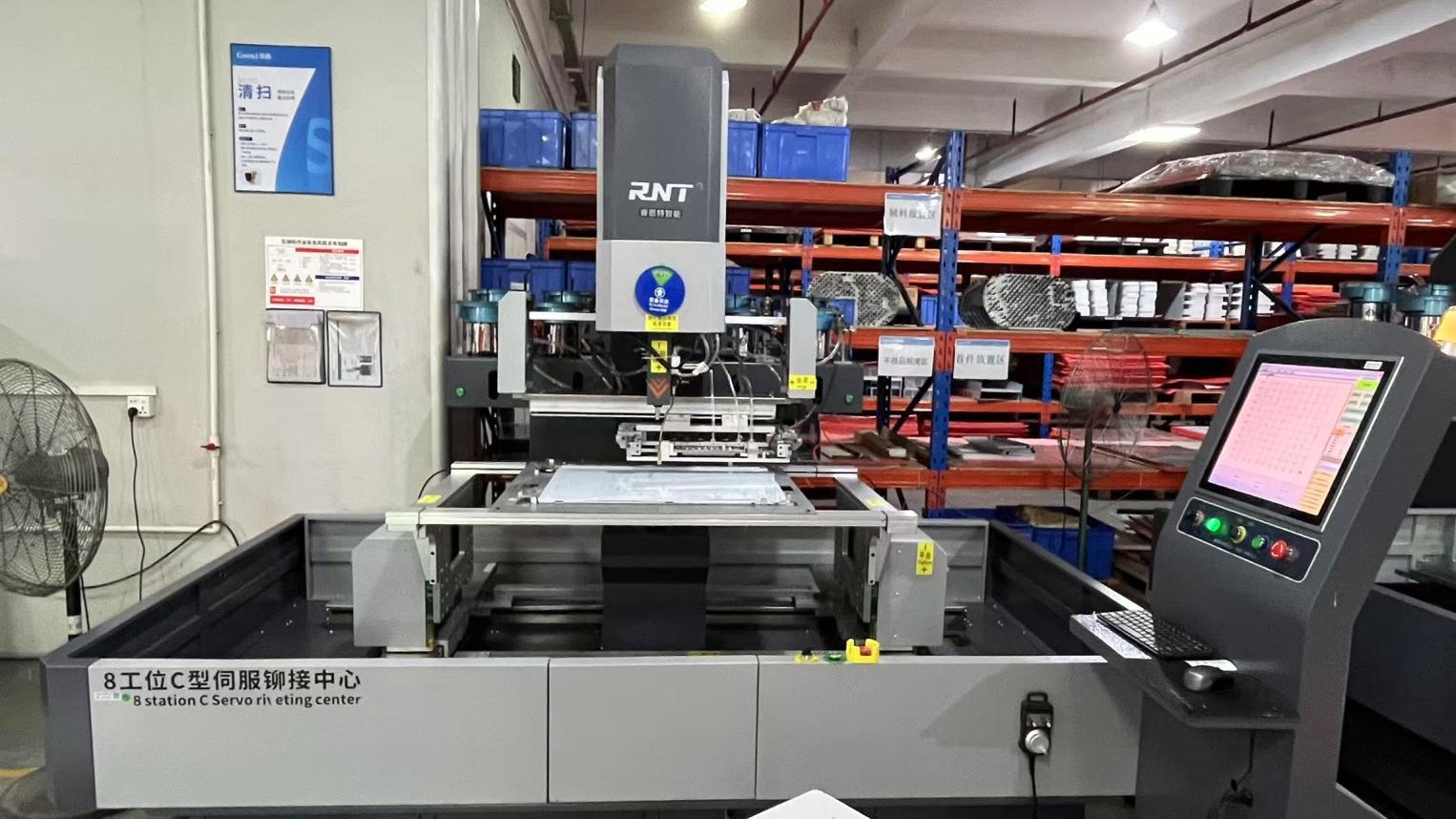
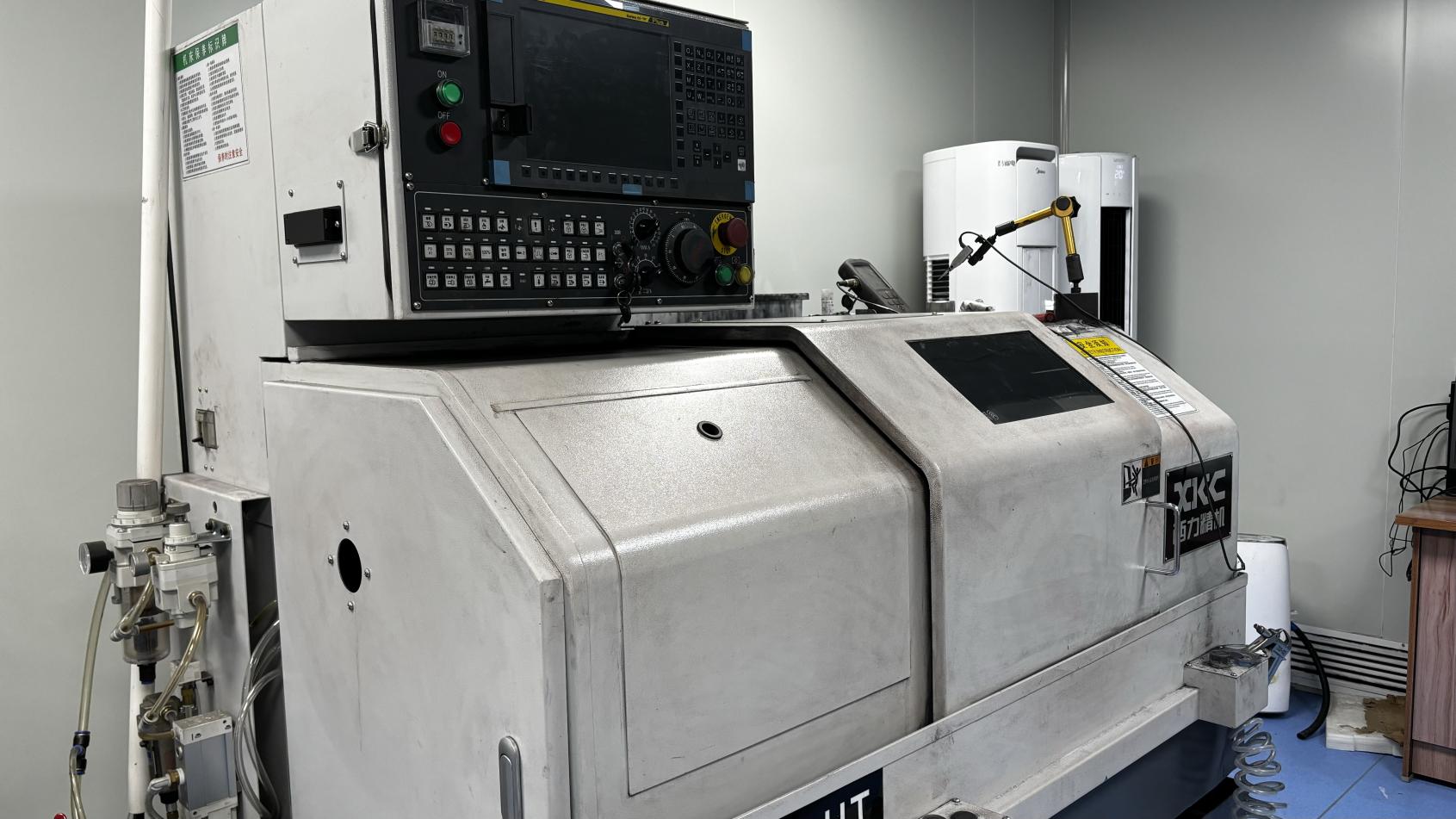
Our flexible manufacturing systems support rapid prototyping for OEM/ODM projects, moving from design to mass production in weeks, not months.
Utilizing automated alignment systems for PLC splitters ensures minimal insertion loss (IL) and high uniformity across all ports, meeting Telcordia GR-1209 standards.
Vertical integration allows us to source high-purity silica and V-grooves at competitive rates, passing these savings directly to our global distributors.
Understanding the difference between PLC (Planar Lightwave Circuit) and FBT (Fused Biconical Taper) splitters is crucial for network architects:
The Future of Splitters: We are seeing a move toward Unbalanced Splitting in rural deployments to reduce fiber usage, and High-Density MPO-integrated Splitters for hyperscale data centers. Xelivor is at the forefront of these innovations, having launched over 85 new products last year alone.
In Europe and North America, splitters are being embedded into street furniture to support 5G small cells and public Wi-Fi 6E mesh networks.
In German and Japanese "Industry 4.0" factories, fiber splitters facilitate real-time data monitoring between robotic assembly lines and central control hubs.
For cloud providers in Southeast Asia, our high-density rack-mount splitters help optimize fiber management in top-of-rack (ToR) configurations.
Global buyers from telecommunications operators and system integrators require more than just a product; they require Reliability (E-E-A-T). Xelivor addresses these needs through:
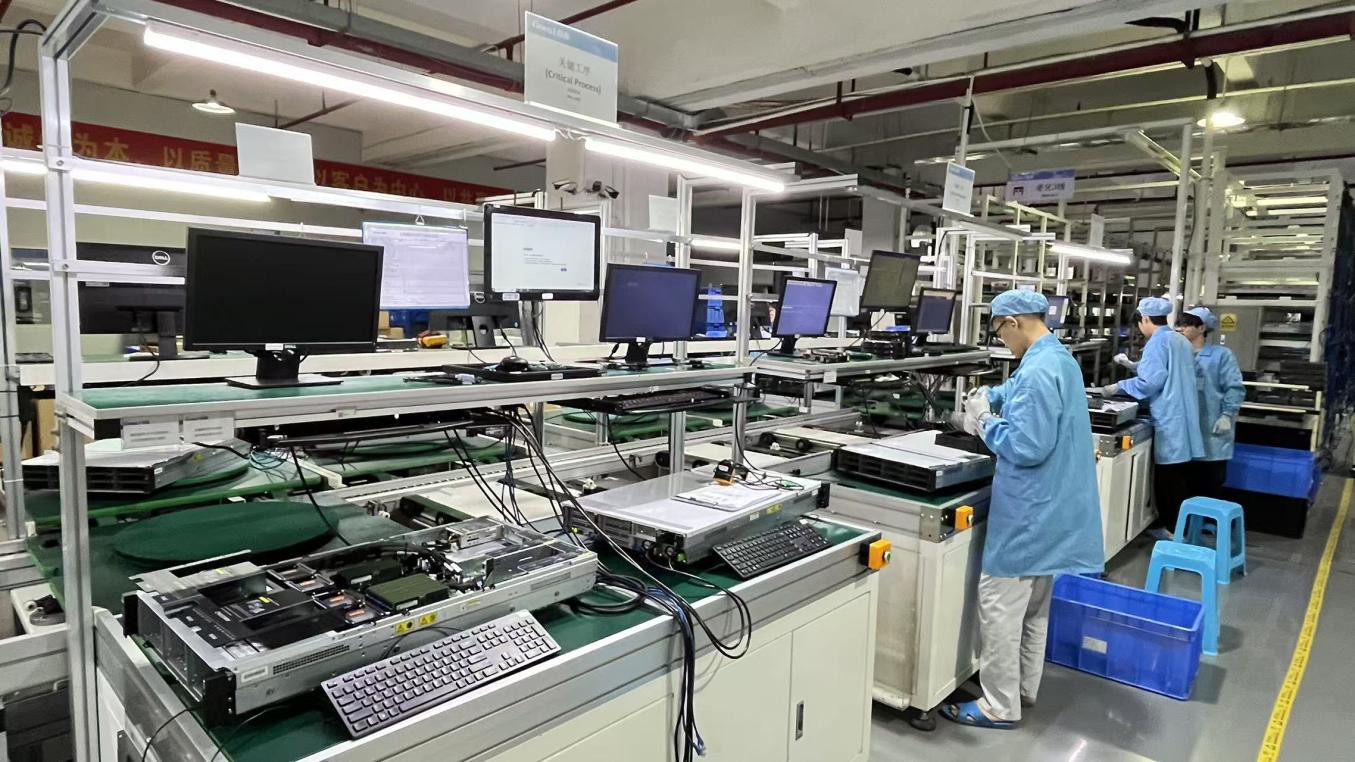
Every splitter undergoes incoming material inspection, aging tests, and final optical parameter verification using advanced interferometers.
We provide customized firmware, private labeling, and specialized packaging to ensure seamless integration into your brand ecosystem.
All products are RoHS and CE compliant, ensuring they meet the environmental and safety standards required for export to the US and EU.
What is the typical lead time for a custom OEM splitter order?
For standard PLC splitters, lead times are usually 1-2 weeks. Custom ODM designs, including specialized housing or connectors, typically take 3-4 weeks depending on the complexity and volume.
How does Xelivor ensure compatibility with third-party network equipment?
Our 68-member R&D team performs extensive compatibility verification using a wide array of switches and OLTs from major brands, ensuring our passive and active components are truly "plug-and-play."
What is the advantage of using a PLC splitter over an FBT splitter in FTTH?
PLC splitters provide much better uniformity across all output ports and work reliably across the entire O-to-L wavelength bands, which is essential for triple-play services (voice, data, video).
Do you offer localized support for large-scale infrastructure projects?
Yes, we work closely with local distributors and system integrators worldwide to provide technical documentation, site-specific configurations, and after-sales support.