Xelivor
Xelivor
Xelivor
Single Mode 1.25G 1310nm Dual SC 20km SMF 1x9 Optical Transceiver Module
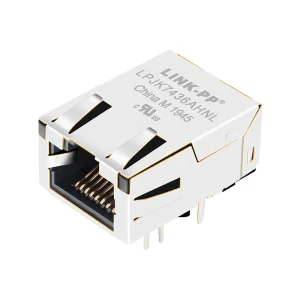
L869-1A1T-32 L834-1G1T-S7 Tab up 10/100/1000 Base-t Low Profile RJ45 Connector With Leds
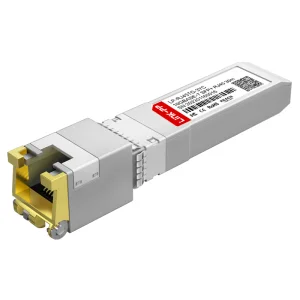
Cisco SFP-10G-T-X Compatible 10GBASE-T SFP+ 10G Copper Transceiver RJ45 30m
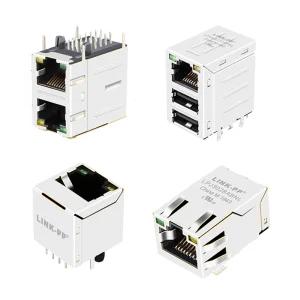
Tab Down Rj45 Magnetic Power Socket 8 Pin PCB Modular Jack Cat 6 Rj45 Female Connector With USB
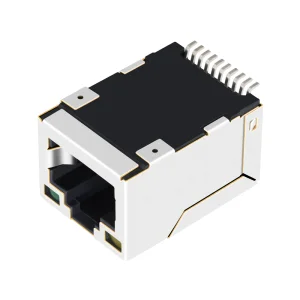
GE5T3013-LC Tab up 10/100 Base-t SMT Surface Mount Magnetic Ethernet RJ45 Connector With Led
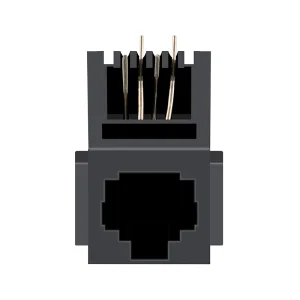
Top Entry Female Ethernet Socket 1 Port Unshielded Vertical 4P4C RJ11 Connector Jack
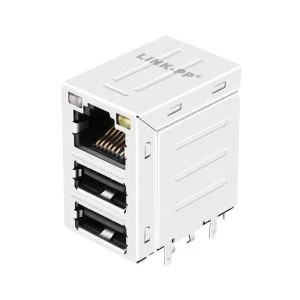
With Dual USB 10/100 Base-T With Leds RJ45 Modular Jack LPJU5125BONL
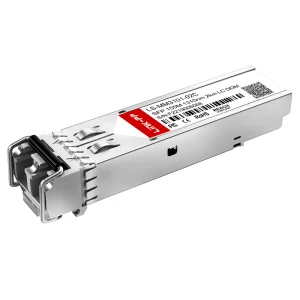
Moxa SFP-1FEMLC-T Compatible MMF Optical Module 100M Multimode 1310nm SFP Transceiver 2km
In the context of Industry 4.0, industrial automation, and harsh environmental monitoring, network connectivity relies on ruggedized hardware. Commercial network components fail under extreme temperatures, mechanical vibrations, and severe electromagnetic interference (EMI). Therefore, the deployment of RJ45 Industrial Switches is crucial to securing enterprise system uptime and data flow.
OEM/ODM engineering of industrial switches goes beyond basic plastic-to-metal casing swaps. It represents complex hardware and firmware integration. This includes designing IP30/IP40/IP67 rated enclosures, upgrading to high-grade magnetic isolation on RJ45 ports, selecting enterprise-level PHY silicon chips, and building proprietary Layer 2/Layer 3 management firmware. Global network system integrators look to China’s manufacturing hubs to design these custom solutions because of their manufacturing speed and high standards.
The RJ45 connector remains the standard for copper-based Ethernet connections globally. In industrial applications, standard commercial RJ45 ports are vulnerable to corrosion, vibration-induced micro-interruptions, and electrostatic discharge (ESD). Custom-manufactured RJ45 switches use heavy gold plating (up to 50 micro-inches) on contacts, metallic shielding cages for superior grounding, and integrated 1.5kV magnetic isolation transformers. This ensures uninterrupted signal integrity under heavy electric motors and high-voltage grid components.
Established in 2016, Xelivor Optoelectronics Co., Ltd. has grown to become a leading manufacturer of optical transceivers, copper connectivity interfaces, and custom network components. We serve global data centers, telecom operators, enterprise networks, and cloud computing providers. Our headquarters and modern production facility operate with high-precision manufacturing, assembly, and quality assurance processes.
Xelivor specializes in the design, development, and production of high-performance optical communication products, including SFP, SFP+, SFP28, QSFP28, QSFP-DD, OSFP, DAC, and AOC solutions. Backed by our R&D team of 68 engineers, we continuously invest in product innovation and launched more than 85 new products in the past year to support high-speed optical and industrial networks.
Quality defines our manufacturing operations. Xelivor's quality assurance system controls every stage of production, including incoming material inspection (IQC), in-process quality control (IPQC), thermal aging tests, hardware compatibility verification, optical parameter testing, and final product inspection. A professional team of 32 QA inspectors ensures every module, transceiver, and RJ45 connector assembly complies with international engineering standards before shipping.
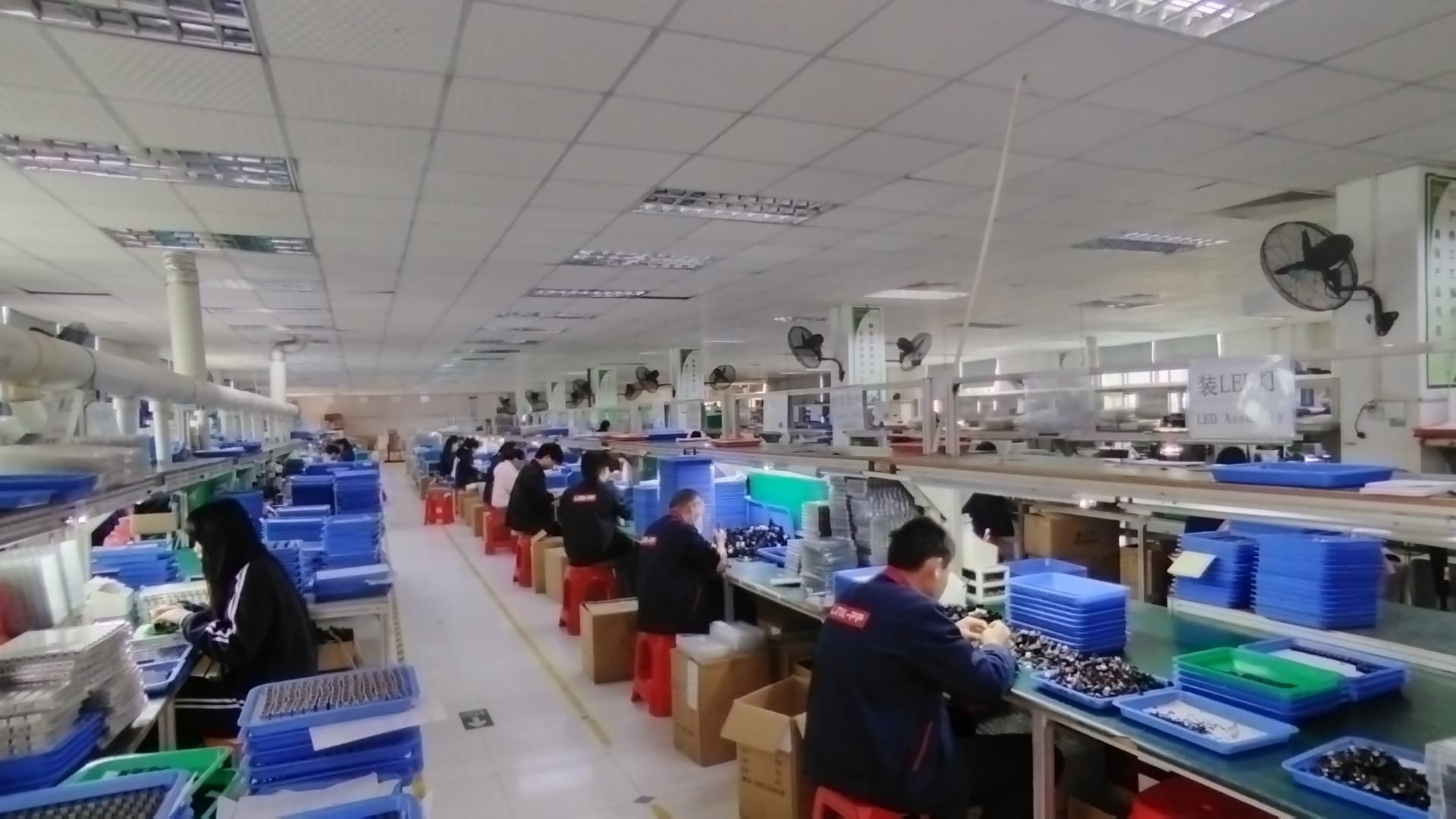
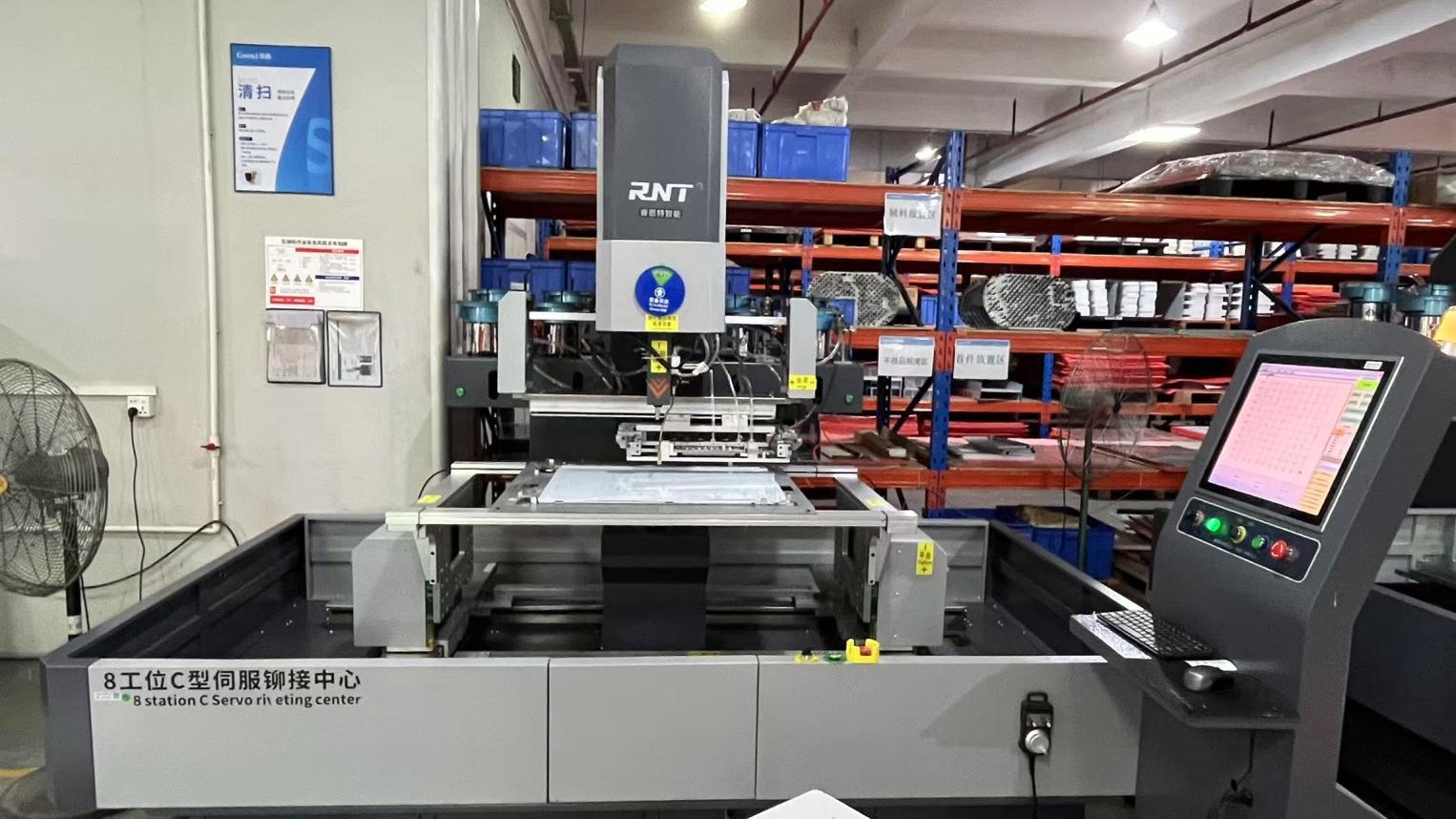
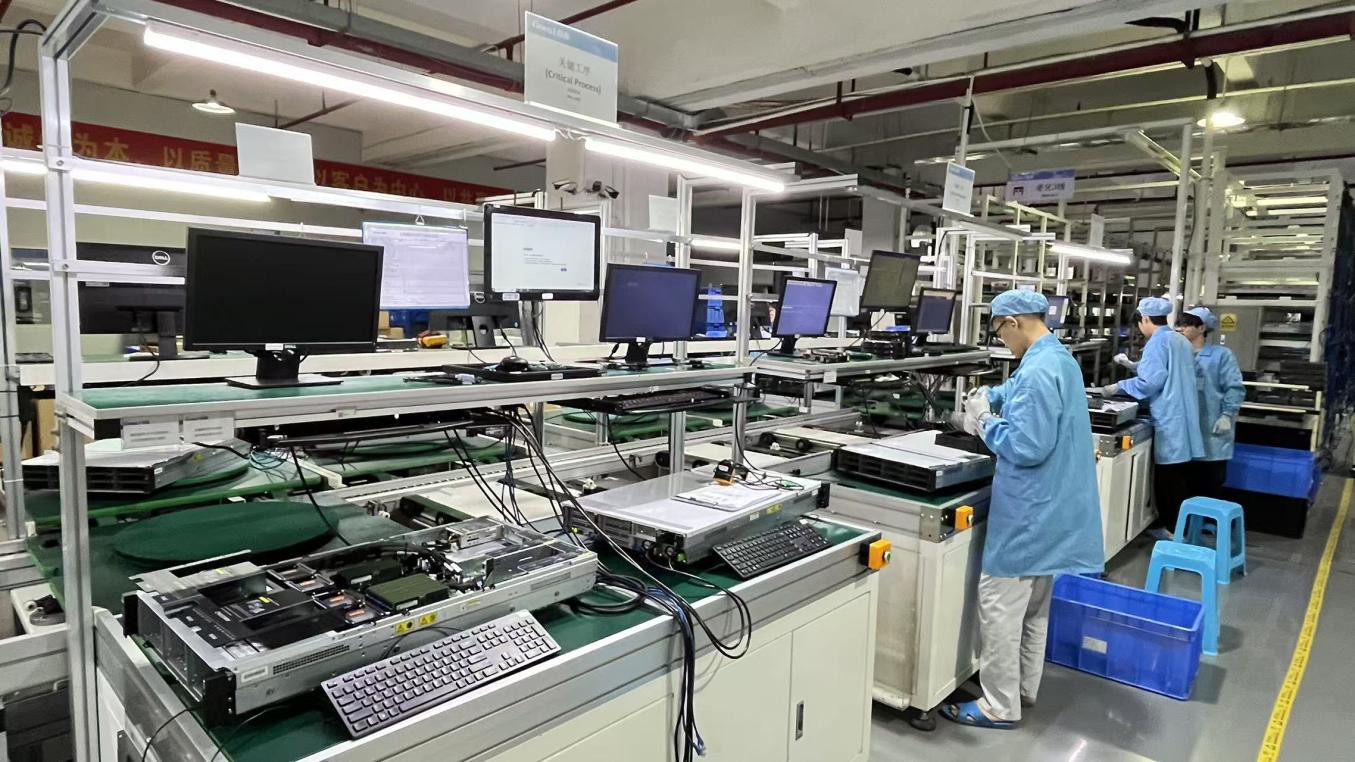
The global demand for high-grade industrial switches is driven by infrastructure upgrades, smart city initiatives, and automated manufacturing. Sourcing network equipment from reliable OEM/ODM factories in China offers significant strategic advantages. These hubs provide a complete industrial ecosystem that integrates R&D, component casting, PCB assembly, and advanced testing.
China's technology hubs concentrate raw material processing, silicon suppliers, component packaging, and specialized enclosure makers into close geographic areas. This minimizes logistics latency and supports rapid OEM/ODM prototyping.
Modern factories provide highly customizable options, including private label services, custom firmware modifications (such as LLDP, RSTP/MSTP configuration), customized port layouts, and modular PoE allocations.
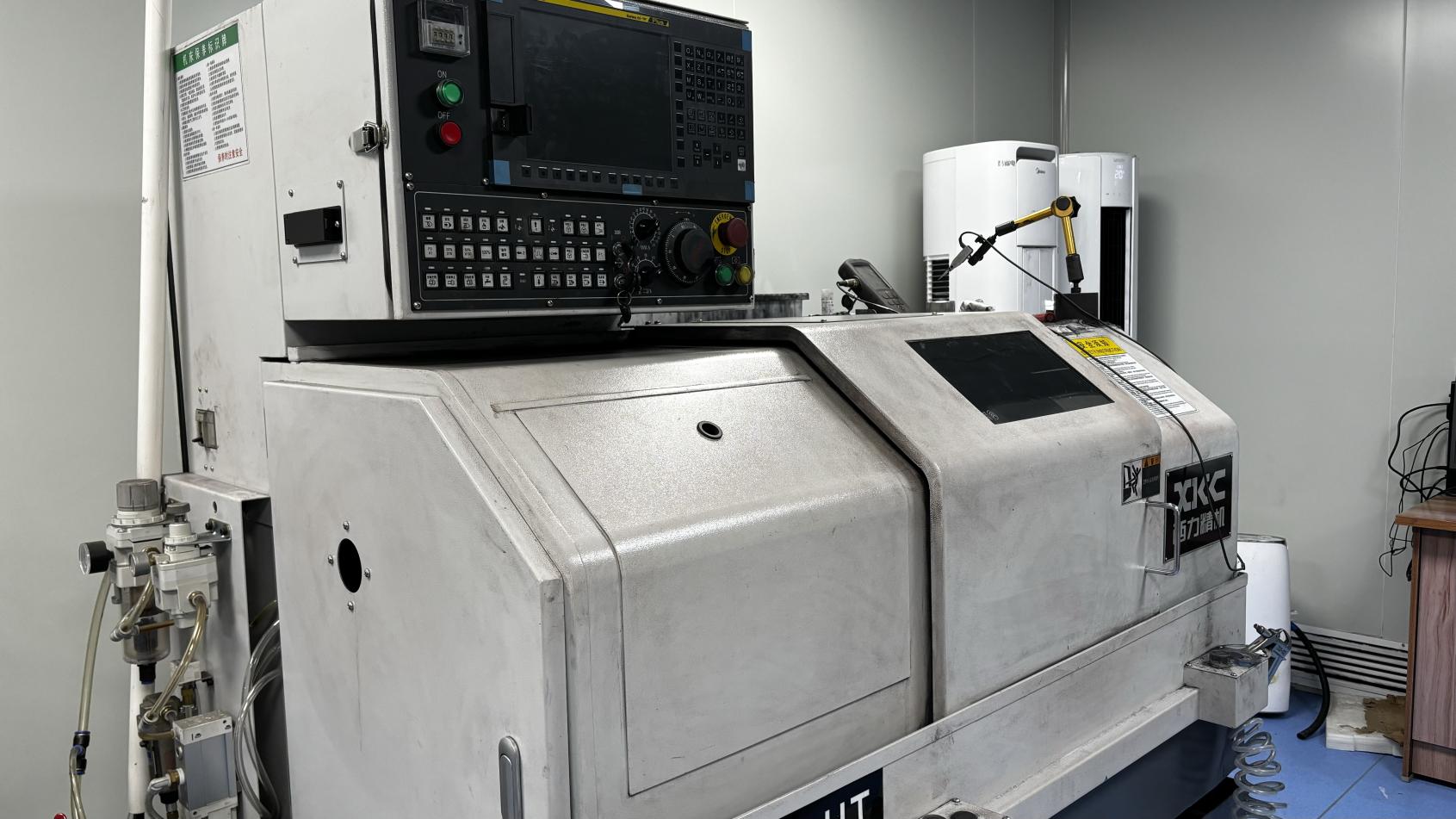
By leveraging automated SMT assembly lines, precise CNC metal processing, and mass-scale component sourcing, manufacturers can lower per-unit costs without sacrificing electrical and physical quality standards.
Deploying hardware in international markets requires strict adherence to regulatory standards and local compliance frameworks. A reliable industrial switch must perform reliably under severe operating conditions and hold the certifications required for its target industry.
Our OEM/ODM manufacturing processes comply with major international certifications, ensuring easy integration into global projects:
For global system integrators, post-sale support is critical. Xelivor bridges geographic gaps by offering detailed technical documentation, firmware SDK libraries, and dedicated Field Application Engineer (FAE) support. Our teams troubleshoot integration issues, verify optical transceiver compatibility, and resolve network protocol conflicts in real-time, helping clients maintain project timelines.
The industrial networking market is evolving rapidly. We track several technology trends to keep our OEM/ODM products future-proof:
Standard Ethernet handles data in bursts, which can lead to latency spikes. In automated manufacturing, a microsecond delay can halt assembly lines. TSN (IEEE 802.1Q) standards solve this by providing deterministic latency, precise synchronization, and guaranteed delivery for critical operational data.
PTZ thermal security cameras, wireless access points, and remote display terminals require significant power. The adoption of IEEE 802.3bt (PoE++) allows RJ45 industrial switches to deliver up to 90W of power per port, reducing the need for separate electrical wiring at edge terminals.
While RJ45 copper ports are standard for short-run device connections, large industrial sites require optical fiber backbones to cover long distances without electromagnetic interference. Hybrid switches featuring copper RJ45 ports and SFP/SFP+ optical module slots provide the flexibility needed for modern network designs.
Deploying outdoor IP-connected surveillance cameras, traffic control systems, and automated lighting systems. These devices require rugged construction to withstand wide temperature ranges (-40°C to +75°C) and transient electrical surges.
High-voltage utility stations present harsh electromagnetic environments. Switch hardware must comply with IEC 61850-3 and IEEE 1613 specifications to prevent packet loss near high-frequency generators and transformers.
Railways, subway networks, and toll highways rely on real-time data flow. EN 50155-certified M12/RJ45 industrial switches prevent connection failures caused by constant physical vibration on moving rolling stock.
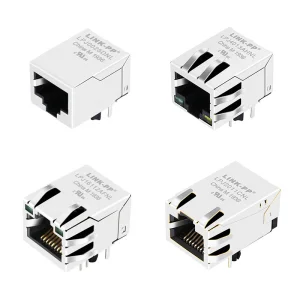
Custom Shield PCB Ethernet SMD SMT 12 Pin Metal 10 Pin Rj11 Rj45 Connector With Poe
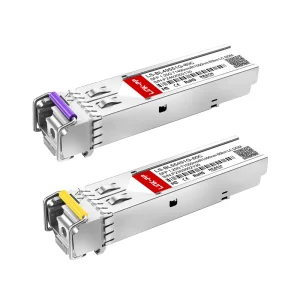
Simplex LC 1490nm/1550nm Bidirectional SMF Optical Transceiver Single Mode 1G BiDi SFP Module 80km
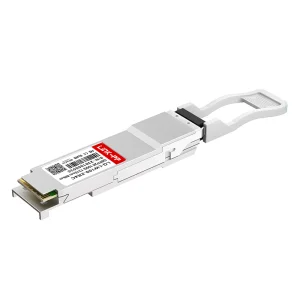
100GBASE-ZR4 Duplex LC SMF Optical Module 1310nm Single Mode 100G QSFP28 Transceiver 80km
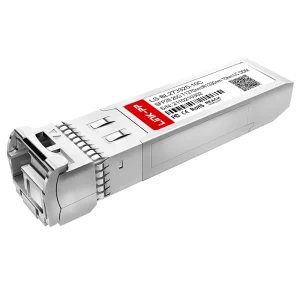
SMF Bidirectional Optical Module 1270nm-TX/1330nm-RX Single Mode SFP28 25G BiDi Transceiver 10km
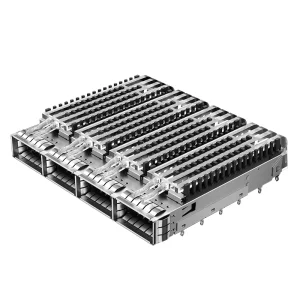
2-2170747-2 Light Pipe Press-Fit Through Hole EMI Shield Housing 1x4 SFP+ Cage With Heat Sink
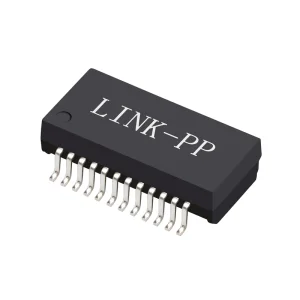
IEEE802.3af 1000 Base-T Single Port Transformer Module QT24A03
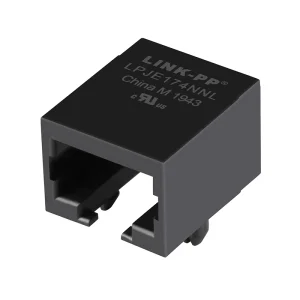
TS6P6C-PCB-U Unshielded Tab Down Without LEDs 1X1 Port RJ45 Modular Jack