Xelivor
Xelivor
Xelivor
Explore our state-of-the-art optical interfaces and high-speed network transformers engineered to deliver seamless interoperability and zero packet loss.
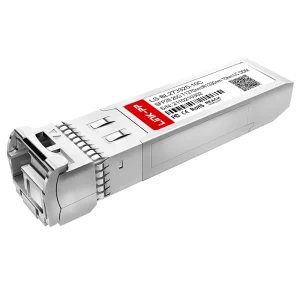
In an era dominated by hyper-converged architectures, generative AI, and high-frequency workloads, physical layer connectivity has transitioned from basic hardware commodities to strategic growth assets. Choosing a top-tier Small Form-factor Pluggable (SFP) optical module manufacturer is no longer just about pricing per port; it is a complex equation balancing interoperability, thermal endurance, Multi-Source Agreement (MSA) conformity, and supply chain continuity.
This whitepaper analyzes the capabilities, technological innovations, and long-term procurement frameworks required by global networks when choosing the right optical manufacturing partner. As networks scale up from legacy 1G/10G architectures toward dense 25G, 100G, and 800G fabrics, the compatibility and performance profile of transceivers define the ultimate throughput of modern data centers and cloud services.
Established in 2016, Xelivor Optoelectronics Co., Ltd. has established itself as an engineering-first manufacturer of premium optical transceivers and high-density fiber connectivity systems. Operating from a highly optimized, state-of-the-art cleanroom and test facility, Xelivor has successfully bridged the gap between cost-efficiency and premium performance.
Xelivor's manufacturing strategy stands out due to its agility. While traditional large-scale factories operate on rigid, long lead-time runs, Xelivor leverages its 68 R&D engineers to support OEM, ODM, private labeling, and customized firmware setups. This allows system integrators to acquire customized transceivers containing customized EEPROM coding configuration codes, guaranteeing hassle-free integration into major proprietary network architectures.
The optical transceiver market is undergoing rapid evolution. System administrators and network architects must design their infrastructure with an eye toward the future. Key technological transformations include:
Traditional pluggable transceivers face physical limits regarding electrical trace loss at high frequencies. Silicon Photonics integrated circuits combine electronic control logic and laser arrays on a single silicon chip, improving yield and reducing power usage by up to 30%.
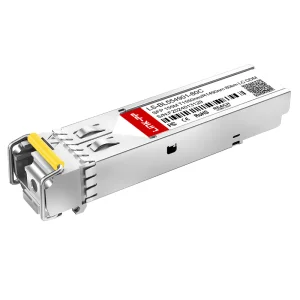
To optimize fiber infrastructure costs, BiDi technology leverages separate transmit (Tx) and receive (Rx) wavelengths (e.g., 1270nm/1330nm) on a single strand of single-mode fiber (SMF). This effectively doubles the fiber capacity without laying new cables.
LPO eliminates the internal DSP (Digital Signal Processor) in high-speed optical transceivers, reducing power consumption, latency, and manufacturing complexity while relying on host switch ASICs for equalization.
Modern transceivers must support real-time DDMI, reporting Tx/Rx power levels, temperature, voltage, and bias current. This data enables predictive network maintenance and minimizes downtime.
A quick comparative reference of the most deployed optical transceiver families for data centers and enterprise backbones:
| Module Type | Standard Data Rate | Common Connector | Max Reach (Typical) | Key Application |
|---|---|---|---|---|
| SFP | 1.25 Gb/s to 2.5 Gb/s | Duplex LC / Simplex LC | Up to 80km / 120km | GPON Networks, Legacy Enterprise, FTTH |
| SFP+ | 10 Gb/s | LC / RJ-45 (Copper) | Up to 10km (SMF) / 100m (Cat6a) | 10G Uplinks, Core Switches, NAS Systems |
| SFP28 | 25 Gb/s | LC Duplex / Simplex BiDi | Up to 10km (SMF) / 100m (MMF) | 5G Fronthaul, Next-Gen Data Centers, Servers |
| QSFP28 | 100 Gb/s | MPO / LC Duplex | Up to 40km (ER4) / 10km (LR4) | High-Density Switch Fabrics, DCI Backbones |
Corporate buyers, telecom operators, and data center engineers focus on the following key metrics when vetting manufacturing partners:
Telecommunication networks require specialized solutions like EPON/GPON ONU and OLT modules. Our GPON transceivers enable carriers to deploy high-density passive optical networks with long-term stability under harsh environmental conditions.
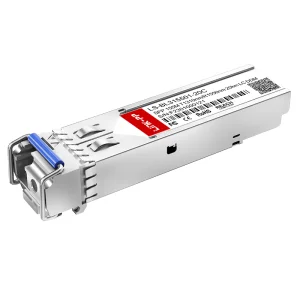
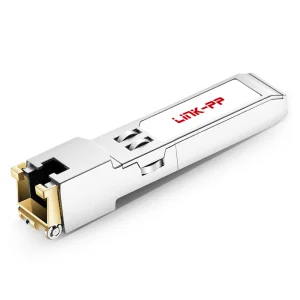
In FTTH scenarios, compatibility with legacy copper components is also essential. Integrated RJ-45 media conversion modules, such as our 10GBASE-T SFP+ copper transceivers, enable easy updates of legacy systems without requiring a complete optical fiber overhaul.
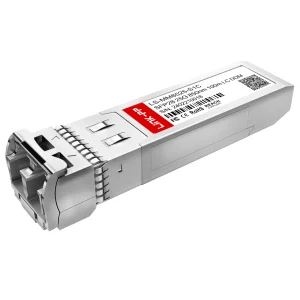
Hyperscale datacenters demand cost-effective high-density connections. Our 25G SFP28 and 100G QSFP28 modules support low-latency high-bandwidth interconnects between server racks and core switches, minimizing packet loss and optimizing data pathways.
By leveraging active optical cables (AOC) and direct attach copper (DAC) cables for short-distance inter-rack connectivity, engineers can reduce total cost of ownership (TCO) and maximize cooling efficiency.
Xelivor operates modern manufacturing facilities, maintaining strict quality control systems at every stage of production. From component preparation to final packaging and testing, each step is monitored to meet global compliance standards.
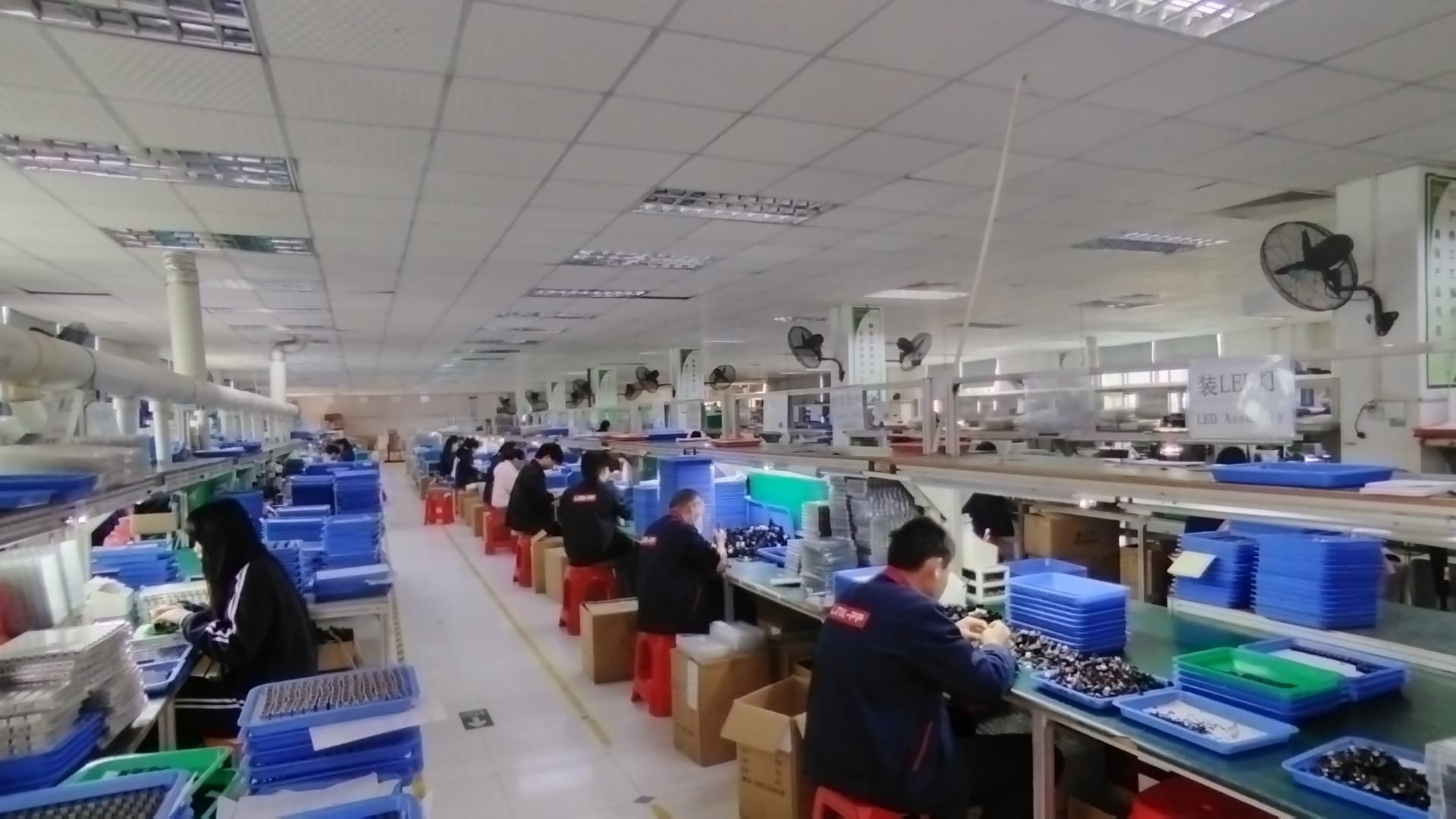

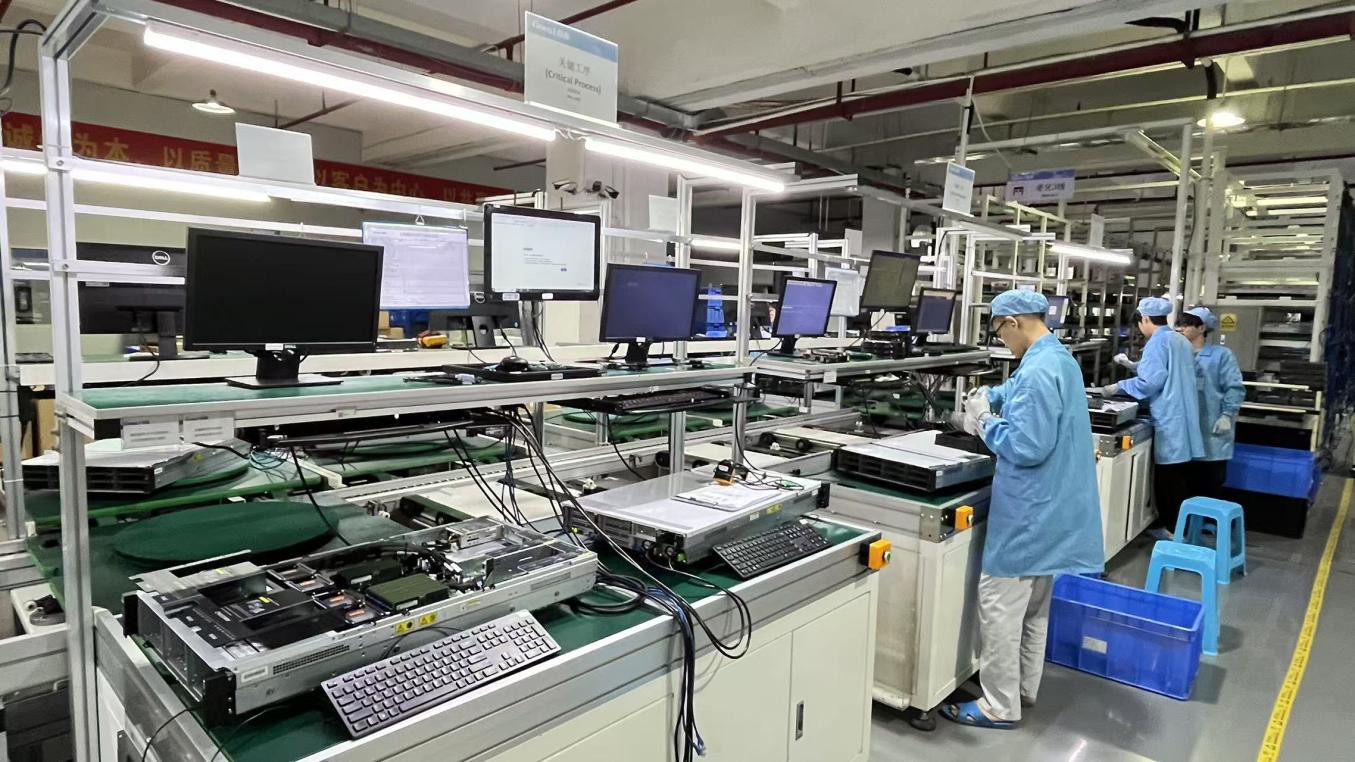
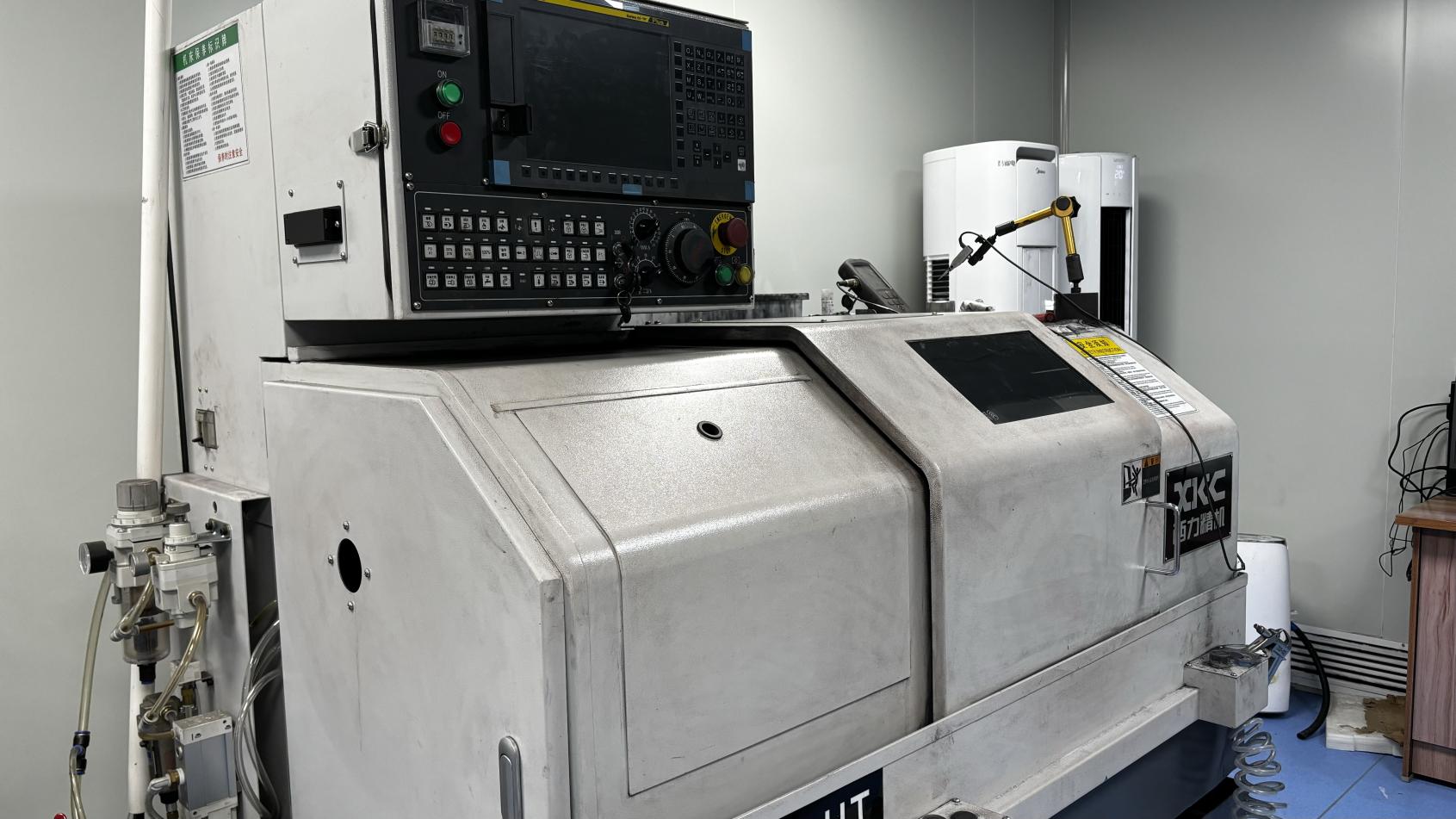
Operating globally requires adherence to international standards. High-performance modules must comply with multiple international frameworks:
Our entire product lineup meets RoHS, CE, FCC, and REACH directives, ensuring environmental safety, low electromagnetic emissions, and safe materials throughout their operational lifecycles.
Adhering to INF-8074i, SFF-8431, and SFF-8472 guidelines guarantees that our transceivers physically and electrically integrate into any MSA-compliant networking slot, regardless of the brand.
Compatibility issues occur when a switch's operating system checks a transceiver's EEPROM for specific vendor codes. If the code does not match the system's requirements, the port is disabled. Xelivor avoids this by analyzing switch configurations in our compatibility lab, coding transceivers to emulate native brands, and ensuring seamless integration.
Standard optical transceivers use one fiber strand to transmit data and another to receive it. BiDi transceivers use wavelength division multiplexing (WDM) to send and receive data over a single fiber strand using different wavelengths (such as 1270nm and 1330nm), cutting fiber cabling requirements in half.
DDMI, also known as DOM (Digital Optical Monitoring), is a real-time diagnostic feature. It allows network operators to track critical operating parameters such as temperature, laser bias current, transmitted optical power, received optical power, and transceiver supply voltage, helping to identify potential network issues before outages occur.
Commercial modules (COM) operate in temperatures from 0°C to 70°C, suitable for standard air-conditioned offices and data centers. Industrial modules (IND) are built with hardened components to operate from -40°C to 85°C, making them ideal for outdoor cabinets, industrial environments, transport networks, and base stations.
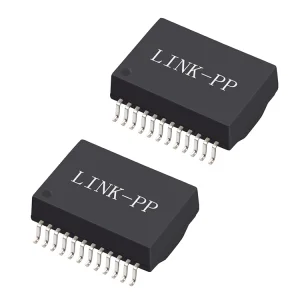
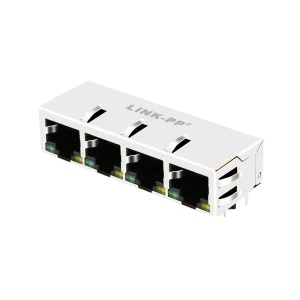
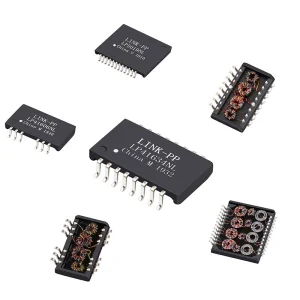
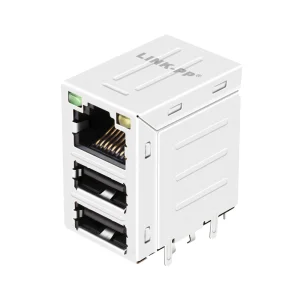
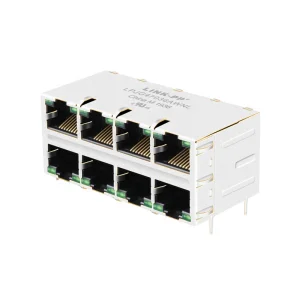
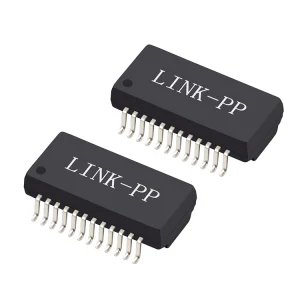
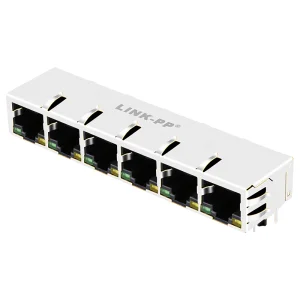
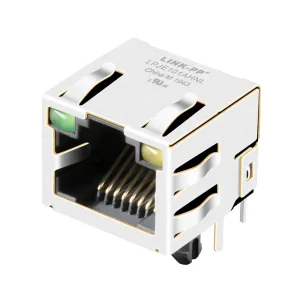
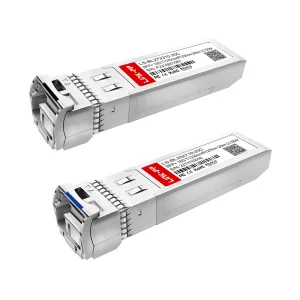
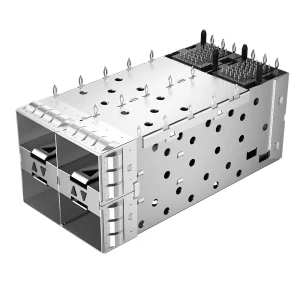
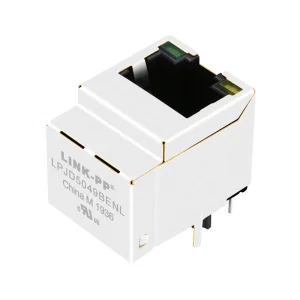
Ensure strong physical layer links with our high-grade copper transceivers, structured cages, and RJ45 magnetic modules.
"Developing next-generation optical infrastructures requires hardware that is compatible, thermophysically optimized, and built to open standards. Working with a flexible manufacturer that aligns with MSA specifications and offers custom coding allows enterprise networks to avoid vendor lock-in, streamline procurement processes, and scale bandwidth efficiently."